
Introduction to Class Action Ethics
Class action lawsuits in Canada serve as a vital mechanism for addressing widespread grievances and holding corporations accountable. However, the very nature of these proceedings presents a unique set of ethical challenges that demand careful consideration. These challenges arise from the inherent complexities of representing a large and often diverse group of individuals, managing potential conflicts of interest, ensuring fair distribution of settlements, and navigating the intricacies of attorney fee arrangements. This comprehensive analysis delves into the ethical dimensions of class action lawsuits in Canada, examining the key areas where ethical dilemmas frequently occur and exploring the mechanisms in place to mitigate these concerns. From the initial stages of identifying and managing conflicts of interest to the final stages of settlement approval and distribution, ethical considerations are paramount to ensuring that justice is served for all class members. Understanding these ethical nuances is crucial for lawyers, judges, and policymakers alike, as they strive to uphold the principles of fairness, transparency, and accountability within the Canadian legal system.


Conflicts of Interest: A Pervasive Challenge
Conflicts of interest represent a significant ethical hurdle in class action litigation. These conflicts can manifest in various forms, potentially undermining the integrity of the proceedings and jeopardizing the interests of the class members. One common scenario involves conflicts between the named plaintiff, who initiates the lawsuit, and the broader class they represent. The named plaintiff may have interests that diverge from those of other class members, particularly concerning the desired outcome of the litigation or the allocation of settlement funds. For instance, in a product liability case, some class members may prioritize compensation for physical injuries, while others may be more concerned with recovering financial losses. Another type of conflict arises when the law firm representing the class has pre-existing relationships with the defendant or other parties involved in the litigation. Such relationships could create a subconscious bias that compromises the firm’s ability to vigorously advocate for the class’s interests. Furthermore, conflicts can emerge between different subgroups within the class, each with unique claims or priorities. In employment discrimination cases, for example, female employees may have different concerns than minority employees. Managing these conflicts effectively requires careful screening, transparent disclosure, and, in some cases, the appointment of separate counsel to represent the interests of specific subgroups. Courts play a crucial role in overseeing these processes, ensuring that all class members receive fair and adequate representation.
Fairness and Representation: Protecting the Vulnerable
Ensuring fairness and adequate representation for all class members is a cornerstone of ethical class action practice. This principle is particularly critical when dealing with vulnerable populations, such as consumers with limited financial resources or individuals with language barriers. These individuals may be less likely to understand the complexities of the lawsuit or to effectively assert their rights. To address this challenge, courts and legal professionals must take proactive steps to ensure that class members are adequately informed about the litigation, their rights, and the potential outcomes. This may involve providing notices in multiple languages, conducting outreach to community organizations, and simplifying legal jargon to make it more accessible. Furthermore, courts have a responsibility to scrutinize the adequacy of the named plaintiff and class counsel to represent the interests of all class members fairly and effectively. This includes assessing their experience, resources, and commitment to pursuing the litigation diligently. In cases where the named plaintiff or class counsel are deemed inadequate, the court may appoint a substitute representative to ensure that the class’s interests are properly protected. The principle of fairness also extends to the allocation of settlement funds, ensuring that the distribution is equitable and reflects the relative harm suffered by each class member.


Attorney Fees: Balancing Compensation and Ethical Obligations
The issue of attorney fees in class action lawsuits is a frequent source of ethical debate. Class action lawyers typically operate on a contingency fee basis, meaning they only get paid if they secure a favorable outcome for the class. While this arrangement incentivizes lawyers to pursue meritorious claims, it also raises concerns about potential overcharging and conflicts of interest. The percentage of the settlement that lawyers receive as fees can be substantial, potentially reducing the amount available to compensate class members. To mitigate these concerns, courts in Canada exercise close scrutiny over attorney fee requests, ensuring that they are reasonable and proportionate to the effort expended and the results achieved. Factors considered include the complexity of the case, the risk assumed by the lawyers, the time spent on the litigation, and the benefits conferred on the class. Courts may also use the “lodestar” method, which involves multiplying the number of hours worked by a reasonable hourly rate, to assess the appropriateness of the fee request. In addition to judicial oversight, ethical rules governing the legal profession require lawyers to disclose their fee arrangements to class members and to avoid charging excessive or unreasonable fees. Transparency and accountability are essential to maintaining public trust in the class action system.
Settlement Approval: Upholding Justice in Resolution
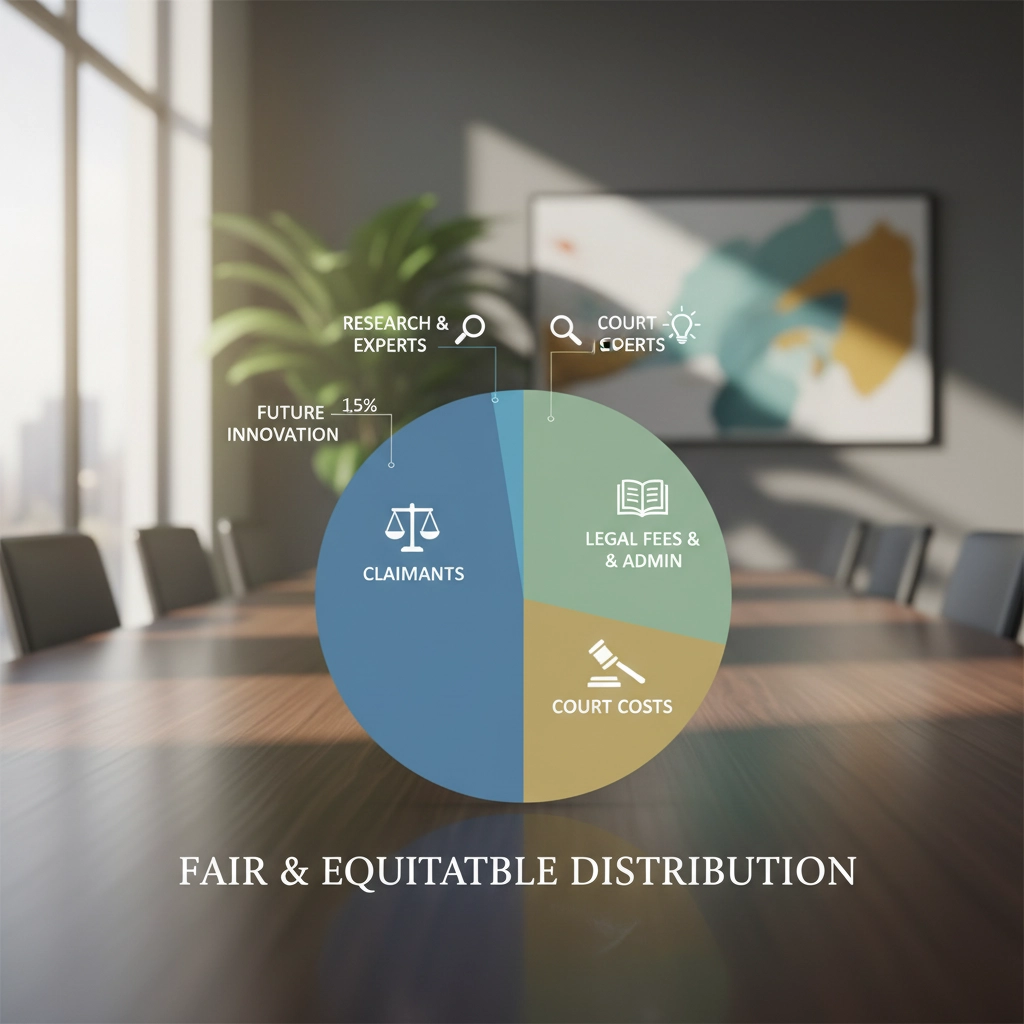
Settlement approval is a critical stage in class action litigation, requiring careful judicial oversight to ensure that the proposed settlement is fair, reasonable, and in the best interests of the class. The court must consider various factors, including the strength of the class’s claims, the likely outcome of a trial, the complexity and expense of continued litigation, and the views of class members. A key ethical consideration is whether the settlement adequately compensates class members for their losses. The court must assess the proposed distribution plan to ensure that it is equitable and that class members receive a fair share of the settlement funds. This may involve comparing the settlement amount to the potential damages that class members could have recovered at trial and considering the administrative costs associated with distributing the funds. Another important consideration is the presence of any so-called “sweetheart deals,” where class counsel receives disproportionately high fees or other benefits at the expense of the class members. Courts must be vigilant in identifying and rejecting such settlements, ensuring that the interests of the class are prioritized above all else. The settlement approval process provides an opportunity for class members to object to the proposed settlement and to voice their concerns to the court. The court must carefully consider these objections before making a final decision on whether to approve the settlement.

The Court’s Ethical Oversight Role
The court plays a central role in promoting ethical conduct throughout all stages of a Canadian class action lawsuit. From the initial certification of the class to the final approval of the settlement, the court acts as a guardian of the class’s interests, ensuring that the litigation is conducted fairly and ethically. The court’s oversight responsibilities include monitoring the conduct of class counsel, resolving conflicts of interest, ensuring adequate representation for all class members, and scrutinizing attorney fee requests. In addition to these specific responsibilities, the court has a broader duty to uphold the integrity of the legal system and to promote public confidence in the fairness and impartiality of class action proceedings. This requires the court to be vigilant in identifying and addressing any ethical concerns that may arise during the litigation, and to take appropriate action to protect the interests of the class. The court’s ethical oversight role is particularly important in complex and high-stakes class action cases, where the potential for abuse is greater. By actively monitoring the litigation and enforcing ethical standards, the court can help to ensure that class action lawsuits serve their intended purpose of providing a fair and efficient means of resolving widespread grievances.
Conclusion: Ethical Vigilance and the Pursuit of Justice
The ethical dimensions of class action lawsuits in Canada are multifaceted and require ongoing vigilance from all parties involved. Conflicts of interest, fairness of representation, attorney fee arrangements, and settlement approval processes all present unique ethical challenges that must be addressed proactively. The courts play a crucial role in overseeing these proceedings, ensuring that the interests of the class are protected and that the litigation is conducted in a fair and transparent manner. By adhering to the highest ethical standards, lawyers, judges, and policymakers can uphold the integrity of the class action system and ensure that it serves its intended purpose of providing a means for individuals to seek redress for widespread harms. As class action litigation continues to evolve, it is essential to remain mindful of the ethical considerations that underpin these proceedings and to strive for continuous improvement in the pursuit of justice for all.