

Understanding Business Interruption Insurance
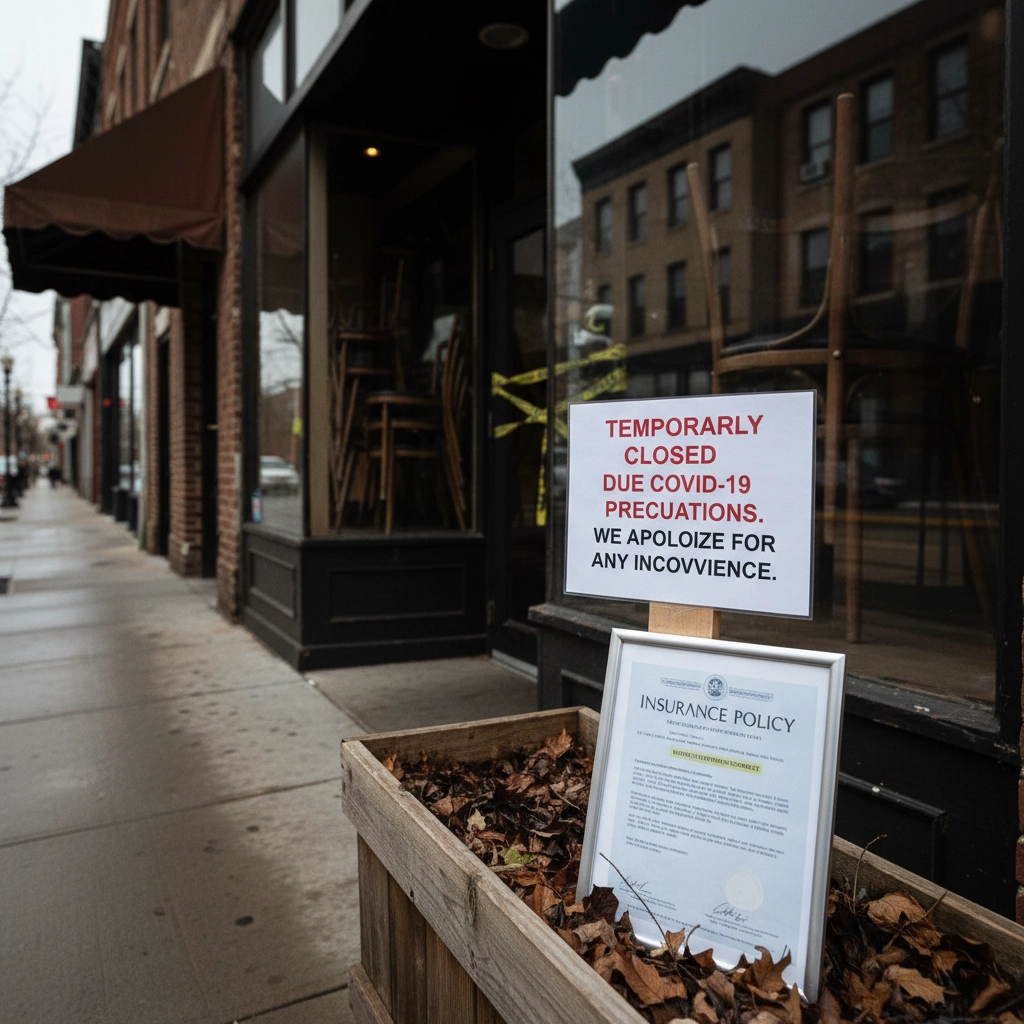
The COVID-19 pandemic presented unprecedented challenges for businesses across Canada, leading to widespread closures and significant financial losses. Many businesses looked to their business interruption insurance policies for relief, expecting coverage for losses incurred due to government-mandated shutdowns and reduced operations. However, insurance companies often denied these claims, leading to considerable frustration and financial strain for business owners. Business interruption insurance is designed to protect companies from income loss sustained due to a temporary suspension of operations caused by direct physical loss or damage to property. The key phrase here is “direct physical loss or damage,” which has become a central point of contention in COVID-19 related claims.
Direct Physical Loss Requirement
Traditionally, business interruption insurance policies required a direct physical loss or damage to the insured property for coverage to be triggered. This typically meant events like fire, flood, or storm damage. Insurers argued that the presence of the COVID-19 virus, or government-imposed restrictions, did not constitute direct physical loss or damage to property. They maintained that the virus did not physically alter or harm the insured premises, and therefore, the policies did not cover the resulting business losses. This interpretation was met with resistance from policyholders who argued that the presence of the virus rendered their premises unusable and posed a direct threat to the health and safety of employees and customers, effectively constituting a physical loss.
The Emergence of Class Action Lawsuits
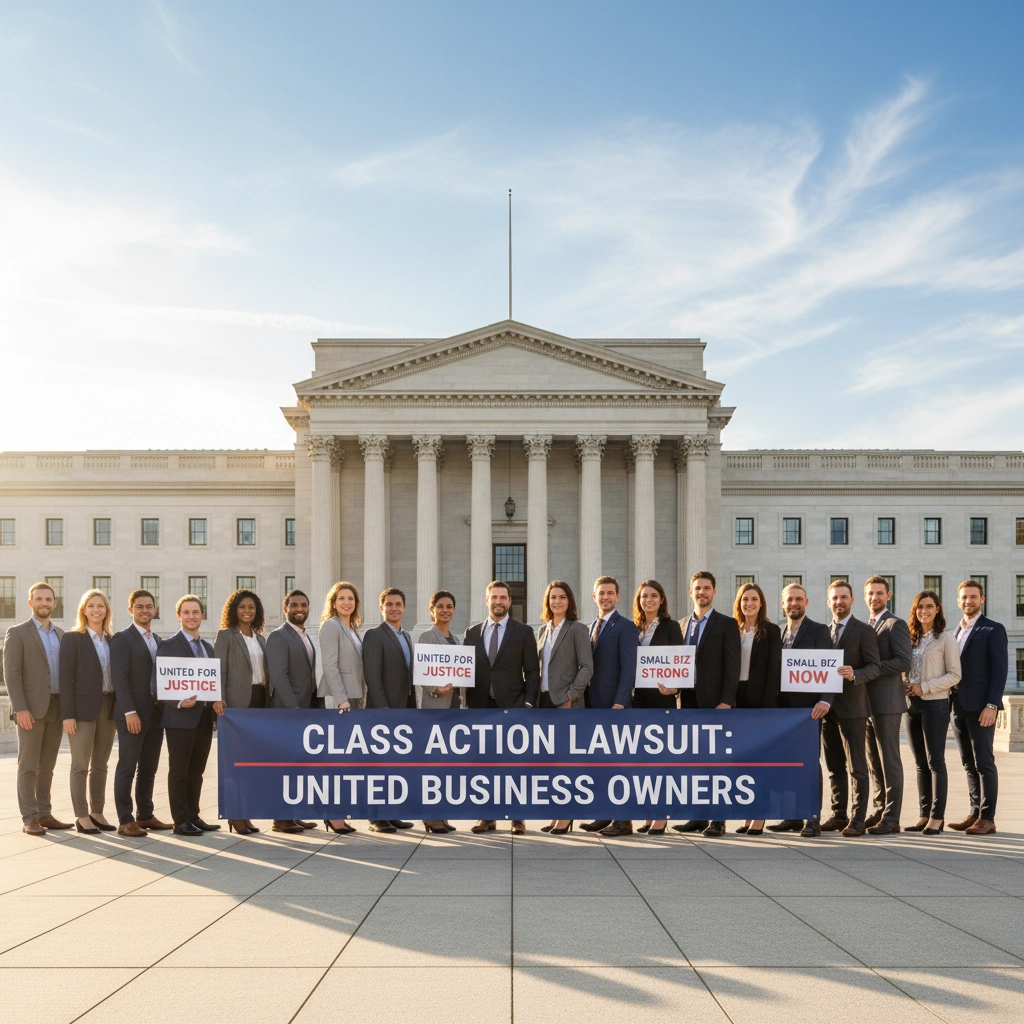
In response to widespread claim denials, numerous businesses in Canada joined class action lawsuits against insurance companies. These lawsuits aimed to challenge the insurers’ interpretation of the policy language and seek compensation for business interruption losses incurred due to the pandemic. Class actions allow multiple plaintiffs with similar claims to consolidate their cases into a single lawsuit, making it more efficient and cost-effective to pursue legal action. These lawsuits generally allege that the insurance companies wrongfully denied coverage and breached their contractual obligations to policyholders. They argue that the policies should be interpreted to cover losses resulting from government-mandated closures and the presence of the virus, particularly when those factors directly impacted the businesses’ ability to operate.


Key Legal Arguments in Class Actions
Several legal arguments have been advanced in these class action lawsuits. One argument centers on the interpretation of “direct physical loss or damage.” Plaintiffs contend that the presence of the virus, or the inability to use the premises due to government orders, constitutes a form of physical loss because it rendered the property unusable for its intended purpose. Another argument focuses on the “ensuing loss” provisions in some policies, which may cover losses that follow from a covered event, even if the initial event itself might not be considered direct physical damage. Additionally, some policies contain specific endorsements or clauses that may provide coverage for business interruption caused by communicable diseases or government actions. The interpretation and applicability of these clauses are often heavily contested in court.
Challenges and Outcomes
The outcomes of these class action lawsuits have varied, with some cases being dismissed, others being settled, and still others proceeding to trial. The legal landscape surrounding COVID-19 business interruption claims is complex and evolving, with different courts reaching different conclusions based on the specific policy language and factual circumstances of each case. The success of a claim often depends on the specific wording of the insurance policy, the jurisdiction in which the claim is filed, and the evidence presented by both the policyholder and the insurance company. These lawsuits have highlighted the importance of carefully reviewing insurance policies and understanding the scope of coverage.


Navigating Business Interruption Claims
Businesses seeking to pursue a business interruption claim related to COVID-19 should carefully review their insurance policies and gather documentation to support their claim. This documentation should include evidence of lost revenue, increased expenses, and the impact of government-mandated closures on their business operations. Consulting with legal counsel experienced in insurance litigation can provide valuable guidance in navigating the complex legal issues involved and maximizing the chances of a successful outcome. The COVID-19 pandemic has underscored the importance of having comprehensive and clearly defined business interruption insurance coverage to protect businesses from unforeseen events.
Qualifying for a COVID-19 Business Interruption Lawsuit

Understanding Class Action Criteria
To qualify for a COVID-19 business interruption class action lawsuit in Canada, businesses must meet specific criteria that demonstrate they have suffered damages as a direct result of the pandemic and that their insurance claims were wrongfully denied. The purpose of a class action is to consolidate similar claims, making it more efficient for plaintiffs to seek justice. To be part of a class, businesses typically need to show they hold a similar type of insurance policy and that the reasons for denial were also similar. Meeting these initial qualifications is crucial for inclusion in the lawsuit.
Type of Insurance Policy
The type of business interruption insurance policy a business holds is a key factor in determining eligibility for a class action. Class actions are often organized around specific policy wordings or interpretations by insurance companies. For instance, a class action might focus on policies that contained specific clauses related to virus exclusions or those that lacked clear definitions of “physical damage.” Businesses need to carefully examine their policy to understand its terms and whether it aligns with the policies being challenged in the class action. The policy’s specific wording regarding physical damage, virus exclusions, and civil authority clauses will be scrutinized to determine its potential for coverage.
Demonstrating Business Losses
A crucial aspect of qualifying for a class action is demonstrating that the business suffered significant financial losses as a direct result of the COVID-19 pandemic. This typically involves providing detailed financial records, such as income statements, balance sheets, and tax returns, that show a decline in revenue and profitability during the relevant period. Businesses should also document any increased expenses incurred as a result of the pandemic, such as costs associated with implementing safety measures or adapting to new operating procedures. The ability to quantify and substantiate these losses is essential for establishing a valid claim.
Causation: Linking Losses to COVID-19
Establishing a direct causal link between the business losses and the COVID-19 pandemic is critical. This means demonstrating that the losses were a direct result of government-mandated closures, restrictions on business operations, or a decline in customer demand due to the pandemic. Businesses may need to provide evidence of government orders that forced them to close or limit their operations, as well as data showing a decline in customer traffic or sales during the relevant period. Expert testimony from economists or industry analysts may also be used to support the claim that the losses were caused by the pandemic.
Insurance Claim Denial
To qualify for a class action, businesses must typically have filed a business interruption insurance claim that was denied by their insurance company. The reason for the denial is a significant factor, as it must align with the common issues being litigated in the class action. For example, if the class action focuses on the interpretation of “physical damage,” businesses whose claims were denied based on the absence of physical damage to their property would be more likely to qualify. The denial letter from the insurance company should be carefully reviewed to understand the specific reasons for the denial and to determine whether it aligns with the issues being addressed in the class action.
Consultation with Legal Counsel
Given the complexities of insurance law and class action litigation, it is highly advisable for businesses to consult with legal counsel experienced in these areas. An attorney can review the business’s insurance policy, assess the merits of its claim, and advise on whether it meets the criteria for joining a class action lawsuit. Legal counsel can also assist with gathering and organizing the necessary documentation to support the claim and represent the business’s interests throughout the litigation process. Engaging experienced legal counsel is crucial for navigating the complexities of a COVID-19 business interruption class action and maximizing the chances of a successful outcome.
Documenting COVID-19 Related Business Losses Effectively
Importance of Thorough Documentation
In the context of COVID-19 related business interruption claims in Canada, meticulously documenting your losses is paramount. The strength of your claim hinges on the quality and completeness of the evidence you present. Comprehensive documentation not only bolsters your position in negotiations with insurance companies but also serves as a crucial foundation if you decide to pursue legal action, including joining a class action lawsuit. Accurate records provide a clear and irrefutable account of the financial impact of the pandemic on your business.
Financial Records: The Foundation of Your Claim
Financial records form the bedrock of any business interruption claim. You must compile detailed financial statements that illustrate your business’s performance before, during, and after the pandemic-related disruptions. This includes profit and loss statements, balance sheets, cash flow statements, and sales records. Pay close attention to revenue streams, expenses, and net income. Comparing these figures across different periods will highlight the extent of the financial damage caused by COVID-19. Be sure to include monthly and quarterly reports for at least two years prior to the pandemic to establish a clear baseline.
Government Orders and Restrictions
Document all government orders and restrictions that impacted your business operations. This includes federal, provincial, and municipal directives related to lockdowns, capacity limits, social distancing measures, and mandatory closures. Maintain copies of official announcements, regulations, and guidelines. These documents establish the direct link between government actions and your business interruptions. Furthermore, record the dates and specific details of each restriction, as well as how they affected your ability to operate.
Operational Adjustments and Expenses
Keep a detailed record of all operational adjustments you made in response to the pandemic. This includes implementing safety protocols, purchasing personal protective equipment (PPE), modifying your premises, and shifting to online sales or delivery services. Document all associated expenses, such as the cost of PPE, sanitization supplies, website development, and marketing campaigns. These records demonstrate the measures you took to mitigate losses and adapt to the changing business environment. They also highlight the additional financial burden placed on your business due to the pandemic.
Communication Records with Insurer
Maintain meticulous records of all communications with your insurance company, including emails, letters, phone calls, and meeting notes. Document the dates, times, and participants of each interaction, as well as the key points discussed. Keep copies of all documents you submitted to the insurer, such as claim forms, supporting documentation, and correspondence. This documentation is crucial for tracking the progress of your claim and identifying any potential issues or discrepancies. It also serves as evidence of your good faith efforts to resolve the claim.
Expert Opinions and Assessments
Consider obtaining expert opinions and assessments to support your claim. This may include engaging a forensic accountant to quantify your business losses, an industry analyst to assess the impact of the pandemic on your sector, or a legal expert to evaluate your insurance policy and the merits of your claim. Expert reports can provide valuable insights and strengthen your position in negotiations or litigation. They can also help to establish the reasonableness of your loss calculations and the validity of your claim.
By meticulously documenting all aspects of your business losses, you significantly enhance your chances of a successful outcome in your business interruption claim. Remember that the burden of proof lies with you, the policyholder, to demonstrate the extent of your damages and the causal link to the COVID-19 pandemic.
Negotiating a Fair Settlement in a COVID-19 Class Action
Understanding the Class Action Landscape
Negotiating a fair settlement in a COVID-19 business interruption class action requires a thorough understanding of the legal landscape, the strengths and weaknesses of your case, and the potential settlement options available. Class actions are complex legal proceedings involving numerous plaintiffs with similar claims against a common defendant, typically an insurance company in this context. Before entering settlement negotiations, it’s crucial to assess the overall progress of the class action, including any key court decisions or rulings that may impact the value of your claim.
Assessing Your Individual Claim Value
While class actions consolidate similar claims, the value of each individual claim can vary significantly based on the specific circumstances of the business and the extent of the losses incurred. To effectively negotiate a fair settlement, you must accurately assess the value of your individual claim. This involves carefully reviewing your financial records, documenting all losses attributable to the COVID-19 pandemic, and considering any unique factors that may have impacted your business. Engage with your legal counsel to determine a realistic and supportable valuation of your claim.
Understanding Settlement Options
In class action settlements, there are typically several options available to class members. These may include cash settlements, policy modifications, or other forms of compensation. It’s important to understand the terms of each settlement option and how they apply to your specific situation. Cash settlements are the most common form of compensation, but the amount offered may vary depending on the overall settlement agreement and the number of class members participating. Policy modifications may involve changes to the terms of your insurance policy to provide broader coverage in the future.
The Role of Legal Counsel
Your legal counsel plays a critical role in negotiating a fair settlement in a class action. They will represent your interests throughout the negotiation process, advise you on the strengths and weaknesses of your case, and help you evaluate the fairness of any settlement offers. It’s important to communicate openly and honestly with your legal counsel and to provide them with all the information they need to effectively represent you. Trust their expertise and guidance as they navigate the complexities of the settlement process.
Negotiation Strategies and Tactics
Settlement negotiations often involve a series of offers and counteroffers between the parties. Your legal counsel will employ various negotiation strategies and tactics to maximize your chances of obtaining a fair settlement. This may include presenting evidence to support your claim, arguing for a higher valuation based on the specific circumstances of your business, and exploring alternative dispute resolution methods such as mediation. Be prepared to be patient and persistent throughout the negotiation process, as it may take time to reach a mutually agreeable settlement.
Evaluating the Fairness of a Settlement Offer
Before accepting any settlement offer, it’s crucial to carefully evaluate its fairness and whether it adequately compensates you for your losses. Consider the overall value of the settlement, the potential risks and costs of continuing to litigate the case, and the advice of your legal counsel. Don’t feel pressured to accept a settlement offer that you believe is unfair or inadequate. You have the right to reject the offer and continue to pursue your claim through litigation. However, weigh the potential benefits of settling against the uncertainties and expenses of going to trial.
The Long-Term Impact of COVID-19 on Class Action Lawsuits
A Shift in Legal Precedent
The COVID-19 pandemic has fundamentally altered the landscape of business interruption insurance claims and class action lawsuits in Canada. The sheer volume of claims filed and the unique circumstances surrounding the pandemic have forced courts to grapple with novel legal issues and interpretations of policy language. These cases have the potential to set new legal precedents that could significantly impact the future of business interruption insurance and the rights of policyholders. The long-term impact will depend on how courts ultimately interpret key policy provisions, such as “physical damage” and “virus exclusions,” and how they balance the interests of insurers and policyholders.
Increased Scrutiny of Insurance Policies
The COVID-19 pandemic has prompted increased scrutiny of insurance policies by both businesses and legal professionals. Policyholders are now more aware of the potential gaps and ambiguities in their coverage and are more likely to carefully review their policies before and after purchasing them. This increased awareness could lead to greater demand for clearer and more comprehensive business interruption insurance policies that specifically address pandemic-related risks. Insurers, in turn, may be forced to revise their policy language to provide greater clarity and certainty regarding coverage for future outbreaks or similar events.
The Rise of Pandemic-Specific Insurance Products
In response to the widespread business losses caused by the COVID-19 pandemic, there is a growing demand for pandemic-specific insurance products. These policies would be designed to provide coverage for business interruption losses resulting from future outbreaks of infectious diseases or other similar events. The development of such products could help to fill the gap in coverage that many businesses experienced during the COVID-19 pandemic and provide greater financial security in the event of future crises. However, the pricing and availability of these policies will likely depend on the perceived risk and the willingness of insurers to offer them.
Impact on Insurer-Policyholder Relationships
The COVID-19 pandemic has strained relationships between insurers and policyholders. The widespread denial of business interruption claims has led to frustration and distrust among business owners, many of whom felt that their insurers were not honoring their contractual obligations. Rebuilding these relationships will require greater transparency, communication, and a willingness to work together to find solutions that address the needs of both parties. Insurers may need to demonstrate a greater commitment to customer service and to fairly evaluating claims, while policyholders may need to be more proactive in understanding their coverage and communicating their concerns to their insurers.
Long-Term Implications for Business Resilience
The COVID-19 pandemic has highlighted the importance of business resilience and the need for businesses to be prepared for unexpected disruptions. In addition to having adequate insurance coverage, businesses should also develop comprehensive business continuity plans that address potential risks such as pandemics, natural disasters, and cyberattacks. These plans should include strategies for mitigating losses, maintaining operations, and communicating with employees, customers, and stakeholders. Investing in business resilience can help businesses to weather future crises and emerge stronger in the long run.
The COVID-19 pandemic has had a profound and lasting impact on business interruption insurance and class action lawsuits in Canada. The legal precedents set by these cases, the increased scrutiny of insurance policies, the rise of pandemic-specific insurance products, the impact on insurer-policyholder relationships, and the long-term implications for business resilience will continue to shape the insurance landscape for years to come. It is essential for businesses and insurers to learn from the experiences of the pandemic and to work together to create a more resilient and sustainable insurance system.