
Introduction to Class Action Evolution in Canada
Class action lawsuits in Canada are poised for significant transformation, driven by technological advancements, evolving social awareness, and unprecedented global events. As legal frameworks adapt to address contemporary challenges, understanding emerging trends and predicting their impact becomes crucial for legal professionals, businesses, and the public alike. This analysis delves into key areas influencing the future of class action litigation in Canada, offering insights into the evolving legal landscape.
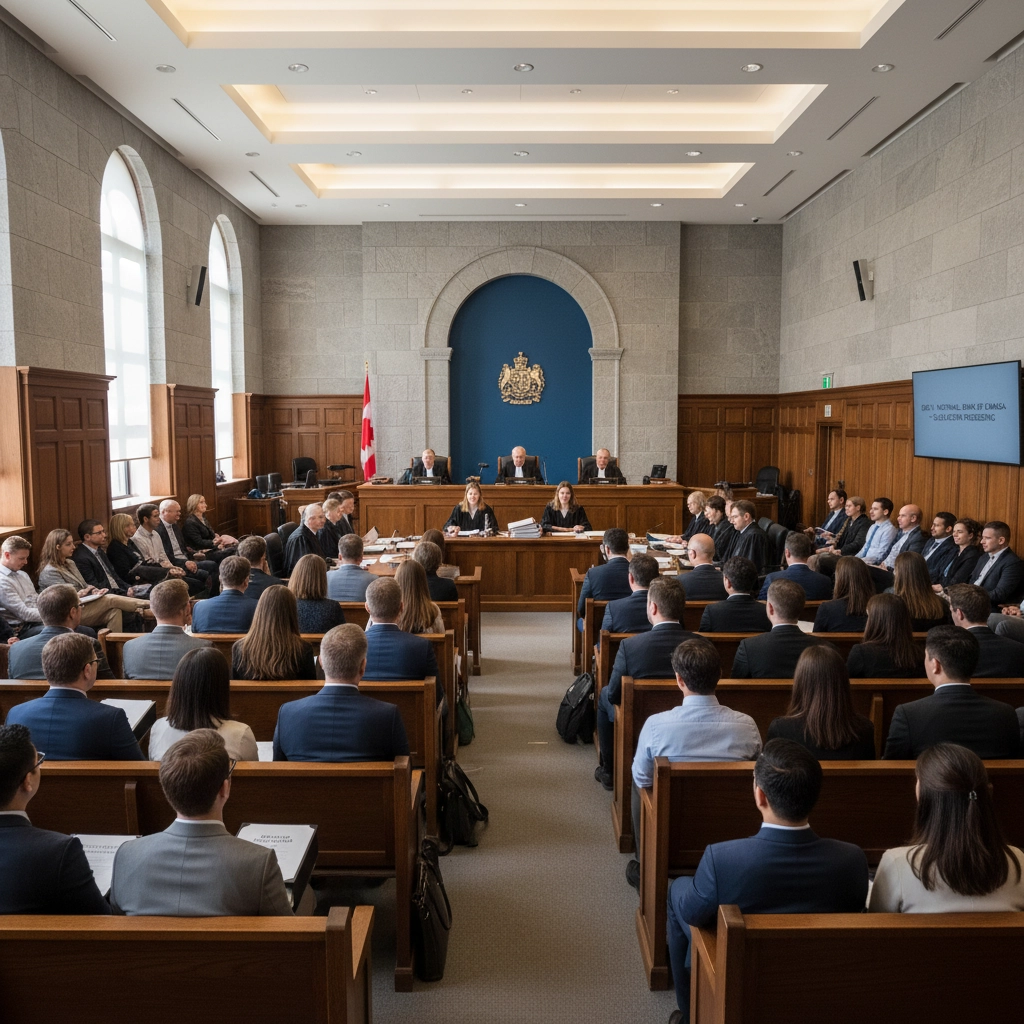

AI’s Impact on Class Action Legal Strategies
Artificial intelligence (AI) is rapidly reshaping the legal landscape, and class action lawsuits are no exception. AI-powered tools can assist in various stages of litigation, from identifying potential class members and analyzing large datasets to predicting case outcomes and streamlining discovery processes. For example, AI algorithms can sift through vast amounts of electronic documents to identify relevant information, significantly reducing the time and cost associated with manual review. Furthermore, AI can analyze past court decisions and legal precedents to provide insights into the strengths and weaknesses of a particular case, enabling lawyers to develop more effective legal strategies. However, the integration of AI also presents challenges, including concerns about data privacy, algorithmic bias, and the need for human oversight to ensure fairness and accuracy. As AI technology continues to advance, its role in class action lawsuits is expected to grow, requiring lawyers to develop new skills and adapt to a changing legal environment. The ethical considerations surrounding AI in law must be carefully addressed to maintain the integrity and fairness of the legal system.
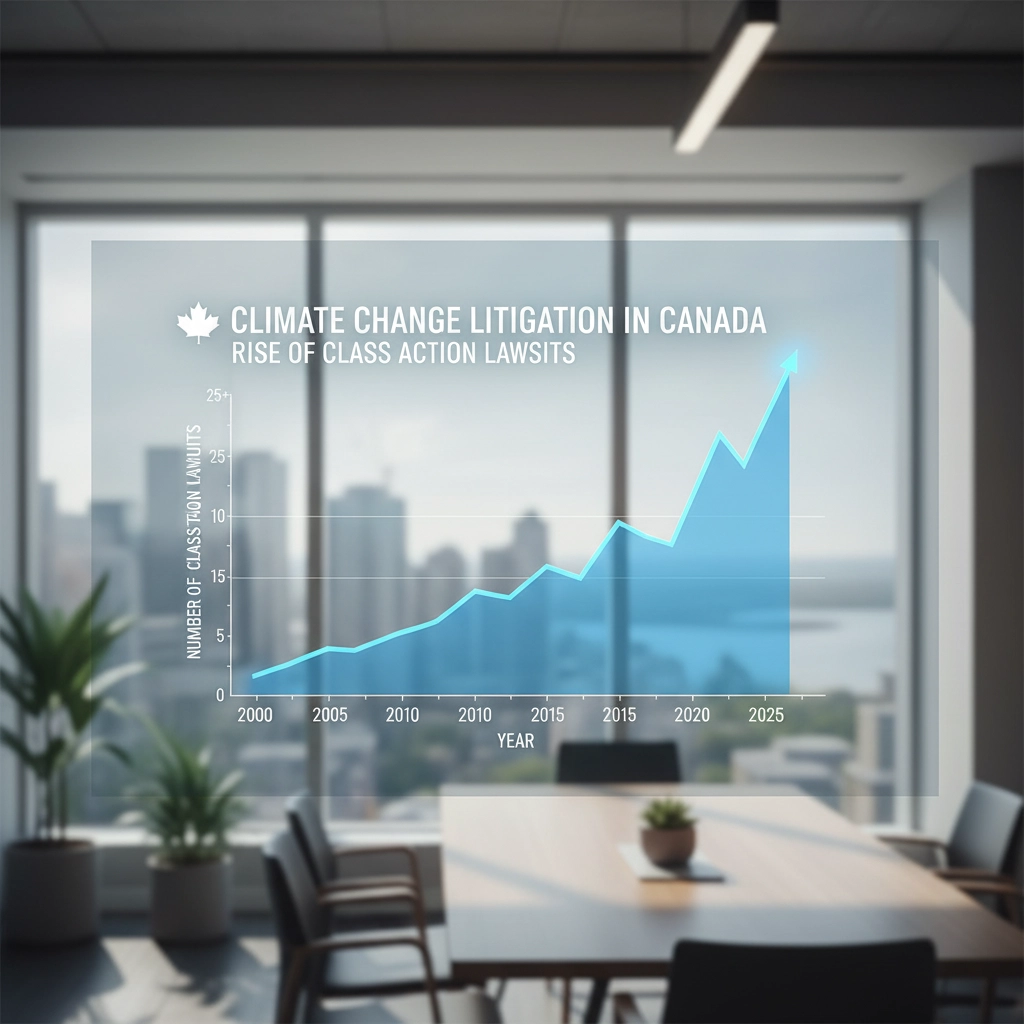
Climate Change Litigation: A Growing Trend in Canada
Climate change litigation is an increasingly prominent area of legal action globally, and Canada is no exception. Class action lawsuits targeting corporations and governments for their contributions to climate change are on the rise, reflecting growing public awareness and concern about the environmental and social impacts of climate change. These lawsuits often allege that defendants have failed to adequately address climate risks, misrepresented their environmental practices, or contributed to greenhouse gas emissions that have caused harm to individuals and communities. For example, class actions may be brought on behalf of property owners affected by sea-level rise, farmers impacted by extreme weather events, or individuals suffering from respiratory illnesses caused by air pollution. Establishing causation in climate change cases can be challenging, as it requires linking specific actions of defendants to specific environmental damages. However, advancements in climate science and modeling are strengthening the ability to demonstrate these connections. As climate change impacts become more severe and widespread, climate change litigation is expected to continue to grow in Canada, presenting both opportunities and challenges for the legal system. The outcomes of these cases could have significant implications for corporate behavior, government policies, and the transition to a low-carbon economy.

Data Privacy and Cybersecurity: Class Actions Emerge
With the increasing reliance on digital technologies and the growing threat of cyberattacks, data privacy and cybersecurity have become critical concerns for individuals and organizations alike. Class action lawsuits related to data breaches and privacy violations are becoming increasingly common in Canada, as individuals seek compensation for damages resulting from the unauthorized disclosure or misuse of their personal information. These lawsuits often allege that companies failed to implement adequate security measures to protect sensitive data, failed to provide timely notification of data breaches, or misused personal information for commercial purposes without consent. The legal landscape surrounding data privacy is constantly evolving, with new laws and regulations being enacted to strengthen data protection and enhance individual rights. For example, the Personal Information Protection and Electronic Documents Act (PIPEDA) sets out rules for how private sector organizations collect, use, and disclose personal information in the course of commercial activities. Class action lawsuits can serve as an important mechanism for holding organizations accountable for data privacy breaches and ensuring that they take appropriate steps to protect personal information. As data breaches become more frequent and sophisticated, the importance of data privacy and cybersecurity class actions is likely to continue to grow in Canada.
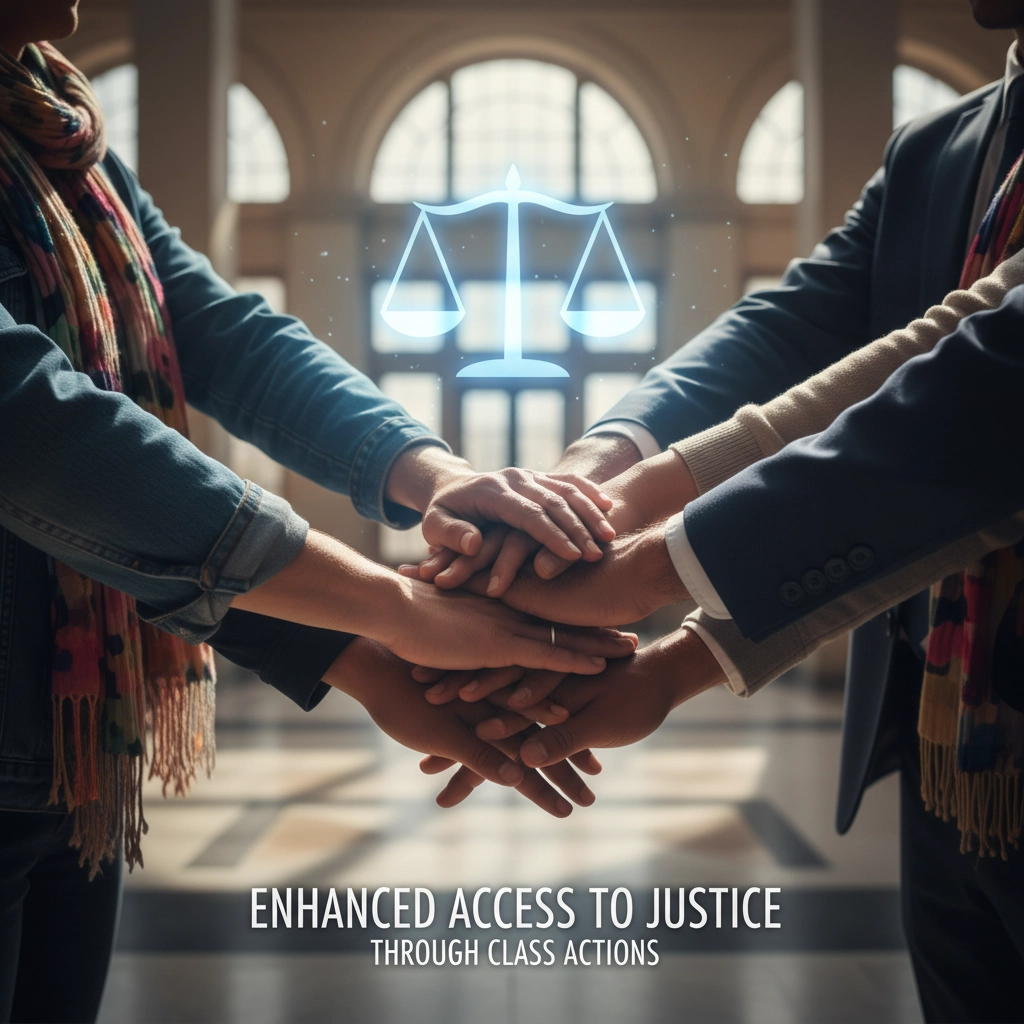
Enhancing Access to Justice via Class Actions
Class action lawsuits can play a vital role in promoting access to justice for vulnerable populations in Canada. These lawsuits allow individuals who have suffered similar harm to band together and pursue legal claims collectively, overcoming barriers such as financial constraints, lack of legal knowledge, and fear of retaliation. Class actions can be particularly effective in addressing systemic issues that disproportionately affect marginalized communities, such as consumer fraud, employment discrimination, and environmental injustice. For example, class actions have been used to challenge discriminatory practices in the financial services industry, to seek compensation for indigenous communities affected by environmental contamination, and to protect the rights of migrant workers. By pooling resources and sharing the costs of litigation, class actions can level the playing field and empower vulnerable populations to assert their legal rights. Furthermore, class actions can raise public awareness about important social issues and encourage policy changes that promote greater equality and justice. However, it is important to ensure that class actions are structured in a way that effectively represents the interests of all class members and that settlements are fair and equitable. As Canada strives to create a more inclusive and just society, class actions will continue to be an important tool for advancing access to justice for vulnerable populations.
COVID-19’s Long-Term Impact on Class Action Litigation
The COVID-19 pandemic has had a profound impact on all aspects of society, including the legal system. The pandemic has led to a surge in class action lawsuits related to various issues, such as price gouging, false advertising, employment practices, and breaches of contract. For example, class actions have been filed against companies that allegedly misrepresented the effectiveness of their products in preventing COVID-19, against employers that failed to provide adequate safety measures for their workers, and against airlines that cancelled flights without providing refunds. The pandemic has also highlighted the vulnerability of certain populations to exploitation and abuse, leading to class actions on behalf of residents of long-term care facilities, prisoners, and other marginalized groups. In addition to the specific issues raised by the pandemic, it has also accelerated the adoption of technology in the legal system, such as virtual court hearings and online dispute resolution. This trend is likely to continue in the future, making legal proceedings more accessible and efficient. The long-term implications of COVID-19 for class action lawsuits in Canada are still unfolding, but it is clear that the pandemic has had a significant and lasting impact on the legal landscape. As businesses and individuals continue to grapple with the economic and social consequences of the pandemic, class action lawsuits will likely remain an important mechanism for seeking redress and holding wrongdoers accountable.
Conclusion: Navigating the Future of Class Actions in Canada
The future of class action lawsuits in Canada is dynamic and multifaceted, shaped by technological advancements, evolving societal concerns, and the lessons learned from global events like the COVID-19 pandemic. The integration of AI, the rise of climate change litigation, the growing importance of data privacy, the empowerment of vulnerable populations, and the long-term implications of the pandemic all point to a legal landscape that is becoming more complex and demanding. As these trends continue to unfold, legal professionals, businesses, and policymakers must work together to ensure that class action lawsuits remain an effective and equitable mechanism for resolving disputes and promoting justice in Canada. By embracing innovation, addressing ethical concerns, and prioritizing access to justice, Canada can harness the power of class actions to build a more fair and sustainable future for all.