



Introduction to Drug Class Actions
When pharmaceutical companies prioritize profits over patient safety, the consequences can be devastating. Dangerous drugs can cause severe side effects, leading to long-term health problems and a diminished quality of life. In Canada, class action lawsuits provide a legal avenue for individuals harmed by these drugs to seek compensation for their injuries and hold negligent pharmaceutical companies accountable. These lawsuits pool together the claims of many individuals who have suffered similar harm, making it more efficient and cost-effective to pursue justice. If you or a loved one has been injured by a dangerous drug, understanding the process and joining a Canadian drug class action lawsuit may be crucial for obtaining the compensation you deserve.


Understanding the Scope of the Problem
The pharmaceutical industry is heavily regulated, but dangerous drugs can still make their way onto the market. This can happen due to a variety of reasons, including inadequate testing, manipulated clinical trial data, or a failure to adequately warn patients and healthcare providers about potential risks. When a drug causes widespread harm, a class action lawsuit can be an effective way to address the problem on a large scale. These lawsuits can cover a range of issues, from undisclosed side effects to manufacturing defects that compromise the safety and efficacy of the medication. The goal is to ensure that those who have been harmed receive compensation for their medical expenses, lost income, pain, and suffering.
Steps to Joining a Class Action
If you believe you have been injured by a dangerous drug, the first step is to seek legal advice from a qualified Canadian lawyer specializing in drug class action lawsuits. A lawyer can assess your case, determine if you are eligible to join an existing class action, and explain your rights and options. It is important to gather all relevant medical records, prescription information, and any other documentation that supports your claim. The lawyer will then guide you through the process of joining the class action, which typically involves completing a registration form and providing information about your injuries and the drug that caused them. It is essential to act promptly, as there are often deadlines for joining a class action lawsuit.

The Legal Process and Compensation
Once you have joined a class action lawsuit, the legal process can take time. The lawyers representing the class will investigate the case, gather evidence, and negotiate with the pharmaceutical company. If a settlement is reached, the court will review the settlement terms to ensure they are fair and reasonable to the class members. If the settlement is approved, class members will be notified and given the opportunity to submit a claim for compensation. The amount of compensation you receive will depend on the severity of your injuries, the strength of your claim, and the terms of the settlement. In some cases, the lawsuit may proceed to trial, where a judge or jury will determine the outcome.
Supporting Victims and Promoting Safety
Joining a drug class action lawsuit is not only about seeking compensation for your injuries; it is also about holding pharmaceutical companies accountable for their actions and promoting greater safety in the pharmaceutical industry. By bringing these issues to light, class action lawsuits can help to prevent future harm and ensure that drug manufacturers prioritize patient safety over profits. In addition to legal action, it is important to seek medical treatment and support from healthcare professionals. Support groups and patient advocacy organizations can also provide valuable resources and emotional support for those affected by dangerous drugs.


Conclusion: Seeking Justice and Accountability
Dangerous drugs can have devastating consequences for individuals and their families. Canadian drug class action lawsuits provide a crucial mechanism for seeking justice, holding pharmaceutical companies accountable, and obtaining compensation for injuries. If you believe you have been harmed by a dangerous drug, it is important to seek legal advice and explore your options. By joining a class action lawsuit, you can not only seek compensation for your injuries but also contribute to a safer and more responsible pharmaceutical industry. Remember, you are not alone, and there are resources available to help you navigate this challenging process.
Defective Hip Implants: Canadian Class Action Guide


Understanding Hip Implant Recalls
Defective hip implants can lead to a host of complications, including pain, inflammation, metallosis (metal poisoning), and the need for revision surgery. When a hip implant is recalled due to a high failure rate or design flaws, it can leave patients feeling confused, anxious, and uncertain about their future. In Canada, class action lawsuits provide a legal avenue for patients who have been harmed by defective hip implants to seek compensation for their injuries and hold negligent manufacturers accountable. This guide will provide an overview of Canadian class action lawsuits related to defective hip implants, the steps involved in joining a lawsuit, and the resources available to support affected patients.
Common Types of Defective Hip Implants
Several types of hip implants have been subject to recalls and class action lawsuits in Canada. Metal-on-metal (MoM) hip implants, in particular, have been associated with a high risk of complications. These implants can release metal ions into the bloodstream, leading to metallosis and other health problems. Other types of defective hip implants include those with design flaws that cause them to loosen, fracture, or fail prematurely. It is important to know the type of hip implant you received and whether it has been subject to a recall or is associated with a high risk of complications. Your surgeon or healthcare provider should be able to provide this information.
Eligibility for a Hip Implant Class Action
To be eligible to join a Canadian class action lawsuit related to defective hip implants, you typically need to meet certain criteria. This may include having received a specific type of hip implant that has been subject to a recall or is associated with a high risk of complications. You must also have experienced injuries or complications as a result of the defective implant, such as pain, inflammation, metallosis, or the need for revision surgery. It is important to consult with a qualified Canadian lawyer specializing in hip implant class action lawsuits to determine if you meet the eligibility requirements. The lawyer will assess your case, review your medical records, and advise you on your legal options.
The Process of Joining a Class Action Lawsuit
If you are eligible to join a hip implant class action lawsuit, the process typically involves completing a registration form and providing information about your hip implant, your injuries, and your medical treatment. Your lawyer will guide you through this process and ensure that all necessary documentation is gathered. It is important to act promptly, as there are often deadlines for joining a class action lawsuit. Once you have joined the class action, you will be kept informed of the progress of the case and any settlement negotiations.
Understanding Compensation and Outcomes
If a settlement is reached in the hip implant class action lawsuit, the court will review the settlement terms to ensure they are fair and reasonable to the class members. If the settlement is approved, class members will be notified and given the opportunity to submit a claim for compensation. The amount of compensation you receive will depend on the severity of your injuries, the strength of your claim, and the terms of the settlement. In some cases, the lawsuit may proceed to trial, where a judge or jury will determine the outcome. The compensation may cover medical expenses, lost income, pain and suffering, and other damages.
Conclusion: Seeking Support and Justice
Defective hip implants can have a significant impact on your health and quality of life. Canadian class action lawsuits provide a legal avenue for seeking compensation and holding negligent manufacturers accountable. If you have been harmed by a defective hip implant, it is important to seek legal advice and explore your options. In addition to legal action, it is important to seek medical treatment and support from healthcare professionals. Support groups and patient advocacy organizations can also provide valuable resources and emotional support for those affected by defective hip implants. Remember, you are not alone, and there are resources available to help you navigate this challenging process and seek the justice you deserve.
Heart Valve Failure: Canadian Compensation Class Action
Introduction to Heart Valve Failure
Heart valve failure can be a life-threatening condition, requiring complex medical treatment and potentially leading to significant health complications. When heart valve failure is caused by a defective or poorly designed medical device, the consequences can be particularly devastating. In Canada, class action lawsuits provide a means for individuals affected by defective heart valves to seek compensation for their injuries and hold negligent manufacturers accountable. This content piece will explore the landscape of heart valve failure class actions in Canada, outlining the eligibility criteria, legal processes, and potential compensation available to affected individuals.
Understanding Defective Heart Valves
Heart valves are essential for regulating blood flow through the heart. When a heart valve fails, it can lead to a range of problems, including shortness of breath, fatigue, chest pain, and heart failure. Defective heart valves can fail prematurely or malfunction due to design flaws, manufacturing defects, or inadequate testing. Some types of heart valves have been associated with a higher risk of complications and have been subject to recalls and class action lawsuits. It is crucial to understand the type of heart valve you have and whether it has been linked to any safety concerns.
Eligibility for a Heart Valve Class Action
To be eligible to join a Canadian class action lawsuit related to defective heart valves, you typically need to meet specific criteria. This may include having received a particular type of heart valve that has been subject to a recall or is associated with a high risk of complications. You must also have experienced injuries or complications as a result of the defective valve, such as heart failure, the need for replacement surgery, or other health problems. Consulting with a qualified Canadian lawyer specializing in heart valve class action lawsuits is essential to determine your eligibility. They will assess your case, review your medical records, and advise you on your legal options.
Navigating the Legal Process
If you are eligible to join a heart valve class action lawsuit, the process generally involves completing a registration form and providing detailed information about your heart valve, your medical history, and the complications you have experienced. Your lawyer will guide you through this process and ensure that all necessary documentation is gathered and submitted. It is important to act promptly, as there are often deadlines for joining a class action lawsuit. Once you have joined the class action, you will be kept informed of the progress of the case and any settlement negotiations.
Compensation and Potential Outcomes
If a settlement is reached in the heart valve class action lawsuit, the court will review the settlement terms to ensure they are fair and reasonable to the class members. If the settlement is approved, class members will be notified and given the opportunity to submit a claim for compensation. The amount of compensation you receive will depend on the severity of your injuries, the strength of your claim, and the terms of the settlement. Potential compensation may cover medical expenses, lost income, pain and suffering, and other damages related to the defective heart valve. In some cases, the lawsuit may proceed to trial, where a judge or jury will determine the outcome.
Conclusion: Seeking Justice and Improved Safety
Defective heart valves can have profound and life-altering consequences for affected individuals. Canadian class action lawsuits provide a critical avenue for seeking justice, obtaining compensation, and holding negligent manufacturers accountable. If you have been harmed by a defective heart valve, it is vital to seek legal advice and explore your options. In addition to legal action, seeking ongoing medical care and support from healthcare professionals is essential. Patient advocacy groups can also provide valuable resources and emotional support for those affected by defective heart valves, helping you navigate the challenges and seek the compensation you deserve while contributing to a safer medical device industry.
IVC Filter Complications: Canadian Class Action Filed
Introduction to IVC Filter Lawsuits
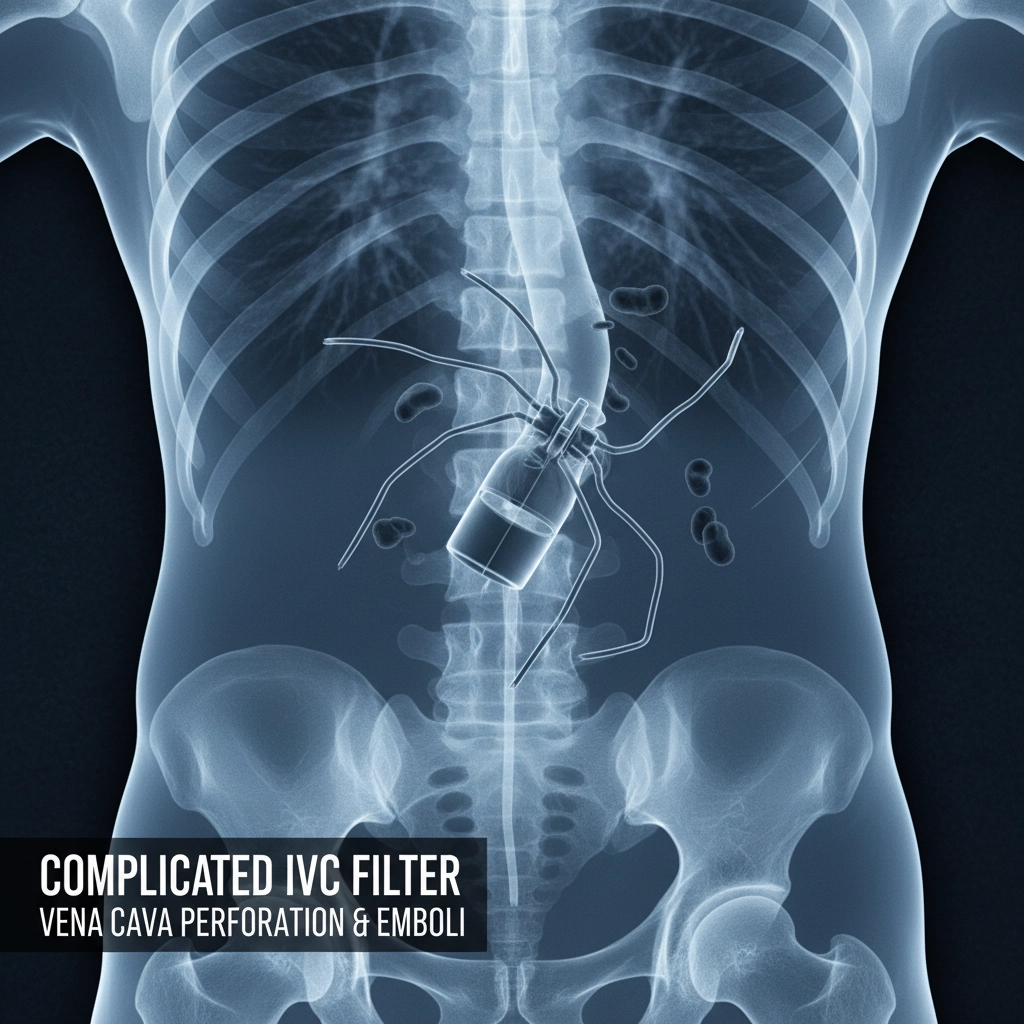
Inferior vena cava (IVC) filters are small medical devices implanted in the inferior vena cava, a large vein that carries blood from the lower body to the heart. These filters are designed to trap blood clots and prevent them from traveling to the lungs, where they can cause a pulmonary embolism. However, IVC filters have been associated with a range of complications, including filter migration, fracture, perforation of the vena cava, and difficulty removing the filter. In Canada, patients who have experienced these complications have filed class action lawsuits against the manufacturers of IVC filters, seeking compensation for their injuries and holding the companies accountable for their negligence.
Understanding IVC Filter Complications
IVC filters are intended to be temporary devices, removed once the risk of pulmonary embolism has passed. However, many filters are never removed, and the longer they remain in place, the greater the risk of complications. Filter migration occurs when the filter moves from its original position, potentially causing damage to nearby organs or blood vessels. Filter fracture can lead to pieces of the filter breaking off and traveling through the bloodstream, potentially causing serious injury. Perforation of the vena cava can result in internal bleeding and other life-threatening complications. Difficulty removing the filter can require complex and invasive procedures, further increasing the risk of complications.
Eligibility for an IVC Filter Class Action
To be eligible to join a Canadian class action lawsuit related to IVC filter complications, you typically need to meet certain criteria. This may include having had an IVC filter implanted, experiencing complications such as filter migration, fracture, perforation, or difficulty removing the filter, and having suffered injuries as a result of these complications. It is essential to consult with a qualified Canadian lawyer specializing in IVC filter class action lawsuits to determine if you meet the eligibility requirements. The lawyer will assess your case, review your medical records, and advise you on your legal options.
The Legal Process and Potential Compensation
If you are eligible to join an IVC filter class action lawsuit, the process generally involves completing a registration form and providing detailed information about your IVC filter, your medical history, and the complications you have experienced. Your lawyer will guide you through this process and ensure that all necessary documentation is gathered and submitted. It is important to act promptly, as there are often deadlines for joining a class action lawsuit. If a settlement is reached in the IVC filter class action lawsuit, the court will review the settlement terms to ensure they are fair and reasonable to the class members. If the settlement is approved, class members will be notified and given the opportunity to submit a claim for compensation. The amount of compensation you receive will depend on the severity of your injuries, the strength of your claim, and the terms of the settlement.
Supporting Patients and Promoting Device Safety
IVC filter complications can have a significant impact on your health and quality of life. Canadian class action lawsuits provide a legal avenue for seeking compensation and holding negligent manufacturers accountable. If you have experienced complications from an IVC filter, it is important to seek legal advice and explore your options. In addition to legal action, it is crucial to seek ongoing medical care and support from healthcare professionals. Patient advocacy groups can also provide valuable resources and emotional support for those affected by IVC filter complications. By pursuing legal action and raising awareness about the risks associated with IVC filters, patients can help to promote greater device safety and prevent future harm.
Conclusion: Justice for IVC Filter Victims
The complications associated with IVC filters can be devastating, leaving patients with serious health problems and significant emotional distress. Canadian class action lawsuits offer a pathway to justice for those who have been harmed by these devices, providing an opportunity to seek compensation for medical expenses, lost income, pain, and suffering. If you or a loved one has experienced complications from an IVC filter, it is important to seek legal counsel and understand your rights. By joining a class action lawsuit, you can not only seek compensation for your injuries but also contribute to holding manufacturers accountable and improving the safety of medical devices for all Canadians.
Cancer Risk Lawsuits: Pharma Accountability in Canada
Introduction to Pharmaceutical Cancer Risk
Certain pharmaceutical drugs, while intended to treat specific conditions, have been linked to an increased risk of developing cancer. This alarming connection has led to numerous lawsuits against pharmaceutical companies in Canada, alleging that these companies failed to adequately warn patients about the potential cancer risks associated with their products. These lawsuits seek to hold pharmaceutical companies accountable for their negligence and to provide compensation to individuals who have developed cancer as a result of taking these drugs. Understanding the landscape of cancer risk lawsuits in Canada is crucial for those who may have been affected by these dangerous medications.
Common Drugs Linked to Cancer Risk
Several drugs have been identified as potentially increasing the risk of certain types of cancer. Hormone replacement therapy (HRT), used to treat symptoms of menopause, has been linked to an increased risk of breast and ovarian cancer. Certain diabetes medications, such as pioglitazone, have been associated with an increased risk of bladder cancer. Some heartburn medications, particularly proton pump inhibitors (PPIs), have been linked to an increased risk of stomach cancer. It is important to be aware of the potential risks associated with any medication you are taking and to discuss these risks with your healthcare provider.
Establishing Causation in Cancer Lawsuits
One of the most challenging aspects of cancer risk lawsuits is establishing causation – proving that the drug in question directly caused the cancer. This requires expert medical testimony and scientific evidence to demonstrate a link between the drug and the development of the cancer. Pharmaceutical companies often argue that other factors, such as genetics, lifestyle, or environmental exposures, may have contributed to the cancer. However, if it can be shown that the drug significantly increased the risk of developing cancer, a successful lawsuit may be possible.
The Role of Pharmaceutical Companies
Pharmaceutical companies have a legal and ethical responsibility to ensure that their products are safe and effective and to adequately warn patients about any potential risks. This includes conducting thorough clinical trials, monitoring post-market safety data, and promptly updating warning labels when new risks are identified. When pharmaceutical companies fail to meet these obligations, they can be held liable for the harm caused by their products. Cancer risk lawsuits seek to hold these companies accountable for their negligence and to deter them from putting profits ahead of patient safety.
Legal Options and Compensation
If you have developed cancer after taking a medication that has been linked to an increased risk of cancer, you may have legal options. You can consult with a qualified Canadian lawyer specializing in pharmaceutical litigation to discuss your case and determine if you have grounds for a lawsuit. Potential compensation in a cancer risk lawsuit may include medical expenses, lost income, pain and suffering, and other damages related to the cancer. In some cases, punitive damages may also be awarded to punish the pharmaceutical company for egregious misconduct.
Conclusion: Protecting Patients from Cancer Risks
Cancer risk lawsuits play a vital role in protecting patients from the potential dangers of pharmaceutical drugs. By holding pharmaceutical companies accountable for their negligence and providing compensation to those who have been harmed, these lawsuits help to promote greater safety and transparency in the pharmaceutical industry. If you believe you have developed cancer as a result of taking a medication, it is important to seek legal advice and explore your options. By taking action, you can help to ensure that pharmaceutical companies prioritize patient safety and provide adequate warnings about the potential risks of their products.