
Introduction to COVID-19 Class Actions in Canada
The COVID-19 pandemic has had a profound impact on Canadian society, leading to widespread illness, economic disruption, and significant changes in daily life. In the wake of this unprecedented crisis, many individuals and businesses have sought legal recourse through class action lawsuits, alleging negligence, breach of contract, and other forms of misconduct related to the pandemic. These lawsuits aim to hold accountable those who may have contributed to the spread of the virus or otherwise caused harm, while also seeking compensation for the damages suffered by affected parties. Class actions provide a mechanism for individuals with similar grievances to collectively pursue legal action, increasing their chances of success and promoting judicial efficiency. This article will explore the various types of COVID-19 related class action lawsuits that have emerged in Canada, examining the legal issues involved, the challenges faced by plaintiffs, and the potential impact of these cases on Canadian law and society.

Outbreak Class Actions: Negligence in Facilities
One of the most prominent categories of COVID-19 class action lawsuits involves outbreaks in facilities such as long-term care homes, prisons, and hospitals. These lawsuits typically allege that the facilities failed to take adequate measures to prevent and control the spread of the virus, resulting in widespread illness and death. Plaintiffs in these cases often argue that the facilities were negligent in their duties of care, failing to implement proper infection control protocols, provide sufficient personal protective equipment (PPE) to staff, and adequately screen visitors and employees. The legal standard for negligence requires plaintiffs to prove that the defendant owed them a duty of care, that the defendant breached that duty, and that the breach caused them harm. In the context of COVID-19 outbreaks, this can be a complex undertaking, as it may be difficult to establish a direct causal link between the facility’s alleged negligence and the specific harm suffered by individuals. For example, plaintiffs may need to demonstrate that they contracted the virus as a direct result of the facility’s failure to implement proper infection control measures, rather than from some other source. Despite these challenges, a number of outbreak class actions have been filed across Canada, seeking compensation for the physical and emotional harm suffered by residents, patients, and their families. These cases raise important questions about the responsibilities of institutions to protect vulnerable populations from infectious diseases and the potential consequences of failing to meet those responsibilities.
Business Interruption Claims: COVID-19 Closures
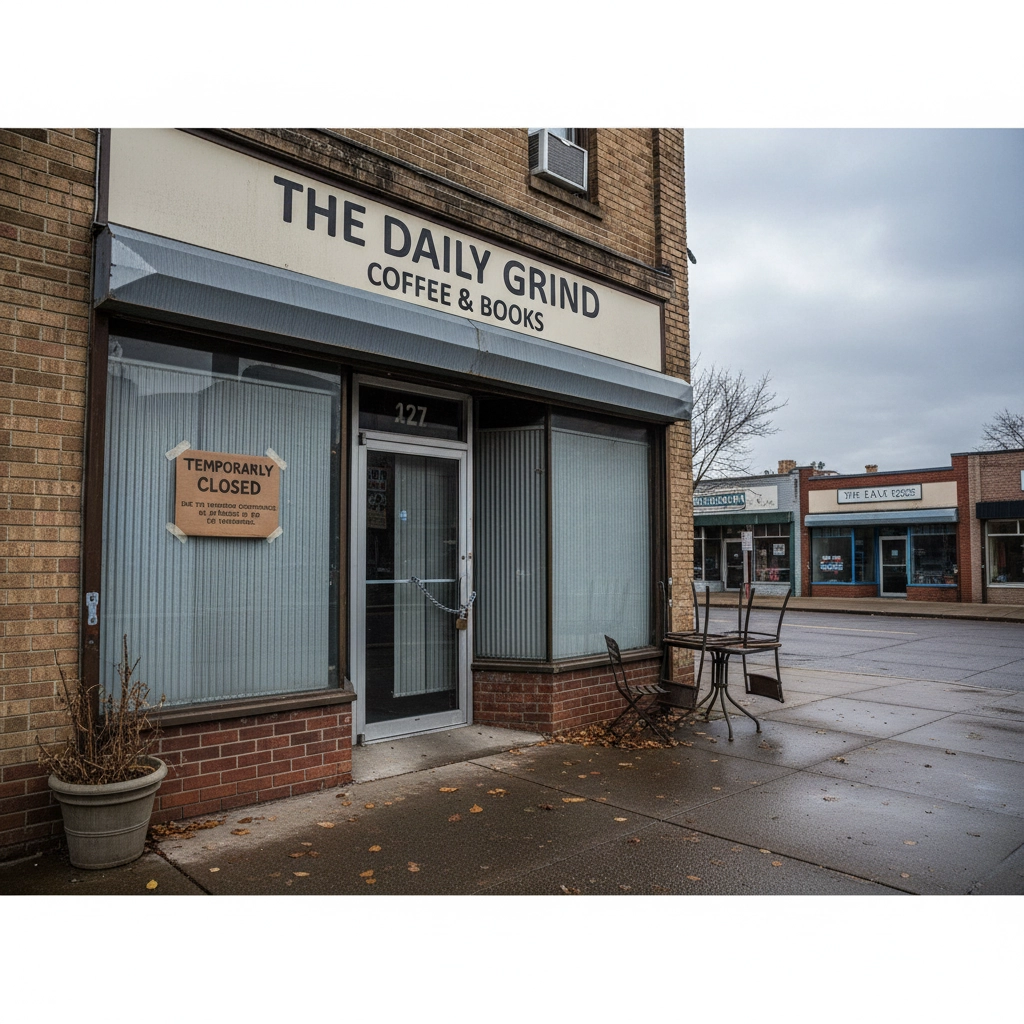
The COVID-19 pandemic has had a devastating impact on businesses across Canada, forcing many to close their doors temporarily or permanently. In response, some businesses have filed class action lawsuits against their insurance companies, seeking coverage for business interruption losses under their insurance policies. These lawsuits typically allege that the insurance companies wrongfully denied coverage for losses resulting from government-ordered shutdowns or other restrictions imposed to control the spread of the virus. The key legal issue in these cases is whether the business interruption policies provide coverage for losses caused by a pandemic. Many policies contain exclusions for losses caused by viruses or other infectious diseases, while others require physical damage to the insured property as a prerequisite for coverage. Insurance companies have generally argued that the pandemic does not constitute physical damage and that the virus exclusion applies, while businesses have argued that the government-ordered shutdowns were the direct cause of their losses and that the policies should be interpreted in their favor. The outcome of these cases could have significant financial implications for both businesses and insurance companies, and may ultimately shape the interpretation of business interruption policies in the context of future pandemics or other widespread crises.


Employment Class Actions: Protecting Worker Rights
The COVID-19 pandemic has also given rise to employment-related class action lawsuits, focusing on issues such as wrongful termination, unsafe working conditions, and discrimination. Some employees have alleged that they were unfairly dismissed or laid off due to the pandemic, while others have claimed that their employers failed to provide a safe working environment, exposing them to the risk of infection. In some cases, employees have also alleged discrimination based on their age, disability, or other protected characteristics, arguing that they were unfairly targeted for dismissal or denied accommodations due to their increased vulnerability to the virus. These lawsuits raise important questions about the rights and responsibilities of employers in the context of a public health crisis. Employers have a legal duty to provide a safe working environment for their employees, but they also have the right to make reasonable business decisions in response to changing economic conditions. The challenge for the courts is to balance these competing interests and determine whether employers have acted fairly and reasonably in their treatment of employees during the pandemic. Employment class actions can provide a valuable mechanism for protecting workers’ rights and ensuring that employers are held accountable for their actions.
Consumer Class Actions: Fighting COVID-19 Scams
The COVID-19 pandemic has created opportunities for fraudsters and scammers to exploit public fear and uncertainty, leading to a surge in consumer-related scams. These scams have taken many forms, including the sale of fake or ineffective COVID-19 treatments, the promotion of fraudulent investment schemes, and the impersonation of government agencies or healthcare providers to obtain personal information or money. In response, some consumers have filed class action lawsuits against companies or individuals allegedly involved in these fraudulent practices, seeking compensation for their losses and an end to the deceptive conduct. These lawsuits often allege violations of consumer protection laws, such as those prohibiting false advertising, deceptive marketing, and unfair business practices. To succeed in a consumer class action, plaintiffs must typically demonstrate that the defendant engaged in deceptive or misleading conduct, that the conduct caused them harm, and that there are a sufficient number of consumers who have suffered similar harm to justify a class action. Consumer class actions can be an effective tool for holding fraudsters accountable and protecting consumers from financial harm, particularly in the context of widespread scams that affect large numbers of people.

The Future of COVID-19 Class Actions in Canada
As the COVID-19 pandemic continues to evolve, so too will the legal landscape surrounding COVID-19 class action lawsuits in Canada. Many of these cases are still in their early stages, and it remains to be seen how the courts will ultimately resolve the complex legal issues involved. One key factor that will likely influence the outcome of these cases is the evolving understanding of the virus and its transmission. As scientists and public health officials learn more about COVID-19, the courts may be better equipped to assess the reasonableness of the measures taken by businesses, institutions, and individuals to prevent and control its spread. Another important factor is the potential for legislative or regulatory changes that could affect the legal landscape. For example, some provinces have enacted legislation to protect healthcare providers and other essential workers from liability for COVID-19 related claims, while others have introduced measures to strengthen consumer protection laws and combat fraud. As the pandemic recedes and life gradually returns to normal, the focus of COVID-19 class action lawsuits may shift from immediate issues such as outbreaks and business closures to longer-term consequences such as long COVID and the mental health impacts of the pandemic. It is likely that these cases will continue to play a significant role in shaping Canadian law and society for years to come, raising important questions about accountability, responsibility, and the balance between individual rights and public health.
Conclusion: Seeking Justice and Accountability
COVID-19 class action lawsuits in Canada represent a multifaceted legal response to the challenges and disruptions caused by the pandemic. From holding negligent facilities accountable for outbreaks to seeking compensation for business interruption losses and protecting workers’ rights, these lawsuits aim to address a wide range of grievances and ensure that those who have suffered harm as a result of the pandemic have access to justice. While these cases present numerous legal and factual complexities, they also offer an opportunity to clarify legal standards, promote responsible behavior, and provide redress for those who have been wronged. As the legal battles evolve, it is crucial to monitor the outcomes of these cases and their potential impact on Canadian law and society. The pursuit of justice and accountability through COVID-19 class actions will undoubtedly shape the legal landscape and contribute to a more resilient and equitable future.