
Introduction to Land Rights Class Actions
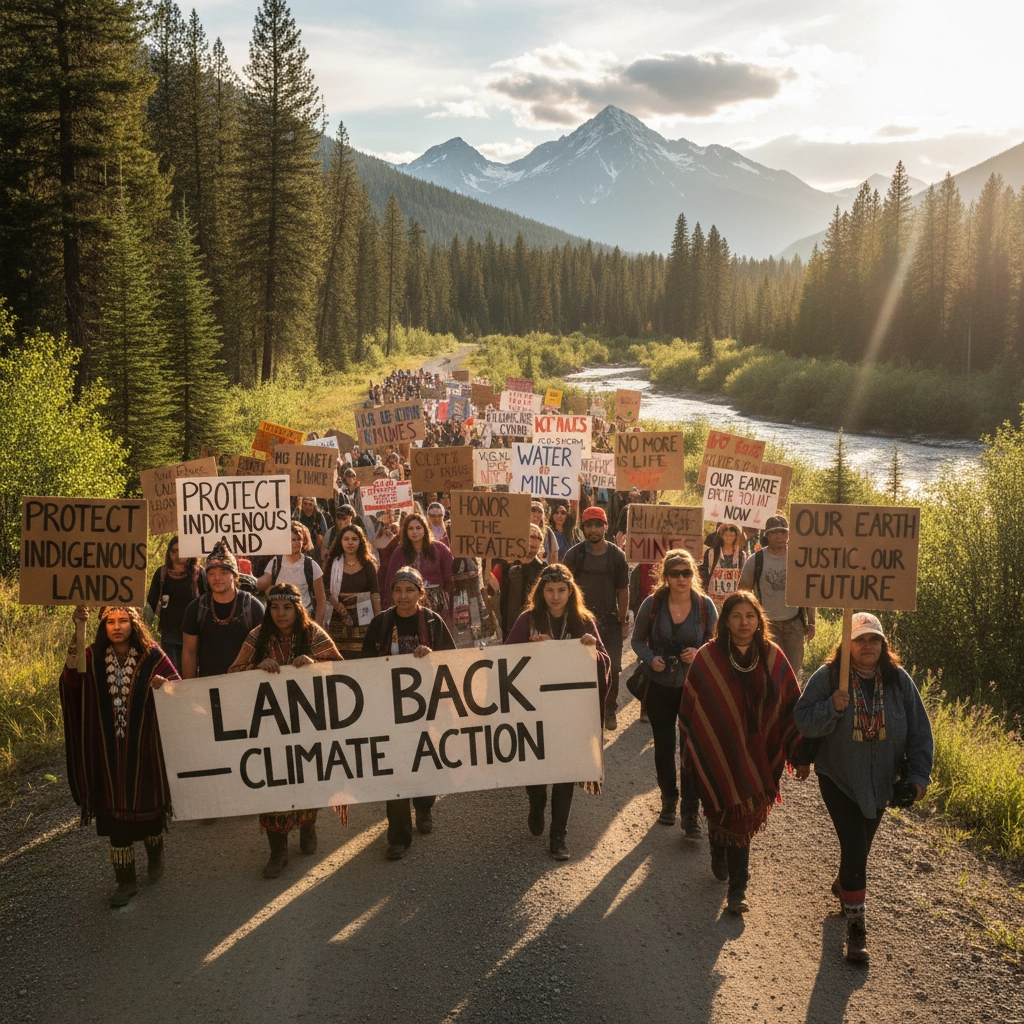
Class action lawsuits have become an increasingly important tool for addressing complex legal claims involving land rights and resource disputes in Canada, particularly those affecting Indigenous communities. These disputes often involve historical grievances, treaty rights, environmental concerns, and economic interests, making them well-suited for class action proceedings. The inherent nature of class actions allows numerous individuals or communities with similar claims to consolidate their cases, share resources, and pursue justice collectively, thereby leveling the playing field against powerful corporations or government entities. Class actions provide a mechanism for addressing these widespread issues This approach can be particularly beneficial when dealing with systemic issues that impact a large group of people sharing similar experiences and damages. The ability to aggregate claims not only makes litigation more efficient but also more accessible for those who may not have the individual means to pursue legal action.

The Legal Framework for Class Actions in Canada
The legal framework governing class actions in Canada is primarily established at the provincial level, although there are efforts to harmonize procedures across jurisdictions. Each province has its own Class Proceedings Act or equivalent legislation that sets out the criteria for certification, the process for managing the class action, and the mechanisms for distributing settlements or judgments. Generally, a class action must meet several key requirements to be certified by the court. These include demonstrating a common issue among the class members, identifying a representative plaintiff who can adequately represent the interests of the class, establishing a preferable procedure for resolving the claims as a class action compared to individual lawsuits, and demonstrating a reasonable cause of action. In land rights and resource disputes, proving these elements can be complex, often requiring extensive historical research, expert evidence, and a deep understanding of Indigenous legal traditions and treaty rights. Courts also consider factors such as the efficiency and fairness of proceeding as a class action, as well as the potential for the litigation to advance access to justice. The certification process is a critical stage in the litigation, as it determines whether the case can proceed as a class action, thereby impacting the scope and potential resolution of the dispute.
Land Rights and Treaty Claims
One of the most significant areas where class actions are utilized in Canada involves land rights and treaty claims by Indigenous communities. These claims often stem from historical grievances related to the taking of Indigenous lands, the violation of treaty promises, and the failure to adequately compensate Indigenous peoples for the use of their resources. Class actions provide a mechanism for addressing these systemic injustices by allowing affected communities to collectively assert their rights and seek redress for past wrongs. These cases often involve complex legal and factual issues, including the interpretation of historical treaties, the assessment of damages for lost land and resources, and the recognition of Indigenous title. Proving these claims requires a combination of oral histories, archival research, expert testimony, and legal analysis. Successful class actions in this area can result in significant financial compensation, the return of land, or the implementation of policies that better protect Indigenous rights and interests. These lawsuits can empower Indigenous communities The use of class actions in these contexts reflects a broader recognition of the importance of addressing historical injustices and promoting reconciliation with Indigenous peoples.

Resource Development and Environmental Impacts
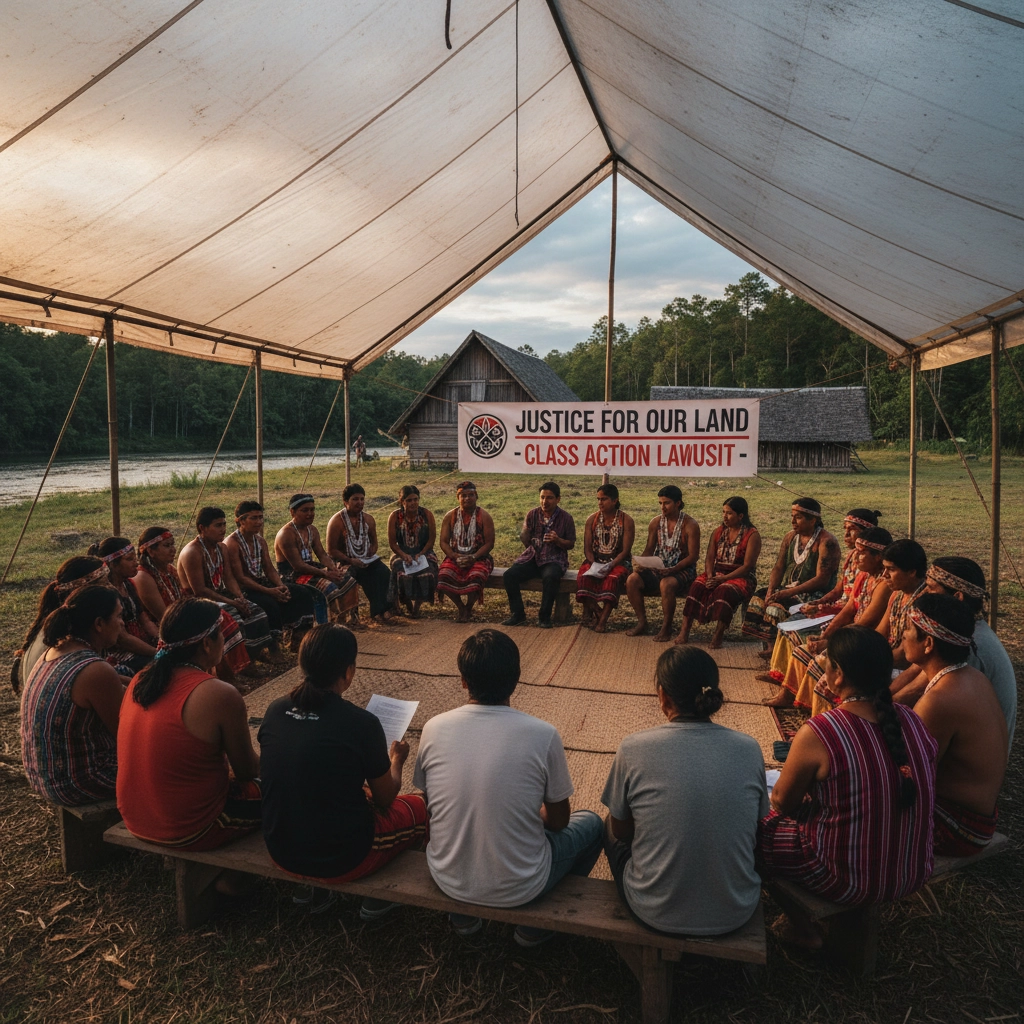
Another area where class actions are increasingly common is in disputes arising from resource development projects and their environmental impacts on Indigenous and non-Indigenous communities alike. These projects, which may include mining, forestry, oil and gas extraction, and hydroelectric development, can have significant environmental and social consequences, such as pollution, habitat destruction, and disruption of traditional ways of life. Class actions provide a means for affected communities to hold companies and governments accountable for these impacts and seek compensation for damages. To succeed in these cases, plaintiffs must demonstrate a causal link between the resource development project and the harm suffered by the class members. This often involves complex scientific evidence, including environmental assessments, health studies, and expert testimony. Courts also consider factors such as the reasonableness of the company’s actions, the adequacy of government regulation, and the potential for environmental remediation. Class actions in this area can lead to significant changes in environmental practices, increased regulatory oversight, and greater community involvement in resource development decisions.
Challenges and Considerations in Pursuing Class Actions
Pursuing class action claims in Canada, particularly in the context of land rights and resource disputes, presents numerous challenges and considerations. One of the primary challenges is the complexity of the legal and factual issues involved, which often require extensive research, expert evidence, and a deep understanding of Indigenous legal traditions and treaty rights. Another challenge is the cost of litigation, which can be substantial, particularly in complex cases involving multiple parties and extensive discovery. Plaintiffs must also overcome potential hurdles related to class certification, such as demonstrating a common issue among the class members and establishing a preferable procedure for resolving the claims as a class action. Furthermore, there may be challenges in identifying and notifying all potential class members, particularly in remote or isolated communities. Despite these challenges, class actions remain an important tool for promoting access to justice and holding powerful entities accountable for their actions. Careful planning, strategic decision-making, and collaboration among legal counsel, community leaders, and experts are essential for successfully pursuing these types of claims. Navigating the legal complexities of Indigenous class action litigation


Conclusion: The Role of Class Actions in Advancing Justice
In conclusion, class action lawsuits play a crucial role in addressing land rights and resource disputes in Canada, particularly those affecting Indigenous communities. These actions provide a mechanism for consolidating numerous individual claims, sharing resources, and pursuing justice collectively. They enable affected communities to hold corporations and governments accountable for historical injustices, environmental damages, and violations of treaty rights. While pursuing these claims presents numerous challenges, including legal complexity, high costs, and potential hurdles to certification, class actions remain an essential tool for promoting access to justice and advancing reconciliation. As awareness of Indigenous rights and environmental concerns continues to grow, the importance of class actions in this area is likely to increase, offering a pathway towards a more just and equitable future for all Canadians.