



Understanding Class Action Timelines
Class action lawsuits in Canada are complex legal proceedings that can take a considerable amount of time to resolve. Unlike individual lawsuits, class actions involve numerous plaintiffs with similar claims against a common defendant. This complexity, coupled with the procedural requirements and court oversight, contributes to the lengthy duration of these cases. It’s important for individuals considering participating in a class action to have a realistic understanding of the potential timeline involved. The length of time can vary significantly depending on factors such as the complexity of the case, the number of plaintiffs, the nature of the claims, and the jurisdiction in which the lawsuit is filed. Understanding these factors is crucial for managing expectations and making informed decisions about participating in a class action. The duration can depend on various aspects factors influencing the speed.

Initiating the Lawsuit and Certification
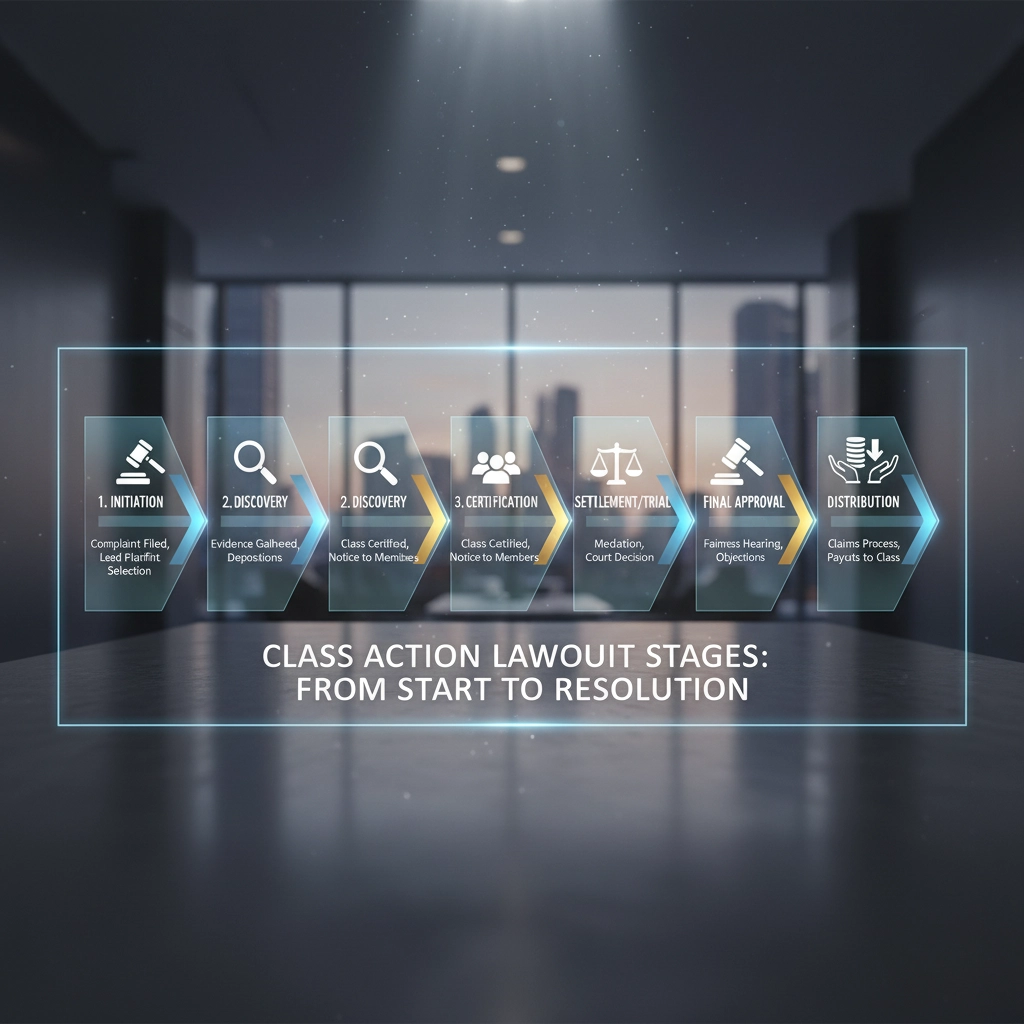
The first stage in a class action lawsuit is the commencement of the action and the motion for certification. A representative plaintiff initiates the lawsuit by filing a statement of claim. This document outlines the factual and legal basis for the claims against the defendant. Once the lawsuit is filed, the representative plaintiff must bring a motion for certification. This is a critical step in the process, as the court must determine whether the case meets the requirements for a class action. The certification motion typically involves extensive legal arguments and evidence presented by both the plaintiff and the defendant. The court will consider factors such as whether there is an identifiable class of persons, whether the claims of the class members raise common issues, whether a class action is the preferable procedure for resolving the claims, and whether the representative plaintiff can adequately represent the interests of the class. The certification process can take several months or even years, depending on the complexity of the case and the court’s schedule. If the court grants certification, the lawsuit can proceed as a class action. If certification is denied, the lawsuit may be dismissed or proceed only as an individual action for the representative plaintiff. Knowing the key stages and their timelines can set expectations.
Notice to Class Members
Once a class action is certified, notice must be provided to the class members. This notice informs potential class members about the existence of the lawsuit, the nature of the claims, their rights to participate in or opt out of the class action, and the potential for recovery. The notice must be reasonably disseminated to reach as many class members as possible. The method of notice can vary depending on the circumstances of the case and may include direct mail, email, newspaper advertisements, and online postings. The court must approve the content and method of the notice to ensure that it is fair, accurate, and understandable. Class members are typically given a period of time to decide whether to participate in the class action or to opt out. Those who opt out are not bound by the outcome of the class action and are free to pursue their own individual lawsuits. The notice period can range from a few weeks to several months, depending on the size and geographic dispersion of the class.


Discovery and Pre-Trial Procedures
After the notice period has expired, the parties will engage in discovery, a process of gathering evidence and information relevant to the case. Discovery can involve document production, interrogatories (written questions), and examinations for discovery (oral depositions). The discovery process can be time-consuming and expensive, as the parties may need to review and analyze a large volume of documents and information. In addition to discovery, the parties may also engage in other pre-trial procedures, such as motions for summary judgment or motions to strike certain claims or defenses. These motions can help to narrow the issues in dispute and potentially resolve the case before trial. The pre-trial phase can last for several months or even years, depending on the complexity of the case and the level of cooperation between the parties.
Settlement Negotiations or Trial
Following discovery and pre-trial procedures, the parties may engage in settlement negotiations in an attempt to resolve the case without going to trial. Settlement negotiations can take place at any time during the litigation process, but they are often more productive after the parties have had an opportunity to exchange information and assess the strengths and weaknesses of their respective cases. If the parties reach a settlement agreement, the agreement must be approved by the court to ensure that it is fair, reasonable, and in the best interests of the class members. The court will consider factors such as the strength of the plaintiffs’ case, the amount of the settlement, the complexity of the claims, and the opinions of class counsel and class members. If the court approves the settlement, notice will be given to the class members, who will have an opportunity to object to the settlement. If the parties are unable to reach a settlement agreement, the case will proceed to trial. A trial can be a lengthy and expensive process, as the parties must present evidence and legal arguments to the court. The trial may last for several weeks or even months, depending on the complexity of the case.


Distribution of Settlement Funds and Appeals
If a settlement is reached and approved by the court, or if the plaintiffs prevail at trial, a plan of distribution must be developed to allocate the settlement funds or damages to the class members. The plan of distribution must be fair, reasonable, and based on the nature and extent of each class member’s claim. The distribution process can take several months or even years, as it may involve verifying the claims of thousands or even millions of class members. Once the distribution is complete, the class action lawsuit is typically concluded. It’s important to note that either party can appeal a decision made by the court. Appeals can further extend the timeline of the case. The appeals process can take several months or even years, depending on the court’s schedule and the complexity of the legal issues involved. It is important to remember that common causes for delays can greatly impact the overall duration.
In conclusion, the duration of a class action lawsuit in Canada is highly variable and depends on numerous factors. From the initial filing of the lawsuit to the final distribution of settlement funds, the process can take anywhere from a few years to a decade or more. Understanding the different stages of the process and the potential delays that can occur is essential for anyone considering participating in a class action. While the timeline may seem daunting, the potential benefits of participating in a class action, such as recovering compensation for harm suffered and holding wrongdoers accountable, can make it a worthwhile endeavor.