


Introduction to AI in Manufacturing
Artificial intelligence (AI) is rapidly transforming the manufacturing landscape, offering unprecedented opportunities to enhance efficiency, reduce costs, and improve product quality. By implementing AI-driven automation, manufacturers can optimize processes, predict equipment failures, and personalize products to meet customer demands. This technological shift marks a significant departure from traditional manufacturing methods, ushering in an era of smart factories and intelligent production systems. The integration of AI is no longer a futuristic concept but a present-day reality, driving competitive advantage and shaping the future of the industry. Embracing AI-driven automation requires a strategic approach, careful planning, and a commitment to continuous learning and adaptation. Discover how AI is transforming healthcare.
Understanding the Benefits of AI Automation
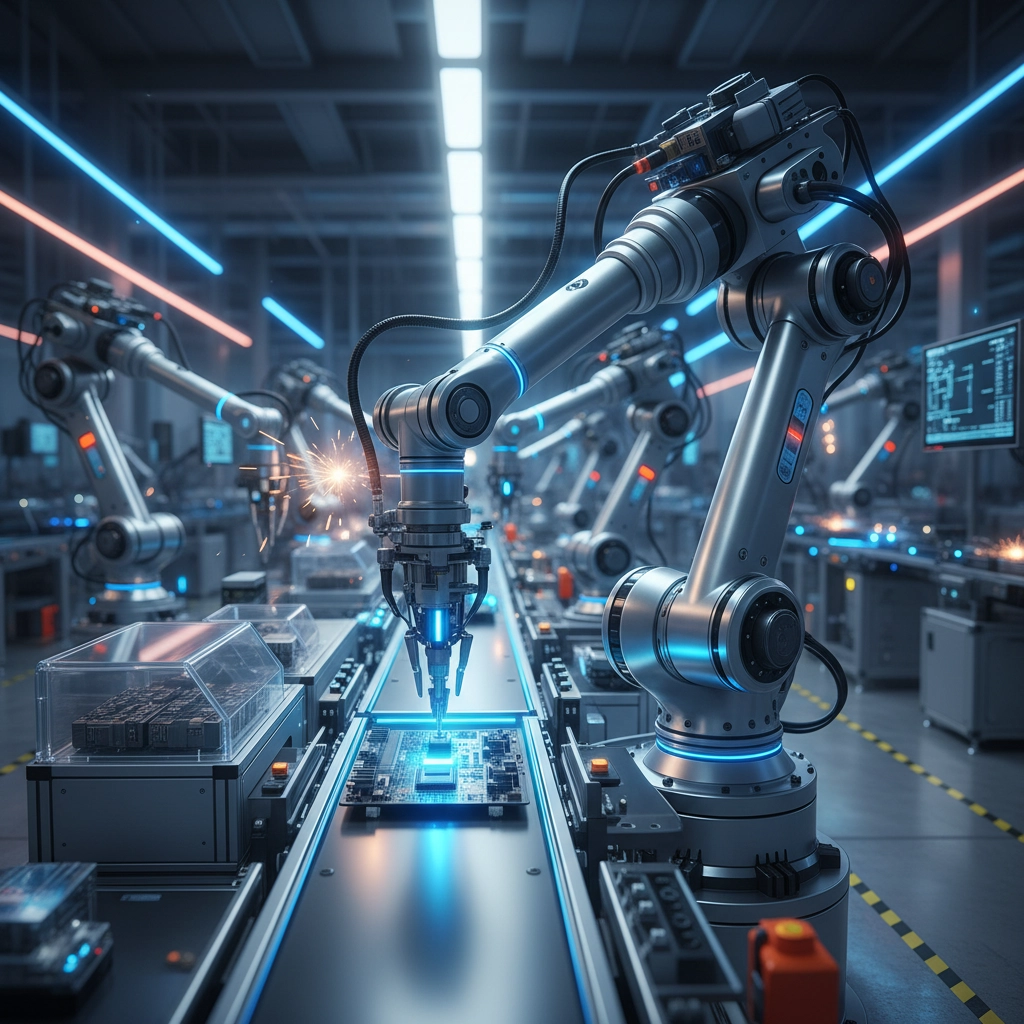
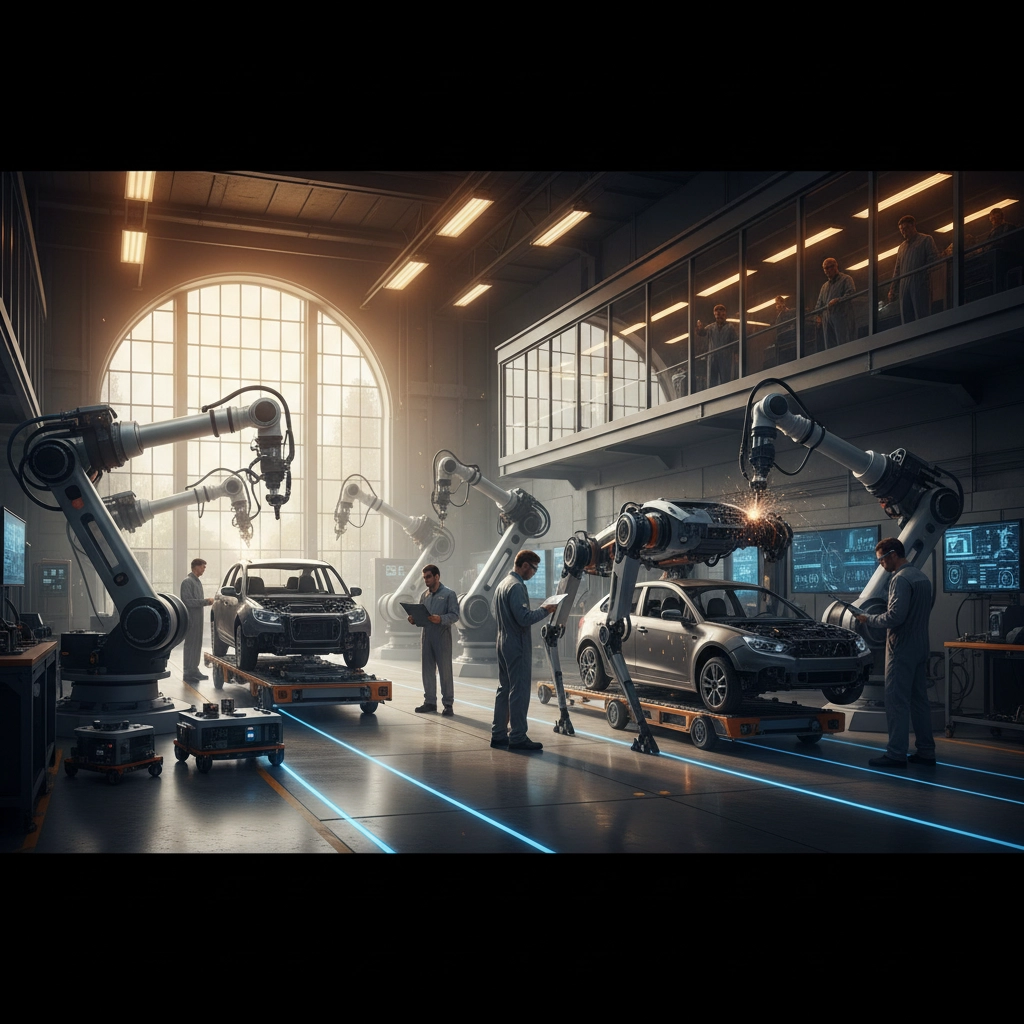
The benefits of AI automation in manufacturing are multifaceted and far-reaching. One of the primary advantages is increased efficiency. AI algorithms can analyze vast amounts of data to identify bottlenecks, optimize workflows, and streamline operations. This leads to faster production cycles, reduced lead times, and improved throughput. Moreover, AI-powered robots and machines can perform repetitive tasks with greater precision and speed than human workers, minimizing errors and enhancing overall productivity. Another significant benefit is cost reduction. By automating tasks, manufacturers can reduce labor costs, minimize waste, and optimize resource utilization. AI can also predict equipment failures, allowing for proactive maintenance and preventing costly downtime. Improved product quality is another key advantage. AI-driven quality control systems can detect defects early in the production process, ensuring that only high-quality products reach the market. Furthermore, AI enables personalized manufacturing, allowing companies to tailor products to meet the specific needs of individual customers. This level of customization can drive customer satisfaction and loyalty, providing a competitive edge in the market. Learn more about AI's potential to improve patient outcomes.
Predictive Maintenance and Reduced Downtime
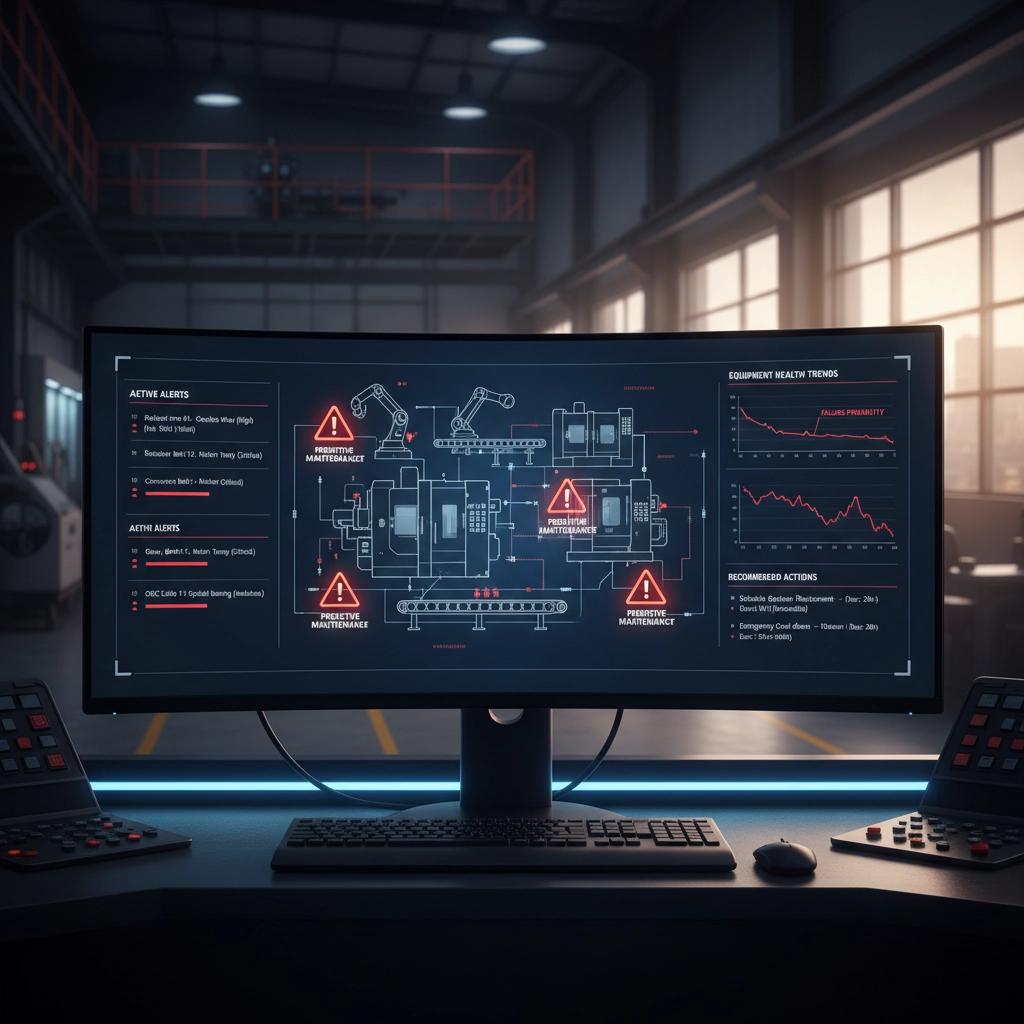
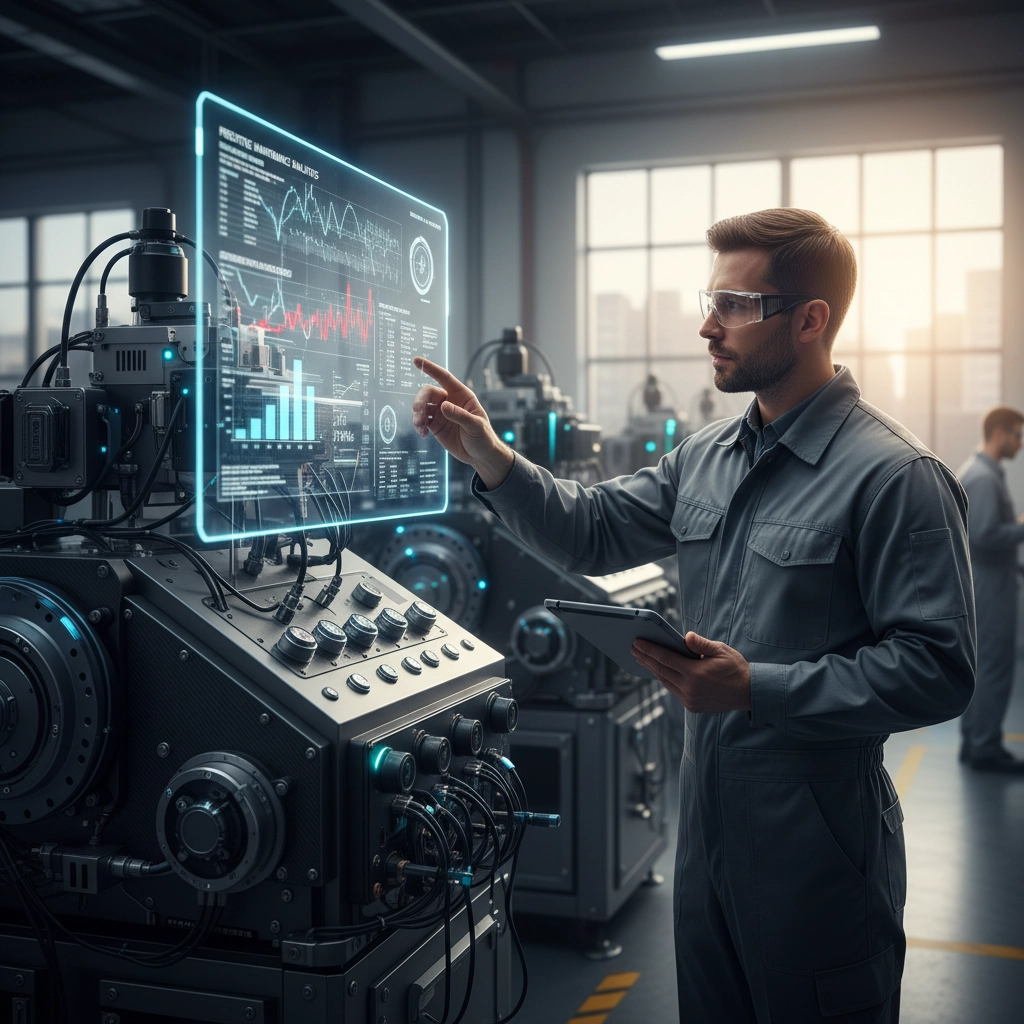
One of the most impactful applications of AI in manufacturing is predictive maintenance. Traditional maintenance approaches often involve either scheduled maintenance, which may be unnecessary, or reactive maintenance, which can lead to unexpected downtime and costly repairs. AI-powered predictive maintenance uses machine learning algorithms to analyze sensor data from equipment and predict when a failure is likely to occur. This allows manufacturers to perform maintenance only when it is needed, minimizing downtime and extending the lifespan of equipment. Predictive maintenance can also optimize maintenance schedules, ensuring that resources are allocated efficiently. By identifying potential problems before they occur, manufacturers can avoid catastrophic failures and maintain smooth operations. The implementation of predictive maintenance systems typically involves installing sensors on equipment to collect data, developing machine learning models to analyze the data, and integrating the models with maintenance management systems. This requires a combination of technical expertise and domain knowledge, but the benefits can be substantial.
Quality Control and Defect Detection
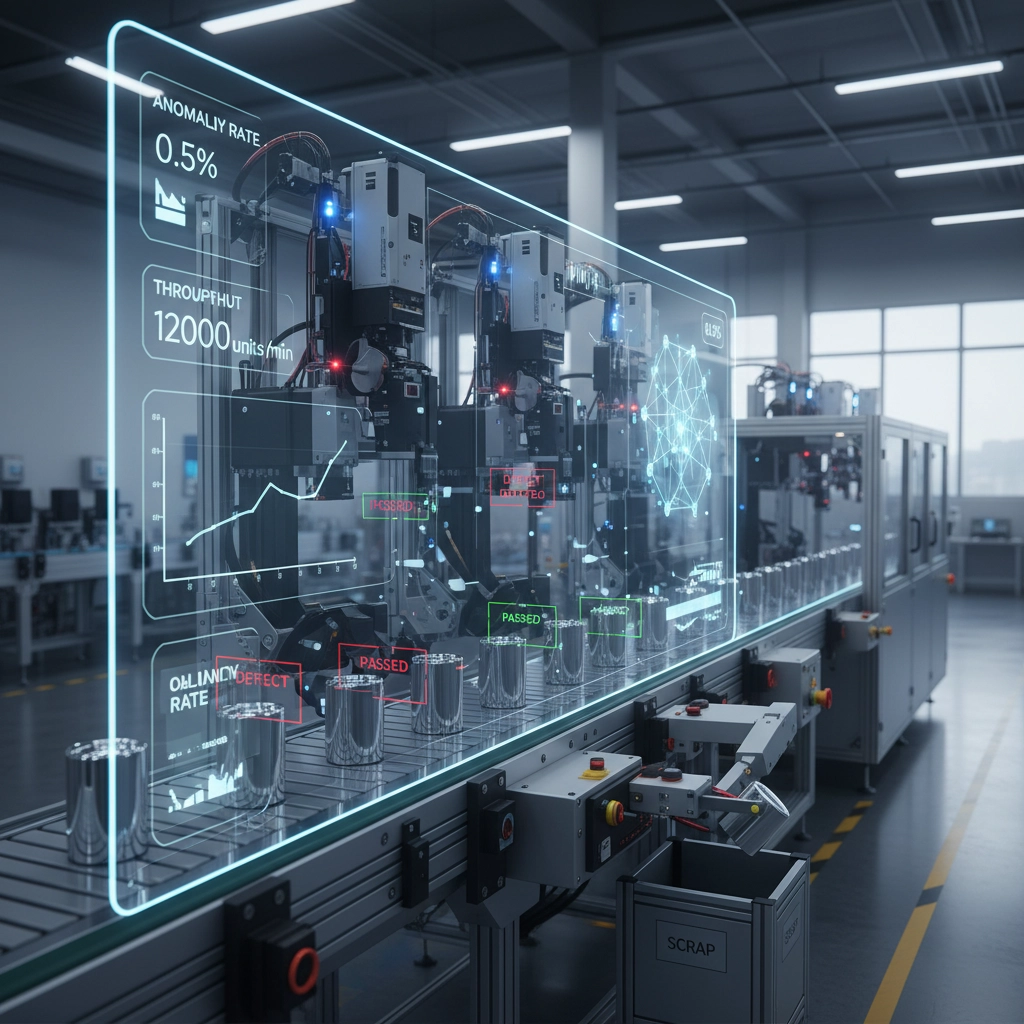
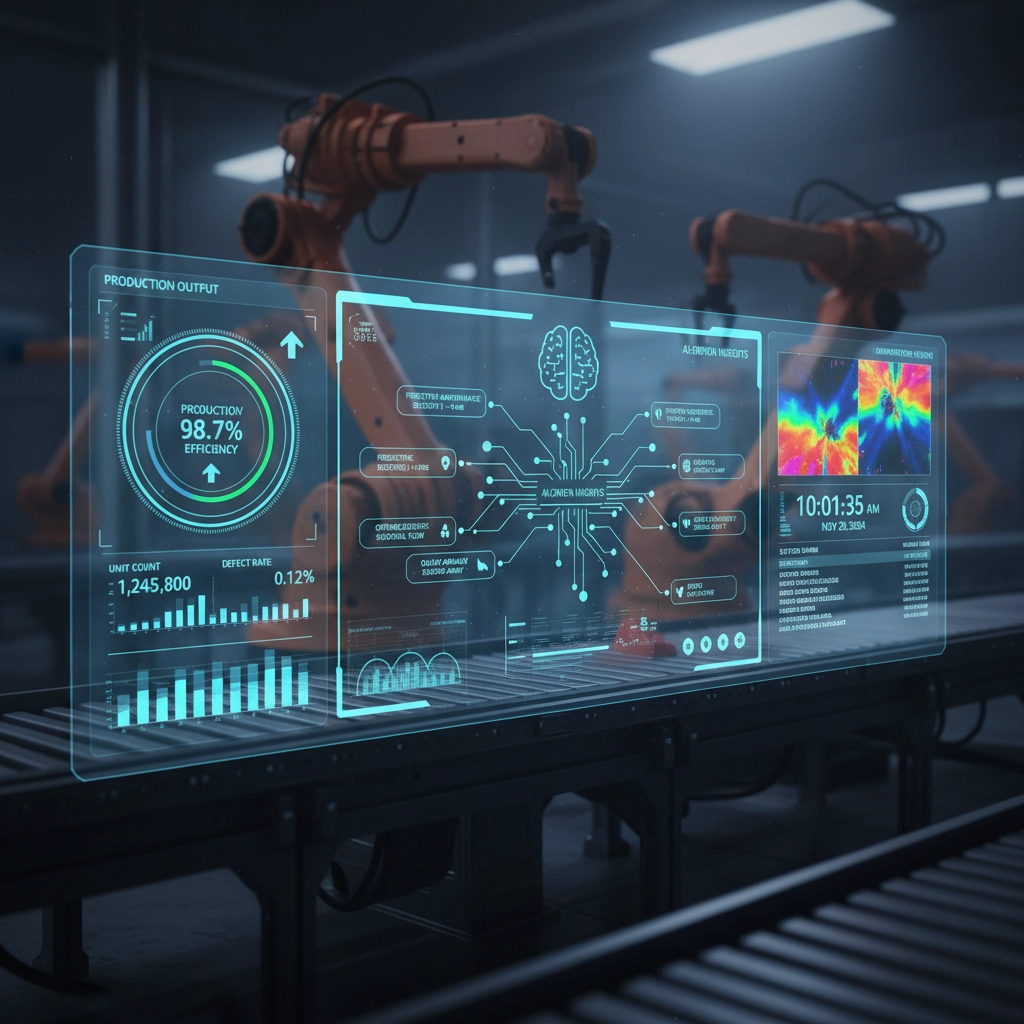
AI is revolutionizing quality control in manufacturing by enabling automated defect detection. Traditional quality control methods often rely on manual inspection, which can be time-consuming, subjective, and prone to errors. AI-powered quality control systems use computer vision and machine learning to automatically inspect products for defects. These systems can detect even the smallest imperfections, ensuring that only high-quality products pass through the production line. AI-driven quality control can significantly reduce the number of defective products that reach customers, enhancing customer satisfaction and reducing warranty costs. The implementation of AI-based quality control systems typically involves training machine learning models on large datasets of images or sensor data. These models can then be used to automatically identify defects in real-time. The use of AI in quality control can also provide valuable insights into the causes of defects, allowing manufacturers to address the root causes and prevent future occurrences. The ability to detect anomalies is also crucial in healthcare, where AI is enabling faster and more accurate detection of diseases.
Optimizing Production Processes with AI Analytics
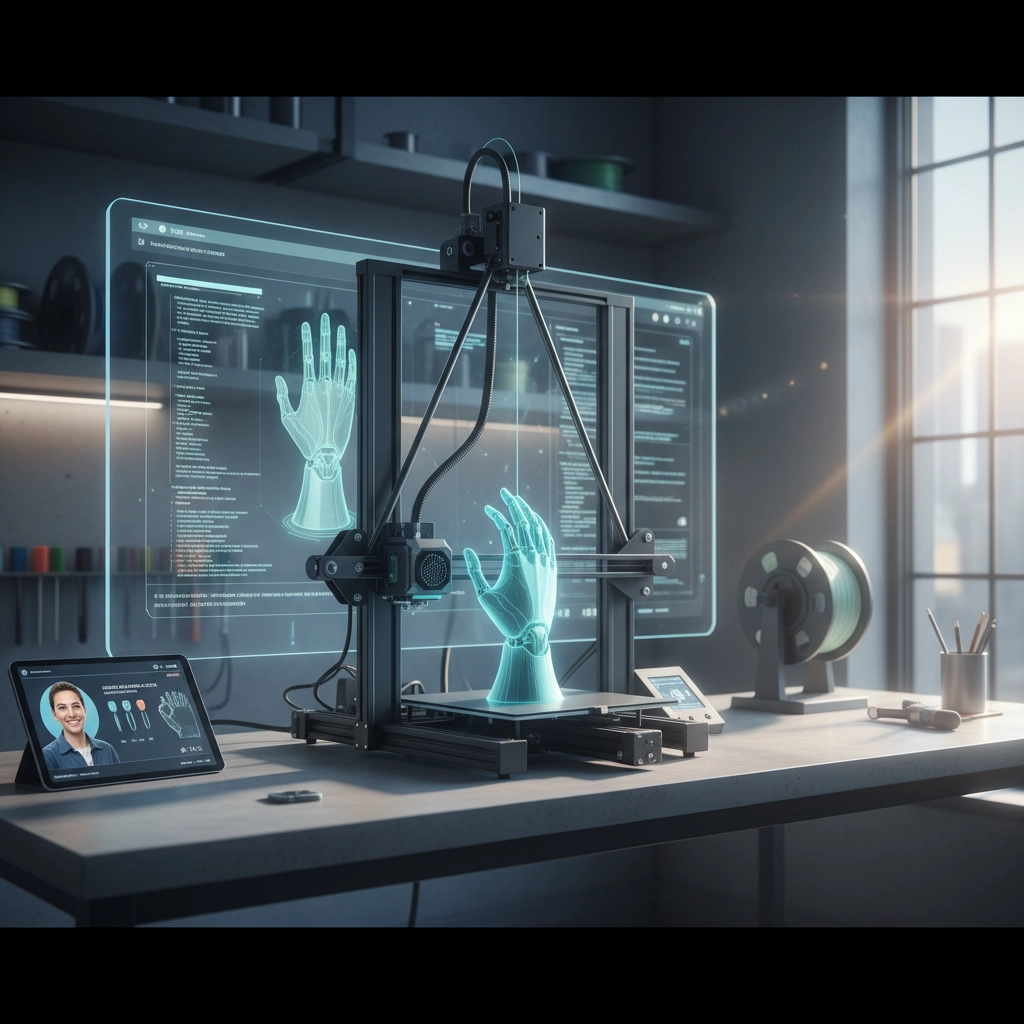
AI analytics plays a crucial role in optimizing production processes by providing insights into performance, efficiency, and bottlenecks. AI algorithms can analyze data from various sources, such as production machines, sensors, and enterprise resource planning (ERP) systems, to identify patterns and trends. This information can be used to optimize workflows, reduce waste, and improve overall productivity. For example, AI analytics can identify areas where production is slow or inefficient, allowing manufacturers to implement targeted improvements. AI can also be used to optimize inventory management, ensuring that the right materials are available at the right time. By analyzing demand patterns and supply chain data, AI can predict future material needs and prevent stockouts or overstocking. Furthermore, AI can optimize production schedules, taking into account factors such as machine availability, material constraints, and customer demand. This can lead to more efficient use of resources and faster order fulfillment.
Challenges and Considerations for AI Implementation
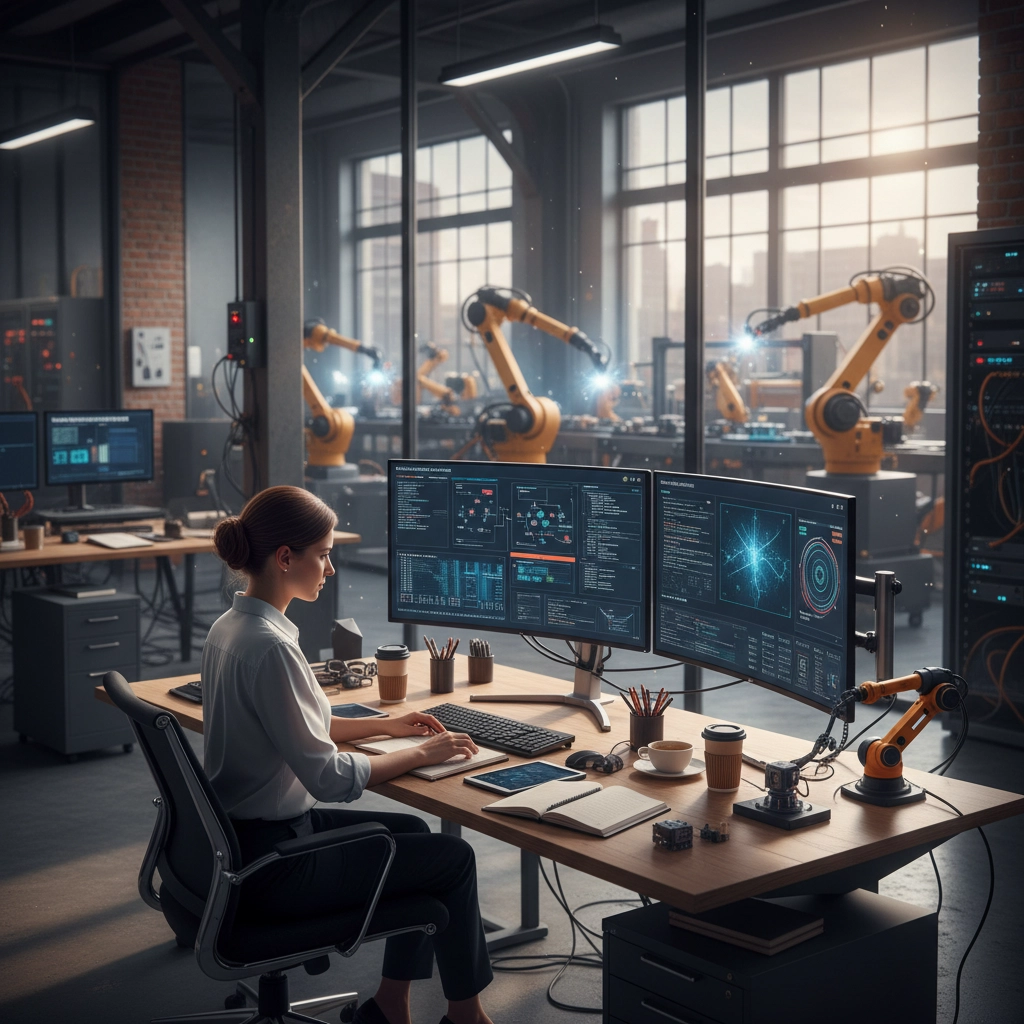
While the benefits of AI in manufacturing are significant, there are also several challenges and considerations that manufacturers need to address when implementing AI solutions. One of the main challenges is data quality. AI algorithms require large amounts of high-quality data to train effectively. If the data is incomplete, inaccurate, or inconsistent, the performance of the AI system will be compromised. Therefore, manufacturers need to invest in data collection, cleaning, and management processes to ensure that the data is reliable. Another challenge is the lack of skilled personnel. Implementing and maintaining AI systems requires expertise in areas such as data science, machine learning, and software engineering. Manufacturers may need to hire new employees or train existing employees to develop the necessary skills. Furthermore, manufacturers need to consider the ethical implications of AI. AI systems can make decisions that have a significant impact on workers and customers. It is important to ensure that AI systems are fair, transparent, and accountable. This requires careful consideration of the design and implementation of AI systems, as well as the development of appropriate policies and procedures. Security is another important consideration. AI systems can be vulnerable to cyberattacks, which could compromise sensitive data or disrupt production processes. Manufacturers need to implement robust security measures to protect AI systems from unauthorized access.
Conclusion: Embracing the Future of Manufacturing with AI
In conclusion, AI-driven automation is transforming the manufacturing industry, offering unprecedented opportunities to enhance efficiency, reduce costs, and improve product quality. By implementing AI solutions such as predictive maintenance, quality control, and production optimization, manufacturers can gain a competitive edge and drive business growth. While there are challenges and considerations to address, the potential benefits of AI are too significant to ignore. Manufacturers that embrace AI and invest in the necessary infrastructure and skills will be well-positioned to succeed in the future of manufacturing. The journey towards AI-driven manufacturing requires a strategic approach, a commitment to continuous learning, and a willingness to adapt to new technologies. As AI continues to evolve, manufacturers must stay informed about the latest developments and explore new ways to leverage AI to improve their operations. Like healthcare, manufacturing is seeing vast and varied applications of AI.