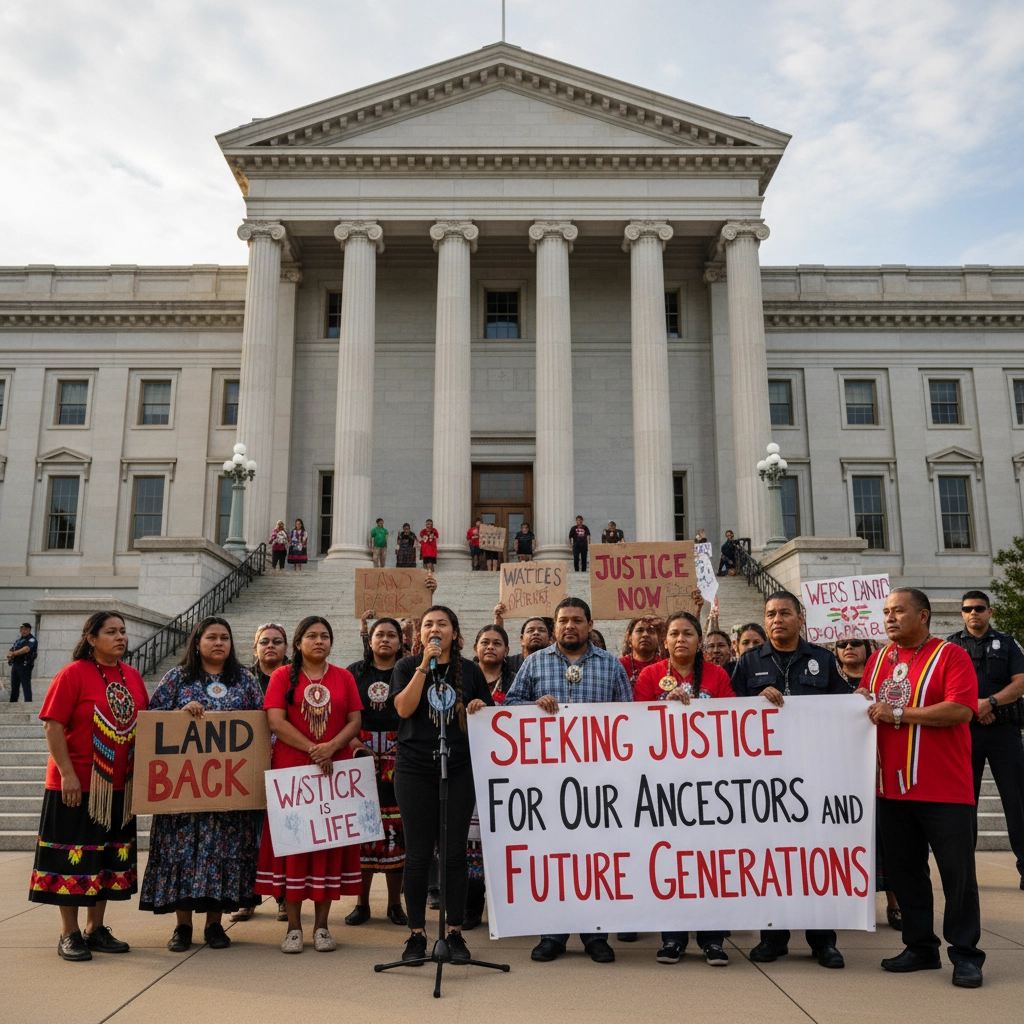
Historical injustices have profoundly impacted Indigenous communities across Canada, leading to systemic disadvantages in areas such as healthcare, education, and economic opportunity. Class action lawsuits have emerged as a crucial legal mechanism for these communities to seek redress for past wrongs, hold responsible parties accountable, and pave the way for reconciliation. This approach allows numerous individuals with similar grievances to unite and pursue justice collectively, amplifying their voices and increasing their chances of achieving meaningful outcomes. These lawsuits often address widespread harms stemming from government policies, institutional practices, and corporate actions that have disproportionately affected Indigenous peoples.

Historical Grievances and Legal Avenues
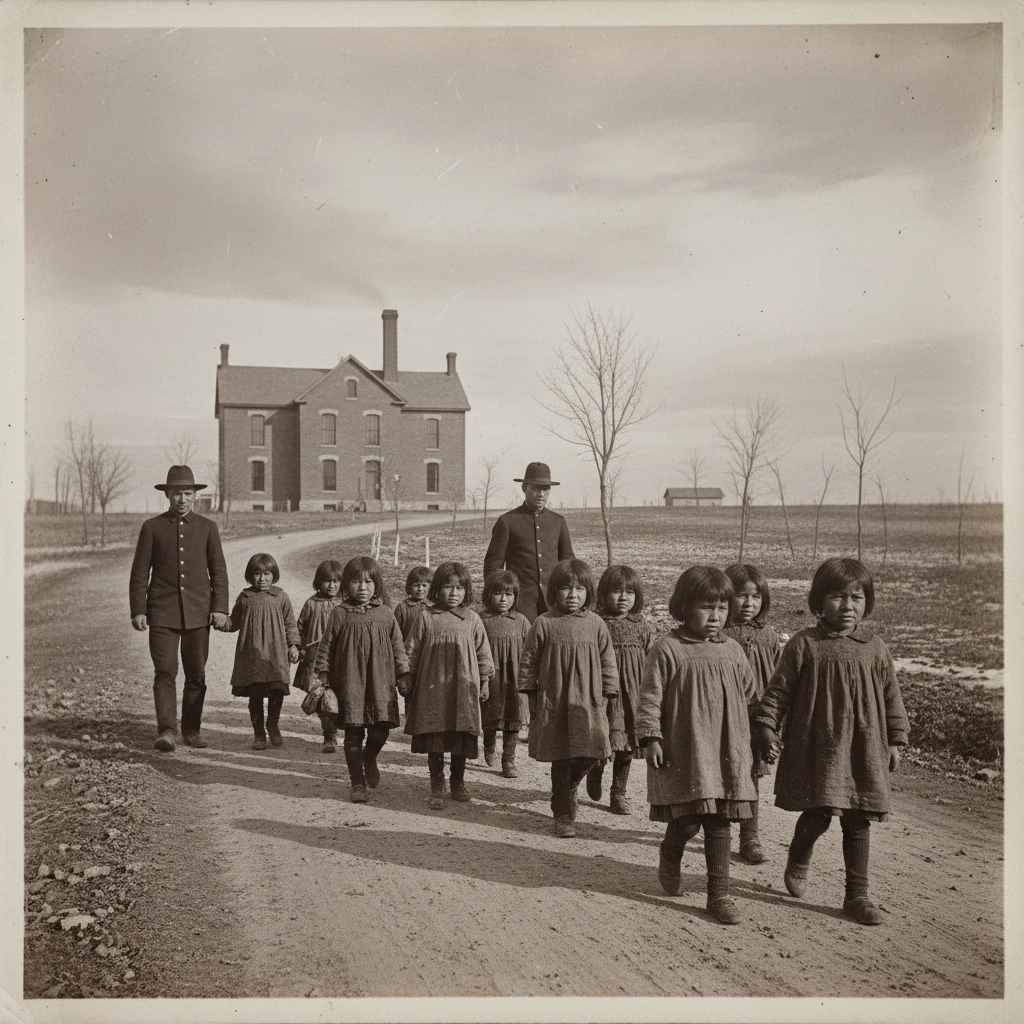
Indigenous communities in Canada have endured a long history of colonization, displacement, and cultural suppression, resulting in deep-seated grievances that continue to affect their well-being today. The residential school system, for instance, forcibly separated children from their families and subjected them to abuse and cultural assimilation, leaving a legacy of trauma and intergenerational harm. Similarly, discriminatory policies and practices in areas such as healthcare, child welfare, and resource management have created significant disparities between Indigenous and non-Indigenous populations. Class action lawsuits provide a legal avenue for addressing these systemic issues, allowing Indigenous communities to seek compensation for the harms they have suffered and to demand changes in policies and practices that perpetuate inequality. These legal actions often involve complex historical evidence, expert testimony, and legal arguments aimed at demonstrating the extent of the damages and establishing liability on the part of the responsible parties, which can include the federal government, provincial governments, churches, and corporations.
The Power of Collective Action
Class action lawsuits offer a powerful tool for Indigenous communities to pursue justice collectively, overcoming the barriers that individual plaintiffs often face in accessing the legal system. By pooling resources and sharing legal representation, class members can leverage their collective strength to challenge powerful institutions and achieve meaningful outcomes. This approach is particularly important in cases involving historical injustices, where the evidence may be scattered, witnesses may be difficult to locate, and the legal issues may be complex. Class actions also allow for the efficient resolution of similar claims, avoiding the need for numerous individual lawsuits that would strain the resources of both the courts and the plaintiffs. Furthermore, the publicity surrounding class action lawsuits can raise public awareness of the issues facing Indigenous communities and promote a broader understanding of the historical context and ongoing impacts of colonization. You can read more about seeking justice in Canadian courts.

Residential School Litigation and its Aftermath
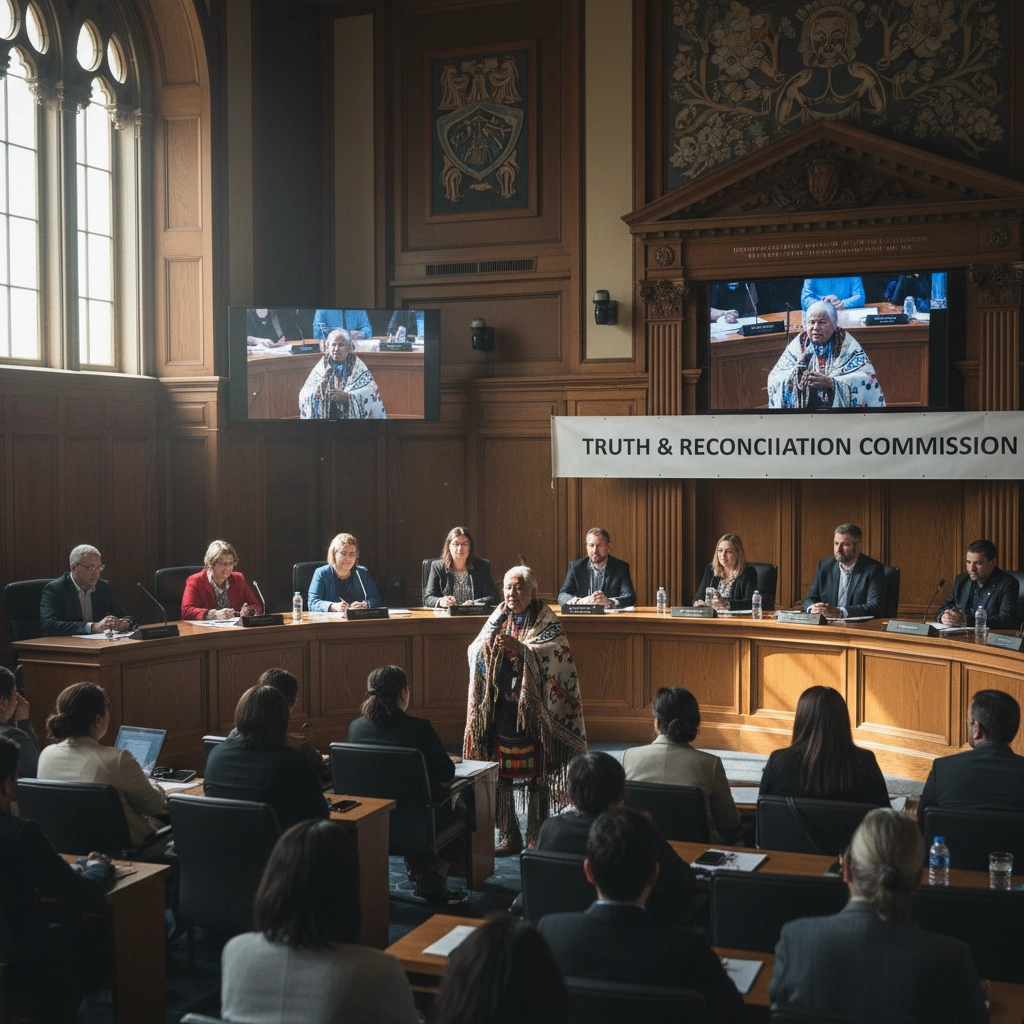
The residential school system has been the subject of extensive litigation in Canada, culminating in the Indian Residential Schools Settlement Agreement in 2006. This landmark agreement provided compensation to survivors of residential schools for the abuse and trauma they suffered, as well as funding for healing programs and commemoration initiatives. The settlement also established the Truth and Reconciliation Commission of Canada, which documented the history and legacy of the residential school system and issued a series of recommendations for reconciliation. While the settlement agreement provided a measure of justice for survivors, it also highlighted the limitations of legal remedies in addressing the deep-seated harms caused by the residential school system. Many survivors continue to struggle with the long-term effects of their experiences, and the process of reconciliation remains a complex and ongoing challenge. Subsequent class action lawsuits have addressed issues such as the exclusion of certain groups of survivors from the settlement agreement and the inadequacy of the compensation provided.
Beyond Residential Schools: Expanding the Scope of Litigation
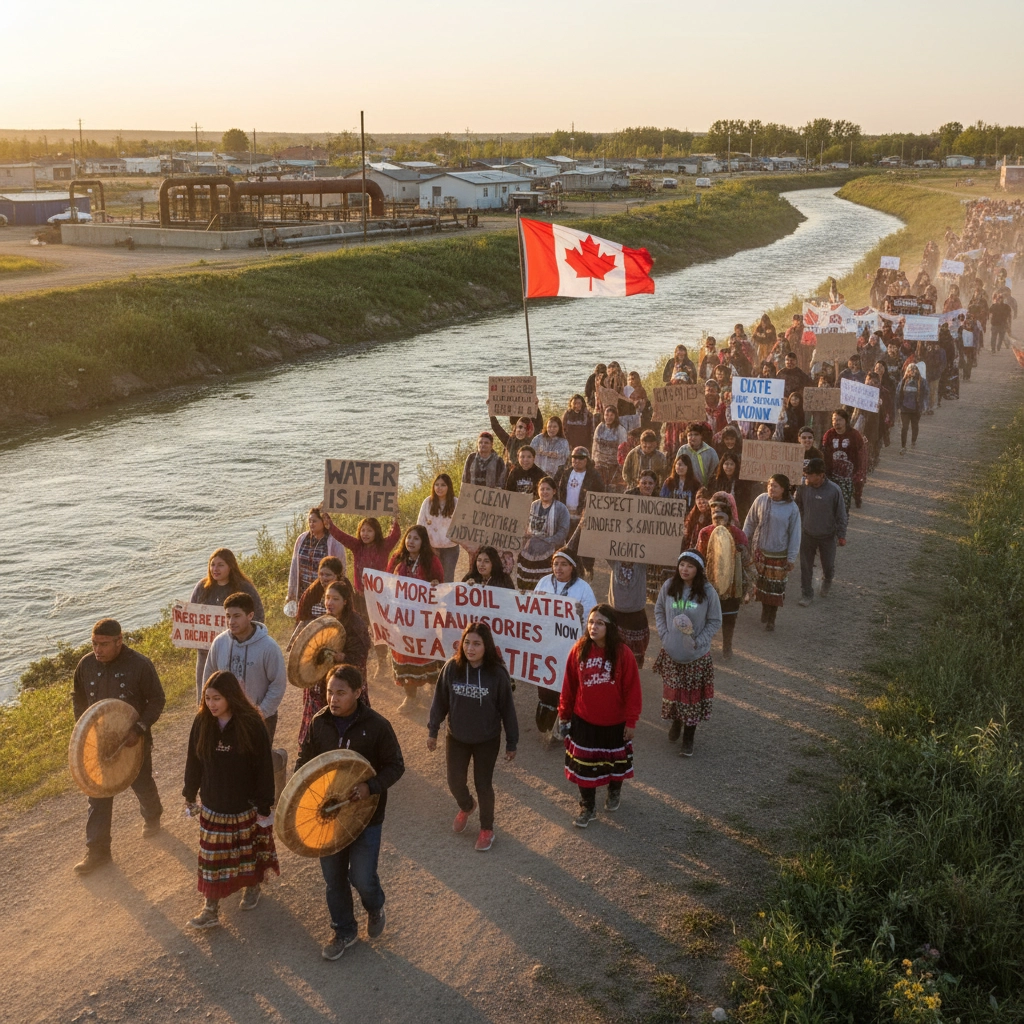
In addition to residential schools, class action lawsuits have been used to address a wide range of other injustices affecting Indigenous communities in Canada. These include claims related to discrimination in child welfare services, denial of treaty rights, environmental contamination, and lack of access to essential services such as healthcare and clean drinking water. For example, several class action lawsuits have been filed against the federal government and provincial governments alleging that Indigenous children in the child welfare system have been disproportionately removed from their families and placed in foster care, leading to cultural loss and psychological harm. Other lawsuits have focused on the failure of governments to adequately protect Indigenous treaty rights, such as the right to hunt, fish, and gather on their traditional territories. Environmental contamination caused by industrial activities, such as mining and oil and gas development, has also been the subject of class action litigation, with Indigenous communities seeking compensation for the damage to their lands and resources. Furthermore, the lack of access to clean drinking water on many First Nations reserves has led to legal challenges demanding that the government provide safe and reliable water systems. Learn more about Indigenous rights and how class actions play a role.

Challenges and Future Directions
Despite the potential of class action lawsuits to provide justice for Indigenous communities, there are also significant challenges involved in pursuing these types of legal actions. These challenges include the high cost of litigation, the difficulty of gathering evidence dating back many years, the complexity of the legal issues involved, and the potential for lengthy delays in the court system. In addition, there may be cultural and linguistic barriers that make it difficult for Indigenous plaintiffs to participate fully in the legal process. To address these challenges, it is important to provide adequate funding for legal aid and community legal services, to develop culturally appropriate legal procedures, and to ensure that Indigenous communities have access to the legal expertise they need to navigate the complexities of class action litigation. Furthermore, it is essential to recognize that legal remedies are only one part of the solution. Meaningful reconciliation requires a broader commitment to addressing the systemic inequalities that continue to affect Indigenous communities, including investments in education, healthcare, and economic development. It also requires a willingness to listen to and learn from Indigenous perspectives, to respect Indigenous rights and cultures, and to work in partnership with Indigenous communities to create a more just and equitable society.
Conclusion: A Path Towards Reconciliation
Class action lawsuits represent a vital tool for Indigenous communities in Canada to seek justice for historical grievances and to hold responsible parties accountable for their actions. While these legal actions can provide compensation for past harms and promote changes in policies and practices, they are not a panacea for all the challenges facing Indigenous peoples. True reconciliation requires a multifaceted approach that includes legal remedies, policy reforms, cultural revitalization, and a fundamental shift in attitudes and relationships between Indigenous and non-Indigenous Canadians. By working together in a spirit of respect and understanding, we can create a future where Indigenous communities are able to thrive and where the legacy of historical injustices is finally overcome. The pursuit of justice through class action lawsuits, while complex and challenging, remains an essential step on the path towards reconciliation and a more equitable society for all.