



Punitive damages, also known as exemplary damages, serve a distinct purpose in the Canadian legal system beyond compensating plaintiffs for their losses. In the context of class actions, where numerous individuals have suffered similar harm, the award of punitive damages takes on added significance. This analysis delves into the nature of punitive damages, the principles governing their award in Canada, and the specific considerations that arise when such damages are sought in the context of class action litigation. Understanding these principles is crucial for both plaintiffs and defendants involved in class action suits, as well as for legal professionals advising them. This discussion explores the stringent requirements for awarding punitive damages, the factors courts consider, and the potential impact on corporate behaviour.


The Purpose of Punitive Damages
Punitive damages are not intended to compensate plaintiffs for their losses. Instead, their primary purpose is to punish the defendant for egregious conduct and to deter similar behaviour in the future. This is a critical distinction from compensatory damages, which aim to make the plaintiff whole by covering actual losses, such as medical expenses, lost wages, and pain and suffering. Punitive damages are reserved for cases where the defendant’s conduct is particularly reprehensible, involving malice, oppression, or a reckless disregard for the rights of others. The Supreme Court of Canada has emphasized that punitive damages should be awarded sparingly and only in exceptional circumstances, reflecting the high threshold required to justify their imposition. Understanding punitive damages is essential for navigating class actions.
Principles Governing Punitive Damages Awards
Canadian courts adhere to a strict set of principles when determining whether to award punitive damages. The leading case on this matter is *Whiten v Pilot Insurance Co*, where the Supreme Court of Canada outlined the factors to be considered. These factors include the blameworthiness of the defendant’s conduct, the need for deterrence, and the proportionality of the award. The defendant’s conduct must be malicious, oppressive, and high-handed, demonstrating a marked departure from ordinary standards of decency. Furthermore, there must be a rational connection between the misconduct and the amount of the punitive damages. The award should not be excessive or disproportionate to the harm caused, taking into account the defendant’s financial position. The objective is to punish and deter, not to bankrupt the defendant or provide a windfall to the plaintiff. The *Whiten* case underscored the importance of restraint in awarding punitive damages, emphasizing that they should be reserved for truly egregious cases where other remedies are insufficient to achieve the goals of punishment and deterrence.


Specific Considerations in Class Actions
When punitive damages are sought in a class action, additional considerations come into play. Class actions involve a large number of plaintiffs who have suffered similar harm, often as a result of the defendant’s widespread conduct. This can amplify the potential impact of a punitive damages award, as the total amount could be substantial when multiplied across the entire class. Courts must carefully assess the proportionality of the award in light of the aggregate harm suffered by the class members. The objective is to ensure that the punitive damages serve their purpose of punishment and deterrence without being unduly oppressive to the defendant. Another consideration is the distribution of punitive damages among the class members. Courts must determine a fair and equitable method for allocating the damages, taking into account the varying degrees of harm suffered by individual class members. This can be a complex task, particularly in cases where the harm is not uniform across the class. The presence of a large class also increases the potential for a windfall to the plaintiffs, which courts must guard against. The focus remains on deterring future misconduct rather than unjustly enriching the plaintiffs. Claiming compensation for pain and suffering requires an understanding of these factors.
The Burden of Proof
The burden of proof for establishing entitlement to punitive damages rests with the plaintiff. The plaintiff must demonstrate, on a balance of probabilities, that the defendant’s conduct warrants the imposition of punitive damages. This requires presenting compelling evidence of the defendant’s malicious, oppressive, or high-handed behaviour. The plaintiff must also establish a causal link between the defendant’s conduct and the harm suffered by the class members. This can be challenging in class actions, where the harm may be indirect or attenuated. The defendant, on the other hand, may present evidence to mitigate the claim for punitive damages. This could include evidence of remedial measures taken to address the misconduct, or evidence that the defendant acted in good faith. The court will weigh all the evidence and determine whether the plaintiff has met the burden of proving entitlement to punitive damages. The high threshold for awarding punitive damages reflects the principle that they are an exceptional remedy, reserved for the most egregious cases of misconduct.


Factors Considered by Courts
Canadian courts consider a range of factors when determining whether to award punitive damages in class actions. These factors include the nature of the defendant’s conduct, the harm suffered by the class members, the vulnerability of the plaintiffs, and the defendant’s financial position. The more egregious the defendant’s conduct, the more likely the court is to award punitive damages. Similarly, the greater the harm suffered by the class members, the larger the potential award. Courts also consider whether the plaintiffs were particularly vulnerable to the defendant’s conduct, such as in cases involving elderly or disabled individuals. The defendant’s financial position is relevant to ensure that the punitive damages are sufficient to achieve the goals of punishment and deterrence without being unduly oppressive. The court will also consider any mitigating factors, such as the defendant’s efforts to remedy the misconduct or cooperate with the authorities. Ultimately, the decision to award punitive damages is a discretionary one, based on the specific facts and circumstances of each case. The overarching objective is to strike a balance between punishing the defendant for their misconduct and deterring similar behaviour in the future, while ensuring that the award is fair and proportionate.
Examples of Punitive Damages in Class Actions
Several notable class actions in Canada have involved claims for punitive damages. These cases illustrate the types of conduct that may warrant the imposition of such damages and the factors that courts consider in determining the appropriate amount. In cases involving defective products, such as pharmaceuticals or medical devices, punitive damages may be awarded if the manufacturer knew of the defect but failed to take adequate steps to warn consumers or recall the product. Similarly, in cases of corporate negligence, such as environmental contamination or workplace safety violations, punitive damages may be awarded if the defendant’s conduct demonstrated a reckless disregard for the health and safety of others. In consumer protection cases, punitive damages may be awarded if the defendant engaged in deceptive or fraudulent business practices. These examples highlight the diverse range of situations in which punitive damages may be sought in class actions. The common thread is that the defendant’s conduct must be particularly egregious, involving malice, oppression, or a reckless disregard for the rights of others. Successfully negotiating a fair settlement often involves understanding the potential for punitive damages.

Challenges and Criticisms
The use of punitive damages in class actions is not without its challenges and criticisms. One of the main concerns is the potential for excessive awards, which can bankrupt defendants and lead to unintended consequences. Critics argue that punitive damages can be unpredictable and arbitrary, leading to uncertainty for businesses and chilling legitimate commercial activity. There are also concerns about the distribution of punitive damages among class members, particularly in cases where the harm is not uniform. Some argue that the current system can lead to a windfall for some plaintiffs, while others receive little or no benefit. Another challenge is the difficulty of proving the requisite level of misconduct to justify an award of punitive damages. The burden of proof rests with the plaintiff, and the standard is high. This can make it difficult to succeed on a claim for punitive damages, even in cases where the defendant’s conduct is reprehensible. Despite these challenges and criticisms, punitive damages remain an important tool for deterring corporate misconduct and protecting the rights of consumers and other vulnerable groups. The key is to ensure that they are awarded judiciously and in accordance with established legal principles.
The Impact on Corporate Behavior
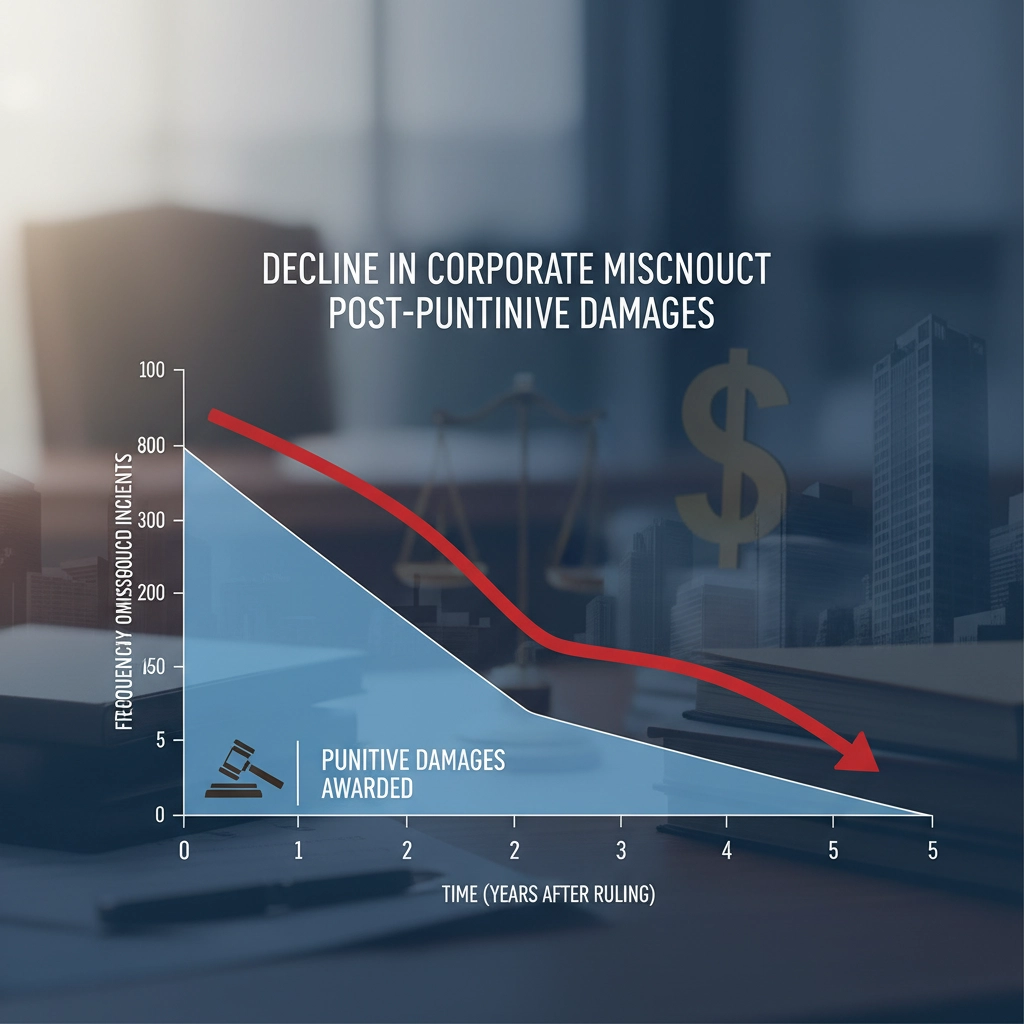
The potential for punitive damages in class actions can have a significant impact on corporate behavior. Companies are incentivized to act responsibly and ethically to avoid the risk of being subjected to such damages. This can lead to improvements in product safety, environmental protection, and consumer protection practices. The threat of punitive damages can also encourage companies to be more transparent and accountable for their actions. When companies know that they could face significant financial penalties for misconduct, they are more likely to take steps to prevent such misconduct from occurring in the first place. Furthermore, the publicity surrounding punitive damages awards can damage a company’s reputation and brand, leading to a loss of customers and market share. This reputational risk can be a powerful deterrent to corporate misconduct. While some argue that the risk of punitive damages can stifle innovation and discourage risk-taking, others contend that it is a necessary check on corporate power and a vital tool for promoting social responsibility.
Alternative Approaches
In light of the challenges and criticisms associated with punitive damages, some have proposed alternative approaches to addressing corporate misconduct. One alternative is to increase the use of regulatory fines and penalties. These penalties can be imposed by government agencies without the need for a civil lawsuit, and the funds can be used to compensate victims or fund public programs. Another alternative is to strengthen corporate governance and internal controls. This can help to prevent misconduct from occurring in the first place by creating a culture of compliance and accountability within the organization. A third alternative is to promote the use of mediation and other forms of alternative dispute resolution. This can provide a more efficient and cost-effective way to resolve disputes than litigation, and it can also lead to more creative and tailored solutions. While these alternative approaches may have some merit, they are not necessarily a substitute for punitive damages. Punitive damages serve a unique purpose in punishing egregious misconduct and deterring similar behavior in the future. The key is to strike a balance between using punitive damages as a deterrent and ensuring that they are awarded fairly and proportionately.
Conclusion: Balancing Punishment and Deterrence
Punitive damages in Canadian class actions serve a critical role in punishing egregious corporate misconduct and deterring similar behavior in the future. While they are not intended to compensate plaintiffs for their losses, they provide a means of holding companies accountable for their actions and promoting social responsibility. The principles governing the award of punitive damages are well-established, and courts carefully consider a range of factors to ensure that the award is fair and proportionate. Despite the challenges and criticisms associated with punitive damages, they remain an important tool for protecting the rights of consumers and other vulnerable groups. The key is to strike a balance between using punitive damages as a deterrent and ensuring that they are awarded judiciously and in accordance with established legal principles. As class action litigation continues to evolve in Canada, the role of punitive damages will likely remain a subject of debate and discussion. However, their fundamental purpose of punishing misconduct and deterring future wrongdoing will continue to be an essential element of the legal system. Understanding how to maximize your settlement payout is vital in these cases.