Understanding Price Gouging Laws in Canada
Price gouging, the practice of drastically increasing prices of essential goods or services during an emergency or crisis, is a significant concern for consumers. In Canada, consumer protection is primarily a provincial responsibility, meaning that laws addressing price gouging vary across the country. While there isn’t a federal law specifically targeting price gouging, the Competition Act prohibits anti-competitive behavior, which can indirectly address some aspects of unfair pricing. Provinces like Ontario, British Columbia, and Alberta have consumer protection legislation that can be used to combat price gouging, particularly during declared emergencies. These laws often focus on preventing businesses from taking unfair advantage of consumers’ urgent needs by imposing unreasonable or excessive prices. Understanding these provincial regulations is crucial for consumers to protect their rights and for businesses to ensure compliance and maintain ethical pricing practices.

Consumer Rights and Provincial Variations
Consumer rights related to price gouging are largely defined by provincial consumer protection acts. These acts often include provisions against unconscionable or unfair business practices, which can encompass price gouging. For instance, in Ontario, the Consumer Protection Act allows the government to declare certain goods or services essential during an emergency, and any significant price increases for these items could be deemed unconscionable. Similarly, British Columbia’s Business Practices and Consumer Protection Act prohibits deceptive or unconscionable acts or practices in relation to consumer transactions. Alberta’s Fair Trading Act also provides consumers with protection against unfair practices, which can include charging excessively high prices during emergencies. The specific remedies available to consumers vary by province but typically include the right to cancel a transaction, seek damages, or file a complaint with the relevant consumer protection agency. It’s important for consumers to familiarize themselves with the specific laws in their province to understand their rights and how to exercise them effectively.
Enforcement and Limitations
Enforcement of price gouging laws in Canada is primarily the responsibility of provincial consumer protection agencies. These agencies investigate complaints, conduct inspections, and take enforcement actions against businesses found to be engaging in price gouging. Enforcement actions can include issuing warnings, imposing fines, seeking court orders to stop the practice, and even prosecuting offenders. However, proving price gouging can be challenging. Consumer protection legislation often requires demonstrating that the price increase was both significant and unjustified, taking into account factors such as the cost of goods, market conditions, and the usual pricing practices of the business. Moreover, some provinces may have limitations on the types of goods or services covered by their price gouging laws, or on the duration for which these laws are in effect. Despite these challenges, provincial consumer protection agencies play a vital role in safeguarding consumers from unfair pricing practices and ensuring that businesses operate ethically and responsibly, especially during times of crisis.


Spotting Price Gouging During Emergencies
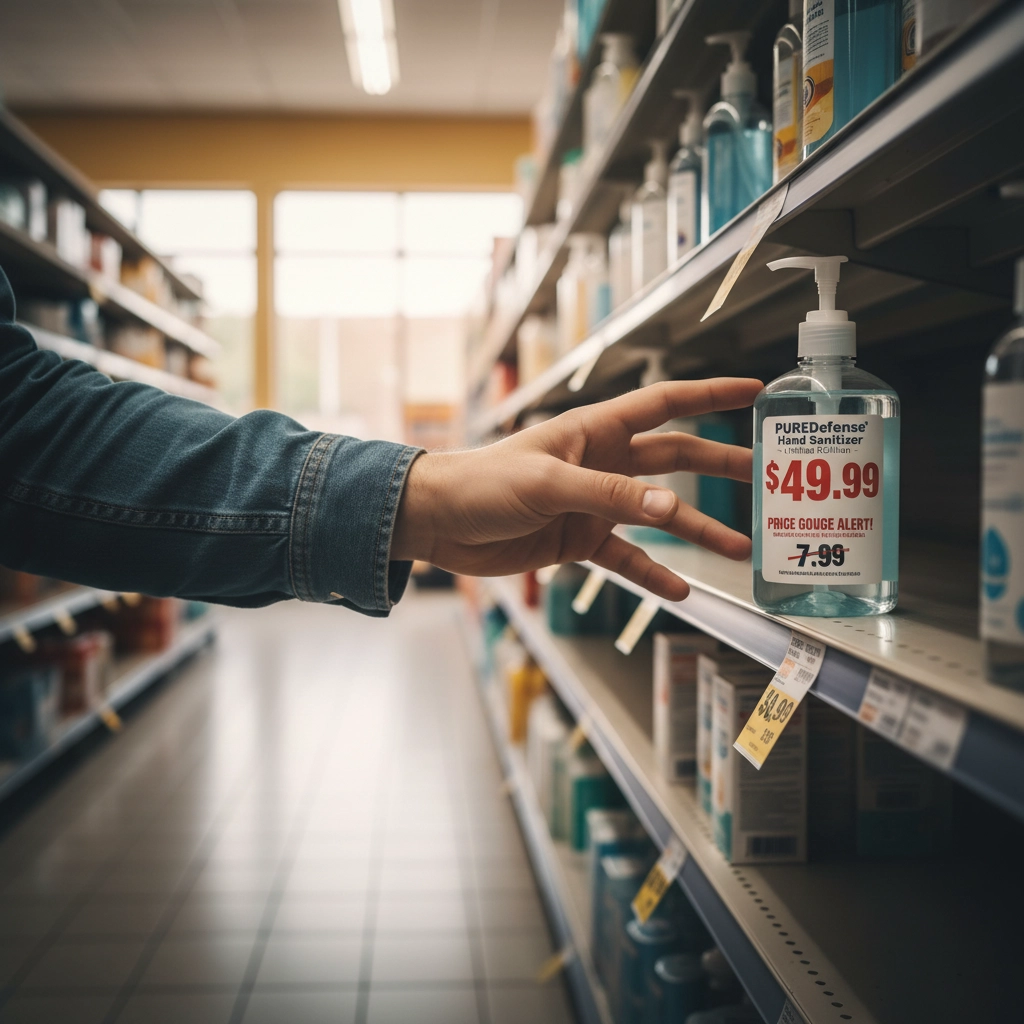
During emergencies, such as natural disasters, pandemics, or other crises, the demand for essential goods and services often spikes dramatically. This surge in demand can create opportunities for unscrupulous businesses to engage in price gouging, exploiting consumers’ vulnerabilities by charging exorbitant prices for items like food, water, medicine, and fuel. Recognizing price gouging is the first step in protecting yourself. Key indicators include prices that are significantly higher than usual, especially compared to pre-emergency levels. Also, watch for businesses claiming inflated costs or supply shortages as justification for price hikes. Comparing prices across multiple retailers and checking historical pricing data can help you determine whether a price increase is legitimate or exploitative. Trust your instincts; if a price seems too good to be true, or outrageously high, it might be a case of price gouging.
Protecting Yourself from Unfair Pricing
To protect yourself from price gouging during emergencies, it’s crucial to be proactive and informed. Stock up on essential supplies before an emergency occurs, ensuring you have adequate food, water, medication, and other necessities on hand. This reduces your reliance on potentially price-gouged items during a crisis. Monitor prices regularly, especially for essential goods, and keep records of usual prices to compare against during an emergency. If you suspect price gouging, document the inflated price, the name and location of the business, and any other relevant details. File a complaint with your provincial consumer protection agency as soon as possible, providing them with all the information you’ve gathered. Spread awareness among your community, sharing information about price gouging and how to report it. By working together, consumers can help deter unfair pricing practices and protect each other from exploitation during emergencies.

Staying Vigilant and Reporting Suspected Cases
Remaining vigilant and actively reporting suspected cases of price gouging is essential in combating this unethical practice. Staying informed about your consumer rights and the specific laws in your province empowers you to recognize and challenge unfair pricing. By filing complaints with consumer protection agencies and sharing your experiences with others, you contribute to a collective effort to hold businesses accountable and prevent price gouging. Remember, price gouging not only harms individual consumers but also undermines public trust and exacerbates the challenges of dealing with emergencies. By taking action and reporting suspected cases, you play a crucial role in protecting yourself, your community, and the integrity of the marketplace.
Reporting Price Gouging in Canada
Reporting price gouging in Canada is a province-specific process, as consumer protection laws are primarily under provincial jurisdiction. Each province has its own consumer protection agency or department responsible for investigating and addressing complaints related to unfair business practices, including price gouging. Therefore, it is essential to know the correct agency in your province and the specific procedures for filing a complaint. Generally, you will need to provide detailed information about the suspected price gouging incident, including the name and location of the business, the date and time of the transaction, a description of the goods or services involved, and evidence of the inflated price, such as receipts or advertisements. Some provinces may also require you to provide information about the usual price of the goods or services before the emergency or crisis.
A Province-Specific Guide to Reporting
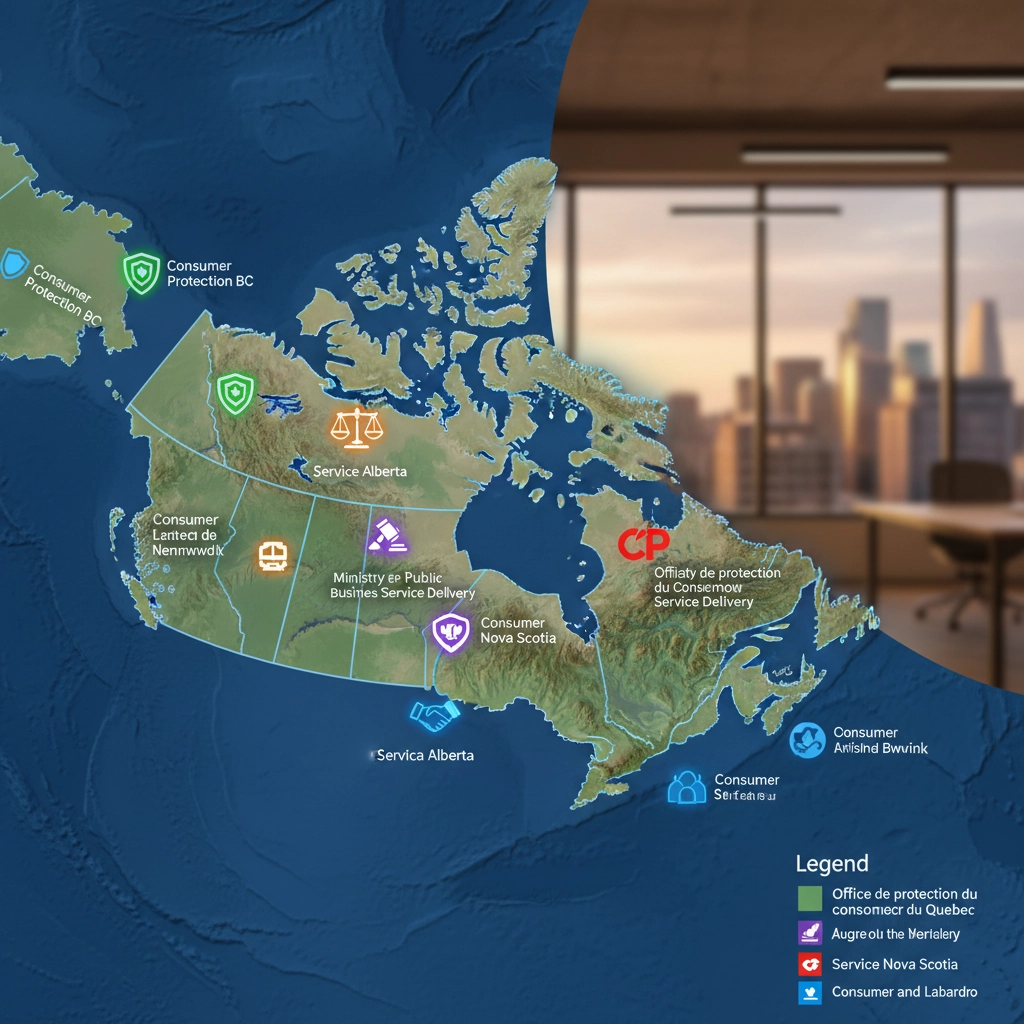
The specific steps for reporting price gouging vary slightly from province to province. In Ontario, you can file a complaint with the Ministry of Public and Business Service Delivery. They provide an online complaint form and a phone number to report unfair business practices. In British Columbia, you can contact Consumer Protection BC, which also offers an online complaint form and a helpline. Alberta residents can report price gouging to Service Alberta, which has a dedicated website for consumer complaints. Similarly, other provinces, such as Quebec, Manitoba, Saskatchewan, and the Atlantic provinces, have their own consumer protection agencies with specific procedures for reporting price gouging. It is crucial to visit the website or contact the relevant agency in your province to obtain the most up-to-date information and instructions on how to file a complaint.
The Importance of Documentation and Evidence
When reporting price gouging, it is essential to provide as much documentation and evidence as possible to support your complaint. This includes copies of receipts, invoices, advertisements, or any other documents that show the inflated price and the usual price of the goods or services. If possible, take photographs or screenshots of price tags or online listings that demonstrate the price increase. Also, keep a record of any communications you had with the business, such as emails or phone calls, as these may provide additional evidence of the unfair pricing practices. The more evidence you can provide, the stronger your complaint will be, and the more likely it is that the consumer protection agency will be able to investigate and take appropriate action.
What Happens After Reporting
After you file a complaint with the consumer protection agency, they will typically review the information you provided and determine whether there is sufficient evidence to warrant an investigation. If they decide to investigate, they may contact the business to request information or conduct an inspection. The agency may also contact you to ask for additional details or clarification. Depending on the outcome of the investigation, the consumer protection agency may take various actions, such as issuing a warning to the business, imposing fines or penalties, or seeking a court order to stop the price gouging. In some cases, the agency may also be able to help you obtain a refund or compensation for the inflated price you paid.
Limitations and Challenges
While consumer protection agencies play a crucial role in addressing price gouging, there are limitations and challenges to their enforcement efforts. One challenge is that price gouging laws may not be clearly defined or consistently applied across all provinces. Also, it can be difficult to prove that a price increase is unjustified, as businesses may argue that it is due to increased costs or supply shortages. Consumer protection agencies may also have limited resources and may not be able to investigate every complaint they receive. Despite these challenges, reporting price gouging is still important, as it helps to raise awareness of the issue and encourages businesses to act ethically and responsibly.
Recent Price Gouging Class Actions in Canada
Price gouging class actions in Canada are legal proceedings where a group of consumers collectively sues a business or organization for allegedly engaging in price gouging practices. These lawsuits typically arise during emergencies or crises when the demand for essential goods and services spikes, and businesses are accused of exploiting the situation by charging excessively high prices. Class actions provide a mechanism for consumers who have been harmed by price gouging to seek compensation and hold businesses accountable for their unethical behavior. These actions can be complex and lengthy, often involving extensive investigation, expert testimony, and legal arguments.
Seeking Compensation for Consumers Affected by Price Gouging
The primary goal of a price gouging class action is to obtain compensation for consumers who have been financially harmed by the alleged price gouging. This compensation may include refunds of the inflated prices paid, as well as damages for any additional losses or expenses incurred as a result of the price gouging. In addition to seeking monetary compensation, class actions can also aim to change the business practices of the defendant and prevent future instances of price gouging. This may involve seeking court orders requiring the business to implement fair pricing policies, provide greater transparency in its pricing, or refrain from engaging in similar conduct in the future. Class actions can also serve to raise public awareness of price gouging and deter other businesses from engaging in similar practices.
Notable Examples of Price Gouging Class Actions
Several notable price gouging class actions have been filed in Canada in recent years, particularly during the COVID-19 pandemic. For example, class actions have been launched against retailers accused of charging excessive prices for essential items such as hand sanitizer, face masks, and disinfectants. These lawsuits allege that the retailers took unfair advantage of the increased demand and consumer vulnerability during the pandemic to inflate prices and maximize profits. Other class actions have targeted businesses in the travel and hospitality industries, alleging price gouging for accommodations and transportation during peak seasons or special events. While the outcomes of these class actions vary, they demonstrate the potential for consumers to collectively seek redress for price gouging and hold businesses accountable for their actions.
The Role of Lawyers and Legal Representation
Lawyers play a crucial role in price gouging class actions, representing the interests of the class members and advocating for their rights. These lawyers typically specialize in consumer protection law and have experience in handling complex class action litigation. They are responsible for investigating the allegations of price gouging, gathering evidence, drafting legal documents, and representing the class members in court. Lawyers may also negotiate settlements with the defendant on behalf of the class members, seeking to obtain fair compensation and other remedies. Class action lawyers often work on a contingency fee basis, meaning that they only get paid if they are successful in obtaining a settlement or judgment for the class members.
Challenges and Considerations in Price Gouging Class Actions
Price gouging class actions can be challenging to pursue, as they often involve complex legal and factual issues. Proving price gouging requires demonstrating that the price increase was both significant and unjustified, taking into account factors such as the cost of goods, market conditions, and the usual pricing practices of the business. Also, it can be difficult to identify and notify all of the potential class members who may have been affected by the price gouging. Class action lawsuits can also be costly and time-consuming, requiring significant resources and expertise. Despite these challenges, price gouging class actions can be an effective tool for protecting consumers and holding businesses accountable for unfair pricing practices.
Consumer Advocacy in Canada: Fighting for Fair Prices
Consumer advocacy in Canada plays a vital role in protecting consumers from unfair business practices, including price gouging. Consumer advocacy groups and organizations work to raise awareness of consumer rights, educate consumers about their options, and advocate for stronger consumer protection laws. These groups often conduct research, publish reports, and lobby government officials to address issues such as price gouging and other forms of consumer exploitation. They also provide resources and support to consumers who have been harmed by unfair business practices, helping them to file complaints, seek legal advice, and pursue remedies.
Organizations Dedicated to Protecting Consumer Interests
Several organizations in Canada are dedicated to protecting consumer interests and advocating for fair prices. These include the Consumers Council of Canada, a national non-profit organization that provides consumer education and advocacy. The Public Interest Advocacy Centre (PIAC) is another national organization that focuses on representing the interests of vulnerable consumers in areas such as telecommunications, energy, and financial services. Provincial consumer protection agencies also play a crucial role in consumer advocacy, investigating complaints, enforcing consumer protection laws, and educating consumers about their rights.
Strategies for Combating Price Gouging
Consumer advocacy groups employ various strategies to combat price gouging and promote fair pricing practices. These include lobbying for stronger laws and regulations to prevent price gouging, particularly during emergencies and crises. They also work to raise public awareness of price gouging and educate consumers about how to recognize and report it. Consumer advocacy groups may also conduct research to identify instances of price gouging and expose businesses that engage in these practices. They may also launch public campaigns to boycott or pressure businesses that are accused of price gouging.
Empowering Consumers Through Education and Awareness
Empowering consumers through education and awareness is a key aspect of consumer advocacy. By providing consumers with information about their rights, how to recognize unfair business practices, and how to take action, consumer advocacy groups help to create a more informed and empowered marketplace. They may conduct workshops, publish guides and brochures, and maintain websites and social media channels to educate consumers about their rights and options. Consumer advocacy groups also work to ensure that consumers have access to resources and support when they have been harmed by unfair business practices.
The Importance of Collective Action and Public Pressure
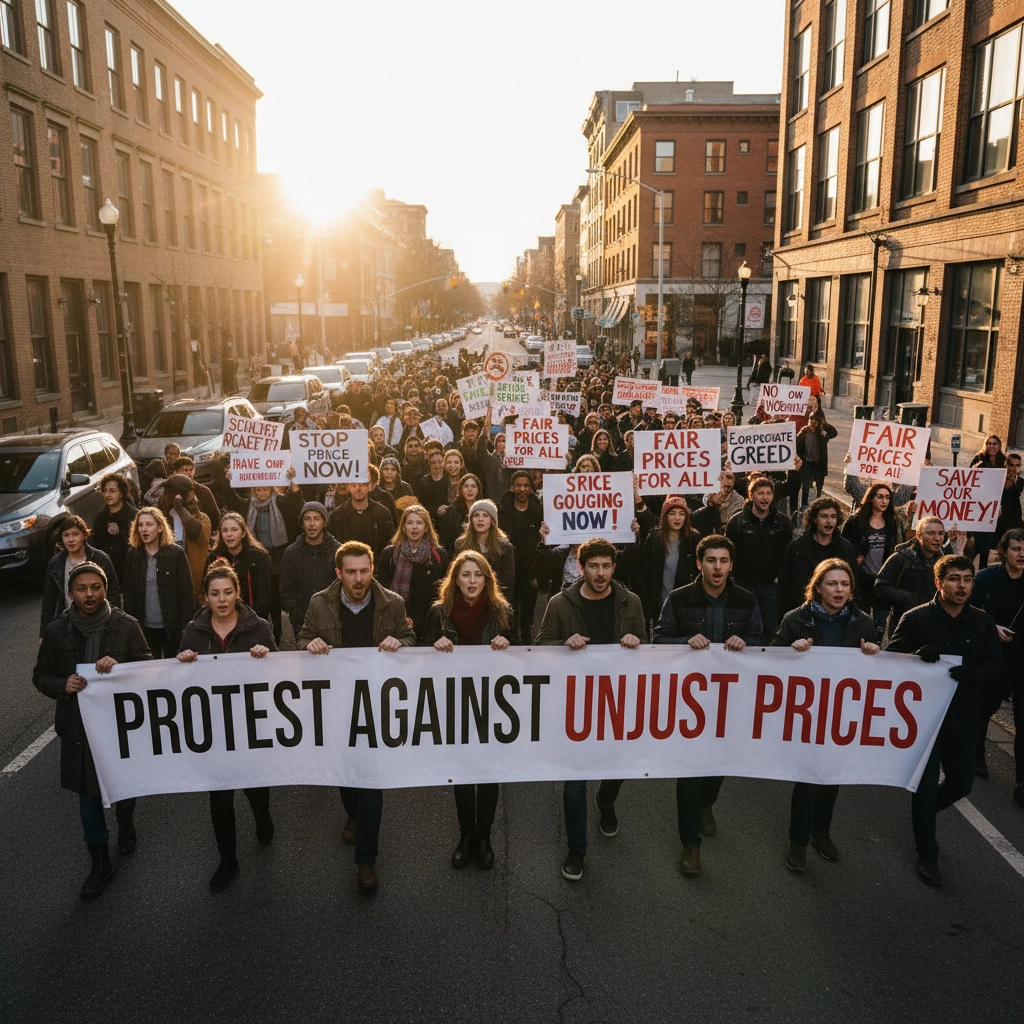
Collective action and public pressure can be powerful tools for combating price gouging and holding businesses accountable. By organizing boycotts, protests, and other forms of public pressure, consumers can send a strong message to businesses that price gouging is unacceptable. Collective action can also amplify the voices of individual consumers and make it more difficult for businesses to ignore complaints. Consumer advocacy groups play a crucial role in organizing and coordinating collective action, providing a platform for consumers to come together and demand fair treatment. Through collective action and public pressure, consumers can help to create a more ethical and responsible marketplace.
Price gouging is an unethical and, in some cases, illegal practice that exploits vulnerable consumers during times of crisis. While Canada does not have a uniform federal law against price gouging, provincial consumer protection laws offer some recourse for those who have been unfairly charged excessive prices. By understanding your rights, documenting suspected price gouging, and reporting it to the appropriate provincial agency, you can help combat this practice. Moreover, supporting consumer advocacy groups and participating in collective action can further strengthen the fight against unfair pricing practices and create a more equitable marketplace for all Canadians. Being informed and proactive is key to protecting yourself and your community from the harmful effects of price gouging.