


Introduction to Canadian Mass Tort Law
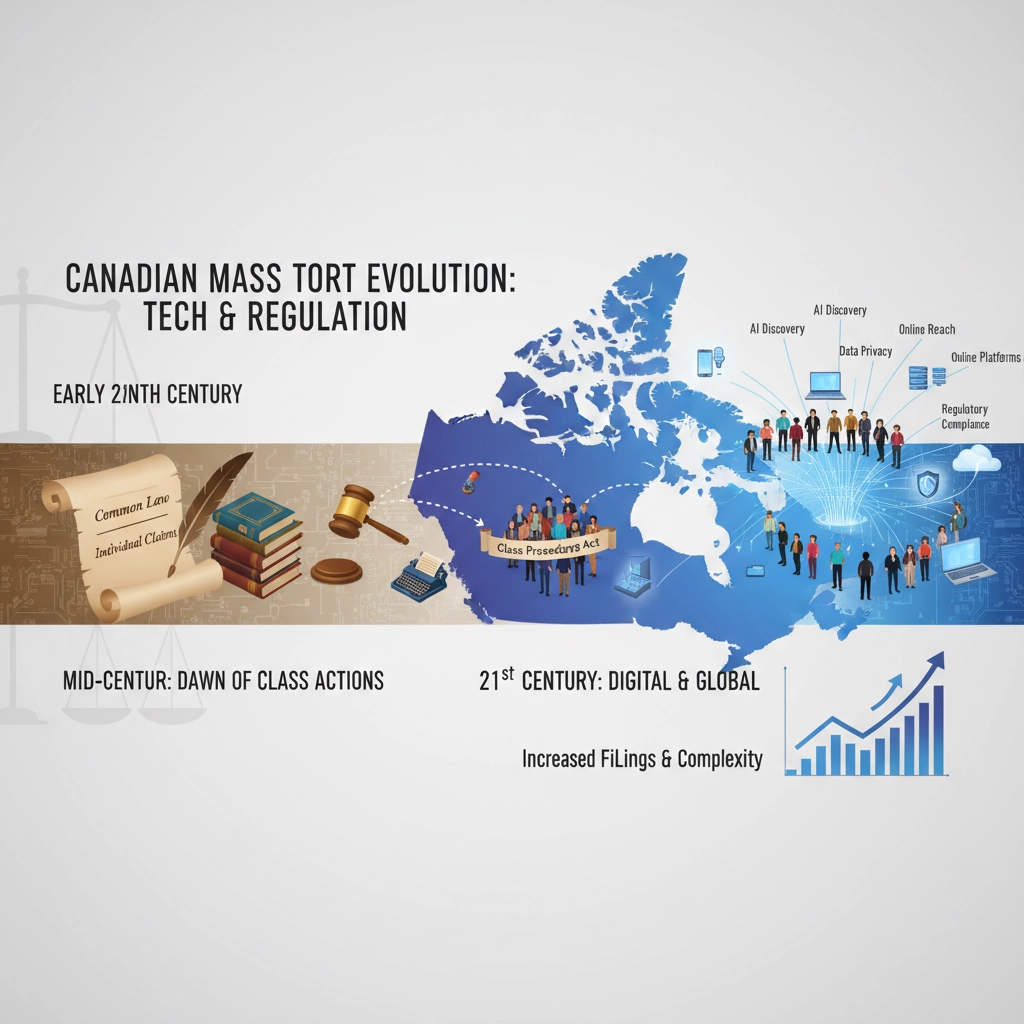
Mass tort litigation in Canada presents a unique legal landscape compared to other jurisdictions, particularly the United States. It involves a single incident or product causing harm to a large number of individuals, necessitating a streamlined approach to litigation. This guide explores the key differences in Canadian mass tort law, effective legal strategies, and considerations for both plaintiffs and defendants involved in these complex cases. Understanding these nuances is crucial for navigating the Canadian legal system effectively and achieving favorable outcomes in mass tort claims. This area of law continues to evolve, requiring ongoing vigilance and adaptation to new legal precedents and technological advancements. To fully appreciate the context, it’s important to differentiate how mass torts compare to class actions.

Class Actions vs. Mass Torts in Canada
While often used interchangeably, class actions and mass torts have distinct characteristics in Canada. Class actions, governed by provincial legislation like the Class Proceedings Act, 1992 in Ontario, involve a representative plaintiff suing on behalf of a defined class of individuals who have suffered similar harm. The focus is on commonality of issues and efficiency in resolving claims. Mass torts, on the other hand, may involve a larger number of plaintiffs suing individually or collectively, without necessarily meeting the strict certification requirements of a class action. These cases often involve more individualized assessments of damages and causation, making them more complex to manage. The choice between pursuing a mass tort or joining a class action depends on the specific circumstances of the case, the nature of the harm, and the availability of evidence.
Key Differences from U.S. Mass Tort Litigation
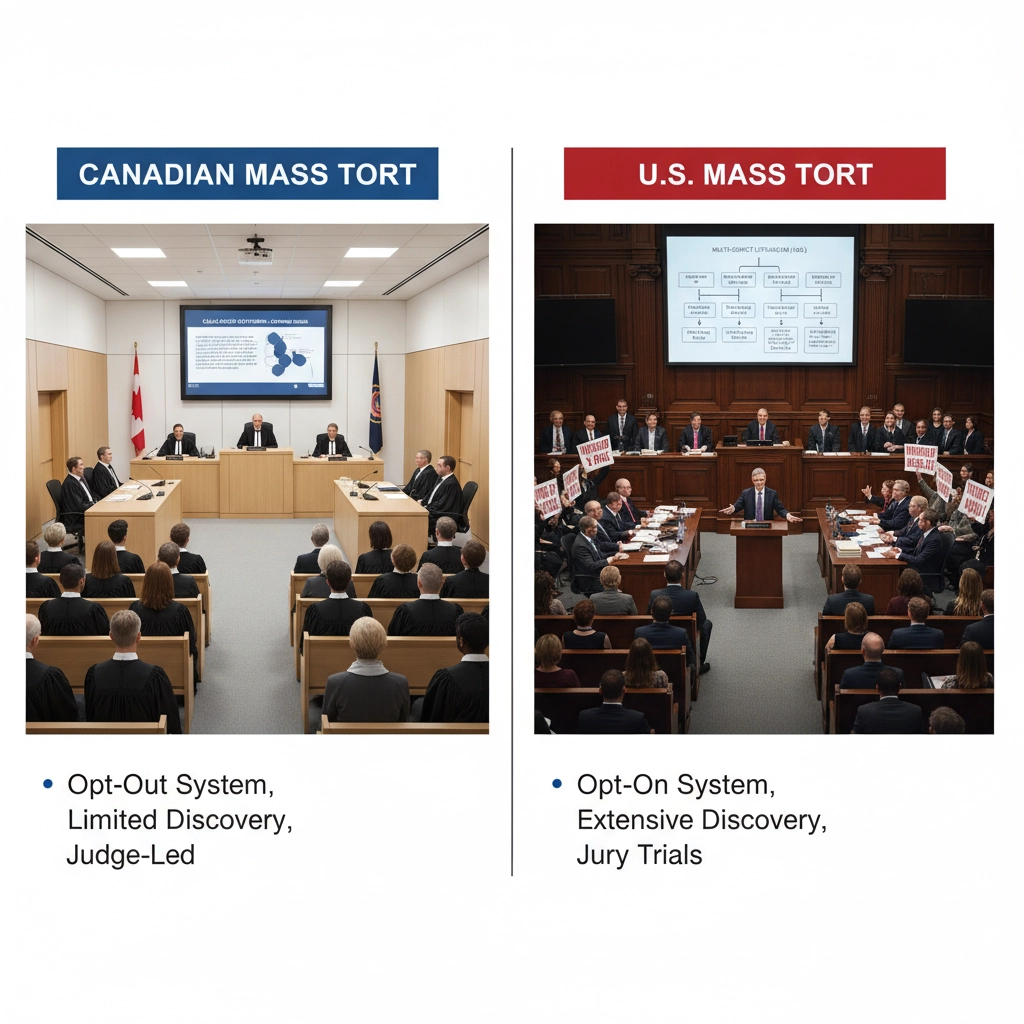
Several key differences distinguish Canadian mass tort litigation from its U.S. counterpart. Canada generally has a more restrictive approach to class action certification, requiring a higher threshold for commonality and preferability. Contingency fees, while permitted, are subject to stricter regulation and judicial oversight. Punitive damages are awarded less frequently and in more limited amounts compared to the U.S. Furthermore, discovery rules are generally narrower in Canada, and there is no equivalent to the U.S. “loser pays” system. These differences often result in lower litigation costs and a more cautious approach to pursuing mass tort claims in Canada. The absence of a “loser pays” rule in many Canadian jurisdictions means that plaintiffs are less deterred from bringing claims, but also face less risk of significant cost awards against them if they are unsuccessful.


Strategic Considerations for Plaintiffs
For plaintiffs in Canadian mass tort litigation, a well-defined legal strategy is essential. This includes identifying potential defendants, gathering evidence of causation and damages, and assessing the feasibility of pursuing a class action versus individual lawsuits. Careful consideration should be given to the applicable limitation periods, which vary by province and type of claim. Engaging experienced counsel with expertise in both mass torts and class actions is crucial to navigate the complex legal issues and maximize the chances of success. Furthermore, plaintiffs should be prepared to actively participate in the litigation process, providing information and cooperating with their legal team. Early assessment of the strength of the claim and potential settlement opportunities is also advisable.
Defense Strategies in Canadian Mass Tort Cases
Defendants facing mass tort claims in Canada must develop robust defense strategies to mitigate their potential liability. This includes challenging the certification of class actions, disputing causation and damages, and exploring potential defenses such as regulatory compliance or state-of-the-art defense. Effective communication with stakeholders, including shareholders, employees, and the public, is also critical to manage reputational risks. Defendants should also consider alternative dispute resolution mechanisms, such as mediation or arbitration, to potentially resolve claims more efficiently and cost-effectively. Thorough investigation and expert analysis are essential to mount a strong defense.

Emerging Trends and Future Directions
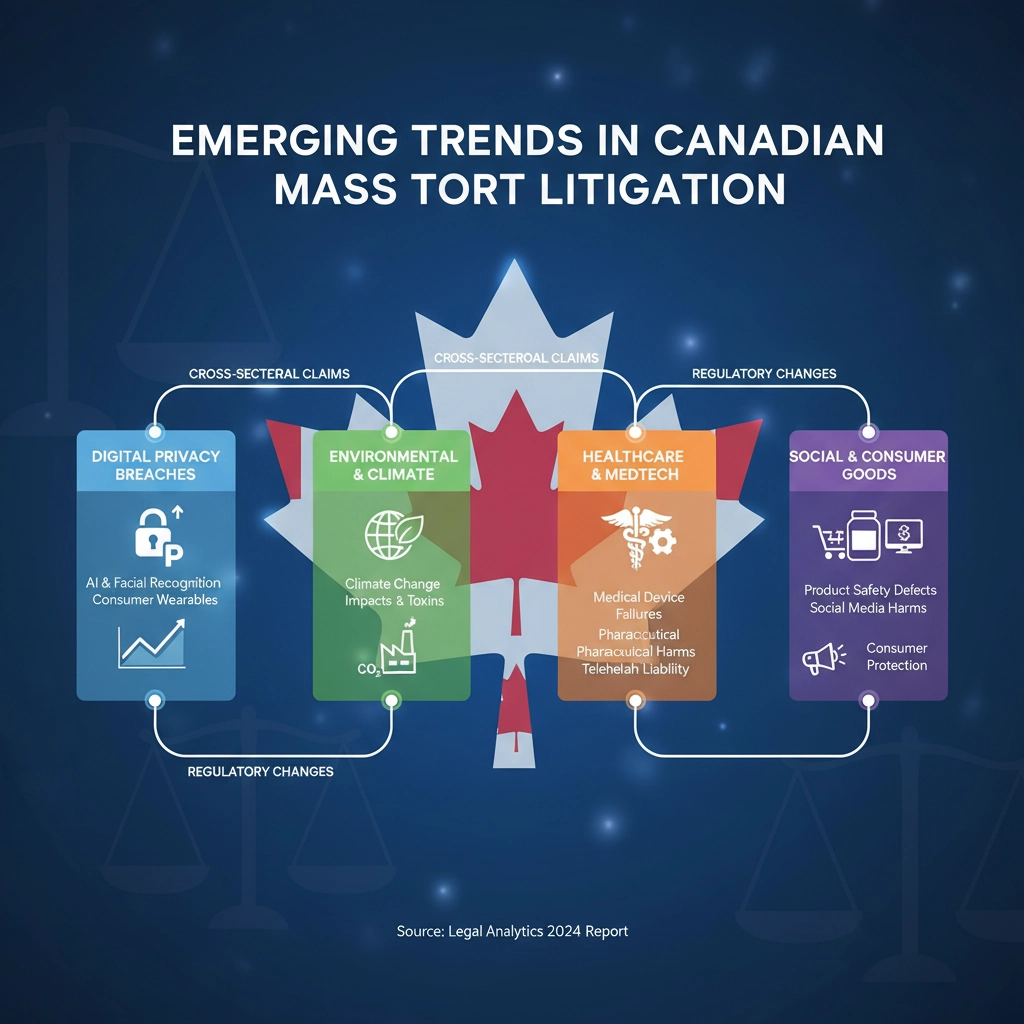
Canadian mass tort litigation is constantly evolving, influenced by factors such as technological advancements, regulatory changes, and evolving societal expectations. Emerging trends include an increased focus on environmental torts, pharmaceutical litigation, and data breach claims. The use of artificial intelligence and data analytics is also becoming more prevalent in managing and analyzing large volumes of data in these cases. As new technologies and products emerge, the potential for mass tort claims will continue to grow, requiring lawyers to stay abreast of these developments and adapt their legal strategies accordingly. The increasing globalization of commerce also presents new challenges and opportunities for cross-border mass tort litigation.
Conclusion: Navigating the Canadian Mass Tort Landscape
Successfully navigating the Canadian mass tort landscape requires a thorough understanding of the legal framework, strategic considerations, and emerging trends. The differences between class actions and mass torts, as well as the distinctions from U.S. litigation, are crucial for developing effective legal strategies. Both plaintiffs and defendants must engage experienced counsel, conduct thorough investigations, and be prepared to adapt to the evolving legal environment. By understanding these complexities, parties can effectively protect their interests and achieve favorable outcomes in these challenging cases. The future of mass tort litigation in Canada will likely be shaped by technological advancements, regulatory changes, and increasing societal awareness of product safety and environmental concerns.