Introduction to Indigenous Legal Systems and Class Actions
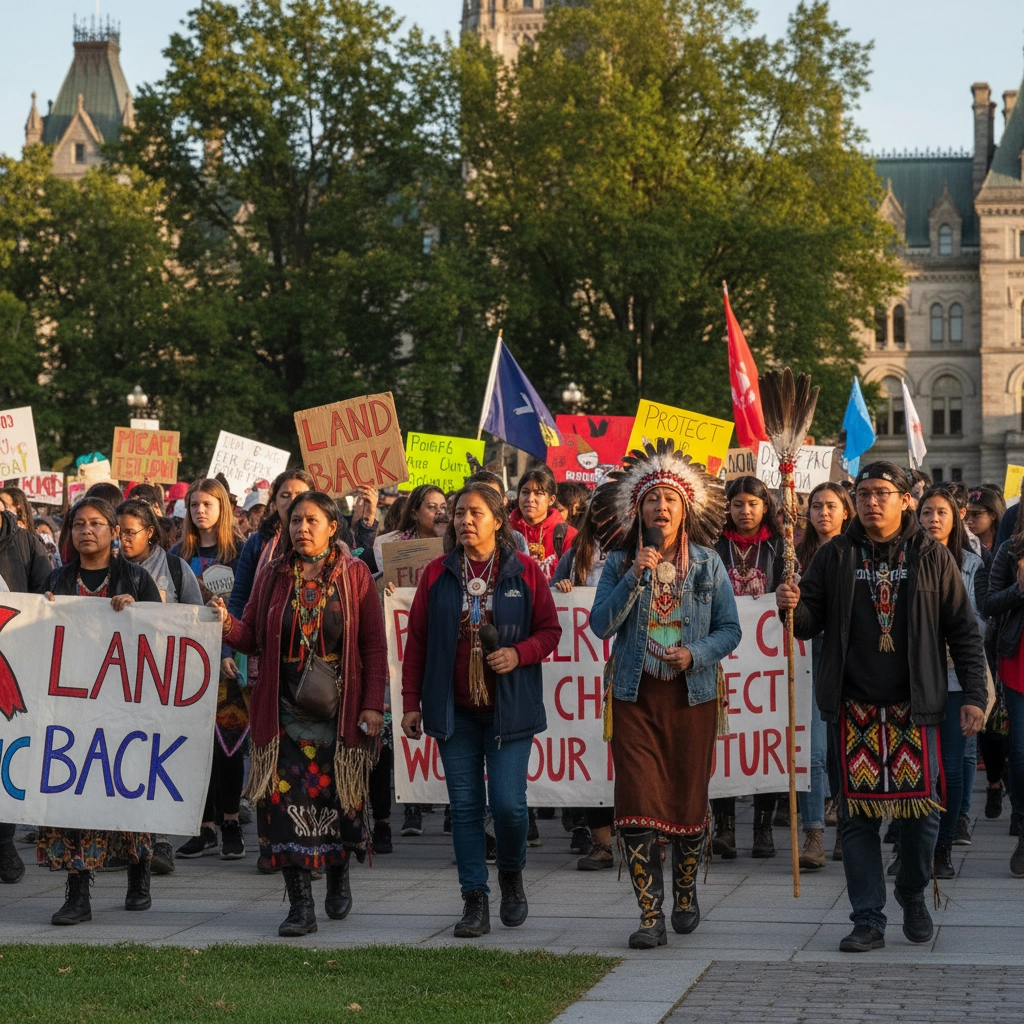
Class action lawsuits in Canada are a powerful tool for addressing widespread harm, allowing numerous individuals with similar claims to unite against a common defendant. These actions are typically based on common law or statutory law. However, Canada’s legal landscape is increasingly acknowledging the distinct and vital role of Indigenous legal systems. These systems, rooted in the customs, traditions, and practices of Indigenous peoples, offer unique perspectives on justice, remedies, and the resolution of disputes. Incorporating Indigenous legal principles into class action claims, particularly those affecting Indigenous communities, presents both challenges and opportunities for advancing reconciliation and achieving more equitable outcomes. This exploration delves into the intersection of Indigenous law and class action claims within the Canadian context, examining the potential for its integration, the barriers to its implementation, and the implications for justice and reconciliation. As class action lawsuits represent a powerful tool for Indigenous communities, understanding this intersection is crucial.


The Nature of Indigenous Legal Traditions
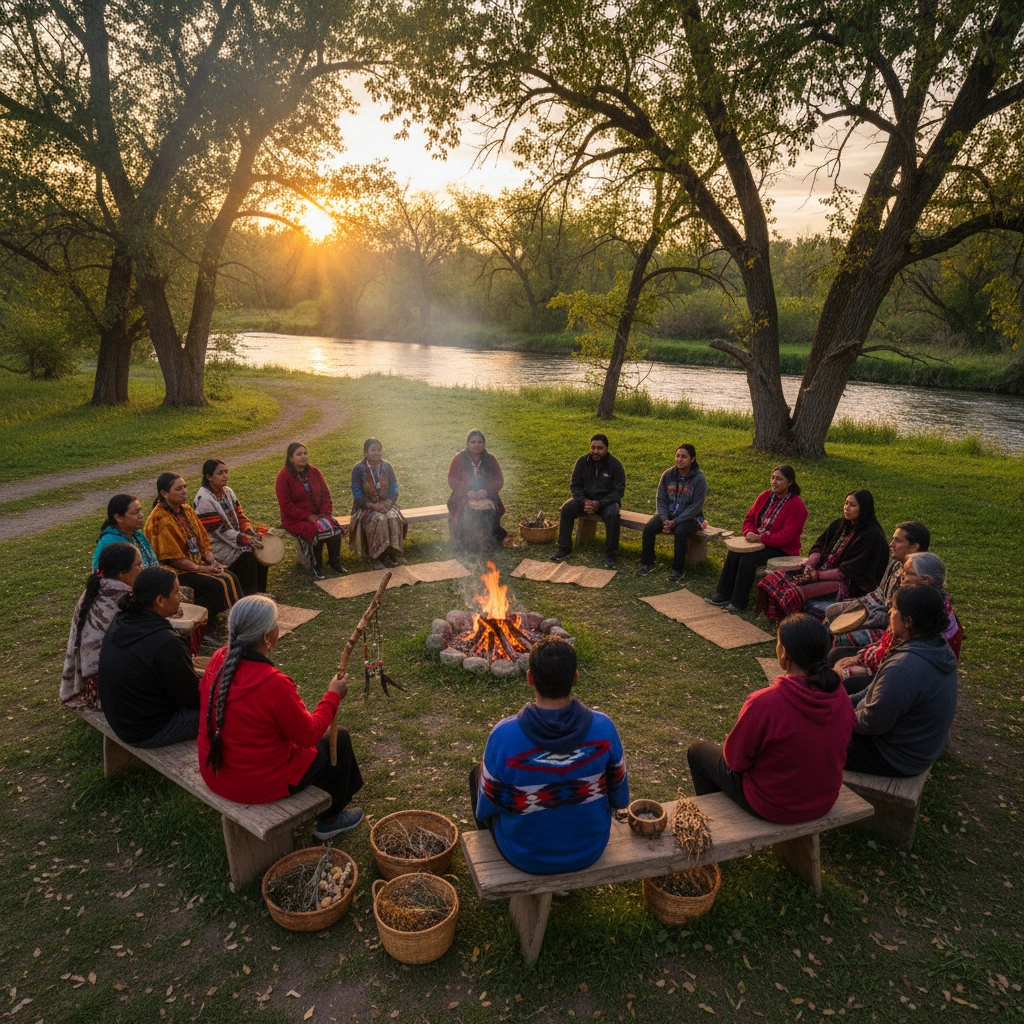
Indigenous legal traditions are diverse and vary significantly among First Nations, Inuit, and Métis communities across Canada. Unlike the codified nature of Canadian common and statutory law, Indigenous law is often unwritten, orally transmitted, and deeply connected to the land, culture, and spirituality of each community. These legal systems emphasize restorative justice, healing, and community well-being, often prioritizing reconciliation and the restoration of relationships over punitive measures. Core principles often include respect for the environment, the interconnectedness of all living things, and the importance of collective decision-making. Understanding the nuances of these legal systems is crucial when considering their relevance to class action claims, which often involve complex legal concepts and procedures that may not align neatly with Indigenous legal thought.
Integration of Indigenous Law in Class Actions
The integration of Indigenous law into class action claims is a complex and evolving area of Canadian jurisprudence. There are several potential avenues for this integration. First, Indigenous legal principles can inform the interpretation and application of existing common law and statutory law in cases involving Indigenous plaintiffs or issues affecting Indigenous communities. Courts may consider Indigenous perspectives on issues such as environmental damage, cultural loss, or breaches of treaty rights. Second, Indigenous legal processes, such as mediation and restorative justice circles, could be incorporated into the resolution of class action claims, providing culturally appropriate forums for dialogue and reconciliation. Third, class action settlements could include provisions that recognize and support Indigenous legal systems, such as funding for cultural revitalization programs or the establishment of Indigenous-led dispute resolution mechanisms. However, the implementation of these approaches requires careful consideration of the specific context of each case, as well as the recognition of Indigenous sovereignty and self-determination.

Challenges to Integrating Indigenous Law
Despite the potential benefits of integrating Indigenous law into class action claims, several challenges remain. One significant obstacle is the lack of judicial familiarity with Indigenous legal systems. Many judges and lawyers have limited knowledge of Indigenous laws and legal processes, which can lead to misunderstandings and misinterpretations. Furthermore, the unwritten nature of many Indigenous legal traditions can make it difficult to ascertain and apply these laws in a courtroom setting. There are also concerns about the potential for cultural appropriation or the distortion of Indigenous law through its application in a non-Indigenous legal context. Ensuring that Indigenous communities have control over the interpretation and application of their own laws is essential to avoid these pitfalls. Finally, the inherent complexity of class action litigation, with its strict procedural requirements and adversarial nature, can be at odds with the collaborative and restorative principles of many Indigenous legal systems.
Case Studies and Examples
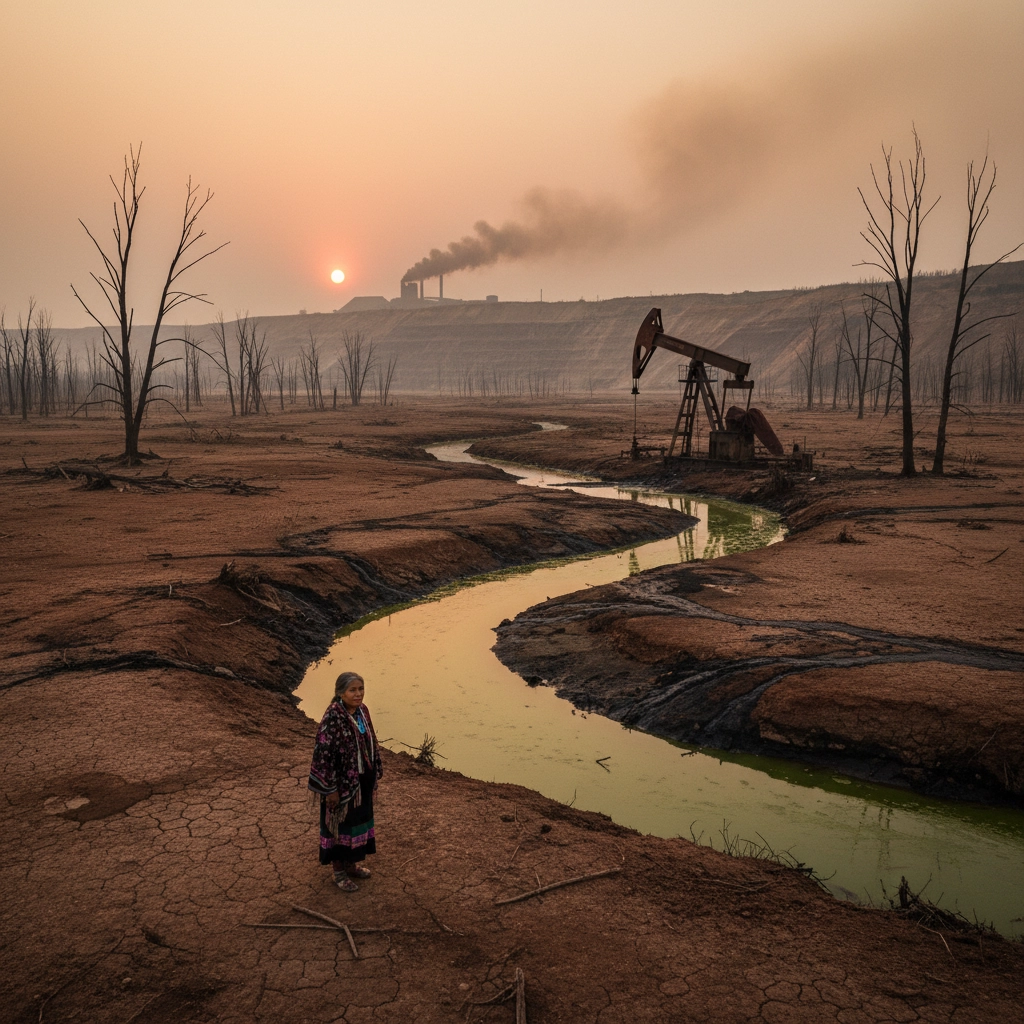
Several recent cases illustrate the growing recognition of Indigenous law in the Canadian legal system and its potential relevance to class action claims. In the *Residential Schools Settlement Agreement*, for example, the Truth and Reconciliation Commission of Canada was established to document the experiences of residential school survivors and promote reconciliation between Indigenous and non-Indigenous peoples. While not a class action in the traditional sense, this process involved a collective effort to address historical injustices and acknowledge the ongoing harm caused by residential schools, reflecting principles of restorative justice and healing that are central to many Indigenous legal systems. Similarly, in environmental class actions involving Indigenous communities, courts have increasingly considered Indigenous perspectives on the impact of resource development on traditional lands and ways of life. These cases demonstrate the potential for Indigenous law to inform the assessment of damages and the design of remedies in class action claims.

Advancing Reconciliation Through Class Actions
Class action lawsuits can be powerful tools for advancing reconciliation between Indigenous and non-Indigenous peoples in Canada, but only if they are approached in a culturally sensitive and respectful manner. This requires meaningful consultation with Indigenous communities at all stages of the litigation process, from the initial investigation of potential claims to the negotiation of settlements and the implementation of remedies. It also requires a willingness to consider Indigenous perspectives on justice and healing, and to incorporate Indigenous legal principles and processes where appropriate. Class action settlements should not only provide compensation for past harms but also include measures to address ongoing systemic issues and support the long-term well-being of Indigenous communities. By working in partnership with Indigenous communities, class action lawyers can play a crucial role in promoting reconciliation and achieving more equitable outcomes for all Canadians.
Conclusion: A Path Forward
The integration of Indigenous law into class action claims in Canada represents a significant opportunity to advance reconciliation and achieve more just outcomes for Indigenous communities. While challenges remain, the growing recognition of Indigenous legal systems and the increasing willingness of courts and lawyers to consider Indigenous perspectives offer a promising path forward. By embracing a collaborative and culturally sensitive approach, and by working in partnership with Indigenous communities, the Canadian legal system can harness the power of class action litigation to address historical injustices, promote healing, and build a more equitable and inclusive society for all. This requires ongoing education, dialogue, and a commitment to upholding the principles of Indigenous sovereignty and self-determination.