


Introduction to Systemic Discrimination and Class Actions
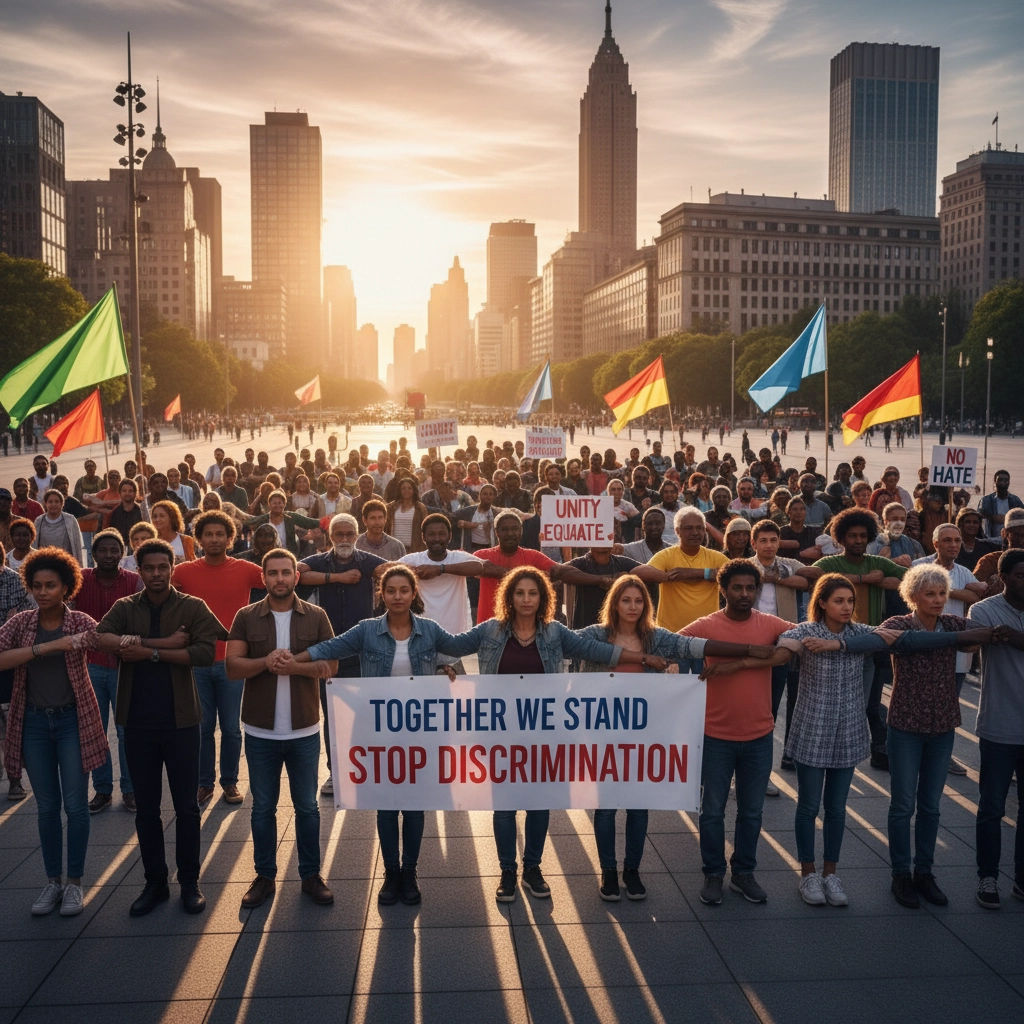
Systemic discrimination, deeply entrenched in societal structures and institutions, poses a significant challenge to achieving equality and justice. It manifests as policies, practices, or norms that, while seemingly neutral, disproportionately disadvantage particular groups based on race, gender, religion, disability, or other protected characteristics. In Canada, human rights class actions have emerged as a crucial legal mechanism for addressing these pervasive forms of discrimination, offering a pathway for individuals who have suffered similar harms to collectively seek redress and drive systemic change. These actions recognize that individual claims, while important, often fail to capture the full scope and impact of systemic discrimination, which requires a broader, more comprehensive approach to remedy. Human rights class actions address systemic discrimination


The Legal Framework for Human Rights Class Actions in Canada
The legal landscape governing human rights class actions in Canada is shaped by both federal and provincial legislation, as well as common law principles. Each province has its own class proceedings act, which sets out the procedural requirements for certifying a class action, including criteria related to commonality, numerosity, and the existence of a representative plaintiff. In addition, human rights legislation at both the federal and provincial levels prohibits discrimination in various contexts, such as employment, housing, and services. These laws provide the substantive basis for many human rights class actions, establishing the legal standards against which discriminatory conduct is assessed. The interplay between class proceedings legislation and human rights law allows individuals to bring collective claims alleging systemic violations of their human rights, seeking remedies that can include monetary compensation, policy changes, and other forms of equitable relief. The Supreme Court of Canada has played a significant role in shaping this area of law, issuing landmark decisions that clarify the requirements for certification and provide guidance on the assessment of systemic discrimination claims.
Key Elements of a Successful Human Rights Class Action
To succeed in a human rights class action in Canada, plaintiffs must establish several key elements. First, they must demonstrate that a common issue exists among the members of the proposed class, meaning that there is a shared question of law or fact that can be efficiently resolved on a class-wide basis. This often involves demonstrating that the defendant engaged in a policy or practice that had a discriminatory effect on a particular group. Second, plaintiffs must show that the class is sufficiently numerous to make a class action the most efficient and effective means of resolving the claims. Third, they must identify a representative plaintiff who is able to adequately represent the interests of the class members. Finally, plaintiffs must prove that the defendant’s conduct violated human rights legislation or other applicable laws. This typically requires presenting evidence of statistical disparities, anecdotal accounts of discrimination, and expert testimony to establish a causal link between the defendant’s actions and the harm suffered by the class members. The burden of proof rests on the plaintiffs, but courts may draw inferences of discrimination based on circumstantial evidence. These actions can involve claims based on race, gender, religion, sexual orientation, age

Challenges and Considerations in Human Rights Class Actions
Despite their potential to effect meaningful change, human rights class actions in Canada face several challenges. One significant hurdle is the difficulty of gathering and presenting evidence of systemic discrimination, which often involves analyzing complex data and uncovering hidden biases. Another challenge is the risk of high litigation costs, which can deter potential plaintiffs and limit access to justice. Furthermore, defendants in these cases often vigorously defend their practices, raising various legal and factual defenses that can prolong the litigation and increase its complexity. Courts must carefully balance the interests of the plaintiffs and the defendants, ensuring that the proceedings are fair and efficient. In addition, issues of standing, jurisdiction, and the appropriate scope of relief can also present significant obstacles to the successful resolution of human rights class actions. The need for clear legal standards and effective case management strategies is crucial to addressing these challenges and promoting the effective use of class actions as a tool for combating systemic discrimination.
Examples of Significant Human Rights Class Actions in Canada
Several notable human rights class actions in Canada have addressed a wide range of systemic discrimination issues. One example is class actions alleging discrimination against Indigenous children in the child welfare system, which have sought to address the systemic underfunding and discriminatory practices that have led to the overrepresentation of Indigenous children in care. These actions have resulted in significant settlements and commitments to reform the child welfare system. Another example is class actions alleging discrimination against women in the Canadian Armed Forces, which have addressed issues of sexual harassment, assault, and gender inequality. These actions have led to apologies from the government, compensation for victims, and changes to military policies and procedures. Other examples include class actions alleging discrimination in employment based on race, disability, and other protected characteristics. These cases demonstrate the diverse applications of human rights class actions as a tool for challenging systemic discrimination and promoting equality in various sectors of Canadian society. The outcomes of these cases have had a far-reaching impact, not only for the individual class members but also for the broader community.
The Future of Human Rights Class Actions in Canada
Human rights class actions will likely continue to play a vital role in addressing systemic discrimination in Canada. As societal awareness of these issues grows and legal frameworks evolve, we can anticipate an increase in the number and scope of these actions. Courts will likely continue to refine the legal standards for certifying and adjudicating human rights class actions, striving to balance the need for effective remedies with the principles of fairness and due process. Furthermore, advancements in data analysis and social science research may provide new tools for identifying and proving systemic discrimination, strengthening the evidentiary basis for these claims. Collaboration between legal professionals, academics, and community organizations will be essential to advancing the effective use of human rights class actions as a means of promoting equality and justice for all Canadians. These actions serve not only to compensate victims of discrimination but also to hold institutions accountable and drive systemic change that prevents future harm. As such, their continued development and utilization are crucial for building a more equitable and inclusive society.