



The cornerstone of any successful class action lawsuit in Canada is the robust collection and preservation of evidence. This process, often complex and demanding, requires meticulous attention to detail from the outset. Failing to adequately preserve evidence can severely compromise the case, potentially leading to dismissal or a significantly reduced settlement. Therefore, understanding best practices in evidence management is paramount for both plaintiffs and defendants involved in class action litigation.


Defining Relevant Evidence
The initial step in evidence preservation is defining what constitutes relevant evidence. This includes any information, document, or tangible item that could prove or disprove a claim made in the lawsuit. In a class action, relevance is often broadly construed, encompassing a wide range of materials that might shed light on the common issues affecting the class members. This could include internal company documents, emails, marketing materials, sales records, customer complaints, expert reports, and even publicly available information. Identifying key custodians of information within organizations is crucial, as they can provide valuable insights into where relevant evidence might be located. A thorough understanding of the legal claims and defenses is essential to guide the identification process and ensure that all potentially relevant evidence is identified and preserved. To effectively demonstrate harm to the class, you need all supporting documentation. This early assessment sets the stage for a defensible and comprehensive approach to evidence management throughout the litigation.
Implementing a Legal Hold
Once relevant evidence has been identified, the next critical step is to implement a legal hold. A legal hold is a notification issued to individuals or organizations instructing them to preserve potentially relevant evidence, preventing its destruction or alteration. This notification should be clear, concise, and specific, outlining the scope of the legal hold, the types of evidence to be preserved, and the consequences of non-compliance. Distributing the legal hold notice to all relevant custodians and documenting the distribution process is essential for demonstrating good faith efforts to preserve evidence. Regular reminders and follow-up communications should be sent to custodians to reinforce the importance of the legal hold and ensure ongoing compliance. In addition, it’s vital to suspend any routine data destruction policies or practices that could inadvertently result in the loss of relevant information. A well-implemented legal hold is a fundamental obligation for both plaintiffs and defendants in class action litigation, safeguarding the integrity of the evidence and preventing spoliation claims. Understanding the evidence needed is key.

Data Mapping and Collection Strategies
Effective data mapping is crucial for locating and collecting relevant evidence efficiently. Data mapping involves identifying the various locations where electronic and physical documents are stored, including servers, computers, mobile devices, cloud storage, and physical filing systems. This process helps to understand the volume, format, and accessibility of the data, enabling the development of a targeted collection strategy. The collection strategy should outline the methods for retrieving data from different sources, ensuring that the process is forensically sound and preserves the integrity of the evidence. Utilizing specialized software and tools for data collection can streamline the process and minimize the risk of data corruption or loss. It’s essential to maintain a detailed audit trail of the collection process, documenting the date, time, location, and method of collection, as well as the individuals involved. This documentation provides a clear record of the chain of custody, which is critical for demonstrating the defendant's liability in court.
Maintaining Data Integrity and Chain of Custody
Maintaining the integrity of evidence and establishing a clear chain of custody are essential for ensuring its admissibility in court. Chain of custody refers to the documented record of the sequence of custody, control, transfer, analysis, and disposition of evidence. This record should include the date and time of each transfer, the names of the individuals involved, and a description of the evidence. Any alteration or modification of the evidence must be carefully documented and justified. For electronic evidence, it’s crucial to use forensic techniques to create a bit-for-bit copy of the original data, preserving its metadata and ensuring its authenticity. Hash values, which are unique digital fingerprints of the data, should be generated to verify that the copies are identical to the original. Secure storage facilities and access controls should be implemented to prevent unauthorized access to the evidence. By meticulously maintaining the chain of custody and ensuring data integrity, parties can demonstrate the reliability and trustworthiness of the evidence presented in court.
Addressing Spoliation Concerns
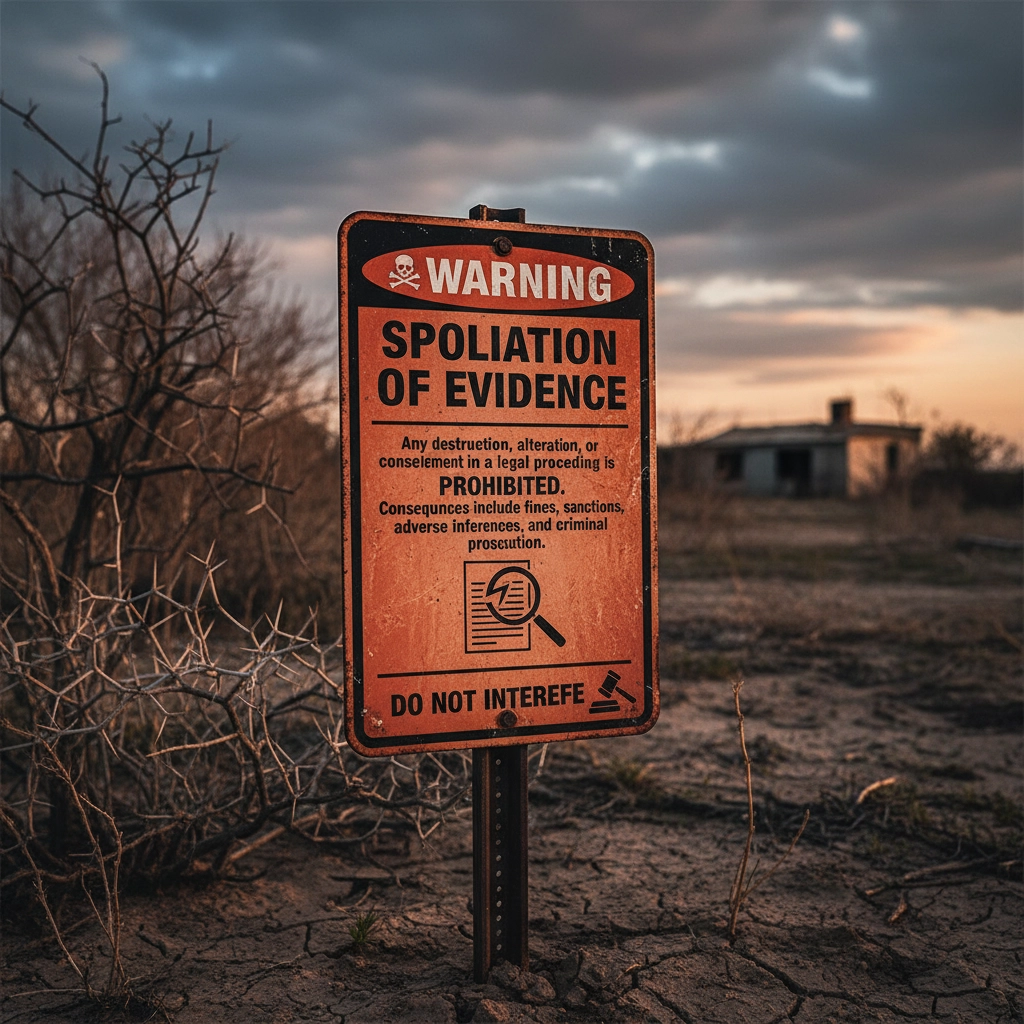
Spoliation refers to the destruction or significant alteration of evidence, or the failure to preserve evidence that a party knew or should have known was relevant to pending or reasonably foreseeable litigation. Spoliation can have severe consequences, including adverse inferences, monetary sanctions, or even dismissal of the case. To avoid spoliation claims, it’s essential to implement a comprehensive evidence preservation plan that includes a legal hold, data mapping, and secure storage procedures. When evidence is inadvertently lost or destroyed, it’s crucial to promptly investigate the circumstances and take steps to mitigate the damage. This may involve attempting to recover the lost data, notifying opposing counsel, and providing a full explanation of the incident. Transparency and cooperation with opposing counsel can help to minimize the potential for sanctions. Documenting all efforts to preserve and recover evidence is essential for demonstrating good faith and mitigating the risk of spoliation claims.
Technological Tools for Efficient Evidence Management
The volume of data involved in class action litigation often necessitates the use of technological tools to manage evidence efficiently. E-discovery software can assist with identifying, collecting, processing, reviewing, and producing electronic documents. These tools offer features such as keyword searching, deduplication, email threading, and predictive coding, which can significantly reduce the time and cost associated with document review. Data analytics tools can be used to identify patterns and trends in the data, providing valuable insights into the merits of the case. Project management software can help to track deadlines, assign tasks, and monitor progress throughout the litigation process. Collaboration platforms enable attorneys, paralegals, and experts to share documents and communicate effectively. Investing in the right technology and training personnel to use it effectively can significantly improve the efficiency and accuracy of evidence management.
Effective evidence collection and preservation are not merely procedural formalities but rather fundamental pillars supporting the integrity and fairness of Canadian class action lawsuits. By diligently adhering to best practices in these areas, parties can ensure that relevant evidence is available, reliable, and admissible, ultimately contributing to a just resolution of the dispute. Proactive planning, meticulous execution, and a commitment to transparency are essential for navigating the complex landscape of evidence management in class action litigation. A strong foundation of evidence well-preserved evidence strengthens a party’s position, promotes settlement opportunities, and increases the likelihood of a favorable outcome at trial.