


Introduction to Environmental Class Actions
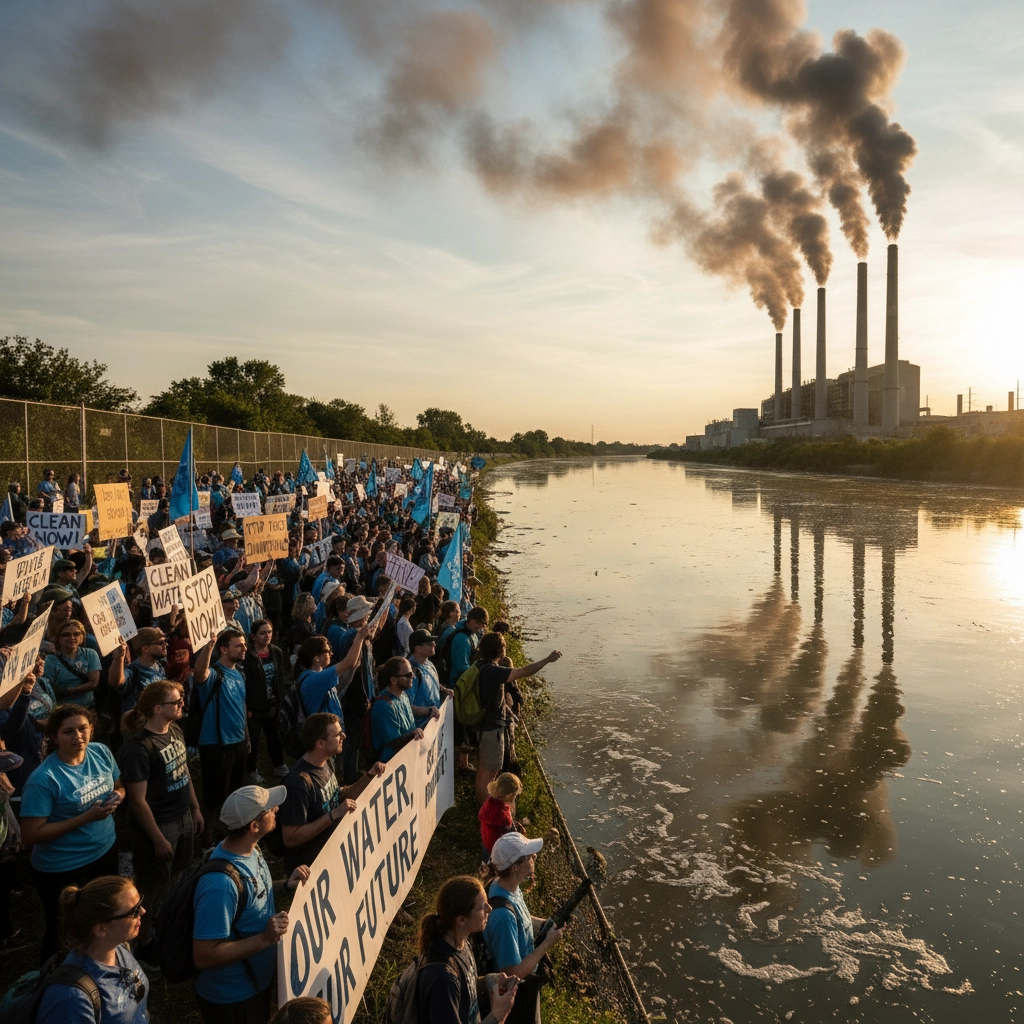
Environmental class actions in Canada are a powerful legal tool that allows groups of people who have suffered similar harm due to environmental contamination or damage to band together and seek justice. These actions provide a mechanism for holding polluters accountable for their actions, compensating victims for their losses, and promoting environmental protection. By pooling resources and sharing legal costs, individuals and communities can overcome the often significant barriers to accessing the courts and challenging powerful corporations or government entities responsible for environmental harm. These lawsuits can address a wide range of environmental issues, from contaminated drinking water and polluted air to oil spills and deforestation, ensuring that those who are harmed by environmental degradation have a voice and a path to redress.

Understanding Environmental Contamination Class Actions
Environmental contamination class actions are specifically designed to address situations where a pollutant or hazardous substance has contaminated the environment, causing harm to human health, property, or economic interests. These actions often arise from industrial accidents, improper waste disposal, or the release of toxic chemicals into the air, water, or soil. To succeed in a contamination class action, plaintiffs must demonstrate that they have suffered harm as a result of the contamination, that the defendant is responsible for the contamination, and that a class action is the most appropriate way to resolve the claims of all affected individuals. The types of damages that can be recovered in these actions include medical expenses, property damage, lost income, and diminution in property value. Expert testimony is often crucial in establishing the link between the contamination and the harm suffered by the plaintiffs, as well as in assessing the extent of the damages.
Oil Spill Class Actions and Legal Options
Oil spills can have devastating consequences for the environment and the communities that depend on it. Oil spill class actions provide a legal avenue for affected communities to seek compensation for the economic, environmental, and social harms caused by these spills. These actions can be brought against the companies responsible for the spill, as well as any other parties who may have contributed to the incident. In Canada, the legal options available to affected communities include claims for damages under federal and provincial environmental laws, as well as common law claims for negligence and nuisance. The types of damages that can be recovered in oil spill class actions include compensation for lost income, property damage, cleanup costs, and environmental restoration. The successful prosecution of these actions often requires extensive scientific and technical expertise to demonstrate the extent of the environmental damage and the link between the spill and the harm suffered by the plaintiffs. Furthermore, these actions often involve complex legal and procedural issues, making it essential for affected communities to seek experienced legal counsel.
Pollution Lawsuits: Collective Action for a Healthier Environment
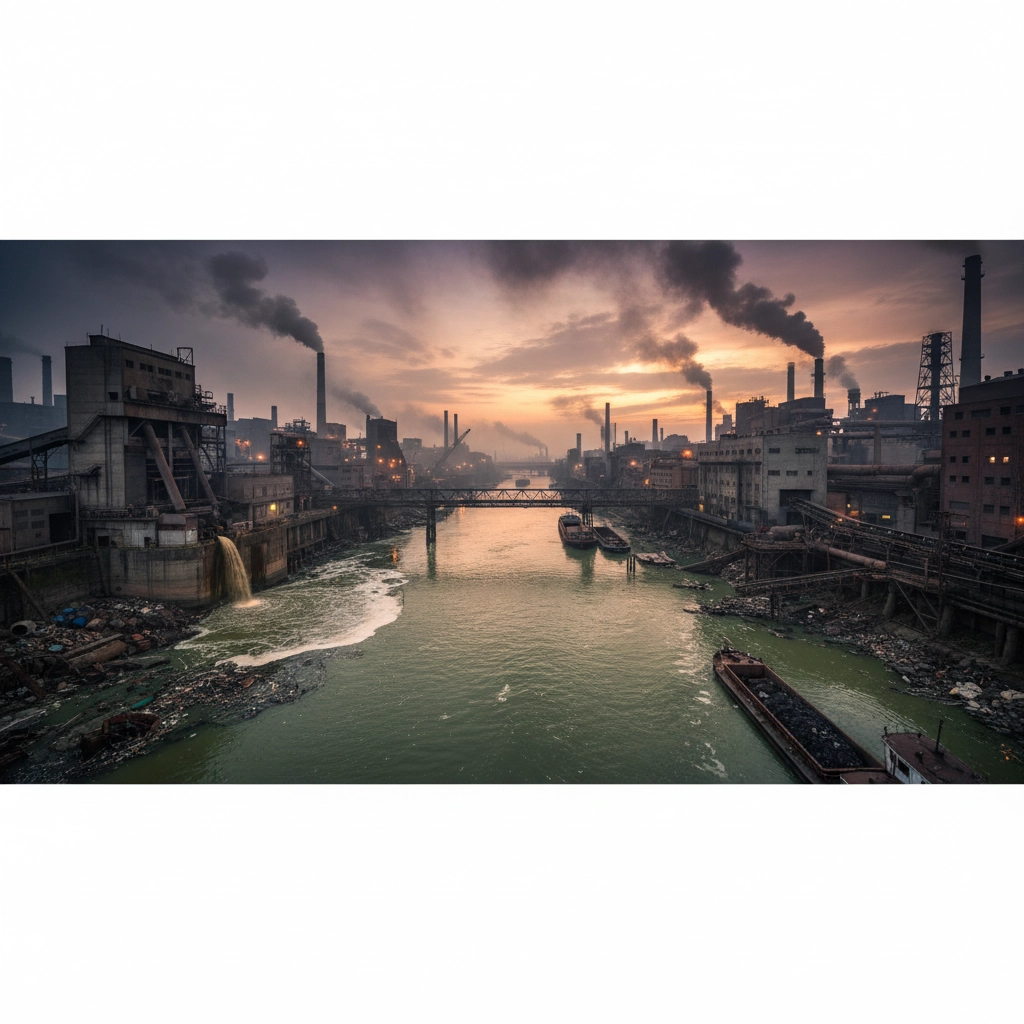
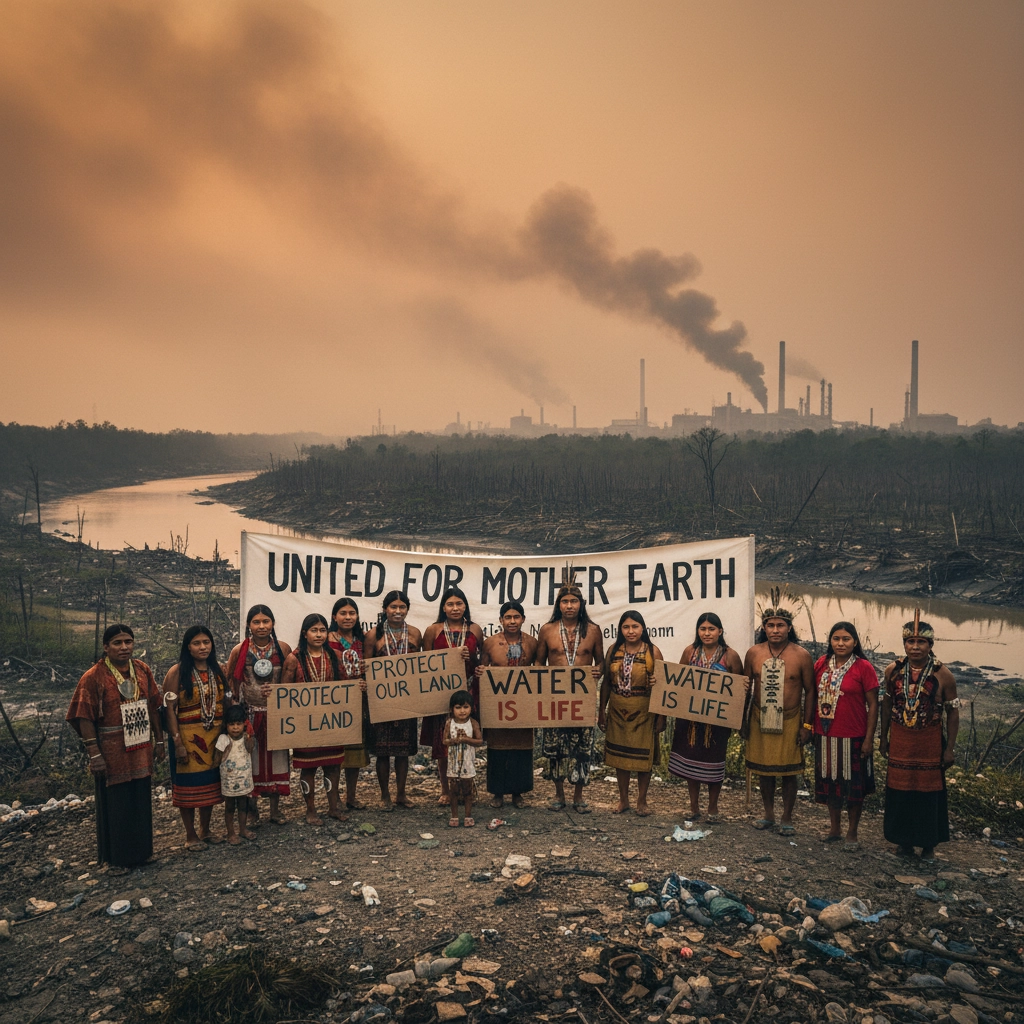
Pollution lawsuits, encompassing a broad spectrum of environmental infringements, enable communities to collectively challenge activities that degrade air, water, and soil quality. These class actions can target a variety of polluters, from industrial facilities and agricultural operations to transportation companies and government entities. By joining a pollution class action, individuals can leverage their collective power to hold polluters accountable, secure compensation for damages, and advocate for stricter environmental regulations. These lawsuits often focus on demonstrating the link between the pollution and the health problems or economic losses suffered by the plaintiffs. Expert evidence, including air and water quality testing, medical records, and economic analyses, plays a crucial role in establishing causation and quantifying damages. In addition to seeking monetary compensation, pollution class actions can also seek injunctive relief, such as orders requiring the polluter to cease its polluting activities or to implement pollution control measures. These actions are vital for protecting the environment and ensuring that polluters bear the costs of their actions.
Deforestation and Habitat Loss: Protecting Canadian Ecosystems
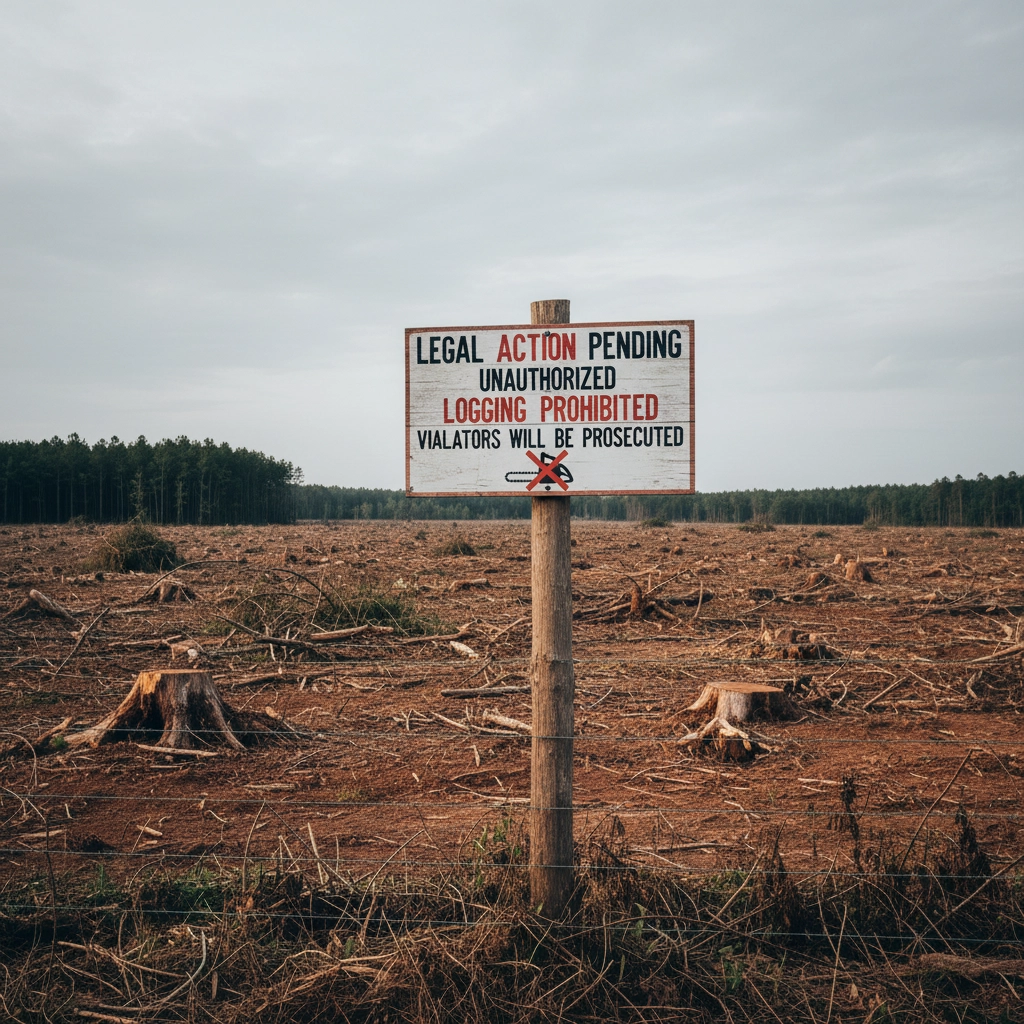
Canadian class actions for deforestation and habitat loss represent a growing area of environmental litigation, reflecting increasing concerns about the impacts of these activities on biodiversity, climate change, and ecosystem services. These actions can be brought against companies and individuals involved in logging, mining, agriculture, or development projects that result in the destruction or degradation of forests and other critical habitats. To succeed in a deforestation or habitat loss class action, plaintiffs must demonstrate that the defendant’s activities have caused significant environmental damage and that they have suffered harm as a result. The types of damages that can be recovered in these actions include compensation for lost economic opportunities, such as tourism or forestry, as well as damages for the loss of ecological values and cultural heritage. Expert evidence, including ecological assessments, wildlife surveys, and economic analyses, is often crucial in establishing the extent of the damage and the link between the defendant’s activities and the harm suffered by the plaintiffs. These actions are essential for promoting sustainable land management practices and protecting Canada’s rich biodiversity.

Filing and Supporting Environmental Class Action Claims
Filing an environmental class action claim in Canada involves a complex legal process, requiring careful attention to detail and adherence to strict procedural rules. The first step is to identify a law firm with experience in environmental class actions and to consult with them about the merits of your potential claim. The law firm will then investigate the facts of the case, gather evidence, and draft a statement of claim outlining the allegations against the defendant and the damages sought by the plaintiffs. Once the statement of claim is filed, the court must certify the class action, meaning that it must determine that the claims of the class members are sufficiently similar and that a class action is the most appropriate way to resolve the issues. If the class action is certified, class members will be notified and given the opportunity to participate in the lawsuit. Throughout the litigation process, class members can support the action by providing information, documents, and testimony, as well as by attending court hearings and participating in settlement negotiations. Supporting conservation efforts can also strengthen the overall impact of the class action by demonstrating a commitment to environmental protection and sustainability.
Conclusion: Empowering Communities to Protect the Environment
Environmental class actions serve as a crucial mechanism for empowering communities to protect the environment and hold polluters accountable for their actions. By providing a legal avenue for individuals and groups to collectively seek justice for environmental harm, these actions promote environmental stewardship, deter future pollution, and ensure that those who are harmed by environmental degradation receive compensation for their losses. As awareness of environmental issues grows and the impacts of pollution and climate change become more evident, environmental class actions are likely to play an increasingly important role in safeguarding Canada’s environment for future generations. By understanding their legal rights and options, and by working together to support environmental class actions, Canadians can make a meaningful difference in protecting the health of their communities and the planet.
Class Actions for Environmental Harm: Holding Polluters Accountable in Canada!
Environmental Contamination: Class Actions for Compensation
Introduction to Environmental Class Actions
Environmental class actions are a vital legal tool in Canada, empowering communities and individuals to seek justice and compensation for harm caused by pollution and environmental damage. These actions allow a large group of people with similar grievances to unite and collectively pursue legal action against polluters, holding them accountable for their actions and promoting environmental responsibility. The strength of a class action lies in its ability to pool resources, share legal costs, and amplify the voices of those affected, making it a powerful mechanism for redressing environmental wrongs and advocating for a healthier, more sustainable future. These actions can address various environmental issues, including contaminated water, air pollution, oil spills, deforestation, and habitat loss, providing a pathway for affected communities to seek redress and contribute to environmental conservation.
Seeking Redress for Environmental Contamination
Environmental contamination class actions specifically address situations where pollutants or hazardous substances have contaminated the environment, leading to adverse health effects, property damage, or economic losses for individuals and communities. These actions typically arise from industrial accidents, improper waste disposal, or the release of toxic chemicals into the environment. Plaintiffs in contamination class actions must demonstrate a causal link between the contamination and their harm, establish the defendant’s responsibility for the contamination, and prove that a class action is the most efficient and fair way to resolve the claims of all affected parties. Recoverable damages may include medical expenses, property remediation costs, lost income, and decreased property values. Expert testimony from scientists, engineers, and medical professionals often plays a crucial role in establishing the link between the contamination and the plaintiffs’ damages and in determining the extent of the harm caused.
Oil Spill Class Actions: Justice for Affected Communities
Oil spills inflict devastating damage on the environment and the communities that depend on it, causing widespread ecological harm, economic disruption, and social distress. Oil spill class actions offer a crucial legal avenue for affected communities to seek compensation for the multifaceted losses resulting from these disasters. These actions can be brought against companies responsible for the spill, as well as any other parties that contributed to the incident. Canadian law provides several legal options for affected communities, including claims for damages under federal and provincial environmental legislation and common law claims for negligence and nuisance. Recoverable damages in oil spill class actions can encompass lost income, property damage, cleanup expenses, environmental restoration costs, and compensation for the loss of cultural and recreational resources. The success of these actions often hinges on comprehensive scientific and technical evidence demonstrating the extent of the environmental damage and the causal link between the spill and the harm suffered by the plaintiffs.
Pollution Lawsuits: Joining Forces to Safeguard Our Environment
Pollution lawsuits, encompassing a broad range of environmental offenses, empower communities to collectively challenge activities that degrade air, water, and soil quality. These class actions can target various polluters, including industrial facilities, agricultural operations, transportation companies, and government entities. By joining a pollution class action, individuals can leverage their collective power to hold polluters accountable, secure compensation for damages, and advocate for stricter environmental regulations. These lawsuits typically focus on demonstrating the link between the pollution and the health problems or economic losses experienced by the plaintiffs. Expert evidence, such as air and water quality testing, medical records, and economic analyses, plays a vital role in establishing causation and quantifying damages. In addition to seeking monetary compensation, pollution class actions can also seek injunctive relief, such as court orders requiring the polluter to cease its polluting activities or implement pollution control measures.
Deforestation and Habitat Loss: Upholding Legal Rights
Canadian class actions for deforestation and habitat loss are gaining prominence as concerns mount regarding the impacts of these activities on biodiversity, climate change, and ecosystem services. These actions can be initiated against companies and individuals engaged in logging, mining, agriculture, or development projects that lead to the destruction or degradation of forests and other vital habitats. To prevail in a deforestation or habitat loss class action, plaintiffs must demonstrate that the defendant’s activities have caused significant environmental damage and that they have suffered harm as a result. Recoverable damages may include compensation for lost economic opportunities, such as tourism or forestry, as well as damages for the loss of ecological values and cultural heritage. Expert evidence, including ecological assessments, wildlife surveys, and economic analyses, is often crucial in establishing the extent of the damage and the causal link between the defendant’s activities and the harm suffered by the plaintiffs.
Initiating and Supporting Environmental Class Action Claims
Initiating an environmental class action claim in Canada involves a complex legal process that demands meticulous attention to detail and strict adherence to procedural rules. The first step is to engage a law firm with expertise in environmental class actions and to seek their assessment of your potential claim. The law firm will then conduct a thorough investigation of the facts, gather relevant evidence, and draft a statement of claim outlining the allegations against the defendant and the damages sought by the plaintiffs. Once the statement of claim is filed, the court must certify the class action, determining that the claims of the class members are sufficiently similar and that a class action is the most appropriate mechanism for resolving the issues. If the class action is certified, class members will be notified and given the opportunity to participate in the lawsuit. Throughout the litigation process, class members can bolster the action by providing information, documents, and testimony, as well as by attending court hearings and participating in settlement negotiations.
Conclusion: Collective Action for Environmental Justice
Environmental class actions represent a powerful means for empowering communities to protect the environment and hold polluters accountable for their actions. By providing a legal avenue for individuals and groups to collectively seek redress for environmental harm, these actions foster environmental stewardship, deter future pollution, and ensure that those harmed by environmental degradation receive just compensation for their losses. As environmental awareness grows and the impacts of pollution and climate change become increasingly evident, environmental class actions will continue to play a crucial role in safeguarding Canada’s environment for future generations. By understanding their legal rights and options and by collaborating to support environmental class actions, Canadians can make a meaningful contribution to protecting the health of their communities and the planet.
Class Actions for Environmental Harm: Holding Polluters Accountable in Canada!
Environmental Justice: Seeking Compensation Through Class Actions
Introduction to Environmental Class Actions
Environmental class actions in Canada offer a crucial pathway for individuals and communities to seek justice and compensation when they have suffered harm due to environmental contamination or damage. These collective legal actions empower groups of people with similar grievances to unite and pursue legal recourse against polluters and those responsible for environmental degradation. By pooling resources, sharing legal costs, and amplifying their voices, class actions provide a powerful mechanism for holding corporations and government entities accountable for their actions, promoting environmental protection, and ensuring that victims of environmental harm receive fair compensation for their losses. These actions cover a broad range of environmental issues, including water contamination, air pollution, oil spills, deforestation, and habitat destruction, enabling affected communities to seek redress and advocate for a healthier and more sustainable environment.
Environmental Contamination: Seeking Legal Redress
Environmental contamination class actions are specifically designed to address situations where pollutants or hazardous substances have contaminated the environment, causing harm to human health, property, or economic interests. These actions often arise from industrial accidents, improper waste disposal practices, or the release of toxic chemicals into the air, water, or soil. To succeed in a contamination class action, plaintiffs must demonstrate that they have suffered harm as a result of the contamination, that the defendant is responsible for the contamination, and that a class action is the most appropriate way to resolve the claims of all affected individuals. The types of damages that can be recovered in these actions include medical expenses, property damage, lost income, and diminution in property value. Expert testimony from scientists, engineers, and medical professionals is often crucial in establishing the link between the contamination and the harm suffered by the plaintiffs, as well as in assessing the extent of the damages.
Oil Spill Class Actions: Protecting Communities and Ecosystems
Oil spills can have devastating consequences for the environment and the communities that depend on it, causing widespread ecological damage, economic disruption, and social hardship. Oil spill class actions provide a vital legal avenue for affected communities to seek compensation for the economic, environmental, and social harms caused by these spills. These actions can be brought against the companies responsible for the spill, as well as any other parties who may have contributed to the incident. In Canada, the legal options available to affected communities include claims for damages under federal and provincial environmental laws, as well as common law claims for negligence and nuisance. The types of damages that can be recovered in oil spill class actions include compensation for lost income, property damage, cleanup costs, and environmental restoration. The successful prosecution of these actions often requires extensive scientific and technical expertise to demonstrate the extent of the environmental damage and the link between the spill and the harm suffered by the plaintiffs.
Pollution Lawsuits: Collective Action for a Sustainable Future
Pollution lawsuits, encompassing a wide spectrum of environmental infringements, empower communities to collectively challenge activities that degrade air, water, and soil quality. These class actions can target a variety of polluters, from industrial facilities and agricultural operations to transportation companies and government entities. By joining a pollution class action, individuals can leverage their collective power to hold polluters accountable, secure compensation for damages, and advocate for stricter environmental regulations. These lawsuits often focus on demonstrating the link between the pollution and the health problems or economic losses suffered by the plaintiffs. Expert evidence, including air and water quality testing, medical records, and economic analyses, plays a crucial role in establishing causation and quantifying damages. In addition to seeking monetary compensation, pollution class actions can also seek injunctive relief, such as orders requiring the polluter to cease its polluting activities or to implement pollution control measures.
Deforestation and Habitat Loss: Protecting Biodiversity and Ecosystems
Canadian class actions for deforestation and habitat loss represent a growing area of environmental litigation, reflecting increasing concerns about the impacts of these activities on biodiversity, climate change, and ecosystem services. These actions can be brought against companies and individuals involved in logging, mining, agriculture, or development projects that result in the destruction or degradation of forests and other critical habitats. To succeed in a deforestation or habitat loss class action, plaintiffs must demonstrate that the defendant’s activities have caused significant environmental damage and that they have suffered harm as a result. The types of damages that can be recovered in these actions include compensation for lost economic opportunities, such as tourism or forestry, as well as damages for the loss of ecological values and cultural heritage. Expert evidence, including ecological assessments, wildlife surveys, and economic analyses, is often crucial in establishing the extent of the damage and the link between the defendant’s activities and the harm suffered by the plaintiffs.
How to File and Support Environmental Class Action Claims
Filing an environmental class action claim in Canada involves a complex legal process, requiring careful attention to detail and adherence to strict procedural rules. The first step is to identify a law firm with experience in environmental class actions and to consult with them about the merits of your potential claim. The law firm will then investigate the facts of the case, gather evidence, and draft a statement of claim outlining the allegations against the defendant and the damages sought by the plaintiffs. Once the statement of claim is filed, the court must certify the class action, meaning that it must determine that the claims of the class members are sufficiently similar and that a class action is the most appropriate way to resolve the issues. If the class action is certified, class members will be notified and given the opportunity to participate in the lawsuit. Throughout the litigation process, class members can support the action by providing information, documents, and testimony, as well as by attending court hearings and participating in settlement negotiations.
Conclusion: Empowering Communities for Environmental Protection
Environmental class actions serve as a crucial mechanism for empowering communities to protect the environment and hold polluters accountable for their actions. By providing a legal avenue for individuals and groups to collectively seek justice for environmental harm, these actions promote environmental stewardship, deter future pollution, and ensure that those who are harmed by environmental degradation receive compensation for their losses. As awareness of environmental issues grows and the impacts of pollution and climate change become more evident, environmental class actions are likely to play an increasingly important role in safeguarding Canada’s environment for future generations. By understanding their legal rights and options, and by working together to support environmental class actions, Canadians can make a meaningful difference in protecting the health of their communities and the planet.