
Elder abuse is a serious and pervasive issue in Canada, affecting a significant portion of the senior population and demanding urgent attention and action. Class action lawsuits are emerging as a powerful tool for holding perpetrators accountable and seeking justice for elderly victims who have suffered from physical, emotional, or financial harm. This overview explores the different facets of elder abuse in Canada, including recognizing its signs, understanding the legal rights of seniors, addressing nursing home neglect, reporting abuse effectively, and participating in class action lawsuits to achieve restitution and systemic change.

Recognizing the Multifaceted Nature of Elder Abuse
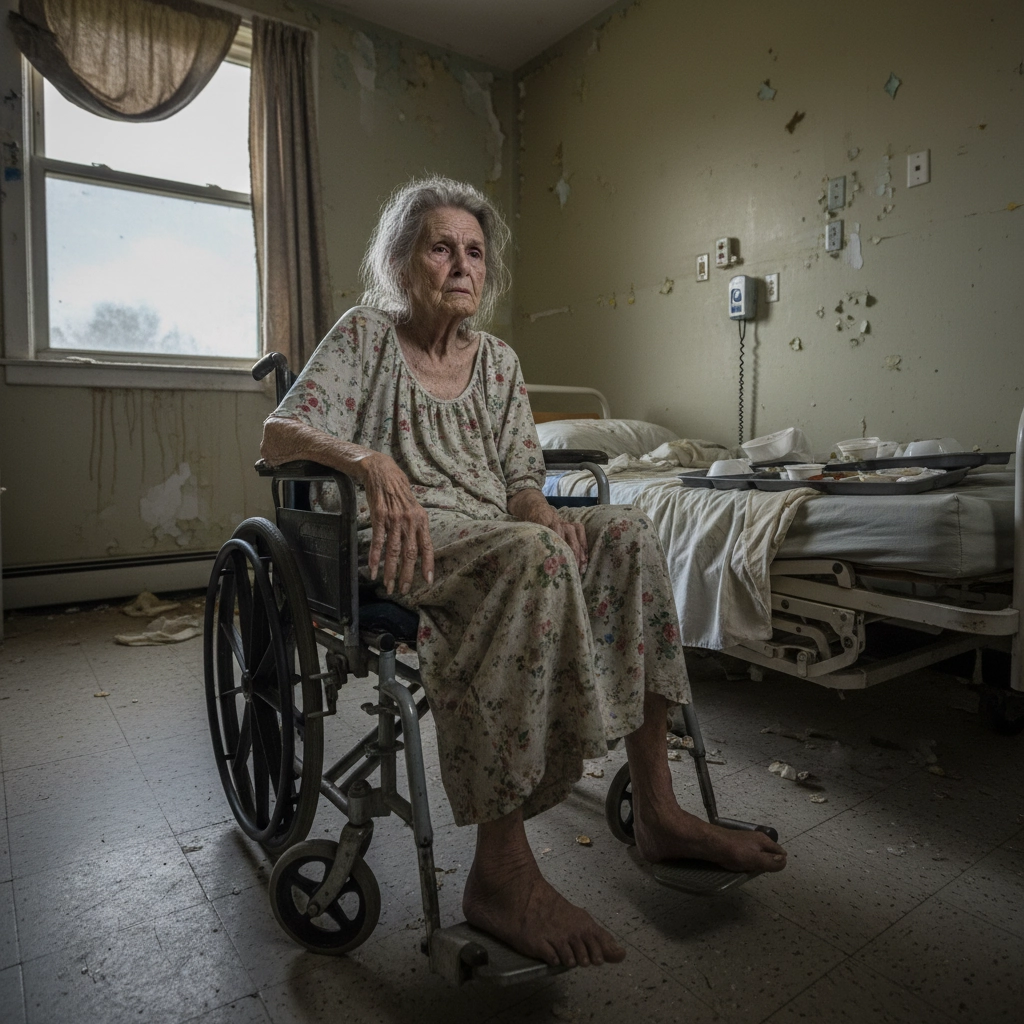
Elder abuse encompasses a range of harmful behaviors that can significantly impact the health, well-being, and financial security of older adults. It is crucial to recognize the different forms that abuse can take, enabling families, caregivers, and communities to identify and address potential situations of abuse promptly. Physical abuse involves the intentional use of force that results in bodily injury, pain, or impairment. Emotional or psychological abuse includes verbal attacks, threats, intimidation, and isolation, which can lead to significant emotional distress and mental health issues. Financial abuse occurs when someone improperly uses an elder’s funds, property, or assets for their personal gain, often without the elder’s informed consent. Neglect involves the failure of a caregiver to provide essential care, such as food, shelter, medical attention, or personal hygiene, leading to harm or endangerment of the elder. Recognizing these varied forms of abuse is the first critical step in protecting vulnerable seniors.
Financial Exploitation: Protecting Seniors’ Assets
Financial exploitation is a particularly insidious form of elder abuse, often perpetrated by individuals in positions of trust, such as family members, caregivers, or financial advisors. This type of abuse can have devastating consequences, leaving seniors with depleted savings, loss of their homes, and a diminished quality of life. Common tactics used in financial exploitation include unauthorized withdrawals from bank accounts, fraudulent use of credit cards, coercion to sign over property or assets, and scams targeting seniors with false promises of investment opportunities or lottery winnings. Canadian laws provide specific protections for seniors against financial abuse, including power of attorney regulations, guardianship laws, and consumer protection legislation. Understanding these legal rights is essential for seniors and their families to prevent and address financial exploitation effectively. Seniors should be encouraged to seek independent legal and financial advice, maintain control over their finances as long as possible, and report any suspected financial abuse to the appropriate authorities.

Nursing Home Neglect: Ensuring Quality Care and Accountability
Nursing home neglect is a grave concern in Canada, where many elderly residents depend on these facilities for their care and well-being. Neglect in nursing homes can manifest in various forms, including inadequate staffing, failure to provide proper medical care, poor hygiene, malnutrition, and unsafe living conditions. Such neglect can lead to serious health complications, injuries, and even death. Class action lawsuits against nursing homes are a means of holding these institutions accountable for their failure to provide adequate care and protecting the rights of elderly residents. These lawsuits can address systemic issues within nursing homes, such as understaffing and inadequate training, and seek compensation for residents who have suffered harm due to neglect. Families who suspect neglect in a nursing home should document all instances of poor care, report their concerns to the nursing home administration and relevant regulatory bodies, and consider seeking legal advice to explore their options for pursuing a claim.
Reporting Elder Abuse: A Guide for Canadian Provinces and Territories
Reporting elder abuse is a crucial step in protecting vulnerable seniors and preventing further harm. However, the reporting mechanisms and legal requirements vary across Canadian provinces and territories. Some provinces have mandatory reporting laws, which require certain professionals, such as healthcare providers and social workers, to report suspected cases of elder abuse to the authorities. Other provinces rely on voluntary reporting, where anyone who suspects abuse is encouraged to report it. It is essential to understand the specific reporting laws and procedures in your province or territory to ensure that you can effectively report suspected abuse. Resources such as provincial government websites, seniors’ advocacy organizations, and legal aid societies can provide information on how to report elder abuse in your area. When reporting abuse, it is important to provide as much detail as possible, including the name of the victim, the nature of the abuse, the name of the alleged abuser, and any supporting evidence.


Joining an Elder Abuse Class Action: Seeking Justice Collectively
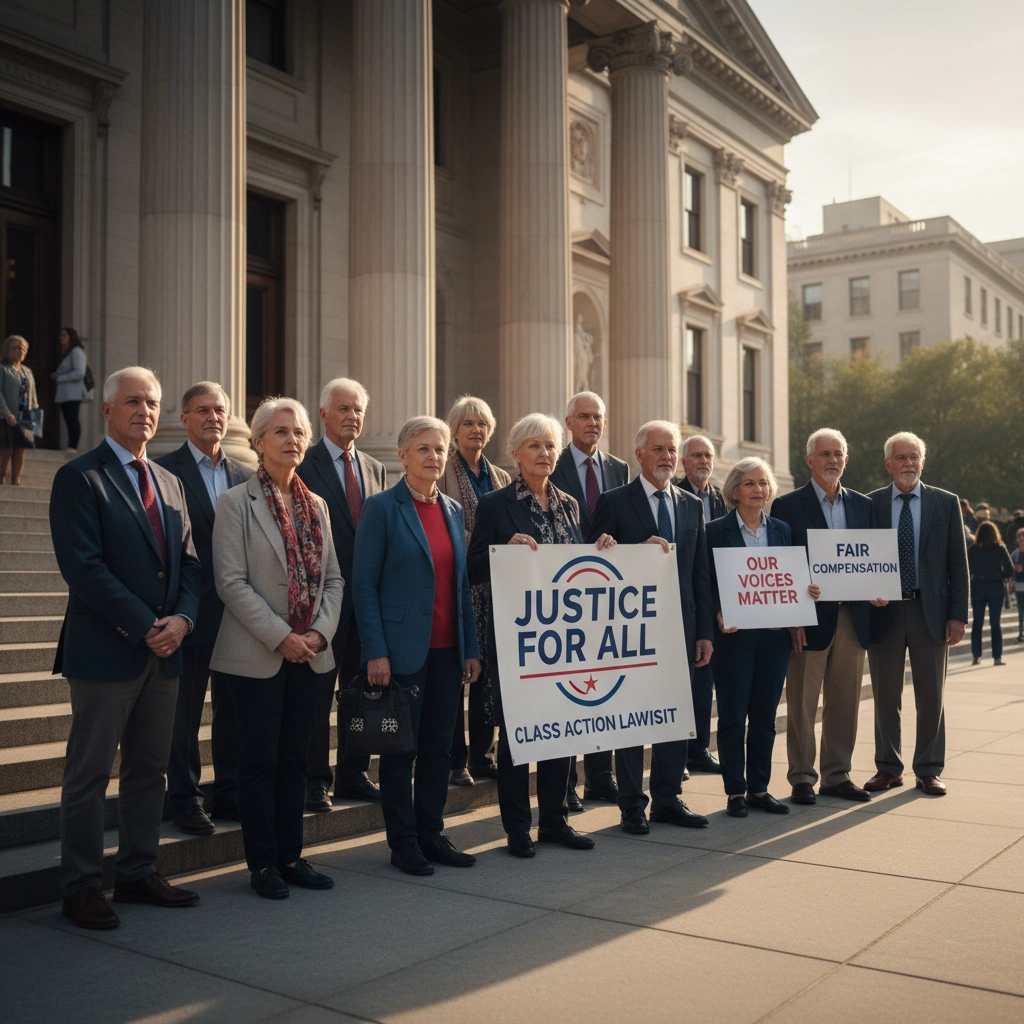
Joining an elder abuse class action lawsuit can be a powerful way for victims of abuse to seek justice and compensation collectively. A class action lawsuit is a legal proceeding in which a group of people with similar claims against the same defendant come together to pursue their case. This type of lawsuit allows individuals who may not have the resources to pursue a claim on their own to join forces and share the costs and risks of litigation. Class action lawsuits can be brought against individuals, corporations, or institutions that have engaged in elder abuse, such as nursing homes, financial institutions, or caregivers. To join a class action lawsuit, you typically need to meet certain criteria, such as having suffered similar harm as the other members of the class and having a valid legal claim. Lawyers specializing in elder abuse litigation can provide guidance on whether you are eligible to join a class action lawsuit and represent you throughout the legal process.
Conclusion: Empowering Seniors and Combating Elder Abuse
Elder abuse is a serious issue that demands a coordinated and comprehensive response from individuals, communities, and governments in Canada. By recognizing the signs of abuse, understanding the legal rights of seniors, reporting abuse effectively, and participating in class action lawsuits, we can empower seniors, hold perpetrators accountable, and create a society that values and protects its elderly population. Class action lawsuits are an important tool for achieving justice for victims of elder abuse and promoting systemic change to prevent future harm. It is imperative that we continue to raise awareness about elder abuse, advocate for stronger legal protections, and support organizations that provide services to seniors in need. Together, we can create a safer and more respectful environment for all seniors in Canada.