Introduction to Loss Documentation for Settlements
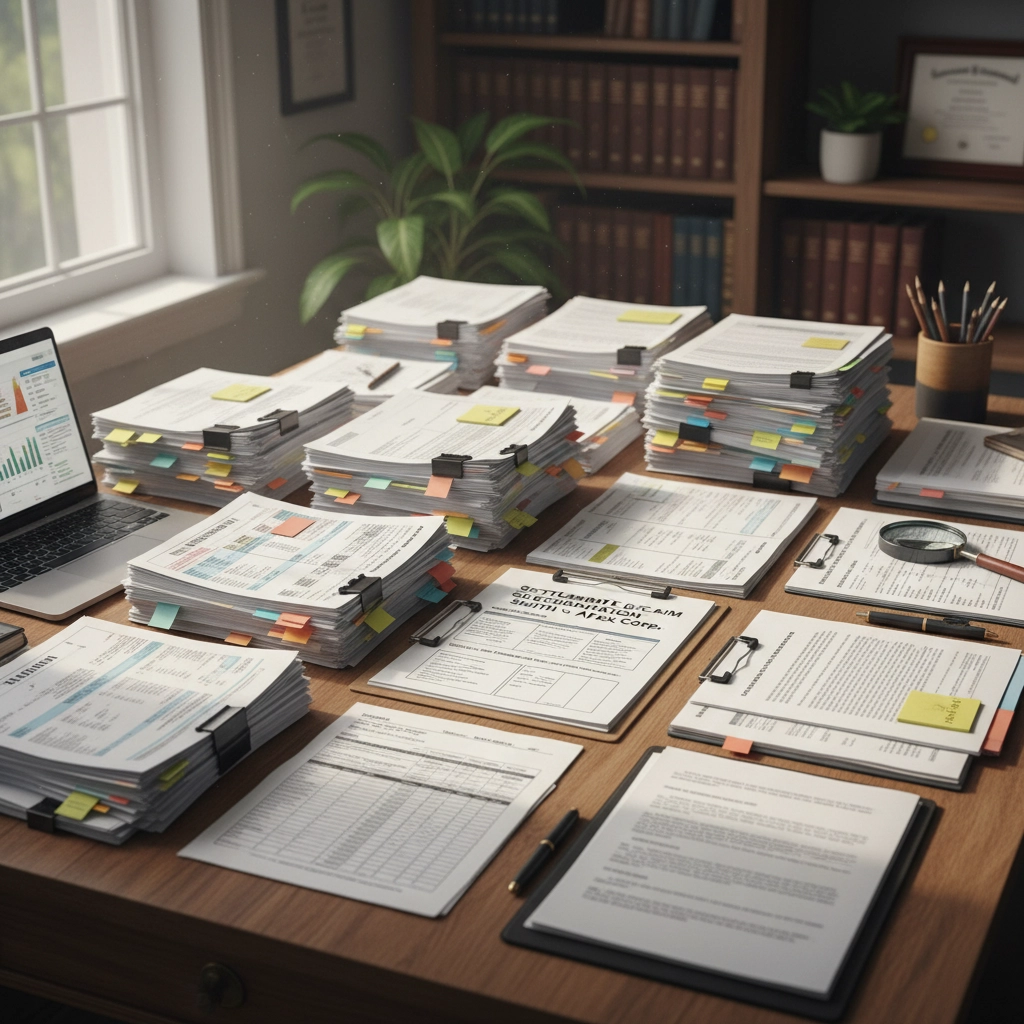
In Canada, when pursuing a settlement for personal injury, property damage, or other types of losses, meticulous documentation is crucial. The strength of your claim and the amount you ultimately receive hinges on your ability to demonstrate the extent of your damages. Comprehensive documentation provides concrete evidence of the losses you’ve suffered, making your case more persuasive and increasing your chances of a favorable outcome. This detailed record-keeping helps in negotiations with insurance companies or during court proceedings.


Types of Losses to Document
The first step in maximizing your settlement payout is understanding the different types of losses you can claim. These typically fall into several categories: economic losses, non-economic losses, and punitive damages. Economic losses are quantifiable financial costs you’ve incurred as a direct result of the incident, such as medical expenses, lost wages, and property damage. Non-economic losses are more subjective and relate to the pain, suffering, and emotional distress you’ve experienced. Punitive damages, though less common, are intended to punish the wrongdoer for particularly egregious conduct. Documenting each of these categories thoroughly is essential for building a strong case. Knowing how to approach claiming pain and suffering damages can significantly impact the outcome.
Gathering Evidence of Economic Losses
To substantiate your economic losses, you must gather and organize all relevant financial records. This includes medical bills, receipts for prescription medications, invoices for repairs or replacements of damaged property, and documentation of lost wages. For medical expenses, keep copies of all bills from doctors, hospitals, therapists, and other healthcare providers. For property damage, obtain estimates and invoices for repairs or replacements. To prove lost wages, collect pay stubs, employment contracts, and letters from your employer verifying your earnings and time off work. If you are self-employed, gather tax returns, bank statements, and client records to demonstrate your lost income. Detailed and organized financial records are vital for accurately calculating your economic losses.


Proving Non-Economic Losses
Documenting non-economic losses, such as pain and suffering, emotional distress, and loss of enjoyment of life, can be more challenging since these are subjective experiences. However, there are several ways to provide evidence of these damages. Keep a detailed journal documenting your physical pain, emotional struggles, and how the incident has impacted your daily life. Include specific examples of activities you can no longer enjoy or have difficulty performing. Obtain statements from friends, family members, and colleagues who can attest to your emotional state and the changes they have observed in your behavior. Medical records, particularly those related to mental health treatment, can also provide valuable evidence of your emotional distress. Expert testimony from psychologists or psychiatrists can further support your claims for non-economic damages. Understanding how to maximize your settlement payout is crucial in this aspect.
The Role of Expert Witnesses
In many cases, expert witnesses can play a crucial role in strengthening your settlement claim. Experts, such as medical professionals, engineers, or economists, can provide objective opinions and analysis that support your claims for damages. For example, a medical expert can review your medical records and provide testimony about the extent and nature of your injuries, as well as the long-term impact on your health. An engineer can assess the damage to your property and provide an opinion on the cost of repairs or replacement. An economist can calculate your future lost earnings based on your education, work history, and the severity of your injuries. Expert testimony can add credibility to your claim and help to persuade the opposing party to offer a fair settlement.

Organizing and Presenting Your Documentation
Once you have gathered all the necessary documentation, it is crucial to organize it in a clear and logical manner. Create a detailed summary of your losses, including a breakdown of economic and non-economic damages. Present your documentation in chronological order, with clear labels and headings for each category of loss. Use a spreadsheet or database to track your expenses and income loss. Make sure all documents are legible and easily accessible. When presenting your documentation to the opposing party, be prepared to explain each item and how it relates to your claim. A well-organized and clearly presented documentation package will demonstrate the seriousness of your claim and increase your chances of obtaining a favorable settlement.
Legal Advice and Representation
Navigating the settlement process can be complex, especially when dealing with insurance companies or preparing for potential litigation. Seeking legal advice from a qualified lawyer is highly recommended. A lawyer can help you understand your rights, assess the value of your claim, and guide you through the negotiation process. They can also help you gather and organize your documentation, obtain expert testimony, and represent you in court if necessary. A lawyer will advocate for your best interests and work to maximize your settlement payout.


Conclusion: The Importance of Thorough Documentation
In conclusion, maximizing your settlement payout in Canada requires diligent and thorough documentation of all your losses. By gathering and organizing evidence of your economic and non-economic damages, obtaining expert testimony, and seeking legal advice, you can strengthen your claim and increase your chances of obtaining a fair settlement. Remember, the more comprehensive and well-presented your documentation, the more persuasive your case will be. Taking the time to document your losses carefully is an investment that can pay off significantly in the long run.
Detailed Documentation for Fair Compensation in Canada
Introduction: Building a Strong Case with Evidence
In the Canadian legal system, pursuing a settlement for any type of loss—be it personal injury, property damage, or breach of contract—demands robust documentation. The compensation you receive is directly proportional to the evidence you provide demonstrating the extent and impact of your losses. Detailed records and well-organized documentation serve as the bedrock of a successful claim, bolstering your negotiating position and significantly increasing the likelihood of a favorable resolution, whether through settlement or court decision.
Identifying All Potential Losses: A Comprehensive Approach
Before you begin compiling your documentation, it’s critical to identify all categories of losses that you’ve incurred as a direct result of the incident or event in question. These typically fall into three primary categories: economic losses, non-economic losses, and, in certain cases, punitive damages. Economic losses are easily quantifiable and include tangible financial detriments such as medical bills, lost wages, repair costs, and other out-of-pocket expenses. Non-economic losses, on the other hand, are more subjective and relate to intangible harms such as pain and suffering, emotional distress, loss of enjoyment of life, and diminished quality of life. Punitive damages are rarely awarded and are reserved for situations where the defendant’s conduct was particularly egregious or malicious. To maximize your settlement, you must meticulously document each type of loss you have experienced. This includes understanding punitive damages and when they might apply.
Documenting Economic Losses: Hard Evidence for Financial Harm
Economic losses are the most straightforward to document as they involve concrete financial figures. The key is to gather and maintain meticulous records of all expenses and income losses directly attributable to the incident. For medical expenses, this includes collecting and organizing all bills from doctors, hospitals, physiotherapists, psychologists, and any other healthcare providers. Ensure that each bill is clearly itemized and includes the date of service, description of services rendered, and the amount charged. For lost wages, obtain pay stubs, employment contracts, and letters from your employer verifying your salary, benefits, and the amount of time you have been unable to work. If you are self-employed, gather income statements, tax returns, bank statements, and client invoices to demonstrate your historical earnings and the impact of the incident on your ability to generate income. For property damage, obtain repair estimates, invoices, and photographs to document the extent of the damage and the cost of repairs or replacement.
Quantifying Non-Economic Losses: Demonstrating Intangible Harm
Documenting non-economic losses requires a more nuanced approach as these damages are inherently subjective and difficult to quantify. However, there are several effective strategies for demonstrating the impact of these losses. The most valuable tool is a detailed personal journal in which you meticulously record your daily experiences, focusing on the physical pain, emotional distress, and limitations you have experienced as a result of the incident. Be specific and include details about how the incident has affected your ability to perform daily tasks, engage in hobbies, and maintain relationships. Obtain statements from friends, family members, and colleagues who can attest to the changes they have observed in your physical and emotional well-being. Medical records, particularly those related to mental health treatment such as therapy sessions or prescriptions for anti-anxiety or antidepressant medications, can also provide compelling evidence of your emotional distress.
Leveraging Expert Testimony: Adding Credibility to Your Claim
In many cases, expert witnesses can play a pivotal role in substantiating your claims for both economic and non-economic losses. Experts can provide objective opinions and analysis that strengthen your case and increase your chances of a favorable settlement. Medical experts, such as physicians or specialists, can review your medical records and provide testimony about the nature and extent of your injuries, the necessary medical treatment, and the long-term prognosis. Vocational rehabilitation experts can assess your ability to return to work and estimate your future lost earnings. Economists can calculate the present value of your future economic losses, taking into account factors such as inflation and interest rates. Mental health professionals, such as psychologists or psychiatrists, can provide expert opinions on the psychological impact of the incident and the need for ongoing therapy.
Organizing Your Documentation: A Clear and Concise Presentation
Once you have gathered all the necessary documentation, it is crucial to organize it in a clear, logical, and easily accessible manner. Create a comprehensive summary of your losses, outlining the total amount of economic and non-economic damages you are claiming. Organize your documentation chronologically and categorize it by type of loss. Use clear headings and labels to identify each document and explain its relevance to your claim. Create a detailed index or table of contents to make it easy for the opposing party to navigate your documentation package. Ensure that all documents are legible and free of errors or inconsistencies. A well-organized and professionally presented documentation package will demonstrate the seriousness of your claim and increase your credibility in the eyes of the opposing party.
Seeking Legal Counsel: Protecting Your Rights and Maximizing Your Recovery
Navigating the settlement process can be challenging and overwhelming, especially when dealing with insurance companies or preparing for potential litigation. It is highly recommended that you seek legal advice from a qualified lawyer who specializes in personal injury, property damage, or other relevant areas of law. A lawyer can provide you with a comprehensive assessment of your case, explain your legal rights and options, and guide you through the negotiation process. They can also help you gather and organize your documentation, obtain expert testimony, and represent you in court if necessary. A lawyer will advocate for your best interests and work tirelessly to maximize your settlement payout. This includes strategically negotiating a fair settlement.
Conclusion: Documentation as the Key to Fair Compensation
In conclusion, meticulous and comprehensive documentation is the cornerstone of a successful settlement in Canada. By diligently gathering and organizing evidence of your economic and non-economic losses, leveraging expert testimony, and seeking legal counsel, you can significantly increase your chances of obtaining fair compensation for your damages. Remember, the more thorough and persuasive your documentation, the stronger your negotiating position will be and the more likely you are to achieve a favorable outcome. Taking the time to document your losses meticulously is an investment that can yield substantial returns in the form of a larger settlement and greater peace of mind.