



Understanding Defective Product Liability
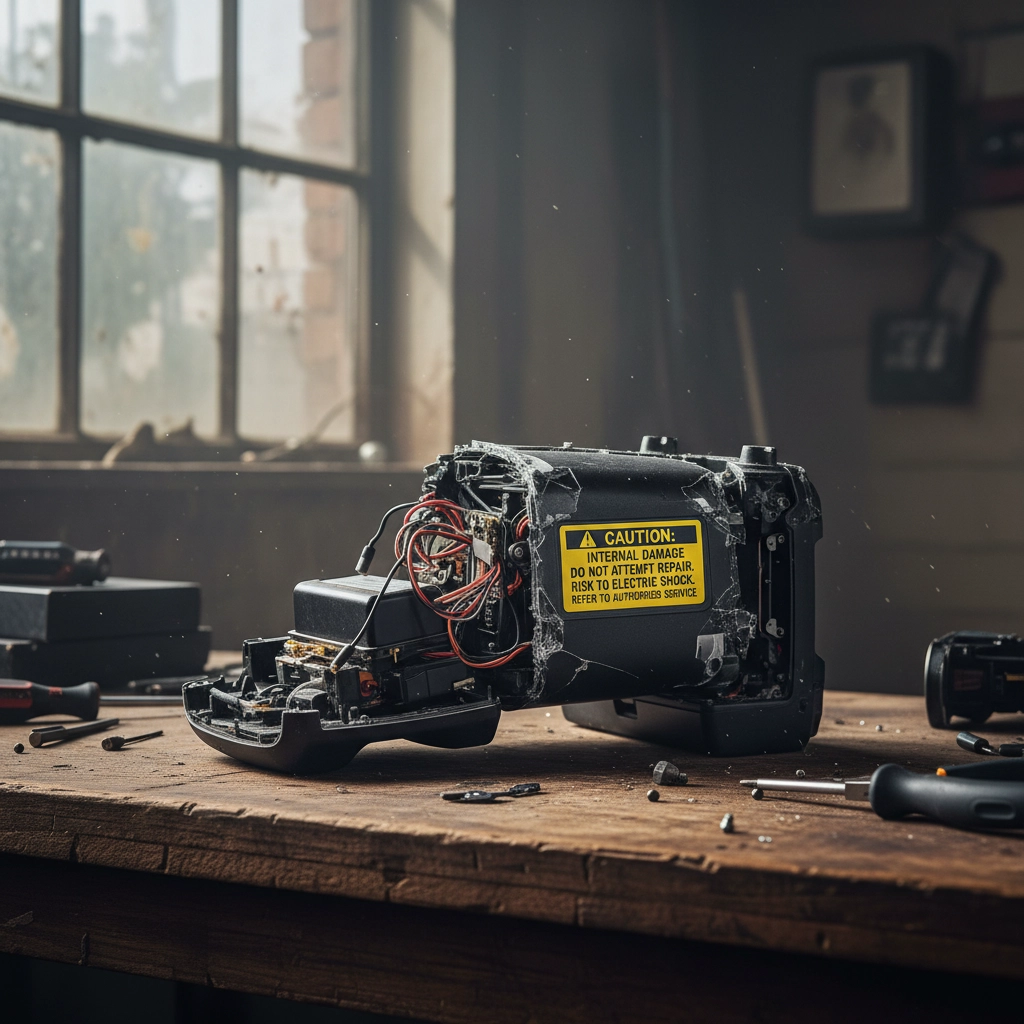
Defective products can cause significant harm, ranging from minor injuries to serious health problems or even death. In Canada, manufacturers, distributors, and retailers have a legal responsibility to ensure the products they sell are safe for consumers to use as intended. When a product is defective and causes injury or damage, the injured party may have grounds to file a product liability claim. These claims can be complex, involving issues of negligence, breach of warranty, and strict liability. Understanding the different types of defects and the legal avenues available is crucial for anyone who has been harmed by a faulty product. This understanding forms the foundation for seeking compensation through individual lawsuits or, when many people are affected, through participating in a class action.


Types of Product Defects
There are generally three main categories of product defects: design defects, manufacturing defects, and marketing defects (failure to warn). A design defect exists when the product’s design itself is inherently unsafe, regardless of how carefully it’s manufactured. This means that every product made to that design will have the same flaw. A manufacturing defect, on the other hand, occurs during the production process. It means that the design of the product is safe, but something went wrong during its manufacturing, leading to a single faulty item or a batch of faulty items. Lastly, a marketing defect or a failure to warn arises when the manufacturer does not provide adequate warnings or instructions about the product’s potential risks or hazards. This can include failing to warn about foreseeable misuses of the product. Each type of defect requires different evidence to prove, and understanding which type is involved in a particular case is essential for building a strong claim.
What is a Class Action Lawsuit?
A class action lawsuit is a legal procedure that allows a large group of people with similar claims to bring a single lawsuit against a defendant. Instead of each individual filing their own separate lawsuit, a representative plaintiff or a small group of plaintiffs represents the entire class. This type of lawsuit is particularly useful when many people have suffered similar damages as a result of the same defective product, but the individual damages may be too small to justify the cost of pursuing a separate lawsuit. Class actions can make it more efficient and cost-effective to hold manufacturers accountable for defective products that have caused widespread harm. For a class action to be certified, it must meet certain criteria, including commonality (the class members’ claims share common issues of fact or law), typicality (the representative plaintiff’s claims are typical of the class’s claims), adequacy (the representative plaintiff’s claims are fairly typical of the class’s claims), and ascertainability (the class members can be identified).

Initiating a Defective Product Class Action in Canada
The process of initiating a defective product class action in Canada typically begins with a plaintiff or a group of plaintiffs who have suffered harm from a defective product. They then need to find a lawyer who specializes in class action lawsuits and product liability. The lawyer will investigate the case, gather evidence, and draft a statement of claim. The statement of claim outlines the facts of the case, the legal basis for the claim, and the relief sought. Once the statement of claim is filed with the court, the next step is to seek certification of the class action. This involves convincing the court that the requirements for certification are met. If the court certifies the class action, notice is given to all potential class members, informing them of the lawsuit and their rights. Class members then have the option to opt out of the class action if they prefer to pursue their own individual lawsuit. If they do not opt out, they are bound by the outcome of the class action.
Compensation and Damages in Defective Product Cases
If a defective product class action is successful, the class members may be entitled to various types of compensation or damages. These can include compensatory damages, which are intended to compensate the class members for their actual losses, such as medical expenses, lost wages, and property damage. In some cases, punitive damages may also be awarded. Punitive damages are intended to punish the defendant for egregious conduct and to deter similar conduct in the future. The amount of compensation awarded in a consumer class action will depend on the nature and extent of the harm suffered by the class members, as well as the defendant’s degree of culpability. The settlement or judgment will typically specify how the compensation will be distributed among the class members. This may involve a claims process, where class members are required to submit documentation to support their claims.


Seeking Legal Advice and Protecting Your Rights
If you have been injured by a defective product in Canada, it is important to seek legal advice from a qualified product liability lawyer as soon as possible. A lawyer can help you understand your rights, assess the strength of your claim, and guide you through the legal process. They can also help you determine whether you are eligible to participate in a class action lawsuit or whether you should pursue an individual lawsuit. Gathering and preserving evidence is also crucial. This includes keeping the defective product itself, along with any packaging, instructions, and receipts. It also includes documenting your injuries and any medical treatment you have received. By taking these steps, you can protect your rights and increase your chances of obtaining fair compensation for your injuries.
Navigating the Complexities of Product Liability Law
Product liability law in Canada is complex and can be challenging to navigate without the assistance of experienced legal counsel. Manufacturers and distributors often have significant resources to defend themselves against product liability claims. A skilled lawyer can level the playing field by conducting thorough investigations, consulting with expert witnesses, and presenting a compelling case on your behalf. They can also negotiate with the defendant’s lawyers to try to reach a fair settlement. If a settlement cannot be reached, your lawyer will be prepared to take your case to trial. Furthermore, understanding the nuances of provincial and federal regulations concerning product safety is critical. A qualified attorney will possess expertise in these areas and ensure that your claim adheres to all relevant legal standards.
The Role of Evidence in Defective Product Claims
Evidence plays a crucial role in defective product claims, and the type of evidence needed will depend on the nature of the defect. In cases involving design defects, expert testimony is often required to demonstrate that the product’s design was unreasonably dangerous. This might involve engineers, safety experts, or other professionals who can analyze the design and explain why it posed a risk to consumers. In cases involving manufacturing defects, evidence might include quality control records, manufacturing protocols, or expert analysis of the defective product itself. This type of evidence can help to prove that the product deviated from the manufacturer’s intended design. In cases involving marketing defects, evidence might include the product’s packaging, instructions, and advertising materials. This type of evidence can help to show that the manufacturer failed to provide adequate warnings about the product’s risks. Gathering and presenting the right type of evidence is essential for proving your claim and obtaining compensation.
The Importance of Acting Promptly
In Canada, there are limitations on the amount of time you have to file a product liability claim. These limitations are set by provincial legislation and can vary from province to province. Generally, the limitation period is two years from the date you discovered or should have discovered the injury or damage caused by the defective product. If you fail to file a claim within the applicable limitation period, you may lose your right to sue. Therefore, it is important to act promptly and consult with a lawyer as soon as possible if you believe you have been injured by a defective product. Acting promptly can also help to ensure that evidence is preserved and witnesses can be located while their memories are fresh. Delaying action can make it more difficult to prove your claim and obtain compensation.
Conclusion: Seeking Justice for Defective Product Injuries
Defective products can cause serious harm to consumers, and those who have been injured as a result of a defective product have the right to seek compensation. Consumer class action lawsuits provide a mechanism for multiple individuals who have suffered similar harm to join together and pursue justice collectively. By understanding the different types of product defects, the process of initiating a class action, and the types of compensation available, individuals can protect their rights and hold manufacturers accountable for their negligence. If you believe you have been injured by a defective product, it is crucial to seek legal advice from an experienced product liability lawyer as soon as possible. A lawyer can help you assess your options, gather evidence, and navigate the complexities of the legal system. With the right legal representation, you can increase your chances of obtaining fair compensation for your injuries and holding the responsible parties accountable.