Introduction to Data Breach Class Actions
In an increasingly digital world, our personal information is constantly being collected, stored, and transmitted by various organizations. While this data collection can offer convenience and efficiency, it also creates opportunities for cyberattacks and data breaches. When these breaches occur, sensitive information such as names, addresses, social insurance numbers, and financial details can be exposed, leading to significant harm for affected individuals. In Canada, data breach class action lawsuits provide a legal avenue for those who have been impacted by these incidents to seek compensation for their losses and hold negligent organizations accountable. These lawsuits consolidate the claims of numerous individuals who have suffered similar harm, making it more efficient and effective to pursue justice. This guide will explore the key aspects of data breach class action lawsuits in Canada, including how to protect your rights, claim compensation, and navigate the aftermath of a cyberattack.
Understanding Canadian Data Breach Laws
Canada has a complex legal framework governing the protection of personal information, which includes federal and provincial laws. At the federal level, the Personal Information Protection and Electronic Documents Act (PIPEDA) applies to private-sector organizations that collect, use, or disclose personal information in the course of commercial activities. PIPEDA outlines principles for fair information handling, including obtaining consent, limiting collection, and ensuring accuracy and security. In addition to PIPEDA, some provinces have their own privacy laws that apply to both the public and private sectors. For example, Alberta, British Columbia, and Quebec have comprehensive privacy legislation that provides individuals with greater protection and rights regarding their personal information. These laws often include mandatory breach reporting requirements, which compel organizations to notify affected individuals and relevant authorities when a data breach occurs. Failure to comply with these legal obligations can result in significant penalties and liabilities for organizations, including the potential for class action lawsuits. The interplay between federal and provincial laws creates a layered approach to data protection in Canada, requiring organizations to navigate a complex regulatory landscape to ensure compliance and protect the privacy of individuals.
The Process of a Data Breach Class Action
A data breach class action lawsuit typically begins when a law firm identifies a potential case based on a significant data breach that has affected a large number of individuals. The firm will investigate the circumstances of the breach to determine whether the organization responsible for protecting the data was negligent in its security practices. If the investigation reveals evidence of negligence, the firm will file a claim on behalf of a representative plaintiff, who is an individual who has been affected by the breach and is willing to represent the interests of the entire class. The claim will outline the details of the breach, the alleged negligence of the organization, and the damages suffered by the class members. Once the claim is filed, the court must certify the class action, which involves determining whether the case meets the legal requirements for a class action, such as a common issue among the class members, an identifiable class, and a representative plaintiff who can adequately represent the interests of the class. If the court certifies the class action, notice will be provided to potential class members, informing them of their right to participate in the lawsuit or opt out if they prefer to pursue their own legal action. The case will then proceed through the litigation process, which may involve discovery, motions, and settlement negotiations. If a settlement is reached, it must be approved by the court to ensure that it is fair, reasonable, and in the best interests of the class members. If a settlement cannot be reached, the case will proceed to trial, where a judge or jury will determine whether the organization was negligent and liable for damages.

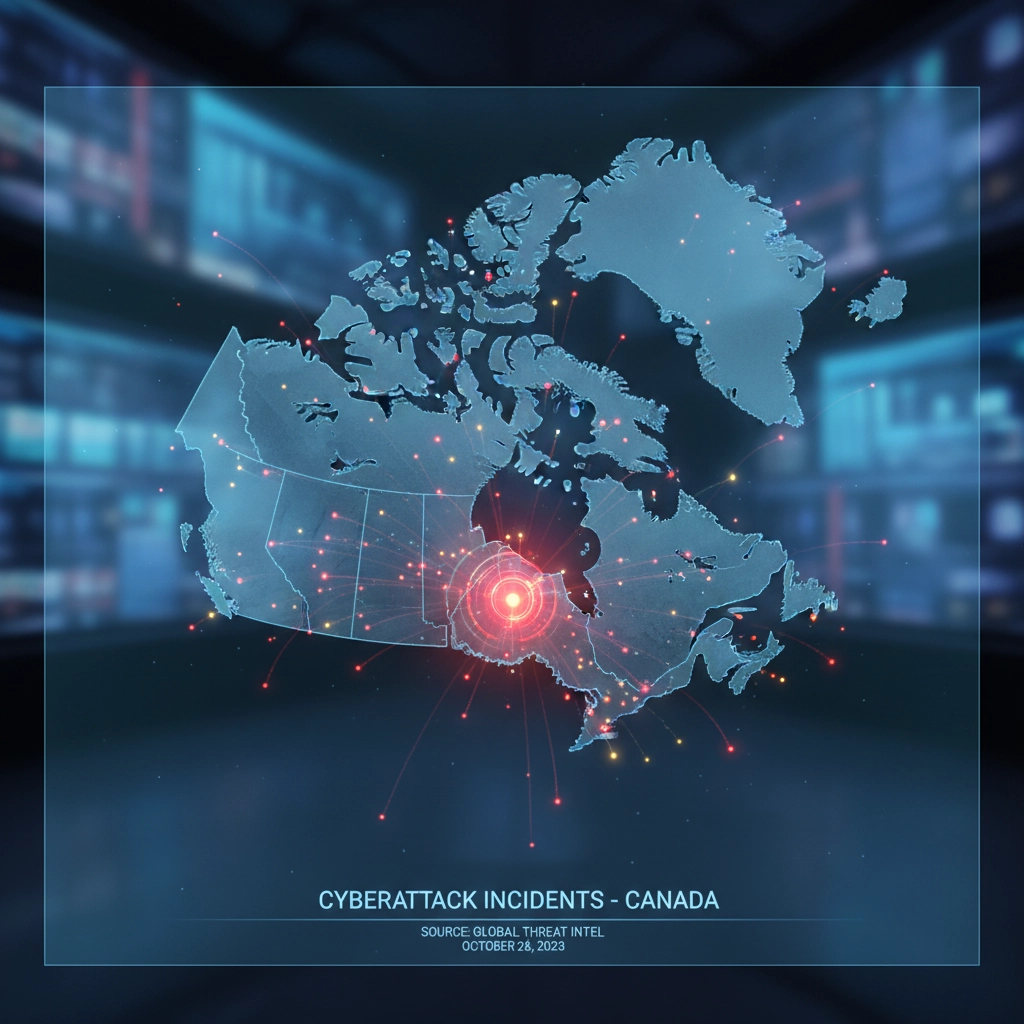
Claiming Compensation After a Data Breach
After a data breach, individuals who have been affected may be entitled to compensation for various types of losses. These losses can include direct financial losses, such as unauthorized charges on credit cards or bank accounts, as well as expenses incurred to mitigate the damage from identity theft, such as credit monitoring services or fraud alerts. Individuals may also be able to claim compensation for emotional distress, which can arise from the anxiety, stress, and inconvenience caused by the breach. In some cases, punitive damages may be awarded if the organization’s conduct was particularly egregious or reckless. To claim compensation in a data breach class action, individuals typically need to provide documentation to support their losses. This documentation may include credit card statements, bank statements, receipts for expenses, and medical records. It is important to keep accurate records of all expenses and losses related to the breach, as this will strengthen your claim for compensation. The process for claiming compensation will vary depending on the specific terms of the settlement or judgment in the class action. In most cases, class members will be required to submit a claim form, along with supporting documentation, by a specified deadline. The claims will then be reviewed by a claims administrator, who will determine the amount of compensation to be paid to each class member.
Navigating Credit Monitoring and Identity Theft Protection
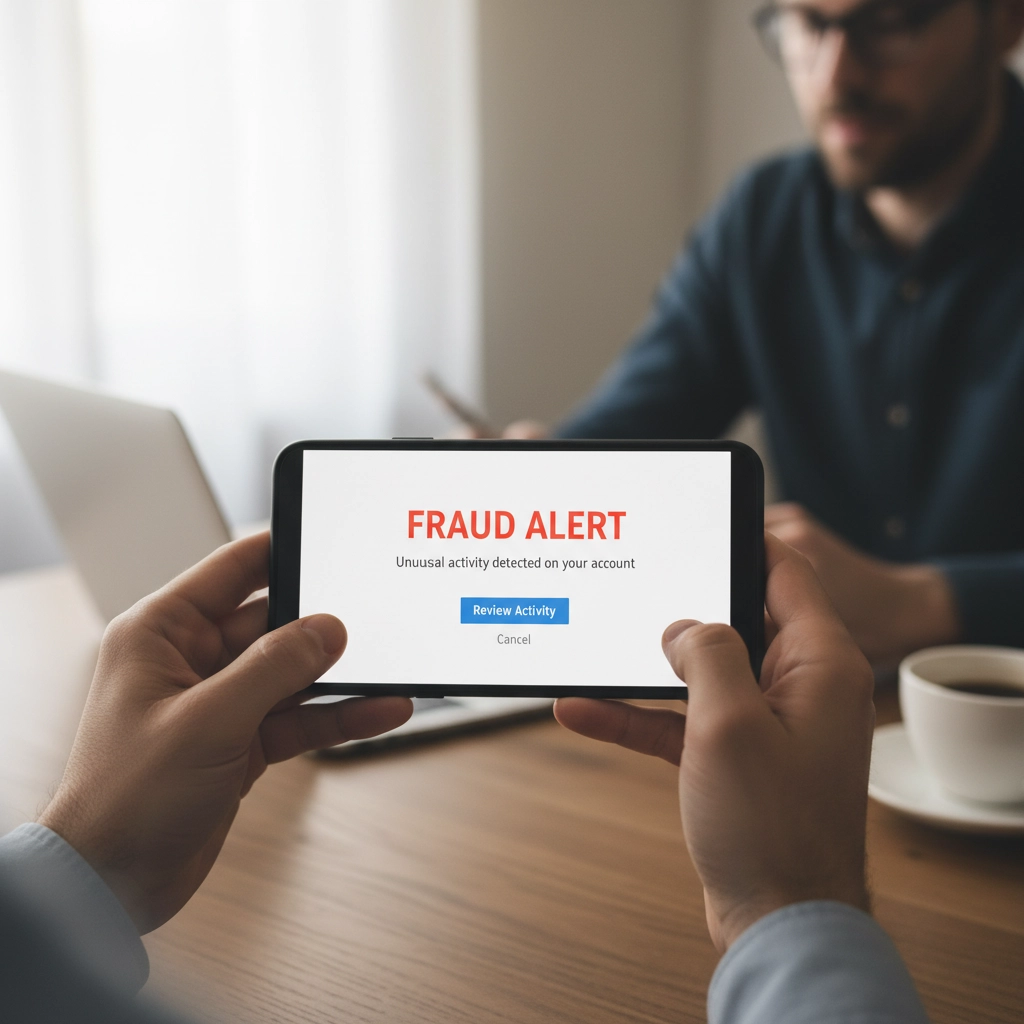
One of the most immediate concerns after a data breach is the risk of identity theft. Cybercriminals may use stolen personal information to open fraudulent accounts, make unauthorized purchases, or commit other forms of identity fraud. To protect yourself, it is crucial to take steps to monitor your credit and protect your identity. One of the first steps you should take is to obtain a copy of your credit report from both Equifax and TransUnion, the two major credit bureaus in Canada. Review your credit report carefully for any signs of suspicious activity, such as accounts that you did not open or inquiries that you did not authorize. You can also place a fraud alert on your credit file, which requires creditors to take extra steps to verify your identity before opening new accounts in your name. In addition to monitoring your credit report, you may also want to consider enrolling in a credit monitoring service. These services monitor your credit file on an ongoing basis and alert you to any changes, such as new accounts, inquiries, or public records. Some credit monitoring services also offer identity theft protection features, such as identity theft insurance and assistance with restoring your identity if it is compromised. Many organizations that experience data breaches offer complimentary credit monitoring services to affected individuals as part of their response to the breach. It is important to take advantage of these services, as they can provide valuable protection against identity theft.

Preventing Data Breaches and Identity Theft
While it is impossible to completely eliminate the risk of data breaches and identity theft, there are several steps you can take to reduce your vulnerability. One of the most important steps is to protect your passwords. Use strong, unique passwords for all of your online accounts, and avoid using the same password for multiple accounts. Consider using a password manager to securely store and manage your passwords. Be cautious of phishing emails and other scams that attempt to trick you into providing your personal information. Never click on links or open attachments from unknown senders, and always verify the authenticity of requests for personal information. Keep your software up to date, including your operating system, web browser, and antivirus software. Software updates often include security patches that address known vulnerabilities, so it is important to install them promptly. Be mindful of the information you share online. Avoid posting sensitive information on social media or other public forums, and be careful about the websites you visit and the apps you download. Regularly review your privacy settings on social media and other online accounts to ensure that you are only sharing your information with people you trust. By taking these precautions, you can significantly reduce your risk of becoming a victim of data breaches and identity theft.
Immediate Actions After a Data Breach
If you receive notice that your personal information has been compromised in a data breach, it is important to take immediate action to protect yourself. First, change your passwords for all of your online accounts, especially those that use the same password as the compromised account. Monitor your credit report and bank accounts for any signs of suspicious activity. Place a fraud alert on your credit file and consider enrolling in a credit monitoring service. Report the breach to the Canadian Anti-Fraud Centre and your local police department. If your social insurance number has been compromised, contact Service Canada to inquire about obtaining a new number. Be wary of follow-up scams that may attempt to exploit the breach. Cybercriminals often use data breaches as an opportunity to target affected individuals with phishing emails and other scams. By taking these steps promptly, you can minimize the damage from a data breach and protect your personal information.


Conclusion: Empowering Yourself After a Data Breach
Data breaches are a growing threat in today’s digital age, but by understanding your rights and taking proactive steps to protect your information, you can empower yourself to navigate the aftermath of a cyberattack. Data breach class action lawsuits provide a valuable mechanism for seeking compensation and holding negligent organizations accountable. By staying informed, monitoring your credit, and practicing good security habits, you can reduce your vulnerability to data breaches and identity theft. If you have been affected by a data breach, it is important to seek legal advice and take steps to protect your financial and personal well-being. Remember, you are not alone, and there are resources available to help you recover and rebuild after a cyberattack.
The Ultimate Guide to Canadian Data Breach Class Action Lawsuits: Protect Your Rights
Understanding Your Rights After a Data Breach
Data breaches are becoming increasingly common in today’s digital age, with organizations of all sizes falling victim to cyberattacks. When a data breach occurs, sensitive personal information such as names, addresses, social insurance numbers, and financial details can be exposed, putting individuals at risk of identity theft, financial fraud, and other harms. In Canada, individuals have certain rights and legal options when their personal information is compromised in a data breach. One of the most significant legal avenues available is the data breach class action lawsuit. This guide provides a comprehensive overview of data breach class action lawsuits in Canada, explaining how they work, what your rights are, and how to protect yourself.
What is a Data Breach Class Action Lawsuit
A data breach class action lawsuit is a legal action brought on behalf of a group of individuals who have suffered similar harm as a result of a data breach. These lawsuits are typically filed against organizations that have failed to adequately protect the personal information of their customers, employees, or other individuals. The purpose of a class action lawsuit is to consolidate the claims of numerous individuals into a single case, making it more efficient and cost-effective to pursue legal action. In a data breach class action, the plaintiffs typically allege that the organization responsible for the data breach was negligent in its security practices, and that this negligence resulted in harm to the class members. The types of harm that may be claimed in a data breach class action include financial losses, emotional distress, and the cost of credit monitoring and identity theft protection services.
Key Elements of a Data Breach Class Action
To be successful in a data breach class action, the plaintiffs must establish several key elements. First, they must prove that a data breach occurred and that their personal information was compromised. This may involve presenting evidence of unauthorized access to the organization’s systems, or evidence that personal information was exposed or stolen. Second, the plaintiffs must demonstrate that the organization had a duty to protect their personal information. This duty may arise from contractual obligations, privacy policies, or legal requirements such as PIPEDA or provincial privacy laws. Third, the plaintiffs must show that the organization breached its duty of care by failing to implement reasonable security measures to protect their personal information. This may involve presenting evidence that the organization’s security practices were inadequate, outdated, or inconsistent with industry standards. Finally, the plaintiffs must prove that they suffered damages as a result of the data breach. This may involve presenting evidence of financial losses, emotional distress, or the cost of credit monitoring and identity theft protection services.
How to Join a Data Breach Class Action
If you have been notified that your personal information was compromised in a data breach, you may be eligible to join a data breach class action lawsuit. The first step is to monitor the news and legal websites for announcements of class action lawsuits related to the data breach. If a class action has been filed, the notice will typically provide information about how to join the lawsuit. In most cases, you will be required to complete a claim form and provide documentation to support your claim. The claim form will ask for information about your personal information that was compromised, the damages you suffered, and any expenses you incurred as a result of the breach. It is important to keep accurate records of all expenses and losses related to the breach, as this will strengthen your claim for compensation. You may also be required to provide proof that you were notified of the data breach and that your personal information was compromised.
Opting Out of a Data Breach Class Action
In some cases, you may choose to opt out of a data breach class action lawsuit. This means that you will not be bound by the outcome of the lawsuit, and you will retain the right to pursue your own legal action against the organization responsible for the data breach. You may choose to opt out of a class action if you believe that your damages are significantly greater than those of the other class members, or if you have other reasons to pursue your own legal action. The notice of the class action will typically provide information about how to opt out of the lawsuit. You will be required to submit a written request to opt out by a specified deadline. It is important to carefully consider the pros and cons of opting out of a class action before making a decision. Opting out may allow you to pursue a larger individual settlement, but it also means that you will be responsible for your own legal fees and expenses.
The Role of a Class Action Lawyer
Class action lawyers play a crucial role in data breach class action lawsuits. These lawyers represent the interests of the class members and work to ensure that they receive fair compensation for their damages. Class action lawyers typically have extensive experience in handling complex litigation, and they are skilled at negotiating settlements with large organizations. They also have the resources to conduct thorough investigations into the circumstances of a data breach and to present compelling evidence in court. Class action lawyers typically work on a contingency fee basis, which means that they only get paid if they are successful in obtaining a settlement or judgment for the class members. This arrangement allows individuals who have been harmed by a data breach to pursue legal action without having to pay upfront legal fees.
Protecting Yourself After a Data Breach
Regardless of whether you choose to join a data breach class action lawsuit, there are several steps you can take to protect yourself after a data breach. First, monitor your credit report and bank accounts for any signs of suspicious activity. Place a fraud alert on your credit file and consider enrolling in a credit monitoring service. Change your passwords for all of your online accounts, especially those that use the same password as the compromised account. Be cautious of phishing emails and other scams that may attempt to exploit the breach. Report the breach to the Canadian Anti-Fraud Centre and your local police department. By taking these steps, you can minimize the damage from a data breach and protect your personal information.
Conclusion: Taking Action to Protect Your Data
Data breaches are a serious threat to individuals and organizations alike. If you have been affected by a data breach, it is important to understand your rights and take action to protect yourself. Data breach class action lawsuits provide a valuable mechanism for seeking compensation and holding negligent organizations accountable. By staying informed, monitoring your credit, and practicing good security habits, you can reduce your vulnerability to data breaches and identity theft.
Data Breach Compensation: How to Claim Your Share After a Cyber Attack in Canada
Understanding Data Breach Compensation in Canada
In the wake of a data breach, one of the primary concerns for affected individuals is the potential for financial loss and the right to compensation. Canadian law provides avenues for individuals to seek redress when their personal information is compromised due to the negligence or misconduct of organizations entrusted with its protection. This guide outlines the types of compensation available after a data breach in Canada, the steps involved in claiming your share, and the legal framework that governs these claims.
Types of Compensation Available
Several types of compensation may be available to individuals affected by a data breach in Canada. These include compensation for direct financial losses, such as unauthorized charges on credit cards or bank accounts, as well as expenses incurred to mitigate the damage from identity theft, such as credit monitoring services or fraud alerts. Individuals may also be able to claim compensation for emotional distress, which can arise from the anxiety, stress, and inconvenience caused by the breach. In some cases, punitive damages may be awarded if the organization’s conduct was particularly egregious or reckless. Additionally, compensation may be available for the value of the lost or compromised personal information itself, although this is a more complex area of law. The specific types and amounts of compensation available will depend on the circumstances of the breach, the applicable laws, and the evidence presented in support of the claim.
The Legal Basis for Compensation Claims
The legal basis for data breach compensation claims in Canada is typically based on negligence, breach of contract, or violation of privacy laws. Negligence claims allege that the organization responsible for the data breach failed to exercise reasonable care in protecting personal information, resulting in harm to affected individuals. Breach of contract claims may arise if the organization had a contractual obligation to protect personal information, such as through a privacy policy or terms of service agreement. Violation of privacy laws, such as PIPEDA or provincial privacy laws, can also provide a basis for compensation claims. These laws often impose obligations on organizations to protect personal information and provide individuals with rights to seek redress for violations. The specific legal basis for a compensation claim will depend on the facts of the case and the applicable laws.
Claiming Compensation Through a Class Action
One of the most common ways to claim compensation after a data breach in Canada is through a class action lawsuit. A class action is a legal action brought on behalf of a group of individuals who have suffered similar harm as a result of the same event or conduct. In the context of data breaches, class actions allow numerous individuals who have been affected by the breach to consolidate their claims into a single case, making it more efficient and cost-effective to pursue legal action. To claim compensation through a class action, individuals typically need to monitor the news and legal websites for announcements of class action lawsuits related to the data breach. If a class action has been filed, the notice will typically provide information about how to join the lawsuit. In most cases, you will be required to complete a claim form and provide documentation to support your claim.
Individual Lawsuits for Data Breach Damages
In addition to class actions, individuals may also have the option of pursuing their own individual lawsuits to claim compensation for data breach damages. This may be appropriate if the individual has suffered significant damages that are not adequately addressed by a class action settlement, or if the individual has other reasons to pursue their own legal action. To pursue an individual lawsuit, you will need to hire a lawyer and file a claim in court. The process will involve gathering evidence, preparing legal documents, and presenting your case to a judge or jury. Pursuing an individual lawsuit can be more time-consuming and expensive than participating in a class action, but it may also offer the potential for a larger settlement or judgment.
Documenting Your Losses and Expenses
To successfully claim compensation after a data breach, it is essential to document your losses and expenses. This documentation may include credit card statements, bank statements, receipts for expenses, and medical records. It is important to keep accurate records of all expenses and losses related to the breach, as this will strengthen your claim for compensation. You should also document any time you spent dealing with the consequences of the breach, such as time spent monitoring your credit report, contacting credit bureaus, or dealing with identity theft. The more detailed and comprehensive your documentation, the stronger your claim for compensation will be.
Navigating Settlement Offers and Legal Advice
After a data breach, you may receive a settlement offer from the organization responsible for the breach. It is important to carefully review any settlement offer before accepting it, as it may affect your right to pursue further legal action. You should also seek legal advice from a qualified lawyer before accepting a settlement offer, as the lawyer can help you understand your rights and options. A lawyer can also help you negotiate a better settlement offer if necessary. It is important to remember that you are not obligated to accept a settlement offer, and you have the right to pursue your claim in court if you believe that the offer is inadequate.
Conclusion: Seeking Justice and Compensation After a Breach
Data breaches can have significant financial and emotional consequences for affected individuals. By understanding your rights and taking proactive steps to claim compensation, you can seek justice and recover from the harm caused by a data breach. Whether through a class action lawsuit or an individual lawsuit, it is important to document your losses, seek legal advice, and advocate for your rights.
Navigating Credit Monitoring & Identity Theft Protection After a Data Breach in Canada
The Importance of Credit Monitoring After a Breach
In the digital age, data breaches have become an unfortunate reality. When a breach occurs, personal information such as names, addresses, social insurance numbers, and financial details can be compromised, putting individuals at risk of identity theft and financial fraud. In Canada, one of the most important steps you can take after a data breach is to monitor your credit and protect your identity. This guide provides a comprehensive overview of credit monitoring and identity theft protection options available in Canada, and how to navigate them after a data breach.
Understanding Credit Reports and Scores
Before delving into credit monitoring and identity theft protection, it is important to understand the basics of credit reports and scores. A credit report is a record of your credit history, including information about your credit accounts, payment history, and any bankruptcies or other negative items. In Canada, there are two major credit bureaus: Equifax and TransUnion. Each bureau maintains its own credit report for each individual. A credit score is a numerical representation of your creditworthiness, based on the information in your credit report. Credit scores are used by lenders to assess the risk of lending money to you. The higher your credit score, the more likely you are to be approved for credit and to receive favorable interest rates.
Free Credit Reports and How to Obtain Them
Under Canadian law, you are entitled to receive a free copy of your credit report from Equifax and TransUnion once per year. You can request your free credit report online, by mail, or by phone. When requesting your free credit report, you will need to provide certain personal information to verify your identity, such as your name, address, social insurance number, and date of birth. It is important to review your credit report carefully for any signs of suspicious activity, such as accounts that you did not open or inquiries that you did not authorize. If you find any errors or inaccuracies on your credit report, you should contact the credit bureau to dispute the information.
Credit Monitoring Services: Paid vs Free Options
In addition to obtaining your free annual credit report, you may also want to consider enrolling in a credit monitoring service. Credit monitoring services monitor your credit file on an ongoing basis and alert you to any changes, such as new accounts, inquiries, or public records. There are both paid and free credit monitoring options available in Canada. Paid credit monitoring services typically offer more comprehensive features, such as daily credit report updates, identity theft insurance, and assistance with restoring your identity if it is compromised. Free credit monitoring services may offer limited features, such as alerts for certain types of changes to your credit file. When choosing a credit monitoring service, it is important to consider your individual needs and budget.
Identity Theft Protection Services: Features and Benefits
Identity theft protection services go beyond credit monitoring to offer a range of features designed to protect your identity and help you recover if you become a victim of identity theft. These services may include identity theft insurance, which can help cover the costs of restoring your identity, such as legal fees, lost wages, and travel expenses. They may also offer assistance with restoring your identity, such as providing you with a dedicated case manager who can help you navigate the process of reporting identity theft to the authorities, contacting creditors, and correcting your credit report. Some identity theft protection services also offer proactive features, such as monitoring your social media accounts for signs of identity theft and alerting you to potential threats.
Fraud Alerts and Security Freezes
In addition to credit monitoring and identity theft protection services, there are other steps you can take to protect your credit and identity after a data breach. One option is to place a fraud alert on your credit file. A fraud alert requires creditors to take extra steps to verify your identity before opening new accounts in your name. You can place a fraud alert by contacting Equifax or TransUnion and requesting that it be added to your credit file. Another option is to place a security freeze on your credit file. A security freeze prevents creditors from accessing your credit report, which can help prevent identity thieves from opening new accounts in your name. You can place a security freeze by contacting Equifax and TransUnion and requesting that it be added to your credit file.
Responding to Identity Theft: A Step-by-Step Guide
If you suspect that you have been a victim of identity theft, it is important to take immediate action to minimize the damage. First, contact your bank and credit card companies to report any unauthorized transactions. Close any accounts that have been compromised. File a police report and obtain a copy for your records. Contact Equifax and TransUnion to place a fraud alert on your credit file. Review your credit report carefully for any signs of suspicious activity and dispute any errors or inaccuracies. Contact the Canadian Anti-Fraud Centre to report the identity theft. By taking these steps promptly, you can minimize the damage from identity theft and protect your financial well-being.
Conclusion: Proactive Protection After a Data Breach
Data breaches can have serious consequences for individuals, but by taking proactive steps to monitor your credit and protect your identity, you can minimize your risk and recover quickly if you become a victim of identity theft. Credit monitoring and identity theft protection services can provide valuable peace of mind and help you stay one step ahead of cybercriminals.
Protecting Yourself: Top Tips for Preventing Data Breaches and Identity Theft in Canada
Understanding the Risks of Data Breaches and Identity Theft
In today’s digital world, our personal information is constantly being collected, stored, and transmitted by various organizations. While this data collection can offer convenience and efficiency, it also creates opportunities for cyberattacks and data breaches. Data breaches occur when sensitive information is accessed or disclosed without authorization, putting individuals at risk of identity theft, financial fraud, and other harms. Identity theft occurs when someone uses your personal information to commit fraud or other crimes. In Canada, data breaches and identity theft are growing concerns, and it is important to take steps to protect yourself.
Creating Strong and Unique Passwords
One of the most important steps you can take to protect yourself from data breaches and identity theft is to create strong and unique passwords for all of your online accounts. A strong password should be at least 12 characters long and include a combination of uppercase and lowercase letters, numbers, and symbols. Avoid using easily guessable information, such as your name, birthday, or pet’s name. It is also important to use a different password for each of your online accounts. If a cybercriminal gains access to one of your accounts, they may try to use the same password to access your other accounts. Consider using a password manager to securely store and manage your passwords.
Enabling Two-Factor Authentication
Two-factor authentication (2FA) is an extra layer of security that requires you to provide two forms of identification when logging into your online accounts. This typically involves entering your password and then entering a code that is sent to your phone or email address. Enabling 2FA can significantly reduce the risk of unauthorized access to your accounts, even if your password is compromised. Many online services, such as email providers, social media platforms, and financial institutions, offer 2FA as an option. Take the time to enable 2FA for all of your important online accounts.
Being Cautious of Phishing Emails and Scams
Phishing emails and scams are designed to trick you into providing your personal information, such as your password, credit card number, or social insurance number. These emails often look legitimate and may appear to be from a trusted source, such as your bank, a government agency, or a popular online retailer. Be cautious of any email that asks you to provide personal information, especially if it is urgent or threatening. Never click on links or open attachments from unknown senders. If you are unsure whether an email is legitimate, contact the organization directly to verify.
Keeping Your Software Up to Date
Software updates often include security patches that address known vulnerabilities. It is important to keep your software up to date, including your operating system, web browser, and antivirus software. Enable automatic updates whenever possible to ensure that your software is always protected against the latest threats. Be wary of fake software updates or downloads, which may contain malware or other malicious software. Only download software from trusted sources.
Securing Your Home Network
Your home network is the gateway to all of your online devices and data. It is important to secure your home network to prevent unauthorized access. Change the default password on your Wi-Fi router and use a strong, unique password. Enable encryption on your Wi-Fi network using WPA2 or WPA3. Consider using a firewall to block unauthorized access to your network. Keep your router’s firmware up to date to protect against known vulnerabilities.
Protecting Your Devices
Your devices, such as your computer, smartphone, and tablet, are also vulnerable to cyberattacks. Install antivirus software on your devices and keep it up to date. Enable a firewall to block unauthorized access to your devices. Use a strong passcode or biometric authentication to protect your devices from unauthorized access. Be careful about the apps you download and only download apps from trusted sources. Avoid clicking on suspicious links or opening attachments from unknown senders on your devices.
Conclusion: Staying Vigilant in a Digital World
Protecting yourself from data breaches and identity theft requires constant vigilance and a proactive approach. By following these tips, you can significantly reduce your risk and protect your personal information. Stay informed about the latest threats and scams, and be prepared to take action if you suspect that your information has been compromised.
What to Do Immediately After a Data Breach: A Canadian Checklist for Protecting Your Information
Immediate Steps to Take After a Data Breach Notification
Receiving notification of a data breach can be alarming. Knowing the right steps to take immediately can help minimize potential damage and protect your personal information. This checklist provides a comprehensive guide for Canadians on what to do after a data breach to safeguard their finances, identity, and privacy.
Change Your Passwords Immediately
The first and most crucial step after a data breach is to change your passwords for all online accounts, especially those that may have been compromised in the breach. This includes email, banking, social media, and any other accounts that use the same password. Choose strong, unique passwords for each account. A strong password should be at least 12 characters long and include a combination of uppercase and lowercase letters, numbers, and symbols. Avoid using easily guessable information, such as your name, birthday, or pet’s name. Consider using a password manager to securely store and manage your passwords.
Monitor Your Credit Reports and Bank Accounts
Regularly monitoring your credit reports and bank accounts is essential for detecting any unauthorized activity. Obtain a copy of your credit report from both Equifax and TransUnion, the two major credit bureaus in Canada. Review your credit report carefully for any signs of suspicious activity, such as accounts that you did not open or inquiries that you did not authorize. Check your bank accounts and credit card statements for any unauthorized transactions. If you find any errors or suspicious activity, report it to your bank or credit card company immediately.
Place a Fraud Alert on Your Credit File
Placing a fraud alert on your credit file requires creditors to take extra steps to verify your identity before opening new accounts in your name. This can help prevent identity thieves from opening fraudulent accounts in your name. You can place a fraud alert by contacting Equifax or TransUnion and requesting that it be added to your credit file. The fraud alert will remain in effect for a specified period, typically 90 days, and can be renewed.
Consider a Credit Freeze
A credit freeze, also known as a security freeze, prevents creditors from accessing your credit report, which can help prevent identity thieves from opening new accounts in your name. With a credit freeze in place, creditors will not be able to view your credit report, making it difficult for identity thieves to obtain credit in your name. You can place a credit freeze by contacting Equifax and TransUnion and requesting that it be added to your credit file. You can lift the credit freeze temporarily or permanently when you need to apply for credit.
Report the Breach to the Authorities
Reporting the data breach to the appropriate authorities can help prevent further harm and assist in the investigation. Contact the Canadian Anti-Fraud Centre to report the breach and any related fraud or scams. You may also want to file a report with your local police department, especially if you have been a victim of identity theft or financial fraud. Reporting the breach can help law enforcement agencies track down the perpetrators and prevent others from becoming victims.
Be Wary of Follow-Up Scams
Data breaches often create opportunities for follow-up scams. Cybercriminals may use the data breach as an opportunity to target affected individuals with phishing emails, phone calls, or text messages. Be wary of any unsolicited communications that ask you to provide personal information or click on links. Verify the authenticity of any requests for personal information by contacting the organization directly through a trusted channel. Never provide personal information to unknown or unverified sources.
Document All Communications and Actions
Keep a record of all communications and actions related to the data breach. This includes copies of the data breach notification, correspondence with credit bureaus, banks, and other organizations, and any expenses incurred as a result of the breach. Documenting your actions can help you track your progress and provide evidence if you need to file a claim or take legal action.
Conclusion: Taking Control After a Data Breach
Data breaches can be a stressful experience, but by taking immediate action and following this checklist, you can protect your personal information and minimize the potential damage. Remember to change your passwords, monitor your credit reports, place a fraud alert, and be wary of follow-up scams. By staying vigilant and taking proactive steps, you can take control of the situation and safeguard your finances, identity, and privacy.