
Introduction to Corporate Negligence
Corporate negligence, a critical aspect of Canadian law, determines when a company can be held liable for damages resulting from its actions or omissions In class action lawsuits, proving corporate negligence is essential for plaintiffs seeking compensation for harm suffered collectively This involves demonstrating that the corporation owed a duty of care, breached that duty, and that the breach directly caused the damages claimed Understanding the nuances of corporate negligence is vital for both businesses and individuals navigating the legal landscape in Canada. For a more detailed look, see anchor text from RELATED.

Establishing Duty of Care
The first step in proving corporate negligence is establishing that the corporation owed a duty of care to the plaintiff or the class of plaintiffs This duty arises when it is reasonably foreseeable that the corporation’s actions or inactions could cause harm To determine foreseeability, courts consider the relationship between the parties, the nature of the activity involved, and the potential risks associated with that activity For example, a pharmaceutical company has a clear duty of care to ensure the safety and efficacy of its drugs, while a manufacturing company has a duty to provide a safe working environment and prevent environmental pollution The scope of the duty of care can vary depending on the circumstances, but it generally requires corporations to take reasonable steps to prevent foreseeable harm.
Breach of the Duty of Care
Once a duty of care is established, the next step is to demonstrate that the corporation breached that duty This involves showing that the corporation failed to meet the standard of care expected of a reasonable person or entity in similar circumstances The standard of care is often determined by considering industry standards, regulatory requirements, and expert testimony For instance, if a construction company fails to follow established safety protocols and an accident occurs, this could be considered a breach of the duty of care Similarly, if a financial institution provides negligent investment advice that leads to financial losses, this could also constitute a breach In assessing whether a breach occurred, courts consider the foreseeability of the harm, the severity of the potential harm, the cost of preventing the harm, and the social utility of the corporation’s conduct.

Causation and Damages
Proving causation is a critical element in establishing corporate negligence Plaintiffs must demonstrate a direct link between the corporation’s breach of duty and the damages they suffered This requires showing that the breach was a “but for” cause of the harm, meaning that the harm would not have occurred but for the corporation’s negligence Causation can be complex to prove, especially in cases involving multiple potential causes or intervening factors Courts often rely on expert testimony and statistical evidence to establish causation In addition to proving causation, plaintiffs must also demonstrate the extent of their damages. Understanding the damages suffered by the class members is essential. This can include economic losses, such as medical expenses, lost wages, and property damage, as well as non-economic losses, such as pain and suffering and emotional distress The assessment of damages must be supported by evidence and must be reasonable in light of the harm suffered.
Specific Examples of Corporate Negligence
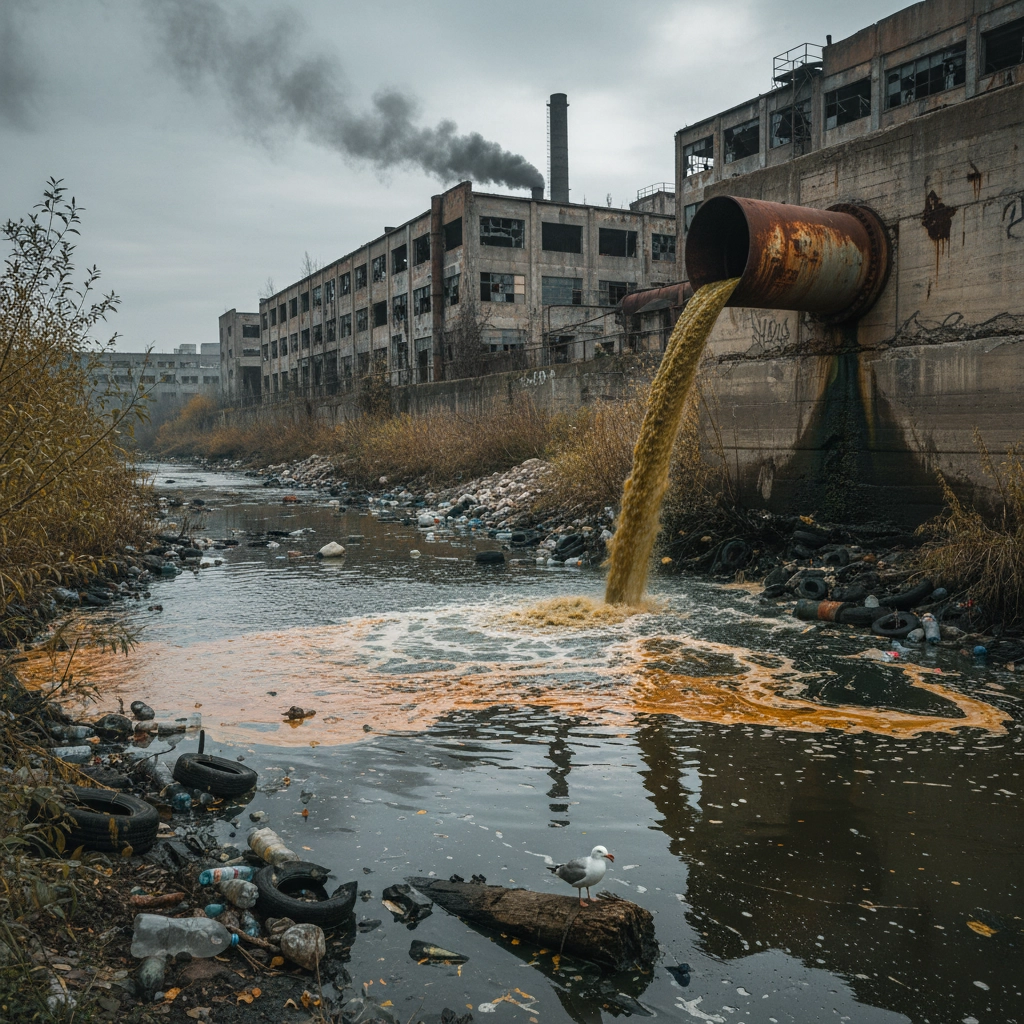
Corporate negligence can manifest in various forms across different industries In product liability cases, manufacturers can be held liable for defects in their products that cause injury or damage This can include design defects, manufacturing defects, and inadequate warnings or instructions In environmental law, corporations can be held liable for polluting the environment or failing to comply with environmental regulations This can result in harm to human health, damage to property, and ecological damage In workplace safety cases, employers can be held liable for failing to provide a safe working environment and for failing to protect employees from foreseeable hazards This can lead to workplace accidents, injuries, and illnesses In financial services, corporations can be held liable for providing negligent financial advice, misrepresenting investment opportunities, or engaging in fraudulent activities These are just a few examples, and the specific circumstances of each case will determine whether corporate negligence has occurred.


Defenses to Corporate Negligence Claims
Corporations facing negligence claims may raise various defenses to avoid liability One common defense is that the corporation did not owe a duty of care to the plaintiff or that the harm was not foreseeable Another defense is that the corporation met the standard of care expected of a reasonable person or entity in similar circumstances Corporations may also argue that the plaintiff’s own negligence contributed to the harm suffered, which could reduce the amount of damages awarded In some cases, corporations may rely on statutory defenses or exemptions to avoid liability It is important to note that the burden of proof rests on the plaintiff to establish all elements of negligence, including duty of care, breach of duty, causation, and damages Corporations are not required to prove their innocence, but they can present evidence to rebut the plaintiff’s claims.
The Role of Class Actions
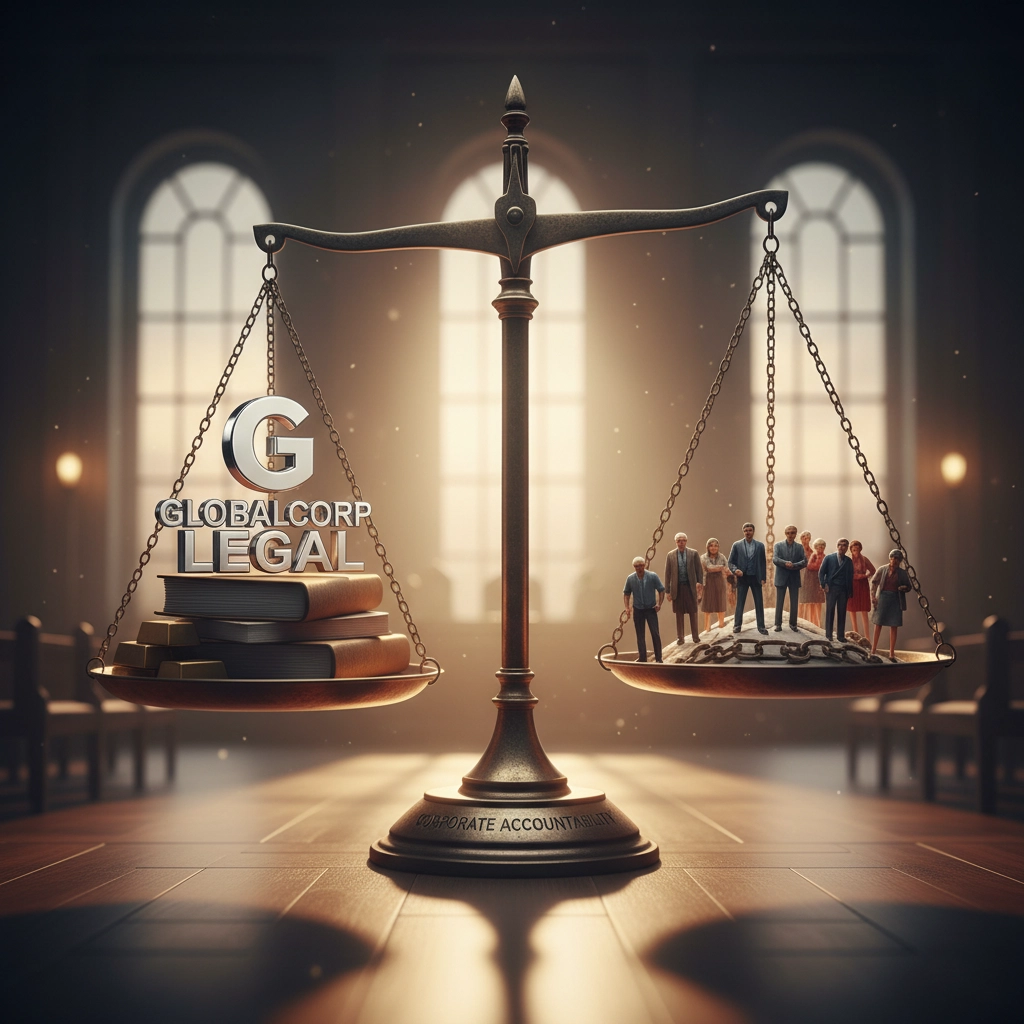
Class actions play a significant role in addressing corporate negligence, particularly when the harm is widespread and affects a large number of individuals Class actions allow plaintiffs to pool their resources and pursue legal claims collectively, which can be more efficient and effective than individual lawsuits Class actions also provide a mechanism for holding corporations accountable for their actions and for deterring future misconduct In class action lawsuits, a representative plaintiff or group of plaintiffs brings the claim on behalf of all members of the class The court must certify the class action, which involves determining whether the claims share common issues of fact or law and whether a class action is the preferable method for resolving the dispute If the class action is certified, all members of the class are bound by the outcome of the lawsuit, unless they opt out of the class.
Proving Negligence in Class Actions
Proving corporate negligence in class action lawsuits can be complex and challenging Plaintiffs must demonstrate that the corporation’s negligence affected all members of the class in a similar way This can be difficult when the class is large and diverse, and when the harm suffered varies among class members Plaintiffs often rely on statistical evidence and expert testimony to establish causation and damages on a class-wide basis For example, in a product liability class action, plaintiffs may present evidence that a defect in the product affected all users in a similar way, regardless of their individual circumstances In an environmental class action, plaintiffs may present evidence that pollution from the corporation’s activities caused harm to all residents in a particular area The use of statistical evidence and expert testimony can help to streamline the litigation process and make it more manageable. More information on proving corporate negligence can be found here.
The Impact of Corporate Liability
Corporate liability for negligence can have significant consequences for corporations, including financial losses, reputational damage, and regulatory sanctions Corporations may be required to pay damages to plaintiffs, which can be substantial in class action lawsuits Corporations may also face fines and penalties from government agencies and regulatory bodies The reputational damage associated with negligence claims can also be significant, leading to loss of customer trust and decreased sales In addition to these direct consequences, corporate liability can also have broader implications for the business community It can encourage corporations to adopt safer practices and to take greater responsibility for the potential harm their activities may cause.
Recent Developments in Corporate Negligence Law
Corporate negligence law is constantly evolving, and there have been several recent developments that are worth noting One trend is the increasing focus on corporate social responsibility, which encourages corporations to consider the broader social and environmental impact of their activities This can lead to greater scrutiny of corporate conduct and increased accountability for negligence Another development is the growing use of technology and data analytics to detect and prevent corporate negligence This can include using data to identify potential safety hazards, to monitor environmental compliance, and to detect fraudulent activities Courts are also grappling with the challenges of applying traditional negligence principles to new technologies and emerging industries This can raise complex issues of causation and foreseeability, and it may require new legal frameworks to address these challenges.
Conclusion: Holding Corporations Accountable
In conclusion, proving corporate negligence in Canadian class action lawsuits is a complex but essential process It requires establishing a duty of care, demonstrating a breach of that duty, proving causation, and assessing damages While corporations have defenses available, the legal system strives to hold them accountable for actions or omissions that cause harm Class actions provide a crucial mechanism for addressing widespread negligence, ensuring that corporations are responsible for their societal impact As corporate negligence law continues to evolve, it is important for businesses to prioritize safety, ethical conduct, and responsible practices to avoid liability and maintain public trust.