


Understanding Indigenous Rights Class Actions in Canada
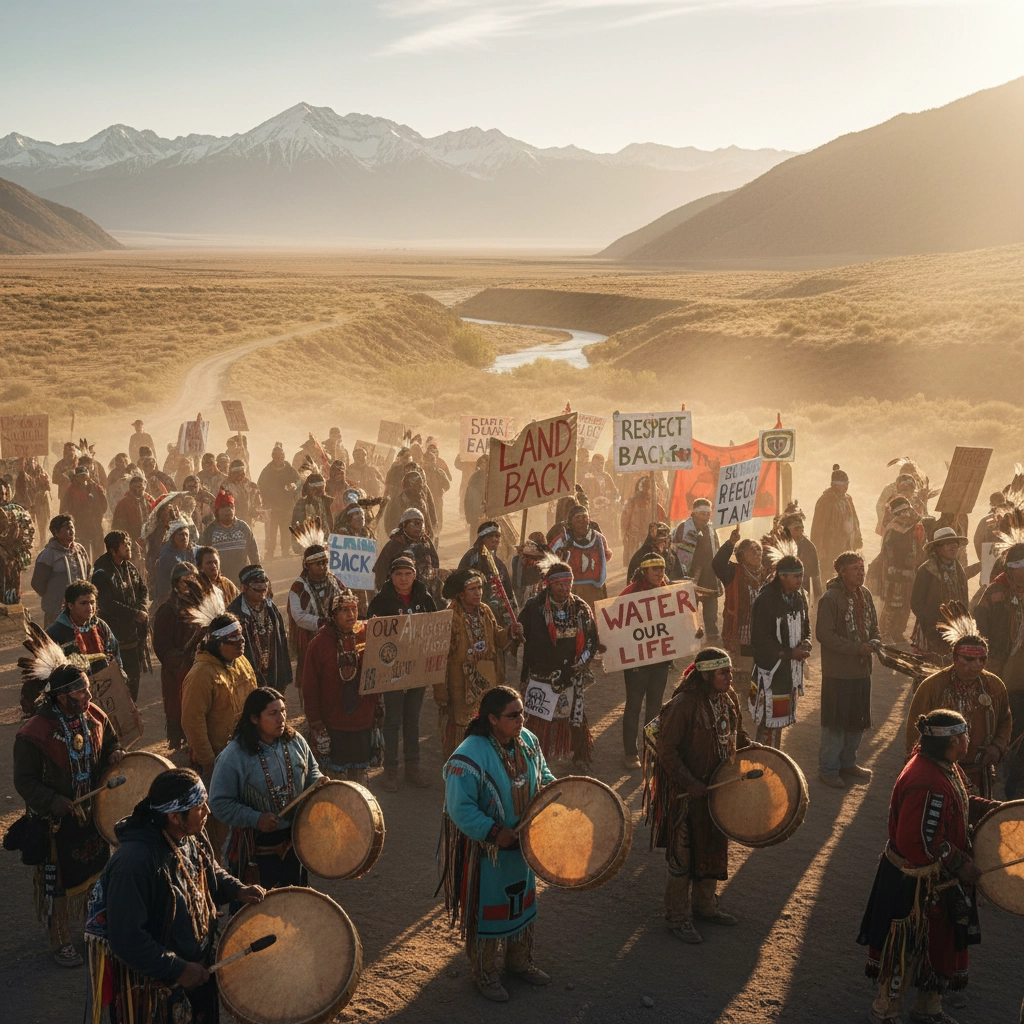
Class action lawsuits have emerged as a crucial legal avenue for addressing systemic injustices faced by Indigenous communities in Canada. These lawsuits consolidate individual claims into a single action, allowing for more efficient and impactful resolution of widespread grievances. They often target historical and ongoing harms inflicted by government policies, institutions, or other entities, seeking compensation, systemic changes, and recognition of Indigenous rights. Class actions provide a mechanism for holding responsible parties accountable and addressing the collective harm suffered by Indigenous peoples due to discriminatory practices and breaches of legal obligations.


The Significance of Collective Redress
Class actions are particularly relevant in the context of Indigenous rights because they enable collective redress for harms that affect entire communities. Individual lawsuits can be costly and time-consuming, posing significant barriers for Indigenous individuals who may lack the resources to pursue legal action on their own. Class actions overcome these barriers by pooling resources and expertise, allowing for a more level playing field in the legal system. They also provide a platform for raising awareness about systemic issues and promoting broader social change. By bringing collective claims, Indigenous communities can amplify their voices and exert greater pressure on governments and institutions to address their grievances.
Key Examples of Indigenous Rights Class Actions
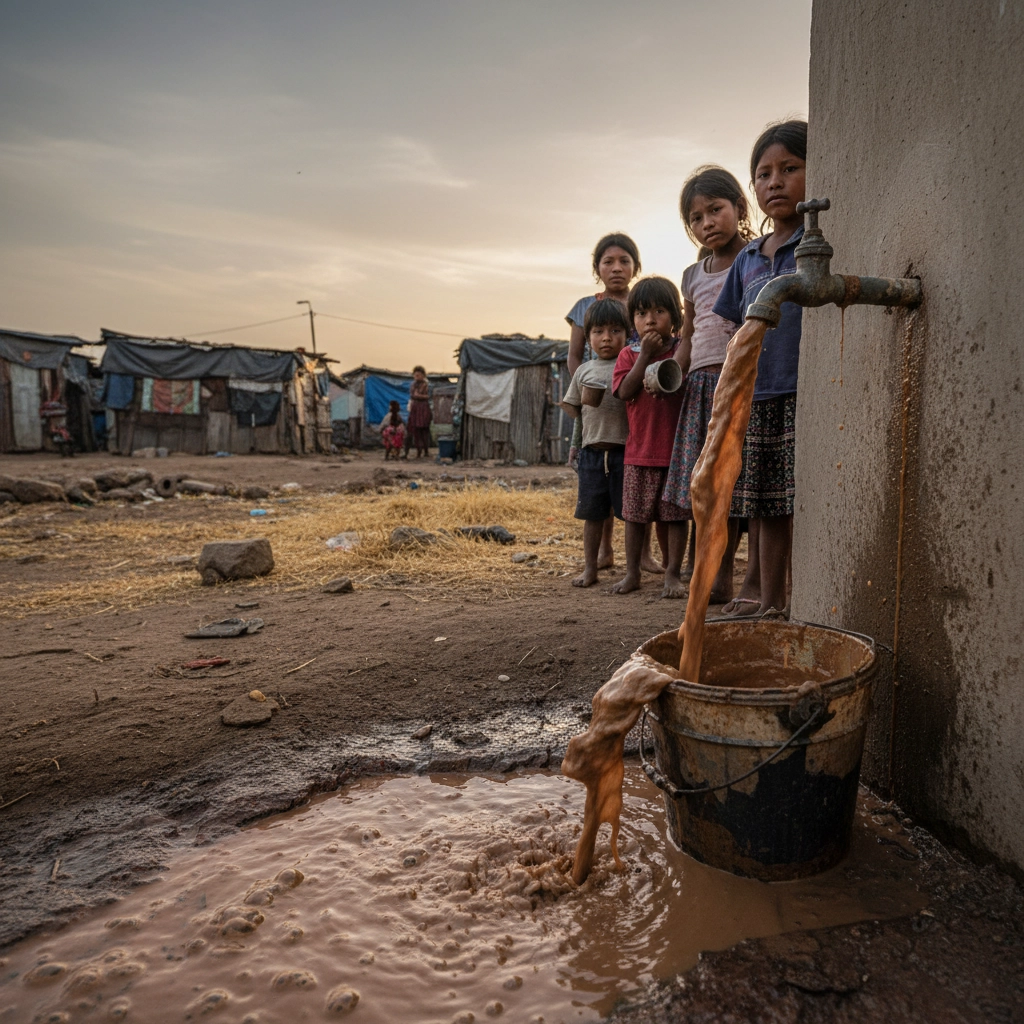
Several landmark class actions have addressed various forms of injustice experienced by Indigenous peoples in Canada. The Indian Residential Schools Settlement Agreement, for example, provided compensation and other forms of redress to survivors of residential schools, acknowledging the profound and lasting harm caused by these institutions. Another significant case is the Sixties Scoop lawsuit, which addressed the practice of removing Indigenous children from their families and communities and placing them in non-Indigenous foster homes. These class actions have not only provided financial compensation but have also contributed to greater public awareness and understanding of the historical injustices faced by Indigenous peoples. Other examples include class actions related to water contamination, discrimination in child welfare services, and the denial of treaty rights. These cases highlight the diverse range of issues that can be addressed through class action litigation.

Challenges and Considerations in Indigenous Rights Class Actions
While class actions offer a powerful tool for seeking justice, they also present unique challenges in the context of Indigenous rights. One key consideration is the need to ensure that class actions are culturally appropriate and respect Indigenous legal traditions. Consultation with Indigenous communities is essential to ensure that the litigation strategy aligns with their goals and priorities. Another challenge is the complexity of proving systemic discrimination and causation, particularly in cases involving historical harms. Courts must be willing to consider a wide range of evidence, including oral histories and traditional knowledge, to understand the full extent of the harm suffered by Indigenous communities. Furthermore, the distribution of settlement funds can be a complex process, requiring careful consideration of the needs and priorities of class members. It is crucial to establish transparent and accountable mechanisms for managing and distributing funds to ensure that they are used effectively to address the harm suffered by the community.
The Role of the Courts and Legal Professionals
The courts play a critical role in ensuring the fairness and integrity of Indigenous rights class actions. Judges must be sensitive to the unique challenges and considerations that arise in these cases and must be willing to adapt legal procedures to accommodate Indigenous legal traditions. Legal professionals also have a responsibility to act ethically and diligently in representing the interests of Indigenous clients. This includes conducting thorough research, consulting with Indigenous communities, and advocating for just and equitable outcomes. The success of Indigenous rights class actions depends on the commitment of the courts and legal professionals to uphold the principles of justice and reconciliation.


Conclusion: A Path Towards Reconciliation
Indigenous rights class actions represent a significant step towards achieving justice and reconciliation in Canada. By providing a mechanism for collective redress, these lawsuits empower Indigenous communities to hold governments and institutions accountable for their actions. While challenges remain, the successes achieved in past class actions demonstrate the potential for these lawsuits to bring about meaningful change. As Canada continues on its journey towards reconciliation, Indigenous rights class actions will continue to play a vital role in addressing historical injustices, promoting healing, and advancing the rights and well-being of Indigenous peoples. These actions, while not a panacea, offer a concrete path toward acknowledging past wrongs and building a more just and equitable future for all Canadians.
Content Piece 2:

Truth and Reconciliation: Indigenous Child Welfare Class Actions
Addressing Systemic Failures in Child Welfare
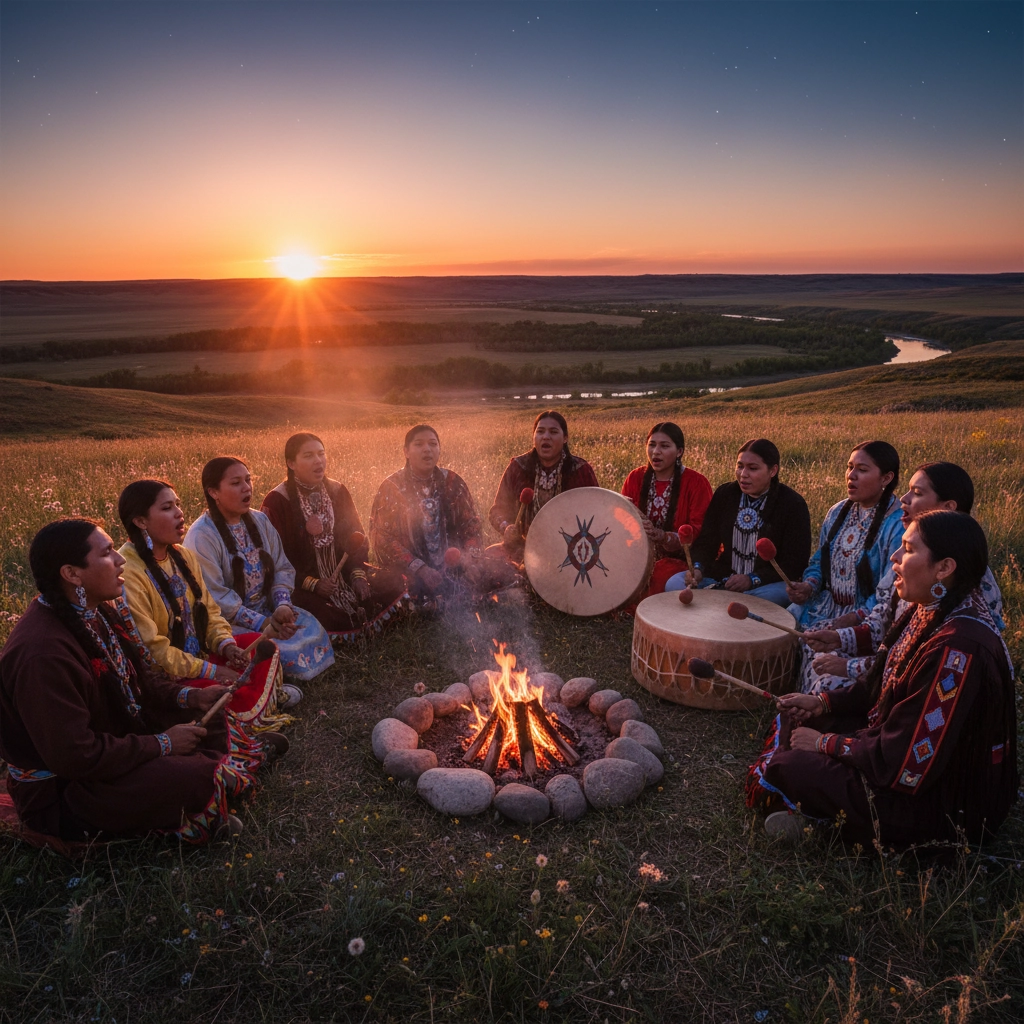
Indigenous child welfare class actions are a critical response to the historical and ongoing systemic failures within the child welfare system that have disproportionately affected Indigenous families and children. These legal actions aim to address the discriminatory practices, policies, and funding disparities that have led to the unwarranted removal of Indigenous children from their homes and communities, causing profound and lasting harm. By challenging these systemic issues, these class actions seek to achieve meaningful reforms, ensuring that Indigenous children have the opportunity to grow up in safe, nurturing, and culturally appropriate environments. The ultimate goal is to dismantle the structures that perpetuate the cycle of trauma and promote a child welfare system that respects and supports Indigenous families and communities.
The Devastating Impact of the Child Welfare System
The overrepresentation of Indigenous children in the child welfare system is a well-documented and deeply troubling reality in Canada. Decades of discriminatory policies and practices have resulted in the mass removal of Indigenous children from their families, often based on biased assessments and a lack of understanding of Indigenous cultures and parenting practices. This has had devastating consequences for Indigenous children, families, and communities, contributing to intergenerational trauma, loss of cultural identity, and a range of social and emotional problems. The child welfare system has been described as a continuation of the residential school system, perpetuating the assimilationist agenda and undermining the inherent rights of Indigenous peoples. The trauma inflicted by the child welfare system is a significant barrier to healing and reconciliation, requiring comprehensive and culturally appropriate interventions.
Key Allegations in Child Welfare Class Actions
Indigenous child welfare class actions typically allege that the federal and provincial governments have failed to provide adequate funding for child welfare services in Indigenous communities, resulting in a lack of resources and support for families. They also allege that the child welfare system is biased against Indigenous families, leading to the unwarranted removal of children based on discriminatory stereotypes and a failure to consider culturally appropriate alternatives. Furthermore, these class actions often challenge the lack of meaningful consultation with Indigenous communities in the development and implementation of child welfare policies and practices. The allegations highlight the systemic nature of the problem, demonstrating that the harm suffered by Indigenous children is not the result of isolated incidents but rather a pattern of discrimination and neglect.
Seeking Systemic Change and Cultural Preservation
A primary goal of Indigenous child welfare class actions is to achieve systemic change within the child welfare system, ensuring that it is culturally appropriate, adequately funded, and accountable to Indigenous communities. This includes advocating for the implementation of Jordan’s Principle, which ensures that Indigenous children have access to the services they need, regardless of jurisdictional disputes. It also involves promoting the development of Indigenous-led child welfare agencies that are grounded in Indigenous values and traditions. Furthermore, these class actions seek to ensure that Indigenous children have the opportunity to maintain their cultural identity and connection to their communities, even when they are in care. This requires providing access to cultural programs, language instruction, and contact with Elders and other community members.
The Importance of Indigenous Leadership and Self-Determination
Indigenous leadership and self-determination are essential to achieving meaningful and lasting reform in the child welfare system. Indigenous communities must have the autonomy and resources to design and implement their own child welfare programs, based on their unique needs and priorities. This requires transferring control over child welfare services from the federal and provincial governments to Indigenous communities, along with the necessary funding and support. Indigenous-led child welfare agencies are best positioned to provide culturally appropriate services that promote the well-being of Indigenous children and families. Furthermore, Indigenous communities must have a strong voice in the development and implementation of child welfare policies and legislation.
Conclusion: Towards a Just and Equitable System
Indigenous rights class actions are a crucial tool for challenging the systemic injustices within the child welfare system and advocating for the rights of Indigenous children and families. These legal actions have the potential to bring about meaningful reforms, ensuring that Indigenous children have the opportunity to grow up in safe, nurturing, and culturally appropriate environments. However, achieving lasting change requires a commitment from all levels of government to address the root causes of the problem, including poverty, discrimination, and the legacy of colonialism. By working in partnership with Indigenous communities, Canada can create a child welfare system that is just, equitable, and respectful of Indigenous rights and self-determination. The path forward requires a fundamental shift in mindset, recognizing that Indigenous families and communities are best positioned to care for their children and that the child welfare system should be a source of support, not a tool of oppression.
Content Piece 3:
Water Rights: Class Actions for Clean and Safe Drinking Water
The Fight for Access to Clean Water
Access to clean and safe drinking water is a fundamental human right, yet many Indigenous communities in Canada continue to face chronic water advisories and lack access to reliable water infrastructure. Water rights class actions have emerged as a powerful legal tool for addressing this systemic injustice, holding governments accountable for their failure to provide adequate water services to Indigenous communities. These lawsuits seek to compel governments to invest in water infrastructure, implement effective water management practices, and ensure that Indigenous communities have access to clean and safe drinking water, free from contamination and health risks. The fight for water rights is a fight for the health, well-being, and dignity of Indigenous peoples.
The Crisis of Water Advisories in Indigenous Communities
The persistent water crisis in many Indigenous communities is a stark reminder of the ongoing inequalities and systemic discrimination faced by Indigenous peoples in Canada. Many communities have been under boil water advisories for years, or even decades, forcing residents to rely on bottled water or other temporary measures. This lack of access to clean water has significant health consequences, increasing the risk of waterborne illnesses and other health problems. It also has a profound impact on the social and economic well-being of communities, limiting their ability to develop and thrive. The water crisis is a direct result of government neglect, inadequate funding, and a failure to prioritize the needs of Indigenous communities.
Grounds for Water Rights Class Actions
Water rights class actions typically allege that the federal and provincial governments have breached their fiduciary duty to Indigenous communities by failing to provide adequate water services. They also allege that the government has violated Indigenous treaty rights, which often include provisions related to access to water and natural resources. Furthermore, these class actions may allege that the government has violated the Canadian Charter of Rights and Freedoms, which guarantees the right to life, liberty, and security of the person. The legal basis for these claims is rooted in the recognition that the government has a special responsibility to protect the rights and interests of Indigenous peoples, including their right to access clean and safe drinking water.
Seeking Infrastructure Improvements and Systemic Change
A primary goal of water rights class actions is to compel governments to invest in water infrastructure in Indigenous communities, ensuring that they have access to reliable and sustainable water systems. This includes upgrading existing water treatment plants, constructing new water infrastructure, and providing training for local operators to maintain and manage the systems. These class actions also seek to achieve systemic change in the way that water services are provided to Indigenous communities, ensuring that they have greater control over their water resources and that their voices are heard in decision-making processes. This requires establishing meaningful consultation mechanisms and empowering Indigenous communities to develop their own water management plans.
The Importance of Indigenous Knowledge and Traditional Practices
Indigenous knowledge and traditional practices play a vital role in ensuring the sustainability of water resources and the effectiveness of water management strategies. Indigenous communities have a deep understanding of their local ecosystems and have developed traditional methods for protecting and managing water resources for generations. Water rights class actions can provide a platform for incorporating Indigenous knowledge into water management plans, ensuring that they are culturally appropriate and environmentally sustainable. This requires working in partnership with Indigenous communities to develop water management strategies that respect their traditional knowledge and practices.
Conclusion: Ensuring Water Security for Indigenous Communities
Water rights class actions are a critical tool for advocating for the right to clean and safe drinking water for Indigenous communities in Canada. These legal actions have the potential to compel governments to address the systemic failures that have led to the persistent water crisis and to invest in sustainable water infrastructure. However, achieving lasting change requires a commitment from all levels of government to prioritize the needs of Indigenous communities and to work in partnership with them to develop water management strategies that are culturally appropriate and environmentally sustainable. By ensuring water security for Indigenous communities, Canada can take a significant step towards reconciliation and building a more just and equitable society. Access to clean water is not a privilege, but a fundamental human right that must be protected for all.
Content Piece 4:
Treaty Rights: Enforcing Historic Agreements Through Class Actions
Upholding Treaty Promises Through Legal Action
Treaties between the Crown and Indigenous nations are foundational documents that define the relationship between Indigenous peoples and the Canadian government. These treaties contain promises and obligations related to land rights, resource sharing, self-government, and other matters. Treaty rights class actions are a legal mechanism for enforcing these historic agreements, holding the government accountable for its failure to uphold its treaty obligations. These lawsuits seek to ensure that Indigenous nations receive the benefits and protections promised in their treaties, promoting justice, reconciliation, and the recognition of Indigenous sovereignty. The enforcement of treaty rights is essential for building a respectful and equitable relationship between Indigenous peoples and Canada.
The Significance of Treaty Rights
Treaty rights are constitutionally protected rights that affirm Indigenous nations’ inherent right to self-determination and their ongoing relationship with their traditional territories. These rights are not gifts from the government but rather are the result of negotiations and agreements between sovereign nations. Treaties represent a solemn commitment by the Crown to respect Indigenous rights and to share the benefits of resource development on treaty lands. The failure to uphold treaty rights has had devastating consequences for Indigenous communities, contributing to poverty, social inequality, and the erosion of Indigenous cultures and languages. The recognition and enforcement of treaty rights is essential for addressing these historical injustices and for creating a more just and equitable future for Indigenous peoples.
Common Claims in Treaty Rights Class Actions
Treaty rights class actions often involve claims related to the government’s failure to share resource revenues with Indigenous nations, as promised in the treaties. They may also involve claims related to the government’s infringement on Indigenous hunting, fishing, and trapping rights, or its failure to protect Indigenous sacred sites and cultural heritage. Furthermore, these class actions may challenge the government’s failure to provide adequate funding for education, health care, and other essential services, as required by the treaties. The legal basis for these claims is rooted in the principle that treaties must be interpreted in a fair and liberal manner, with due regard for the historical context and the intentions of the parties.
Seeking Recognition, Compensation, and Resource Sharing
A primary goal of treaty rights class actions is to obtain recognition and affirmation of Indigenous treaty rights, ensuring that they are respected and upheld by the government. This includes seeking court declarations that confirm the scope and content of treaty rights and that require the government to comply with its treaty obligations. These class actions also seek compensation for past breaches of treaty rights, including damages for lost resource revenues, environmental damage, and cultural harm. Furthermore, they aim to establish mechanisms for ongoing resource sharing and consultation, ensuring that Indigenous nations have a meaningful role in the management of their traditional territories.
The Role of Oral History and Indigenous Legal Traditions
Oral history and Indigenous legal traditions play a crucial role in treaty rights litigation, providing evidence of the historical context and the intentions of the parties at the time the treaties were signed. Indigenous oral histories often contain valuable information about the negotiations that led to the treaties and the understandings that were reached. Indigenous legal traditions, which are based on customary laws and practices, can also provide guidance on how to interpret and apply treaty rights. The courts are increasingly recognizing the importance of considering Indigenous perspectives and knowledge in treaty rights cases, ensuring that these cases are decided in a fair and culturally sensitive manner.
Conclusion: Honouring Treaty Promises for Reconciliation
Treaty rights class actions are an important tool for holding the government accountable for its treaty obligations and for promoting justice and reconciliation with Indigenous peoples. These lawsuits have the potential to bring about meaningful changes in the relationship between Indigenous nations and Canada, ensuring that Indigenous rights are respected and upheld. However, achieving lasting reconciliation requires a broader commitment from the government to honour its treaty promises in good faith and to work in partnership with Indigenous nations to build a more just and equitable future for all. Honouring treaty rights is not just a legal obligation, but a moral imperative that is essential for building a strong and sustainable Canada.
Content Piece 5:
Residential School Claims: Seeking Healing and Accountability
Addressing the Legacy of Residential Schools
The legacy of residential schools in Canada is a dark chapter in the country’s history, marked by the forced removal of Indigenous children from their families and communities, the suppression of their cultures and languages, and the widespread abuse and trauma they endured. Residential school claims, including class actions, have been a crucial mechanism for acknowledging the harm caused by these institutions, providing compensation to survivors, and promoting healing and reconciliation. These legal actions seek to hold the government and the churches that operated the schools accountable for their actions and to ensure that the voices of survivors are heard and their experiences are validated. The pursuit of justice for residential school survivors is a vital step towards addressing the intergenerational trauma caused by these institutions.
The Devastating Impact of Residential Schools
Residential schools had a devastating impact on Indigenous children, families, and communities, contributing to intergenerational trauma, loss of cultural identity, and a range of social and emotional problems. Children were often forbidden from speaking their languages or practicing their cultures, and they were subjected to physical, sexual, and emotional abuse. The schools were designed to assimilate Indigenous children into mainstream Canadian society, but they ultimately failed to achieve this goal and instead created a legacy of pain and suffering that continues to affect Indigenous communities today. The trauma inflicted by residential schools has had a profound impact on the health, well-being, and economic prosperity of Indigenous peoples, requiring comprehensive and culturally appropriate healing and support services.
The Indian Residential Schools Settlement Agreement
The Indian Residential Schools Settlement Agreement (IRSSA) was a landmark legal agreement that provided compensation to survivors of residential schools and established a Truth and Reconciliation Commission to document the history of the schools and to promote reconciliation. The settlement agreement included a Common Experience Payment for all former students, as well as an Independent Assessment Process for those who had suffered serious abuse. The Truth and Reconciliation Commission played a vital role in raising awareness about the history of residential schools and in providing a platform for survivors to share their stories. The IRSSA was a significant step towards addressing the legacy of residential schools, but it was not a complete solution and ongoing efforts are needed to support survivors and to promote healing and reconciliation.
Ongoing Claims and Litigation
While the IRSSA provided compensation to many survivors of residential schools, some claims are still ongoing, particularly those related to abuse that was not covered by the settlement agreement or to the exclusion of certain groups of survivors. Furthermore, litigation continues to address the ongoing impacts of residential schools on Indigenous communities, including claims related to cultural loss, language loss, and intergenerational trauma. These ongoing claims highlight the need for continued support for survivors and for a comprehensive approach to addressing the legacy of residential schools. The pursuit of justice for residential school survivors is a long and complex process, but it is essential for achieving healing and reconciliation.
The Importance of Truth, Reconciliation, and Healing
Truth, reconciliation, and healing are essential components of the process of addressing the legacy of residential schools. Truth involves acknowledging the historical facts of what happened at the schools and recognizing the harm that was caused. Reconciliation involves building respectful relationships between Indigenous and non-Indigenous peoples and working together to address the ongoing impacts of residential schools. Healing involves providing support services to survivors and their families to help them overcome the trauma they have experienced. The process of truth, reconciliation, and healing is a long and difficult one, but it is essential for building a more just and equitable future for Indigenous peoples in Canada.
Conclusion: A Continuing Journey Towards Justice
Specialized class actions, including residential school claims, have played a vital role in acknowledging the harm caused by residential schools, providing compensation to survivors, and promoting healing and reconciliation. While significant progress has been made, ongoing efforts are needed to support survivors, to address the legacy of residential schools, and to build a more just and equitable future for Indigenous peoples in Canada. The journey towards justice for residential school survivors is a continuing one, requiring a commitment from all Canadians to listen to the stories of survivors, to learn from the past, and to work together to create a better future. The pursuit of truth, reconciliation, and healing is essential for building a strong and sustainable Canada.