
Introduction to Government Accountability Through Class Actions
Class action lawsuits have emerged as a potent tool for holding governments accountable in Canada, offering a mechanism for individuals who have suffered similar harm due to government actions or policies to seek redress collectively. These lawsuits can challenge the legality of government decisions, address systemic failures, and provide compensation to those affected by governmental wrongdoing. This approach is particularly valuable when individual claims are too small to justify the cost of litigation, but the aggregate harm is significant. By allowing numerous individuals to pool their resources and pursue a single legal action, class actions level the playing field and provide a means for citizens to challenge powerful government institutions. The use of class actions in Canada has evolved over time, with increasing recognition of their importance in promoting government transparency and responsiveness.


Challenging Government Policies via Class Action
Class actions can be used to challenge government policies in Canada when those policies are alleged to be unlawful, unconstitutional, or discriminatory. For example, a class action might be brought against a government for implementing a policy that violates the Canadian Charter of Rights and Freedoms, such as freedom of speech or equality rights. To succeed in such a claim, the plaintiffs must demonstrate that the policy has a broad impact, affecting a definable group of people, and that the policy is indeed in violation of the law. The courts will then assess the government’s justification for the policy, balancing the government’s objectives against the rights and interests of the affected individuals. Successfully challenging a government policy through a class action can lead to the policy being struck down or modified, as well as compensation for those who suffered harm as a result of its implementation. The availability of this legal avenue ensures that government policies are subject to scrutiny and that citizens have a means of redress when their rights are infringed upon.
Human Rights Violations and Class Action Recourse
Class action lawsuits provide a vital avenue for pursuing claims against the government for human rights violations in Canada. These violations can range from systemic discrimination in government services to abuses within institutions such as prisons or residential schools. In cases involving widespread human rights abuses, class actions allow victims to collectively seek justice and hold the government accountable for its actions or failures. The legal process involves demonstrating that the government’s actions or omissions resulted in a violation of human rights, as protected by the Charter or other human rights legislation. This often requires presenting evidence of systemic patterns of abuse or discrimination and establishing a causal link between the government’s conduct and the harm suffered by the class members. Successful human rights class actions can result in significant compensation for victims, as well as court orders requiring the government to implement reforms to prevent future violations. The pursuit of these claims underscores the importance of upholding human rights standards and ensuring that the government is held responsible for protecting the rights of all citizens.

Data Breaches and Suing the Government for Privacy Infringement
In an increasingly digital age, data breaches and privacy infringements by the government are a growing concern in Canada, and class action lawsuits offer a mechanism for individuals to seek redress when their personal information is compromised. When a government agency experiences a data breach that exposes sensitive information such as social insurance numbers, medical records, or financial details, affected individuals may have grounds to bring a class action claim. To succeed, the plaintiffs must demonstrate that the government had a duty to protect their information, that the government breached that duty through negligence or other wrongful conduct, and that the breach resulted in harm to the class members. Harm can include financial losses, identity theft, and emotional distress. These cases can be complex, requiring expert evidence to assess the adequacy of the government’s data security measures and the extent of the damages suffered by the affected individuals. The threat of class action liability can incentivize government agencies to invest in robust cybersecurity protocols and to take proactive measures to protect citizens’ personal information.
Sovereign Immunity and Its Impact on Government Class Actions
Navigating the complexities of sovereign immunity presents a significant legal hurdle in class actions against the government in Canada. Sovereign immunity, also known as Crown immunity, is a legal doctrine that protects the government from being sued without its consent. While this immunity has been significantly eroded over time, it still poses challenges for plaintiffs seeking to bring class actions against the government. In many cases, legislation has been enacted to waive sovereign immunity in certain circumstances, allowing individuals to sue the government for specific types of claims. However, these waivers are often narrowly defined and subject to various limitations. Plaintiffs must carefully analyze the applicable legislation to determine whether sovereign immunity has been waived for their particular claim and to ensure that they comply with any procedural requirements or limitations. Overcoming the hurdle of sovereign immunity requires skilled legal advocacy and a thorough understanding of the relevant laws and precedents.

Landmark Government Class Actions and Lessons Learned
Several landmark government class actions in Canada have had a profound impact on shaping the legal landscape and promoting government accountability. One notable example is the residential schools class action, which addressed the systemic abuse and cultural genocide inflicted upon Indigenous children who were forced to attend residential schools. This class action resulted in a historic settlement that included compensation for survivors, as well as commitments to reconciliation and healing. Another significant case involved the “Sixties Scoop,” where Indigenous children were removed from their families and placed in non-Indigenous foster homes. This class action led to compensation for affected individuals and recognition of the harm caused by this practice. These and other landmark cases have demonstrated the power of class actions to address systemic injustices and to hold the government accountable for its past actions. They have also highlighted the importance of access to justice for vulnerable populations and the need for ongoing vigilance to prevent future abuses. The lessons learned from these cases continue to inform the development of class action law and to guide efforts to promote government accountability in Canada.
Conclusion: The Ongoing Role of Class Actions
In conclusion, class action lawsuits serve as a critical mechanism for holding the government accountable in Canada. By enabling individuals to collectively seek redress for harms caused by government policies, actions, or omissions, class actions promote transparency, responsiveness, and respect for the rule of law. While navigating the legal complexities of suing the government can be challenging, particularly in light of sovereign immunity, the potential for significant compensation and systemic reform makes class actions a valuable tool for ensuring that the government is held responsible for its conduct. Landmark cases have demonstrated the power of class actions to address systemic injustices and to provide justice for vulnerable populations. As government continues to play a significant role in Canadian society, the importance of class actions as a check on government power will only continue to grow.

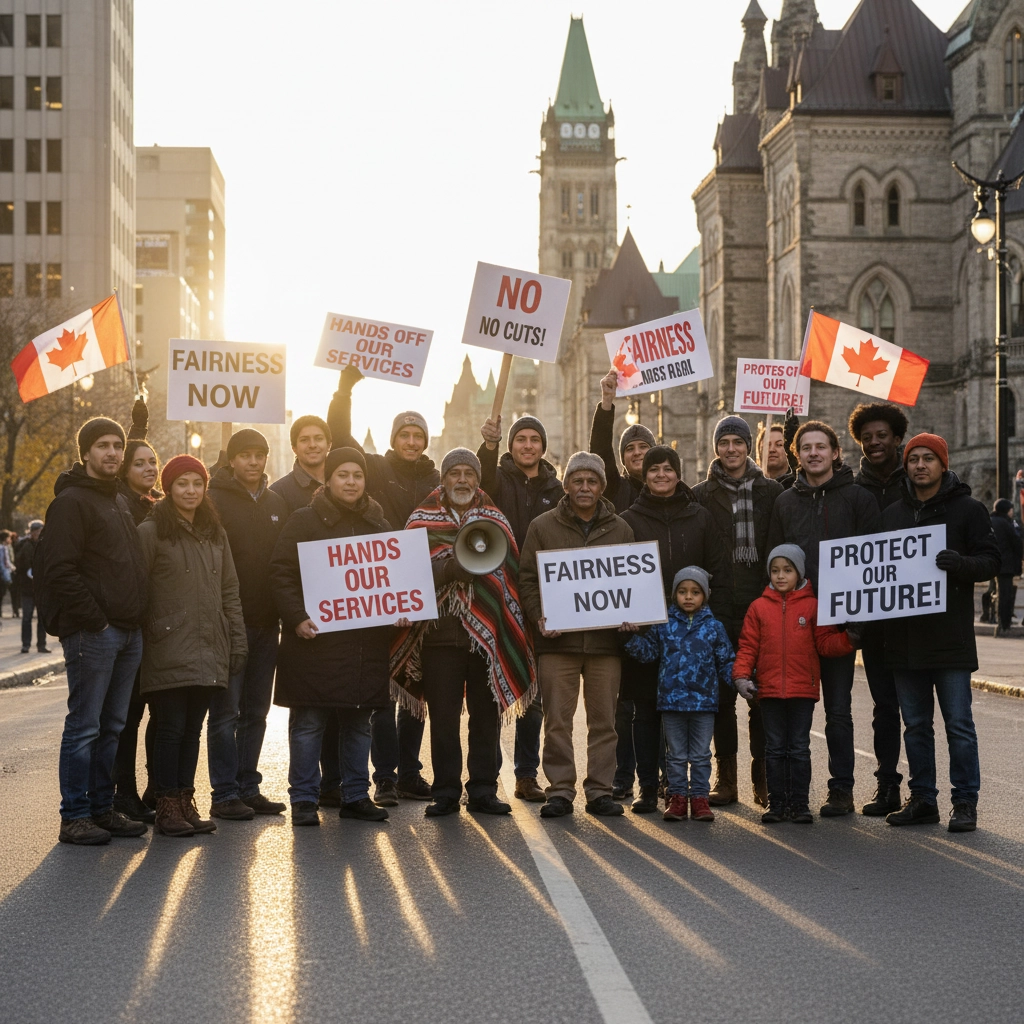
Challenging Government Policies: Class Actions in Canada
Introduction to Challenging Policies
Class action lawsuits in Canada have become an increasingly important mechanism for challenging government policies that are believed to be unlawful, unconstitutional, or otherwise harmful to a large group of people. These lawsuits allow individuals who have suffered similar damages as a result of a government policy to band together and collectively pursue legal action, thereby increasing their chances of success and making it more feasible to hold the government accountable. The ability to challenge government policies through class actions is a crucial aspect of a functioning democracy, as it ensures that the government is subject to the rule of law and that citizens have a means of redress when their rights are violated. The specific circumstances in which a class action can be used to challenge a government policy are often complex and depend on the nature of the policy, the harm it has caused, and the applicable laws and legal precedents.
Grounds for Challenging Policies
Several grounds exist for challenging government policies through class actions in Canada. One common ground is that the policy violates the Canadian Charter of Rights and Freedoms. The Charter guarantees a range of fundamental rights and freedoms, including freedom of expression, freedom of religion, and equality rights. If a government policy is found to infringe upon these rights, it may be struck down by the courts. Another ground for challenging a government policy is that it exceeds the government’s constitutional authority. In Canada, legislative powers are divided between the federal government and the provincial governments, and each level of government can only enact laws within its designated area of jurisdiction. If a government policy encroaches on an area of jurisdiction that belongs to another level of government, it may be deemed unconstitutional. Additionally, government policies can be challenged on the basis that they are unreasonable, arbitrary, or made in bad faith. This ground is often invoked when the government has failed to adequately consider the potential impact of a policy or has acted in a way that is unfair or discriminatory.
Certification Requirements for Class Actions
To bring a class action challenging a government policy in Canada, the plaintiffs must first obtain certification from the court. Certification is a process by which the court determines whether the proposed class action meets certain legal requirements. These requirements typically include that there is an identifiable class of people who have suffered similar damages, that there are common issues of fact or law that apply to all members of the class, that a class action is the preferable procedure for resolving the claims, and that the representative plaintiff is suitable to represent the interests of the class. The certification process is a critical step in a class action, as it determines whether the case can proceed on a class-wide basis. If certification is denied, the plaintiffs may still be able to pursue their claims individually, but they will not have the benefit of a class action.
Examples of Successful Challenges
There have been several successful class actions in Canada that have challenged government policies. One notable example is the residential schools class action, which addressed the systemic abuse and cultural genocide inflicted upon Indigenous children who were forced to attend residential schools. This class action resulted in a historic settlement that included compensation for survivors, as well as commitments to reconciliation and healing. Another significant case involved the “Sixties Scoop,” where Indigenous children were removed from their families and placed in non-Indigenous foster homes. This class action led to compensation for affected individuals and recognition of the harm caused by this practice. These cases demonstrate the potential for class actions to address systemic injustices and to hold the government accountable for its actions.
Remedies Available in Successful Class Actions
If a class action challenging a government policy is successful, the court can order a variety of remedies. One common remedy is monetary compensation for the damages suffered by the class members. This compensation may be awarded to cover financial losses, emotional distress, and other harms. The court may also order the government to change its policy or to implement new policies to prevent similar harm from occurring in the future. In some cases, the court may order the government to provide restitution to the class members, such as restoring benefits that were wrongfully denied or returning property that was unlawfully seized. The specific remedies that are awarded will depend on the nature of the policy, the harm it has caused, and the applicable laws and legal precedents.
Conclusion: Ensuring Government Accountability
In conclusion, class action lawsuits are an important tool for challenging government policies in Canada. These lawsuits allow individuals who have been harmed by government policies to collectively seek redress and hold the government accountable for its actions. By ensuring that the government is subject to the rule of law, class actions play a vital role in protecting the rights and freedoms of Canadian citizens. The success of these actions hinges on meeting certification requirements and demonstrating that a government policy is unlawful, unconstitutional, or otherwise harmful. Successful cases can lead to significant remedies, including compensation and policy changes, ultimately promoting a more just and equitable society.
Pursuing Human Rights Claims Against the Canadian Government
Introduction to Human Rights and Class Actions
Class action lawsuits in Canada serve as an essential mechanism for pursuing claims against the government for human rights violations. These violations can manifest in various forms, including systemic discrimination, mistreatment within government institutions, and infringements on fundamental freedoms. The collective nature of class actions allows individuals who have experienced similar rights violations to unite their resources and legal expertise, thereby increasing their ability to hold the government accountable and seek redress for the harm they have suffered. The availability of this legal avenue is particularly crucial in cases where individual claims might be too small or too complex to pursue independently.
Types of Human Rights Violations
A wide range of human rights violations can be the subject of class action claims against the Canadian government. Systemic discrimination based on race, gender, religion, or other protected grounds is a common area of concern. This can include discriminatory practices in employment, housing, or access to government services. Mistreatment within government institutions, such as prisons, hospitals, or child welfare agencies, can also give rise to human rights claims. Examples include inadequate medical care, physical or psychological abuse, and denial of due process. Infringements on fundamental freedoms, such as freedom of speech, freedom of assembly, or freedom of religion, can also be challenged through class actions. These infringements may arise from government policies, laws, or actions that unduly restrict or suppress these freedoms. The specific types of human rights violations that can be addressed through class actions are constantly evolving as new issues emerge and legal precedents are established.
Legal Framework for Human Rights Claims
The legal framework for pursuing human rights claims against the Canadian government is complex and multifaceted. The Canadian Charter of Rights and Freedoms is the cornerstone of human rights protection in Canada, guaranteeing a range of fundamental rights and freedoms to all individuals. Provincial human rights codes also provide protection against discrimination in various areas, such as employment, housing, and services. In addition to these constitutional and statutory protections, international human rights treaties and conventions to which Canada is a party can also be relevant in interpreting and applying human rights law. When bringing a class action claim for human rights violations, it is essential to identify the specific legal provisions that have been violated and to demonstrate that the government’s actions or omissions have infringed upon those rights.
Challenges in Pursuing Human Rights Claims
Pursuing human rights claims against the Canadian government through class actions can be challenging due to a number of factors. One significant challenge is the evidentiary burden of proving systemic discrimination or other forms of widespread human rights violations. This often requires extensive data analysis, expert testimony, and anecdotal evidence from numerous individuals. Another challenge is overcoming the government’s potential defenses, such as sovereign immunity or claims that its actions were justified by legitimate policy objectives. Additionally, human rights claims often involve complex legal and factual issues, which can make them time-consuming and expensive to litigate. Despite these challenges, class action lawsuits remain an important tool for holding the government accountable and seeking justice for human rights violations.
Remedies and Outcomes in Human Rights Class Actions
The remedies and outcomes in successful human rights class actions against the Canadian government can vary depending on the nature of the violations and the specific circumstances of the case. Monetary compensation is a common remedy, which may be awarded to individual class members to compensate for the harm they have suffered. In addition to individual compensation, class actions can also result in systemic changes to government policies, practices, or institutions. These changes may be aimed at preventing future human rights violations and ensuring that the government complies with its human rights obligations. Examples of systemic changes include reforms to prison policies, improvements in access to government services for marginalized groups, and the implementation of anti-discrimination training programs. The outcomes of human rights class actions can have a significant impact on the lives of affected individuals and on the broader human rights landscape in Canada.
Conclusion: Ensuring Protection of Rights
In conclusion, class action lawsuits play a vital role in protecting human rights and ensuring government accountability in Canada. These lawsuits provide a mechanism for individuals who have experienced similar rights violations to collectively seek redress and hold the government responsible for its actions. While pursuing human rights claims against the government can be challenging, the potential for significant remedies and systemic changes makes class actions an essential tool for promoting justice and equality. The ongoing use of class actions in this context underscores the importance of upholding human rights standards and ensuring that the government is held accountable for protecting the rights of all citizens.
Government Data Breaches and Class Action Lawsuits in Canada
Introduction to Data Breaches and Government Liability
In an era increasingly reliant on digital data, government agencies in Canada hold vast amounts of personal information, making them attractive targets for cyberattacks and data breaches. When these breaches occur, exposing sensitive information such as social insurance numbers, medical records, or financial details, affected individuals may have grounds to pursue class action lawsuits against the government. These lawsuits aim to hold the government accountable for its data security practices and to seek compensation for the damages suffered by those whose information has been compromised. The rise in data breaches involving government entities highlights the need for robust cybersecurity measures and clear legal frameworks to address the consequences of such incidents.
Government’s Duty to Protect Data
The Canadian government has a legal and ethical duty to protect the personal information it collects and maintains. This duty arises from various sources, including privacy legislation, common law principles, and constitutional rights. The Privacy Act, for example, sets out rules for how federal government institutions must handle personal information, including requirements for security safeguards and data breach notification. Common law principles of negligence and breach of confidence may also impose a duty on the government to protect personal information. Furthermore, the Charter of Rights and Freedoms, particularly section 8, which protects against unreasonable search and seizure, may be relevant in cases where government data breaches involve the unlawful access or disclosure of personal information. The scope of the government’s duty to protect data is constantly evolving as technology advances and new threats emerge.
Establishing Liability in Data Breach Class Actions
To succeed in a class action lawsuit against the government for a data breach in Canada, the plaintiffs must establish that the government breached its duty to protect their personal information and that this breach caused them damages. This typically involves demonstrating that the government’s data security measures were inadequate, that the government failed to take reasonable steps to prevent the breach, or that the government was negligent in responding to the breach. The plaintiffs must also prove that they suffered damages as a result of the breach, such as financial losses, identity theft, or emotional distress. Establishing causation can be challenging, as it may be difficult to directly link the data breach to the specific damages suffered by the class members. However, courts have recognized that circumstantial evidence and statistical analysis can be used to establish causation in data breach cases.
Challenges in Suing the Government
Suing the government for a data breach presents several unique challenges. One challenge is navigating the complexities of sovereign immunity, which may limit the government’s liability in certain circumstances. Another challenge is the potential for the government to assert claims of national security or public interest to justify its data security practices. Additionally, government agencies often have significant resources and legal expertise, which can make it difficult for plaintiffs to compete on a level playing field. Despite these challenges, class action lawsuits remain an important tool for holding the government accountable and ensuring that it takes its data security obligations seriously.
Remedies and Compensation
If a class action lawsuit against the government for a data breach is successful, the court can order a variety of remedies. These may include monetary compensation for the damages suffered by the class members, as well as injunctive relief requiring the government to improve its data security practices. Monetary compensation may be awarded to cover financial losses, such as the cost of credit monitoring or identity theft remediation, as well as compensation for emotional distress and other non-economic damages. Injunctive relief may include orders requiring the government to implement specific security measures, to conduct regular security audits, or to provide training to its employees on data security best practices. The specific remedies that are awarded will depend on the nature of the breach, the damages suffered by the class members, and the applicable laws and legal precedents.
Conclusion: Promoting Stronger Data Protection
In conclusion, class action lawsuits are an important mechanism for holding the government accountable for data breaches in Canada. These lawsuits can provide compensation to affected individuals and incentivize the government to improve its data security practices. By ensuring that the government is held responsible for protecting personal information, class actions play a vital role in promoting stronger data protection and safeguarding the privacy of Canadian citizens. As data breaches become increasingly common, the importance of class actions in this context will only continue to grow.
Sovereign Immunity in Canadian Class Action Lawsuits
Introduction to Sovereign Immunity
Sovereign immunity, also known as Crown immunity, is a legal doctrine that shields the government from certain lawsuits. In Canada, this principle historically protected the federal and provincial governments from being sued without their consent. However, over time, legislation has been enacted to waive sovereign immunity in many circumstances, allowing individuals and organizations to bring legal actions against the government for various types of claims. Despite these waivers, sovereign immunity remains a significant consideration in class action lawsuits against the government, as it can affect the scope of liability and the available remedies. Understanding the nuances of sovereign immunity and its exceptions is crucial for plaintiffs considering class actions against government entities in Canada.
Evolution of Sovereign Immunity in Canada
The doctrine of sovereign immunity in Canada has undergone significant evolution over the years. Originally, the principle was based on the idea that “the King can do no wrong,” which meant that the government was immune from legal liability. However, this absolute immunity was gradually eroded by legislation and judicial decisions. The Crown Liability and Proceedings Act is a key piece of legislation that waives sovereign immunity in many cases, allowing the government to be sued for torts, contracts, and other types of claims. However, the Act also contains certain limitations and exceptions, such as immunity for certain government functions and activities. The courts have also played a role in shaping the scope of sovereign immunity, interpreting the legislation and developing common law principles to balance the government’s need to carry out its functions with the rights of individuals to seek redress for harm caused by government actions.
Impact on Class Action Lawsuits
Sovereign immunity can have a significant impact on class action lawsuits against the government in Canada. One key issue is whether the legislation waiving sovereign immunity applies to the specific type of claim being asserted in the class action. If the legislation does not waive immunity for that type of claim, the class action may be barred from proceeding. Another issue is whether the legislation imposes any procedural requirements or limitations that must be complied with in order to sue the government. For example, some legislation may require that notice of the claim be given to the government within a certain time period. Additionally, sovereign immunity may affect the available remedies in a class action. In some cases, the government may be immune from certain types of remedies, such as punitive damages.
Exceptions to Sovereign Immunity
While sovereign immunity can pose a significant hurdle in class action lawsuits against the government, there are several exceptions that may allow the lawsuit to proceed. As mentioned earlier, legislation such as the Crown Liability and Proceedings Act waives sovereign immunity in many circumstances. Additionally, there may be exceptions to sovereign immunity based on constitutional principles or international law. For example, the Charter of Rights and Freedoms may limit the government’s ability to assert sovereign immunity in cases where it has violated fundamental rights. International human rights treaties and conventions to which Canada is a party may also impose obligations on the government that override sovereign immunity. The specific exceptions to sovereign immunity that apply in a particular case will depend on the nature of the claim, the applicable legislation, and the relevant legal precedents.
Strategies for Overcoming Immunity
Plaintiffs seeking to bring class action lawsuits against the government in Canada must carefully consider the issue of sovereign immunity and develop strategies for overcoming this hurdle. One strategy is to carefully analyze the applicable legislation to determine whether sovereign immunity has been waived for the specific type of claim being asserted. Another strategy is to argue that an exception to sovereign immunity applies based on constitutional principles or international law. Additionally, plaintiffs may be able to structure their claims in a way that avoids the limitations of sovereign immunity. For example, they may be able to assert claims against individual government officials rather than against the government itself. Overcoming the hurdle of sovereign immunity requires skilled legal advocacy and a thorough understanding of the relevant laws and precedents.
Conclusion: Balancing Government Protection and Citizen Rights
In conclusion, sovereign immunity remains a significant consideration in class action lawsuits against the government in Canada. While legislation has waived sovereign immunity in many circumstances, there are still limitations and exceptions that can affect the scope of liability and the available remedies. Plaintiffs seeking to bring class actions against the government must carefully analyze the issue of sovereign immunity and develop strategies for overcoming this hurdle. The ongoing evolution of sovereign immunity reflects the need to balance the government’s need to carry out its functions with the rights of individuals to seek redress for harm caused by government actions.
Landmark Government Class Actions in Canada: Lessons and Impact
Introduction to Landmark Cases
Landmark government class actions in Canada have played a pivotal role in shaping the legal landscape and promoting government accountability. These cases often involve systemic issues affecting large groups of people and have resulted in significant financial settlements, policy changes, and increased awareness of government wrongdoing. Examining these key cases provides valuable insights into the power of class actions to address systemic injustices and to hold the government accountable for its actions or failures. The impact of these cases extends beyond the individual plaintiffs, influencing government policy, legal precedent, and public discourse.
Residential Schools Class Action
The residential schools class action is one of the most significant and far-reaching class actions in Canadian history. It addressed the systemic abuse and cultural genocide inflicted upon Indigenous children who were forced to attend residential schools. These schools, operated by churches with government funding, aimed to assimilate Indigenous children into Canadian society, often through harsh and abusive methods. The class action resulted in a historic settlement that included compensation for survivors, as well as commitments to reconciliation and healing. The settlement also led to the establishment of the Truth and Reconciliation Commission, which documented the history of the residential school system and made recommendations for reconciliation. The residential schools class action has had a profound impact on Canadian society, raising awareness of the injustices suffered by Indigenous peoples and paving the way for further reconciliation efforts.
Sixties Scoop Class Action
The “Sixties Scoop” class action addressed the practice of removing Indigenous children from their families and placing them in non-Indigenous foster homes, primarily during the 1960s. This practice resulted in the loss of culture, identity, and family connections for thousands of Indigenous children. The class action led to compensation for affected individuals and recognition of the harm caused by this practice. The settlement also included commitments to improve child welfare practices and to ensure that Indigenous children are connected to their culture and communities. The Sixties Scoop class action has highlighted the ongoing challenges faced by Indigenous peoples in the child welfare system and the need for culturally appropriate services.
Blood Transfusion Scandal Class Action
The blood transfusion scandal class action involved individuals who contracted HIV or hepatitis C through tainted blood transfusions in the 1980s and 1990s. The class action alleged that the Canadian Red Cross, which was responsible for collecting and distributing blood, failed to adequately screen donors and test blood for these viruses. The class action resulted in a significant settlement that provided compensation to affected individuals and their families. The scandal led to major reforms in the Canadian blood system, including the creation of Canadian Blood Services and Héma-Québec, which are responsible for ensuring the safety and security of the blood supply. The blood transfusion scandal class action highlighted the importance of government oversight and regulation in ensuring the safety of public health systems.
Walkerton E. Coli Crisis Class Action
The Walkerton E. coli crisis class action involved residents of Walkerton, Ontario, who were sickened by E. coli bacteria in the town’s water supply in 2000. The class action alleged that the municipal government and its employees were negligent in their operation of the water system, leading to the contamination. The class action resulted in a settlement that provided compensation to affected individuals and families. The crisis led to major reforms in Ontario’s water regulations, including stricter testing requirements and increased government oversight of municipal water systems. The Walkerton E. coli crisis class action highlighted the importance of government responsibility in ensuring the safety of public infrastructure.
Conclusion: Promoting Justice and Accountability
In conclusion, landmark government class actions in Canada have played a crucial role in promoting justice and accountability. These cases have addressed systemic injustices, provided compensation to affected individuals, and led to significant policy changes. The lessons learned from these cases continue to inform the development of class action law and to guide efforts to promote government accountability in Canada. As government continues to play a significant role in Canadian society, the importance of class actions as a check on government power will only continue to grow.