



Product recalls are a critical mechanism for safeguarding consumers from defective or potentially hazardous products in Canada. These recalls are initiated when a manufacturer or regulatory body discovers that a product poses a safety risk, whether due to design flaws, manufacturing defects, or inadequate warnings. Understanding the recall process and your rights as a consumer is essential for protecting yourself and your family from harm. This guide provides an overview of product recalls in Canada, covering key aspects such as how to stay informed about recalls, what to do if you own a recalled product, and the legal avenues available to you if you’ve been injured by a defective product.


Staying Informed About Recalls
Health Canada is the primary federal department responsible for overseeing product safety and recalls in Canada. Their website is a valuable resource for staying informed about the latest recalls across a wide range of product categories, including consumer products, vehicles, food, and drugs. You can sign up for email notifications to receive alerts about recalls that may affect you. Additionally, many manufacturers have their own recall notification systems, so it’s a good idea to register your products with them when you purchase them. Retailers also often display recall information in their stores and on their websites. Being proactive in seeking out recall information is the first step in protecting yourself from potentially dangerous products.
Understanding Recall Notices
When a product is recalled, Health Canada or the manufacturer will issue a recall notice. This notice will typically include the following information: the name of the product, the model number or other identifying information, the reason for the recall (i.e., the safety hazard), and instructions on what to do if you own the recalled product. The instructions may vary depending on the nature of the hazard and the product itself. In some cases, you may be instructed to stop using the product immediately and return it to the manufacturer or retailer for a refund, repair, or replacement. In other cases, you may be able to fix the problem yourself with a free repair kit provided by the manufacturer. It’s important to carefully read and follow the instructions provided in the recall notice to minimize your risk of injury.


What To Do if You Own a Recalled Product
If you discover that you own a recalled product, the first thing you should do is stop using it immediately. This is especially important if the product poses a serious safety risk. Next, carefully review the recall notice and follow the instructions provided by Health Canada or the manufacturer. This may involve returning the product to the retailer or manufacturer for a refund, repair, or replacement. Keep records of all communications with the manufacturer or retailer, including dates, names of contacts, and details of any agreements made. If you have experienced any injuries or damages as a result of the defective product, it’s important to document them thoroughly, including medical records, receipts, and photos.
Reporting Unsafe Products
If you believe that a product is unsafe, even if it has not been recalled, you can report it to Health Canada. This can help to identify potential safety hazards and prevent others from being injured. You can report an unsafe product through Health Canada’s website or by calling their toll-free number. When reporting an unsafe product, be sure to provide as much information as possible, including the name of the product, the model number, the manufacturer, the date of purchase, and a detailed description of the safety hazard. You should also include any photos or videos that demonstrate the problem. Health Canada will investigate the report and take appropriate action, which may include issuing a recall or working with the manufacturer to improve the product’s safety.

Consumer Rights and Legal Recourse
In Canada, consumers have the right to safe products. If you have been injured or suffered damages as a result of a defective product, you may be entitled to compensation. You can pursue a claim against the manufacturer, distributor, or retailer of the product under product liability laws. These laws hold manufacturers responsible for ensuring that their products are safe for their intended use. To succeed in a product liability claim, you typically need to prove that the product was defective, that the defect caused your injury, and that you suffered damages as a result. It’s important to seek legal advice from a qualified personal injury lawyer to understand your rights and options. A lawyer can help you gather evidence, negotiate with the manufacturer or their insurance company, and file a lawsuit if necessary.
Staying informed about product recalls, understanding your rights, and taking prompt action when a product is recalled are crucial steps in protecting yourself and your family from harm. By utilizing the resources available through Health Canada and other organizations, you can stay up-to-date on the latest recalls and take appropriate action to address any safety concerns. If you have been injured by a defective product, don’t hesitate to seek legal advice to explore your options for compensation. Proactive awareness and informed action are key to navigating the complexities of product safety in Canada.


Identifying Defective Products: Protecting Your Family in Canada
Identifying defective products is a crucial aspect of protecting your family’s safety in Canada. Defective products can range from toys with choking hazards to appliances with electrical faults, and they can cause serious injuries or even death. Being aware of the signs of a defective product and knowing how to report it can help prevent accidents and ensure that manufacturers are held accountable for their negligence. This section outlines key indicators of defective products and provides practical steps for safeguarding your family.
Recognizing Common Types of Defects
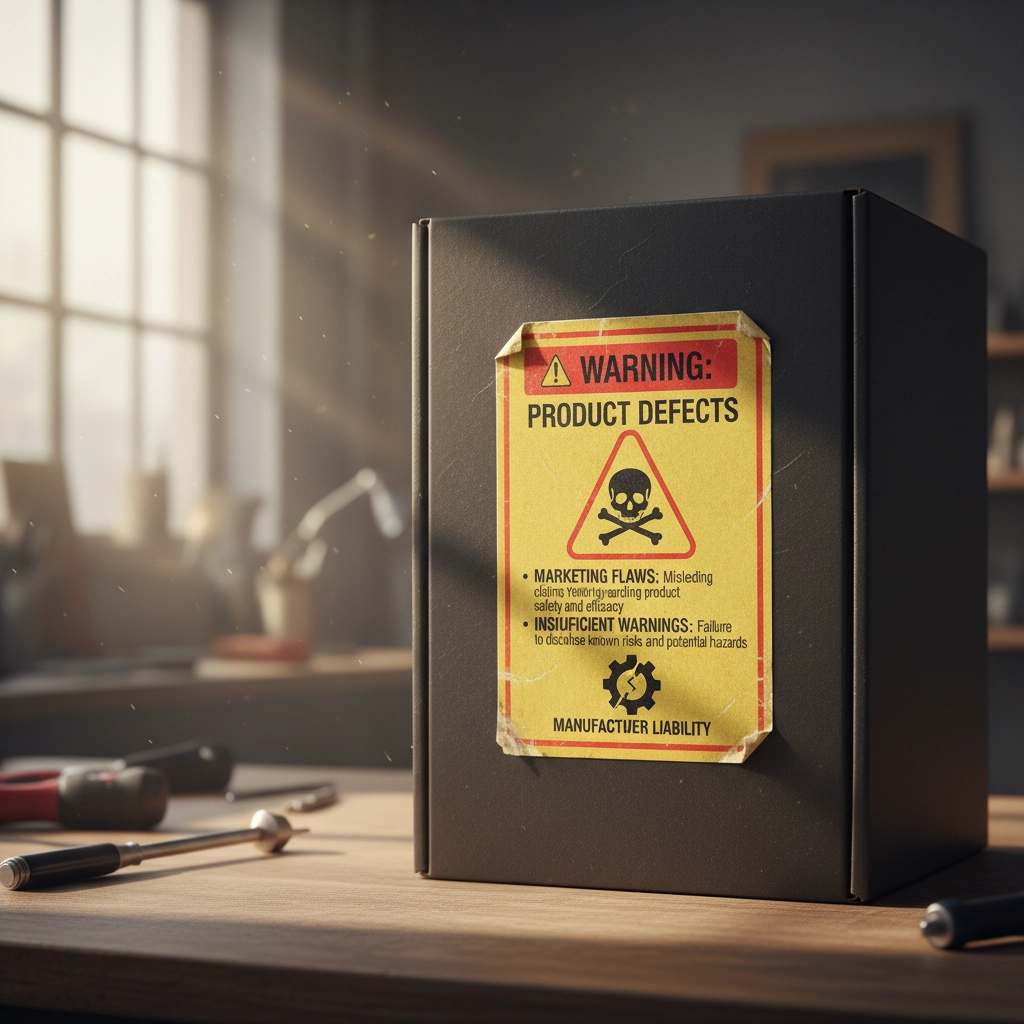
There are three main types of product defects: design defects, manufacturing defects, and marketing defects. A design defect occurs when the product is inherently unsafe due to its design, even if it is manufactured correctly. A manufacturing defect occurs when a product is manufactured incorrectly, resulting in a deviation from the intended design. A marketing defect occurs when a product lacks adequate warnings or instructions, making it unsafe to use. Recognizing these different types of defects can help you identify potential hazards and take appropriate action.
Design Defects: Inherent Safety Issues
Design defects are inherent flaws in the product’s design that make it unsafe, regardless of how well it is manufactured. Examples of design defects include a car with a tendency to roll over due to its high center of gravity or a baby stroller with a folding mechanism that can collapse unexpectedly. These types of defects can be difficult to identify, as they are present in every unit of the product. However, if you notice that a product consistently performs in an unsafe manner or has a design feature that seems inherently risky, it may be a sign of a design defect.
Manufacturing Defects: Errors in Production
Manufacturing defects occur during the production process, resulting in a product that deviates from its intended design. Examples of manufacturing defects include a bicycle with a faulty brake cable, a power tool with improperly insulated wiring, or a food product contaminated with bacteria. These types of defects may not be present in every unit of the product, but they can still pose a significant safety risk. Look for signs of poor workmanship, such as loose parts, cracks, or inconsistencies in the product’s construction.
Marketing Defects: Inadequate Warnings and Instructions
Marketing defects involve inadequate warnings or instructions that fail to inform consumers about the potential risks associated with using the product. Examples of marketing defects include a medication that lacks warnings about potential side effects or a ladder that lacks instructions on how to use it safely. These types of defects can make a product unsafe, even if it is well-designed and manufactured correctly. Always read the warnings and instructions carefully before using a product, and be aware of any potential hazards.
Practical Steps for Identifying Defective Products
There are several practical steps you can take to identify defective products and protect your family. First, always inspect new products carefully before using them. Look for any signs of damage, defects, or poor workmanship. Second, read the warnings and instructions carefully before using a product. Pay attention to any potential hazards and follow the instructions to use the product safely. Third, be aware of product recalls. Sign up for email notifications from Health Canada and other organizations to stay informed about the latest recalls. Fourth, report any unsafe products to Health Canada. This can help to identify potential safety hazards and prevent others from being injured.
By being aware of the different types of product defects and taking practical steps to identify them, you can protect your family from harm. Remember to inspect new products carefully, read the warnings and instructions, stay informed about recalls, and report any unsafe products to Health Canada. Proactive vigilance is essential for ensuring product safety in Canada.
The Manufacturer’s Responsibility: Product Liability in Canadian Law
In Canadian law, manufacturers bear a significant responsibility for the safety of their products. This responsibility is enshrined in the concept of product liability, which holds manufacturers accountable for injuries or damages caused by defective products. Understanding the principles of product liability and the legal obligations of manufacturers is essential for both consumers and businesses alike. This section explores the key aspects of product liability in Canada, including the legal standards, types of claims, and defenses available to manufacturers.
The Basis of Product Liability
Product liability law in Canada is based on a combination of common law principles and statutory regulations. The primary legal theory underlying product liability is negligence, which requires a plaintiff to prove that the manufacturer owed a duty of care to the consumer, that the manufacturer breached that duty, and that the breach caused the plaintiff’s injury. In addition to negligence, product liability claims can also be based on breach of warranty, strict liability, and misrepresentation.
Duty of Care: Ensuring Product Safety
Manufacturers owe a duty of care to consumers to ensure that their products are reasonably safe for their intended use. This duty extends to all stages of the product lifecycle, from design and manufacturing to marketing and distribution. Manufacturers must take reasonable steps to identify potential hazards, design products to minimize those hazards, and provide adequate warnings and instructions to consumers. The standard of care required of manufacturers is high, reflecting the potential for serious harm that can result from defective products.
Types of Product Liability Claims
There are several types of product liability claims that can be brought against manufacturers in Canada, depending on the nature of the defect and the circumstances of the injury. Negligence claims require proof that the manufacturer failed to exercise reasonable care in the design, manufacture, or marketing of the product. Breach of warranty claims arise when a product fails to conform to the express or implied warranties made by the manufacturer. Strict liability claims hold manufacturers liable for injuries caused by defective products, regardless of whether the manufacturer was negligent. Misrepresentation claims involve false or misleading statements about the product’s safety or performance.
Defenses Available to Manufacturers
Manufacturers have several defenses available to them in product liability claims. One common defense is that the product was not defective or that the defect did not cause the plaintiff’s injury. Manufacturers may also argue that the plaintiff misused the product or failed to follow the warnings and instructions. Another defense is that the state of scientific knowledge at the time the product was manufactured did not allow the manufacturer to foresee the potential hazard. Manufacturers may also rely on the defense of contributory negligence, arguing that the plaintiff’s own negligence contributed to their injury.
The Role of Regulatory Bodies
In addition to the common law principles of product liability, regulatory bodies such as Health Canada play a crucial role in ensuring product safety in Canada. Health Canada has the authority to set safety standards, conduct inspections, and issue recalls of unsafe products. These regulatory measures provide an additional layer of protection for consumers and help to hold manufacturers accountable for their products. Manufacturers must comply with all applicable safety regulations and cooperate with regulatory investigations.
Product liability law in Canada is designed to protect consumers from the risks associated with defective products. Manufacturers have a legal and ethical responsibility to ensure that their products are safe for their intended use. Consumers who have been injured by defective products have the right to seek compensation from the manufacturer. Understanding the principles of product liability and the role of regulatory bodies is essential for promoting product safety and holding manufacturers accountable.
How to File a Defective Product Claim in Canada: A Step-by-Step Guide
Filing a defective product claim in Canada can be a complex process, but it’s essential for seeking compensation for injuries or damages caused by unsafe products. Understanding the steps involved and gathering the necessary documentation can significantly increase your chances of success. This guide provides a step-by-step overview of how to file a defective product claim in Canada, from gathering evidence to pursuing legal action.
Step 1: Seek Medical Attention
If you have been injured by a defective product, the first and most important step is to seek medical attention. Your health is paramount, and a medical professional can assess your injuries and provide appropriate treatment. Be sure to inform your doctor that your injuries were caused by a defective product, as this information will be important for your medical records. Keep copies of all medical records, bills, and other documentation related to your injuries.
Step 2: Preserve the Evidence
It’s crucial to preserve the defective product and any related evidence. Do not discard the product, even if it is damaged. Store it in a safe place where it cannot be further damaged or altered. Take photographs and videos of the product, the scene of the incident, and your injuries. Gather any documentation related to the product, such as purchase receipts, warranties, and instructions. If possible, identify any witnesses who may have seen the incident.
Step 3: Identify the Responsible Parties
Determine who may be responsible for the defective product. This may include the manufacturer, distributor, retailer, or any other party involved in the design, manufacture, or sale of the product. Research the company or companies involved to gather information about their history and any previous product liability claims. This information can be helpful in building your case.
Step 4: Consult with a Product Liability Lawyer
It’s highly recommended to consult with a qualified product liability lawyer as soon as possible. A lawyer can advise you on your legal rights and options, assess the strength of your case, and help you navigate the complex legal process. Look for a lawyer who has experience handling product liability claims in Canada. The lawyer can help you gather evidence, negotiate with the responsible parties, and file a lawsuit if necessary.
Step 5: Notify the Responsible Parties
Send a written notice to the responsible parties informing them of your claim. This notice should include the details of the incident, the nature of the defect, the injuries or damages you have suffered, and your intention to pursue legal action. The notice should be sent by registered mail with return receipt requested to ensure that it is received. Keep a copy of the notice for your records.
Step 6: Gather Additional Evidence
Your lawyer can help you gather additional evidence to support your claim. This may include obtaining expert opinions from engineers, scientists, or other professionals who can analyze the defective product and provide testimony about its defects. It may also involve conducting depositions of witnesses and obtaining documents from the responsible parties through the discovery process.
Step 7: Negotiate a Settlement
In many cases, product liability claims are resolved through negotiation. Your lawyer can negotiate with the responsible parties or their insurance companies to reach a settlement that fairly compensates you for your injuries and damages. If a settlement cannot be reached, your lawyer can file a lawsuit on your behalf.
Step 8: File a Lawsuit
If negotiations fail, your lawyer can file a lawsuit in the appropriate court. The lawsuit will outline the details of your claim and the relief you are seeking. The responsible parties will have an opportunity to respond to the lawsuit and present their defenses. The case may proceed to trial, where a judge or jury will decide the outcome.
Filing a defective product claim in Canada requires careful preparation and attention to detail. By following these steps and seeking the guidance of a qualified product liability lawyer, you can increase your chances of obtaining a fair settlement or judgment for your injuries and damages. Remember to prioritize your health, preserve the evidence, and act promptly to protect your legal rights.
Recent Defective Product Class Actions in Canada: Check If You’re Affected
Defective product class actions are a significant legal mechanism in Canada, allowing large groups of individuals who have been harmed by the same defective product to collectively seek compensation. These class actions can cover a wide range of products, from automobiles and medical devices to consumer goods and pharmaceuticals. Staying informed about recent class actions is crucial for consumers who may have been affected by a defective product. This section provides an overview of recent defective product class actions in Canada and explains how to determine if you are eligible to participate.
Understanding Class Actions
A class action is a lawsuit brought by one or more individuals on behalf of a larger group of people who have similar claims. In the context of defective products, a class action may be filed against a manufacturer or distributor when a product is found to be defective and has caused harm to numerous consumers. Class actions can be an effective way to hold manufacturers accountable for their negligence and to provide compensation to those who have been injured or suffered damages.
How to Find Information on Class Actions
There are several resources available to help you find information on class actions in Canada. The Canadian Bar Association and various provincial law societies provide information on ongoing class actions. Law firms specializing in class actions often maintain websites with details about current cases. Additionally, news outlets and consumer advocacy groups may report on significant class action lawsuits. It’s important to regularly check these resources to stay informed about potential class actions that may affect you.
Examples of Recent Class Actions
Several notable defective product class actions have been filed in Canada in recent years. One example involves automobiles with defective airbags that can explode and cause serious injuries or death. Another example involves medical devices, such as hip implants or pacemakers, that have been found to be defective and require revision surgery. Consumer goods, such as appliances or electronics with safety hazards, are also common subjects of class actions. Pharmaceutical drugs with dangerous side effects can also lead to class action lawsuits. These examples highlight the wide range of products that can be subject to class action litigation.
Determining Eligibility for a Class Action
To determine if you are eligible to participate in a defective product class action, you need to review the details of the lawsuit and compare them to your own circumstances. The class action notice will typically define the class of individuals who are eligible to participate. This definition may include specific criteria, such as the type of product you purchased, the date of purchase, and the type of injury or damage you have suffered. If you meet the criteria, you may be eligible to join the class action.
The Process of Joining a Class Action
If you believe that you are eligible to participate in a class action, you will typically need to take certain steps to join the lawsuit. This may involve completing a claim form and providing documentation to support your claim. The claim form will typically ask for information about your purchase of the defective product, the injuries or damages you have suffered, and any medical treatment you have received. It’s important to carefully review the instructions and provide all of the required information.
Staying informed about defective product class actions is essential for consumers who may have been harmed by unsafe products. By utilizing the resources available and carefully reviewing the details of class action lawsuits, you can determine if you are eligible to participate and seek compensation for your injuries or damages. Class actions provide a valuable mechanism for holding manufacturers accountable and protecting the rights of consumers in Canada. By staying vigilant and proactive, you can ensure that you are aware of your legal options and can take appropriate action if you have been affected by a defective product.