



Understanding Class Action Appeals
Class action lawsuits can have a profound impact on both plaintiffs and defendants, often involving significant financial stakes and precedential legal implications. When a decision is rendered in a class action, whether it concerns certification, settlement approval, or the final judgment, parties may have the right to appeal that decision to a higher court. Appealing a class action decision is a complex process governed by specific rules and procedures that vary across Canadian provinces and territories. This overview aims to provide a comprehensive understanding of the grounds for appeal, the procedural requirements, and the key considerations involved in pursuing an appeal of a class action decision in Canada.

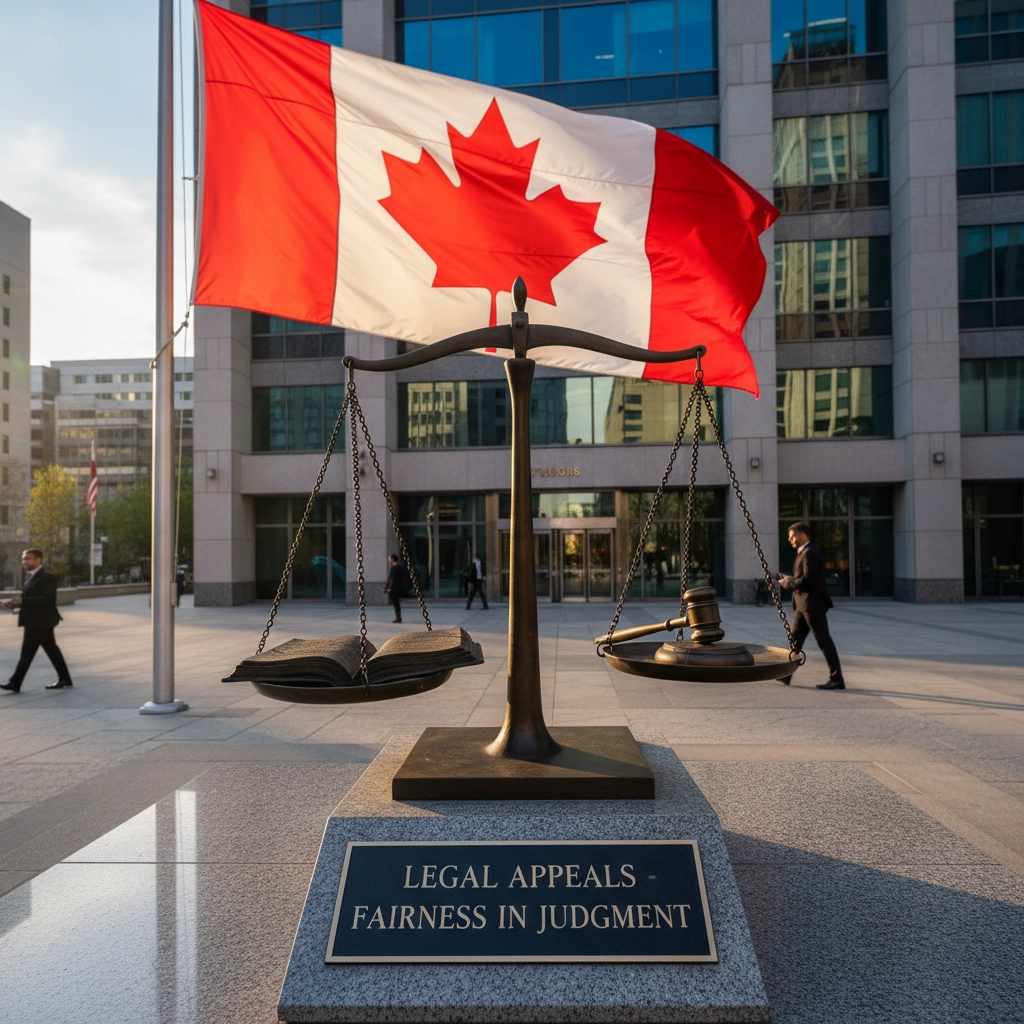
Grounds for Appealing a Class Action Decision
The grounds for appealing a class action decision are not unlimited, and appellate courts generally defer to the decisions of the lower courts unless there is a clear error in law or a palpable and overriding error of fact. Some common grounds for appeal include errors of law, where the lower court misapplied or misinterpreted the relevant legal principles or statutes. This might involve an incorrect understanding of the certification requirements, the applicable standard of care, or the interpretation of a contract. Another ground is errors of fact, where the lower court’s findings of fact are not supported by the evidence presented at trial. However, appellate courts are hesitant to overturn factual findings unless there is a demonstrable and significant error that affected the outcome. A further basis for appeal can be procedural unfairness, if the lower court failed to provide a fair hearing or violated the principles of natural justice. This could include instances where a party was denied the opportunity to present evidence or make submissions, or where the court exhibited bias. Finally, appeals may be based on the unreasonableness of the decision, particularly in cases involving settlement approval. Appellate courts will review whether the lower court adequately considered the fairness, reasonableness, and adequacy of the settlement for all class members.
Procedural Requirements for Filing an Appeal
The procedural requirements for filing an appeal in a class action case are stringent and must be followed precisely to avoid having the appeal dismissed. The first step is typically to file a notice of appeal within a specified time frame, which varies depending on the province or territory and the specific court rules. The notice of appeal must clearly state the grounds for the appeal and the relief sought. Next, the appellant is usually required to perfect the appeal by filing an appeal book, which contains the relevant documents from the lower court proceedings, such as pleadings, orders, transcripts, and exhibits. The appellant must also file a factum, which is a written argument outlining the legal issues, the facts of the case, and the legal authorities relied upon. The respondent, or the party opposing the appeal, will then have an opportunity to file a responding factum. Oral arguments are typically scheduled before the appellate court, where the lawyers for both sides present their arguments and answer questions from the judges. It is essential to consult the specific court rules of the relevant jurisdiction to ensure compliance with all procedural requirements, as even minor errors can have significant consequences for the appeal. An experienced lawyer can help with navigating the complex procedural rules.


Key Considerations in Pursuing an Appeal
Before deciding to appeal a class action decision, several key considerations should be carefully evaluated. First, the likelihood of success should be assessed, considering the strength of the legal arguments, the factual record, and the applicable standard of review. Appellate courts are generally deferential to the decisions of lower courts, so it is crucial to demonstrate a clear error of law or a palpable and overriding error of fact. Second, the costs of the appeal should be considered, including legal fees, disbursements, and potential cost awards to the opposing party if the appeal is unsuccessful. Class action appeals can be expensive, and it is important to have a realistic understanding of the financial implications. Third, the potential impact of the appeal on the class members or the defendant should be evaluated. An appeal can prolong the litigation and create uncertainty for all parties involved. In cases involving settlement approval, an appeal can delay the distribution of settlement funds to class members. Finally, the strategic implications of the appeal should be considered. An appeal can have broader implications for the development of class action law and may influence future cases.
Specific Examples of Appealable Issues
Several specific issues commonly arise in class action appeals. One such issue is the certification of the class. Certification is a critical stage in a class action, and the decision to certify or deny certification is often appealed. The appellate court will review whether the lower court properly applied the certification criteria, such as the existence of a common issue, an identifiable class, and a preferable procedure. Another area ripe for appeal is the approval of settlements. Settlement agreements in class actions must be approved by the court to ensure that they are fair, reasonable, and in the best interests of the class members. Appeals of settlement approval decisions often focus on the adequacy of the compensation, the fairness of the allocation plan, and the process by which the settlement was negotiated. Judgments on the merits of the class action are also frequently appealed. These appeals may involve challenges to the lower court’s findings of liability, damages, or the application of legal principles. Evidentiary rulings made during the trial can also be grounds for appeal, particularly if they are considered to have significantly impacted the outcome of the case. Examining successful appeals can provide valuable insights into effective strategies for challenging class action decisions.


Conclusion: Navigating the Appeal Process
Appealing a class action decision in Canada is a complex and challenging undertaking that requires careful consideration and meticulous preparation. Understanding the grounds for appeal, the procedural requirements, and the key considerations involved is essential for making an informed decision about whether to pursue an appeal. Parties contemplating an appeal should seek expert legal advice from experienced class action lawyers who can provide guidance on the merits of the appeal, the potential costs and risks, and the strategic implications. While the appellate process can be lengthy and expensive, it provides an important avenue for correcting errors and ensuring that justice is served in class action litigation. A well-prepared and effectively argued appeal can have a significant impact on the outcome of the case and the development of class action law in Canada.