



Introduction to AI and Class Actions
Artificial intelligence (AI) is rapidly transforming numerous sectors, and the legal field is no exception. In Canada, class action lawsuits, which allow a group of individuals with similar grievances to sue collectively, are increasingly being influenced by AI technologies. This impact spans from identifying potential plaintiffs and analyzing vast datasets of evidence to predicting litigation outcomes and streamlining legal processes. As AI continues to evolve, its role in class actions will undoubtedly expand, raising both opportunities and challenges for the Canadian legal landscape. This exploration delves into the ways AI is currently being used, the benefits it offers, the ethical considerations it raises, and the future trajectory of AI in class action litigation within Canada.


AI-Powered Discovery and Evidence Analysis
One of the most significant applications of AI in class action lawsuits lies in e-discovery and evidence analysis. Class actions often involve massive amounts of data, including emails, documents, financial records, and other electronic information. Traditionally, lawyers and paralegals would spend countless hours manually reviewing these documents to identify relevant evidence. AI-powered tools can significantly expedite this process. These tools utilize natural language processing (NLP) and machine learning (ML) algorithms to automatically analyze large volumes of text, identify relevant keywords and concepts, and categorize documents based on their importance. For instance, AI can quickly identify emails mentioning specific products or events related to the lawsuit, or flag documents that contain potentially incriminating information. This dramatically reduces the time and cost associated with e-discovery, allowing legal teams to focus on more strategic aspects of the case. Moreover, AI algorithms can detect patterns and anomalies in data that might be missed by human reviewers, potentially uncovering crucial evidence that could strengthen the case for the plaintiffs or the defendants. Understanding these dynamics is critical for legal professionals legal implications of these breaches.
Plaintiff Identification and Outreach
Another area where AI is making a difference is in identifying and reaching out to potential plaintiffs in class action lawsuits. Finding individuals who have been affected by a particular product defect, data breach, or other wrongdoing can be a challenging task. AI can assist in this process by analyzing publicly available data, social media posts, and other online sources to identify individuals who may have suffered harm. For example, if a class action is filed against a pharmaceutical company for side effects of a specific drug, AI can be used to scan online forums, patient support groups, and medical databases to identify individuals who have reported similar symptoms after taking the drug. AI-powered chatbots and virtual assistants can then be used to proactively reach out to these individuals, inform them about the lawsuit, and provide them with information on how to join the class action. This targeted outreach can significantly increase the number of plaintiffs participating in the lawsuit, which can strengthen the case and increase the potential settlement amount. However, it also raises ethical considerations related to privacy and data security, as it is crucial to ensure that personal information is collected and used in compliance with Canadian privacy laws. This is particularly relevant in light of the rise of data breach class actions.

Predictive Analytics and Litigation Outcome Prediction
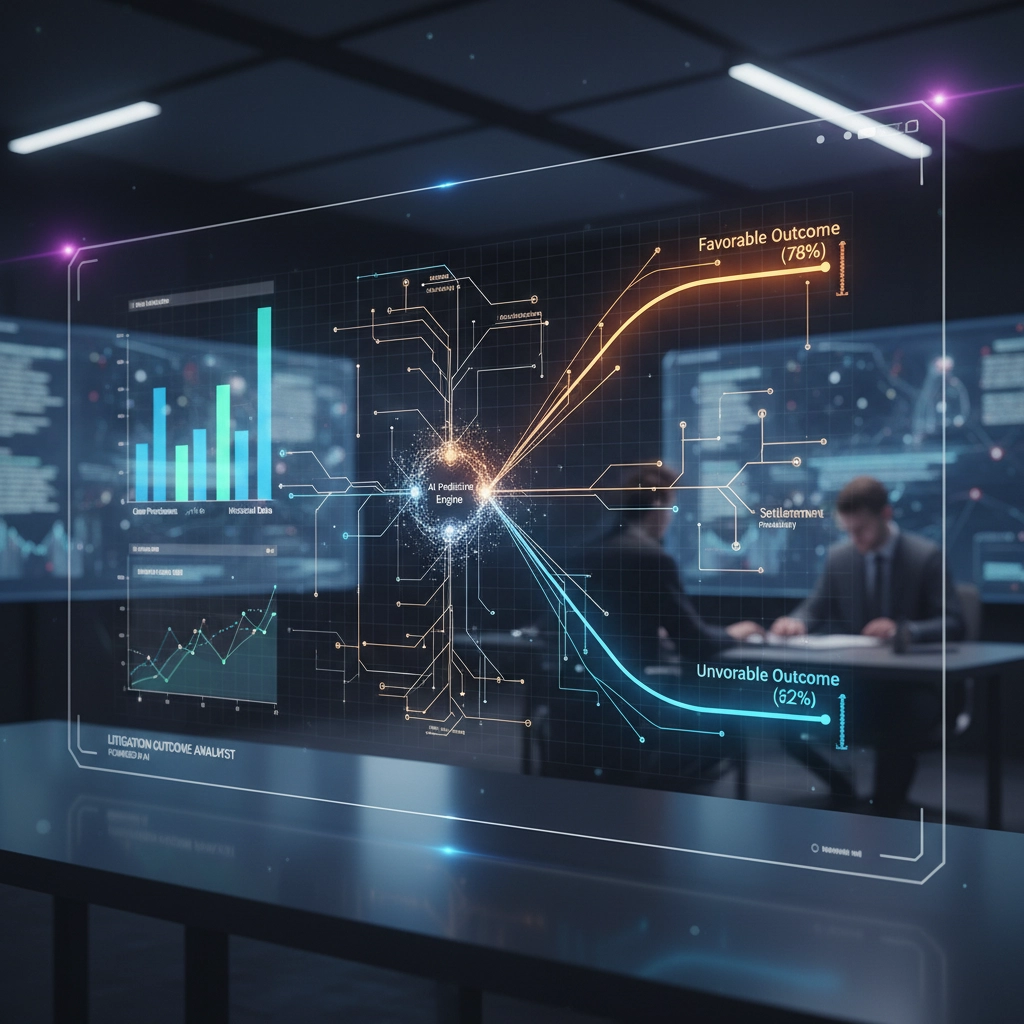
AI is also being used to predict the likely outcome of class action lawsuits. By analyzing historical data from past cases, including the type of claim, the size of the class, the legal arguments presented, and the judge assigned to the case, AI algorithms can estimate the probability of success for a particular lawsuit and predict the potential settlement amount. This information can be invaluable for both plaintiffs and defendants in deciding whether to pursue a case, negotiate a settlement, or proceed to trial. For plaintiffs, predictive analytics can help them assess the strength of their case and determine whether it is worth the time and expense of pursuing a class action. For defendants, it can help them understand their potential exposure and make informed decisions about settlement offers. However, it is important to recognize that predictive analytics is not foolproof. The legal system is complex and unpredictable, and there are many factors that can influence the outcome of a case. AI-powered predictions should be used as one tool among many, and should not be relied upon as the sole basis for making legal decisions.
Challenges and Ethical Considerations
Despite the potential benefits of AI in class action lawsuits, there are also significant challenges and ethical considerations that need to be addressed. One of the main concerns is bias in AI algorithms. AI models are trained on data, and if that data reflects existing biases, the AI model will perpetuate and even amplify those biases. For example, if an AI model used to predict litigation outcomes is trained on data that disproportionately favors defendants in certain types of cases, the model may unfairly underestimate the chances of success for plaintiffs in similar cases. Another concern is the lack of transparency in AI decision-making. Many AI algorithms are complex and opaque, making it difficult to understand how they arrive at their conclusions. This can make it challenging to challenge the results of AI-powered analysis or to ensure that the AI is being used fairly and ethically. Data privacy is also a major concern, particularly when AI is used to identify and reach out to potential plaintiffs. It is crucial to ensure that personal information is collected and used in compliance with Canadian privacy laws, and that individuals are given the opportunity to opt out of having their data used for these purposes. Finally, there is the risk that AI could be used to exploit vulnerable individuals or to manipulate the legal system. For example, AI-powered chatbots could be used to target individuals with misleading or deceptive information about class action lawsuits, or to pressure them into joining a lawsuit that is not in their best interests.

The Future of AI in Canadian Class Actions
The future of AI in Canadian class action lawsuits is likely to be one of increasing integration and sophistication. As AI technology continues to advance, we can expect to see even more innovative applications in areas such as legal research, document automation, and virtual legal assistance. AI will likely become more deeply embedded in the daily workflows of lawyers and paralegals, helping them to work more efficiently and effectively. However, it is crucial that this integration is done in a responsible and ethical manner. The legal profession needs to develop clear guidelines and standards for the use of AI in class action lawsuits, to ensure that AI is used fairly, transparently, and in the best interests of justice. This includes addressing issues such as bias, transparency, data privacy, and accountability. It also requires ongoing education and training for lawyers and judges on the capabilities and limitations of AI, so that they can make informed decisions about its use. By proactively addressing these challenges, Canada can harness the full potential of AI to improve the efficiency and fairness of class action litigation, while protecting the rights and interests of all parties involved. Staying informed about these legislative and judicial changes is essential for legal professionals involved in class action litigation.
In conclusion, AI is poised to revolutionize class action lawsuits in Canada by enhancing efficiency, improving accuracy, and uncovering insights previously unattainable. While the integration of AI offers numerous advantages, it also presents significant challenges regarding bias, transparency, and data privacy. By carefully addressing these ethical considerations and establishing clear regulatory frameworks, Canada can leverage the power of AI to create a more just and equitable legal system for all.