Class action lawsuits offer a potential avenue for Indigenous communities to seek redress for widespread harms, but the path is fraught with unique legal and practical challenges. These challenges range from establishing commonality among diverse Indigenous groups to navigating complex historical and treaty rights, and securing adequate resources to litigate against well-funded opponents. Overcoming these obstacles is crucial to ensuring that Indigenous communities have meaningful access to justice and can hold responsible parties accountable for past and ongoing injustices.

Historical Context and Legal Frameworks
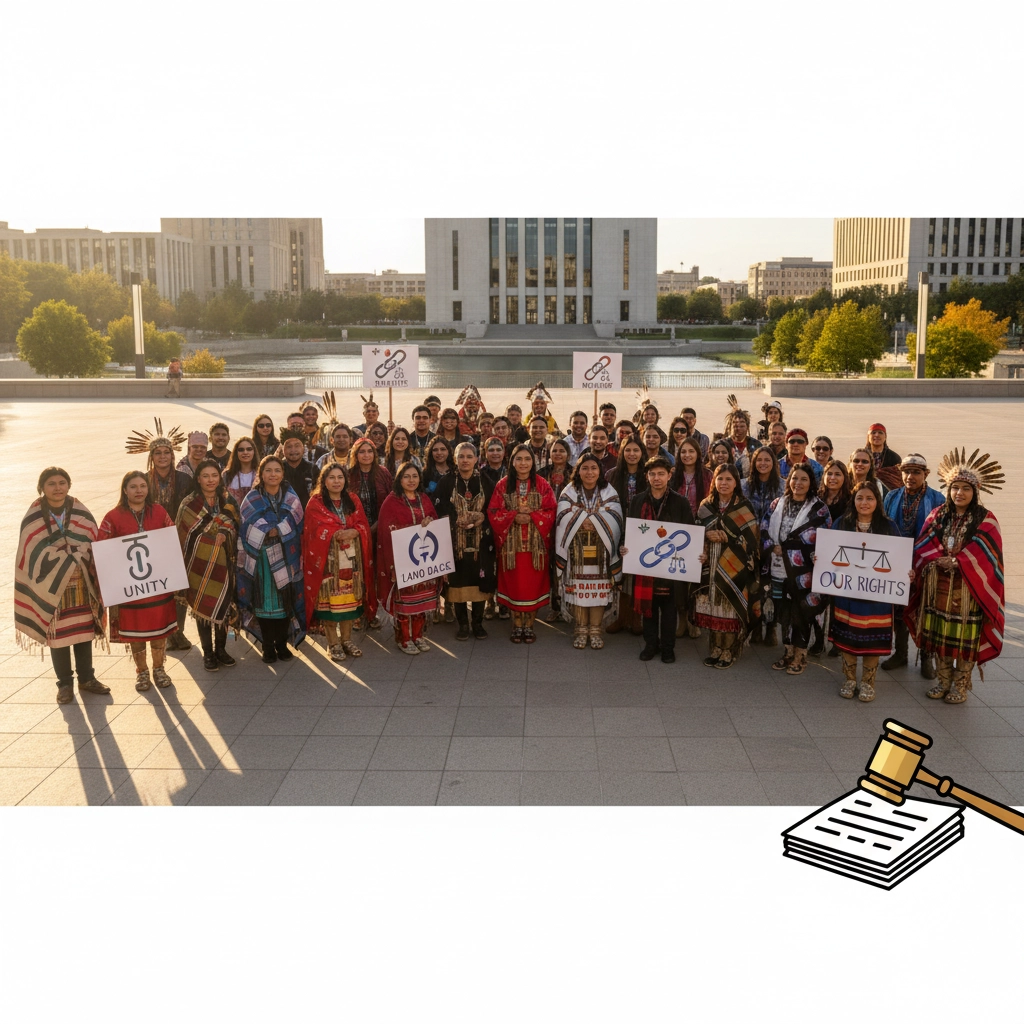
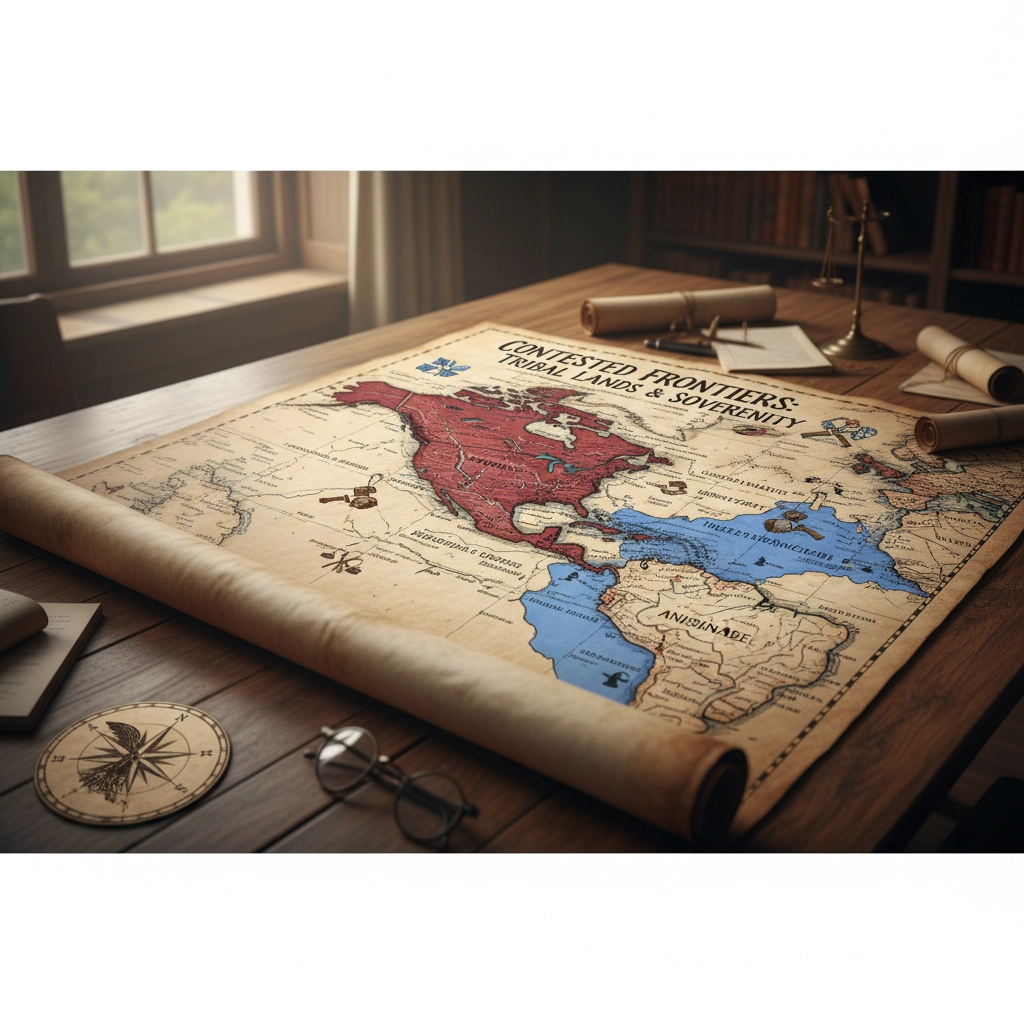
The history of colonization and its impact on Indigenous peoples in various jurisdictions, including Canada, the United States, Australia, and New Zealand, has created a complex web of legal and social issues. Treaties, land claims, and historical injustices form the backdrop against which these class actions are litigated. Understanding this historical context is paramount for courts and legal practitioners. The legal frameworks governing Indigenous rights differ significantly across jurisdictions. In Canada, Section 35 of the Constitution Act, 1982, recognizes and affirms existing Aboriginal and treaty rights. In the United States, federal Indian law governs the relationship between the federal government and Native American tribes. These frameworks influence the types of claims that can be brought, the standards of proof required, and the remedies available. Furthermore, the doctrine of discovery and the legacy of paternalistic laws have contributed to systemic disadvantages faced by Indigenous communities in legal proceedings. Addressing these disparities requires a nuanced understanding of both historical injustices and the current legal landscape. To further explore legal avenues for addressing such injustices, one can consider seeking justice in Canadian courts.
Establishing Commonality and Ascertainability
One of the fundamental requirements for a class action is the demonstration of common issues among the proposed class members. In the context of Indigenous class actions, establishing commonality can be particularly challenging due to the diversity of Indigenous cultures, languages, and experiences. Each Indigenous group has its own unique history, traditions, and connection to the land. Demonstrating that a common wrong has affected a sufficiently homogenous group to warrant class certification requires careful consideration of the specific facts and circumstances of each case. Ascertainability, another key element of class certification, requires that the class members be identifiable. This can be difficult in Indigenous class actions, particularly when dealing with historical claims where records may be incomplete or non-existent. Genealogical research, oral histories, and traditional knowledge may be necessary to identify potential class members and establish their connection to the claim. Courts must be willing to consider these alternative forms of evidence in determining ascertainability, recognizing the unique challenges faced by Indigenous communities in documenting their history and identity.

Sovereignty and Jurisdiction
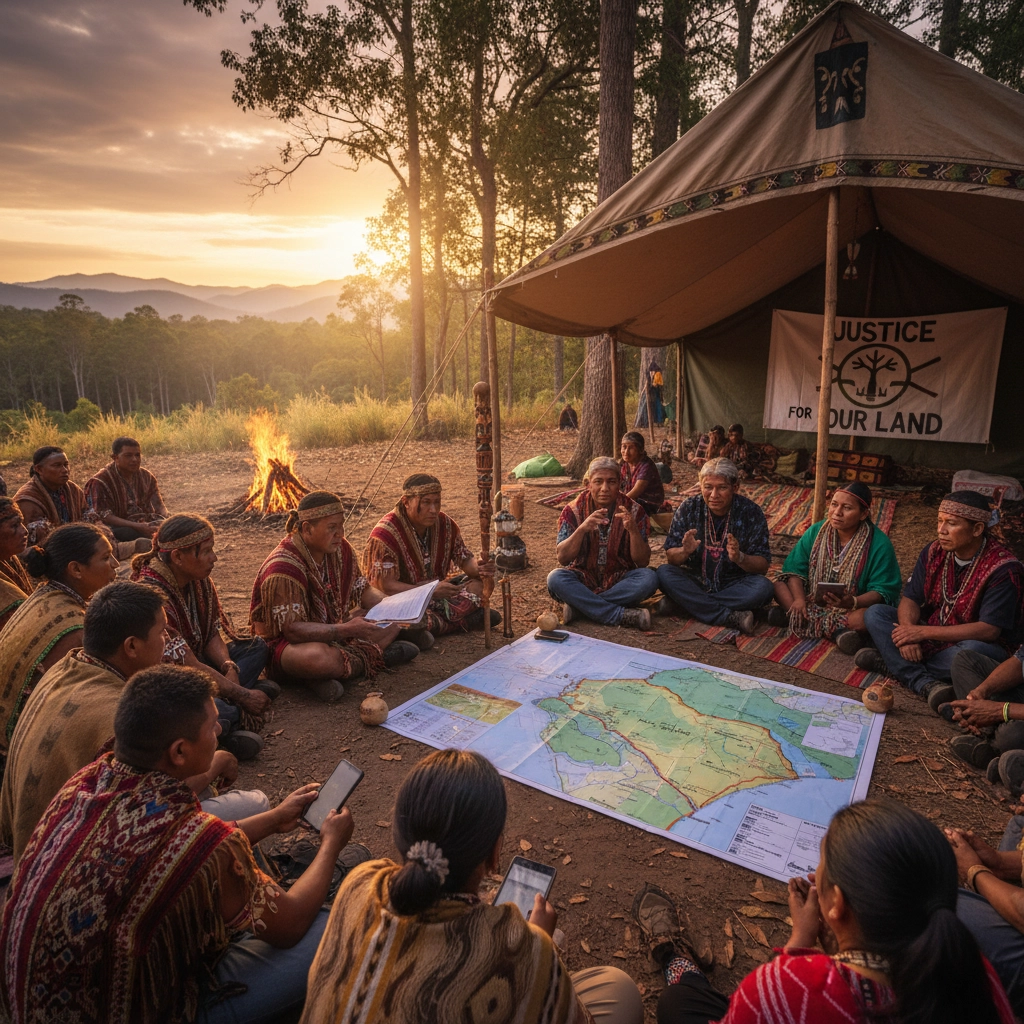
Issues of sovereignty and jurisdiction frequently arise in Indigenous class actions, particularly when the claims involve conduct that occurred on tribal lands or implicate tribal governance. Determining which court has jurisdiction over the claim can be a complex legal question, often involving consideration of tribal sovereignty, federal law, and state law. Tribal courts may have concurrent jurisdiction over certain matters, and deference to tribal court proceedings may be appropriate in some cases. The concept of tribal sovereign immunity, which protects tribes from suit in certain circumstances, can also pose a significant barrier to litigation. However, sovereign immunity is not absolute and can be waived by the tribe or abrogated by Congress. Navigating these jurisdictional complexities requires careful consideration of the specific facts and legal principles involved, as well as a sensitivity to the principles of tribal sovereignty and self-determination. Furthermore, conflicts of law may arise when the laws of different jurisdictions are in conflict. Courts must determine which law applies to the claim, taking into account the interests of the various parties and the policies underlying the relevant laws.
Cultural Considerations and Evidentiary Challenges
Indigenous cultures often have unique customs, traditions, and belief systems that must be taken into account in legal proceedings. The adversarial nature of the legal system can be particularly challenging for Indigenous communities, who may be accustomed to resolving disputes through consensus-based decision-making processes. Courts and lawyers must be sensitive to these cultural differences and make accommodations to ensure that Indigenous class members are able to participate fully and effectively in the litigation. Gathering and presenting evidence in Indigenous class actions can also be challenging. Traditional forms of evidence, such as oral histories and traditional knowledge, may not be readily admissible in court. Overcoming these evidentiary hurdles requires working closely with Indigenous communities to develop culturally appropriate methods of gathering and presenting evidence. Expert testimony from anthropologists, historians, and other cultural experts may be necessary to explain the significance of traditional knowledge and practices to the court. Furthermore, the use of interpreters is crucial to ensure that Indigenous class members who do not speak English fluently are able to understand and participate in the proceedings. Legal challenges in these class action lawsuits are significant and require careful navigation.

Funding and Resources
Indigenous communities often lack the financial resources necessary to litigate complex class action lawsuits. These cases can be extremely expensive, requiring significant investments in legal fees, expert witness fees, and other litigation costs. Securing adequate funding is therefore essential to ensuring that Indigenous communities have a fair opportunity to pursue their claims. Various funding mechanisms may be available, including government grants, private donations, and contingency fee arrangements with lawyers. However, these sources of funding may not always be sufficient to cover the costs of litigation. Creative funding solutions, such as crowdfunding or partnerships with philanthropic organizations, may be necessary to bridge the gap. Furthermore, pro bono legal services can be invaluable in providing legal representation to Indigenous communities who cannot afford to hire their own lawyers. The legal profession has a responsibility to ensure that Indigenous communities have access to justice, and pro bono work is one way to fulfill that responsibility.
Remedies and Reconciliation
The remedies available in Indigenous class actions can vary depending on the nature of the claim and the applicable law. Common remedies include monetary compensation, land restitution, and injunctive relief. Monetary compensation can be used to address economic losses, emotional distress, and other harms suffered by the class members. Land restitution involves the return of land that was wrongfully taken from Indigenous communities. Injunctive relief can be used to prevent future harm, such as environmental damage or cultural destruction. In addition to these traditional remedies, Indigenous class actions can also play a role in promoting reconciliation between Indigenous and non-Indigenous communities. Truth and reconciliation commissions, cultural awareness training, and educational programs can help to foster understanding and respect between different cultures. The goal of reconciliation is to create a more just and equitable society for all. The settlement of Indigenous class actions should be structured in a way that promotes healing and reconciliation, rather than simply providing financial compensation. One can see class action lawsuits as a tool for Indigenous communities.
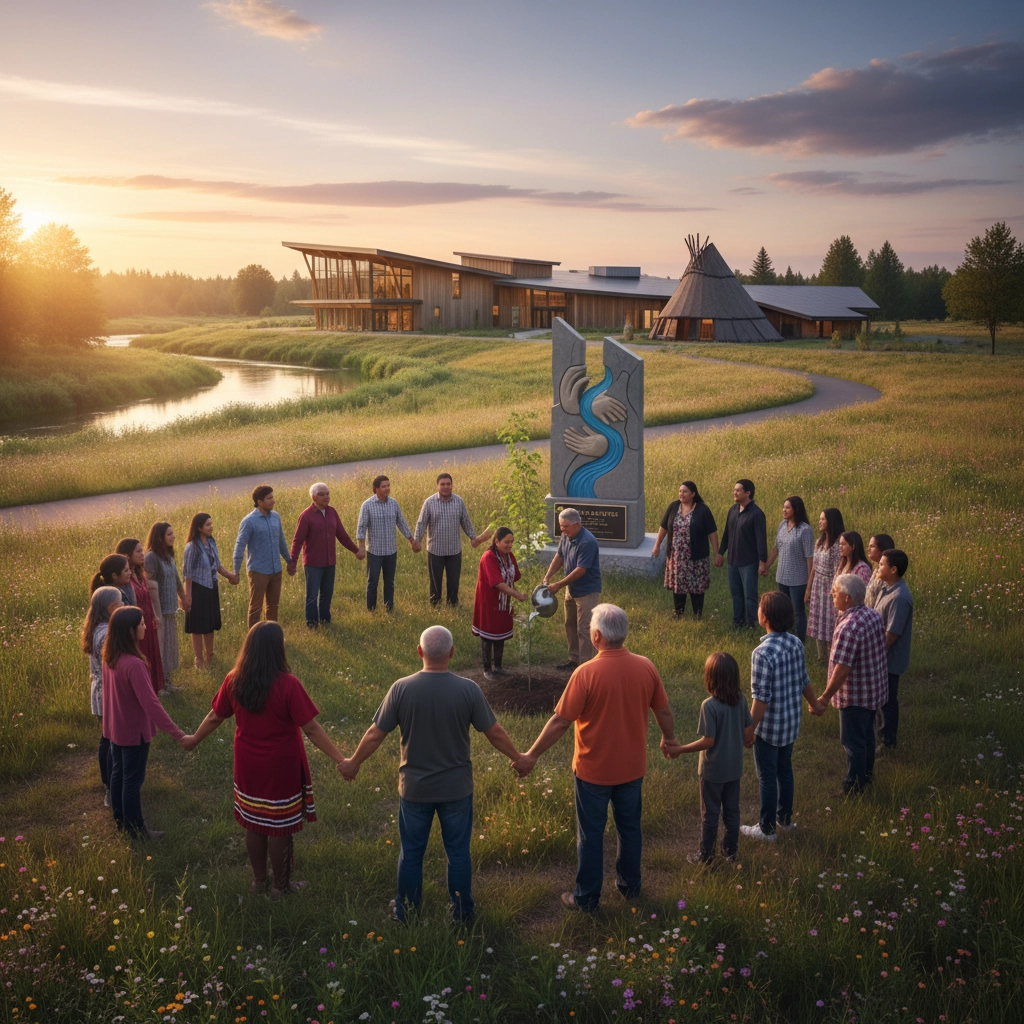

Navigating the legal complexities of Indigenous class action litigation requires a deep understanding of history, culture, and law. Overcoming the challenges related to commonality, sovereignty, evidence, funding, and remedies is essential to ensuring that Indigenous communities have meaningful access to justice. These cases are not just about financial compensation; they are about acknowledging past wrongs, promoting reconciliation, and creating a more just and equitable future for all. By working together, Indigenous communities, legal professionals, and policymakers can create a legal system that respects Indigenous rights and promotes healing and reconciliation.