Introduction to Social Media’s Influence
Social media has undeniably transformed numerous aspects of modern life, and the legal landscape is no exception. In Canada, the rise of platforms like Facebook, Twitter, Instagram, and LinkedIn has had a significant impact on class action lawsuits. These platforms act as powerful tools for communication, information dissemination, and organization, influencing how potential class members are identified, how cases are litigated, and even how settlements are reached. This content piece will explore the multifaceted ways in which social media is shaping class action lawsuits in Canada, examining both the opportunities and challenges it presents for plaintiffs, defendants, and the courts.


Social Media as a Tool for Plaintiff Outreach
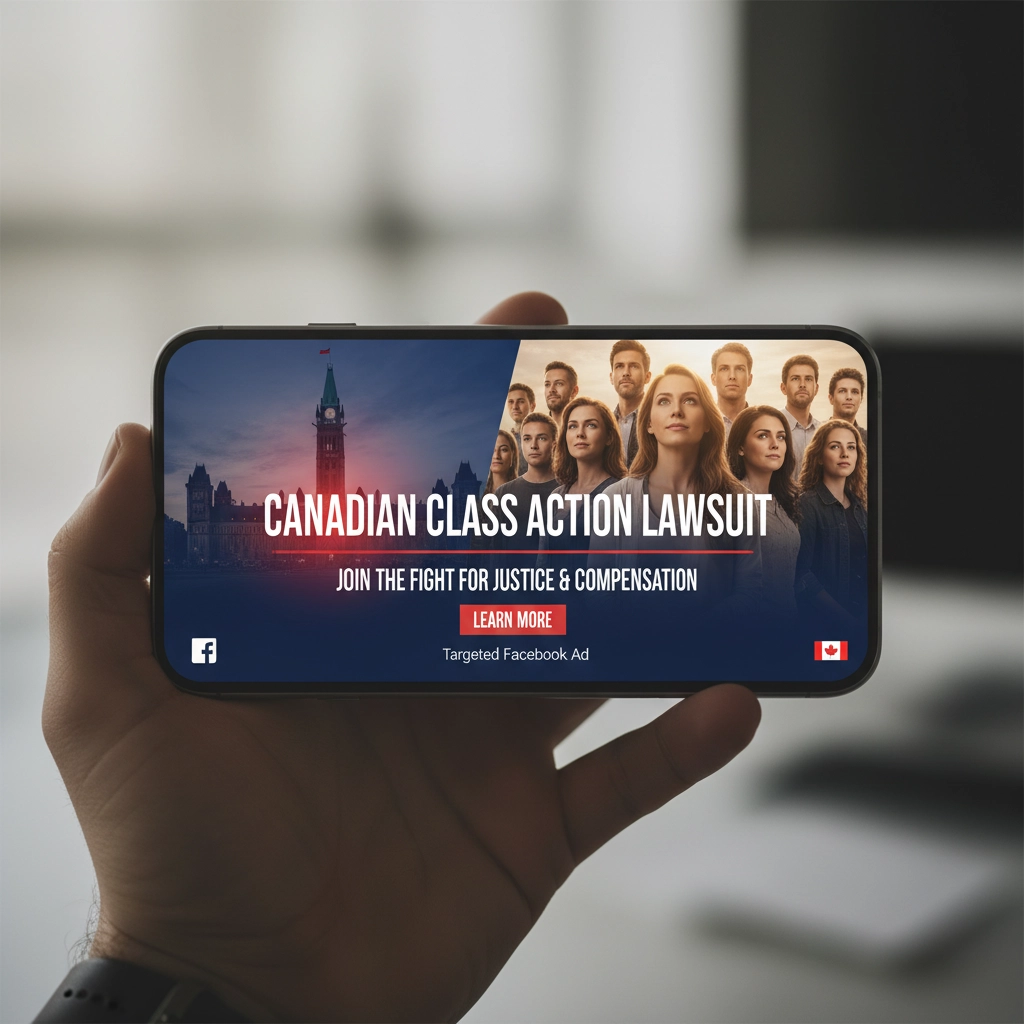
One of the most significant impacts of social media on class action lawsuits is its ability to facilitate plaintiff outreach and class member identification. Traditionally, notifying potential class members involved costly and time-consuming methods such as newspaper advertisements and direct mail. Social media offers a more efficient and cost-effective means of reaching a wider audience. Law firms can utilize targeted advertising campaigns on platforms like Facebook and Instagram to identify individuals who may have been affected by the alleged wrongdoing. These campaigns can be tailored to specific demographics, interests, and geographic locations, ensuring that the message reaches the most relevant potential class members. Furthermore, social media groups and forums dedicated to specific issues or products can serve as valuable hubs for identifying and connecting with individuals who may have a common grievance. This increased accessibility to potential plaintiffs can lead to larger class sizes and stronger cases. However, the use of social media for plaintiff outreach also raises ethical considerations regarding advertising and solicitation, which Canadian law firms must navigate carefully.
Social Media and Evidence Gathering
Social media can also serve as a rich source of evidence in class action lawsuits. Information shared on social media platforms, such as posts, comments, and photos, can be used to support or refute claims made by plaintiffs or defendants. For example, in product liability cases, social media posts from consumers detailing their experiences with a particular product can provide valuable evidence of defects or safety concerns. Similarly, in securities class actions, social media communications among company executives or employees can shed light on their knowledge of alleged wrongdoing. The use of social media evidence in court is subject to the same rules of admissibility as other forms of evidence, meaning that it must be relevant, authentic, and not unduly prejudicial. Courts may also consider the potential for manipulation or fabrication of social media content when assessing its reliability. Canadian courts have generally recognized the admissibility of social media evidence, provided that these requirements are met. The discovery process in class action lawsuits may now routinely involve requests for social media data, adding a new dimension to the litigation process.


Social Media’s Influence on Public Opinion and Jury Pools
Social media’s pervasive influence extends beyond plaintiff outreach and evidence gathering; it can also shape public opinion and influence potential jury pools. The widespread dissemination of information, often biased or incomplete, can create a climate of public sentiment that favors one side or the other. This is particularly relevant in high-profile class action lawsuits that attract significant media attention. Negative publicity generated on social media can damage a defendant’s reputation and potentially prejudice potential jurors. Similarly, positive narratives cultivated by plaintiffs can sway public opinion in their favor. Canadian courts are aware of the potential for social media to influence jury pools and may take steps to mitigate this risk, such as issuing cautionary instructions to jurors regarding their use of social media during the trial. The challenge lies in balancing the right to freedom of expression with the need to ensure a fair and impartial trial. Lawyers must also be mindful of the ethical implications of attempting to influence public opinion through social media campaigns. growing traction of environmental class actions can also be observed through social media as well.
Navigating Ethical and Legal Challenges
The use of social media in class action lawsuits presents several ethical and legal challenges that Canadian lawyers must carefully navigate. Advertising and solicitation rules restrict the manner in which lawyers can use social media to attract clients. Misleading or deceptive advertising is strictly prohibited, and lawyers must ensure that their social media communications are accurate and truthful. Privacy concerns also arise when collecting and using social media data. Lawyers must comply with privacy laws, such as the Personal Information Protection and Electronic Documents Act (PIPEDA), when accessing and using personal information shared on social media platforms. Furthermore, lawyers have a duty to protect client confidentiality, which extends to their use of social media. Sharing confidential information about a client’s case on social media is a breach of professional ethics. The courts are still grappling with many of these issues, and the legal landscape surrounding social media and class action lawsuits is constantly evolving. Lawyers must stay abreast of the latest developments and adapt their practices accordingly. Legislative and judicial developments are crucial for lawyers.


Social Media and Settlement Dynamics
Social media’s impact on class action lawsuits extends to the settlement phase as well. The ability to quickly disseminate information to a large audience can influence the dynamics of settlement negotiations. For example, if a proposed settlement is viewed unfavorably by class members, social media can be used to organize opposition and pressure the parties to renegotiate the terms. Conversely, positive feedback on social media can help to build support for a settlement and encourage class members to accept it. The courts may also consider social media feedback when approving settlements, particularly in cases where there is significant public interest. Furthermore, social media can be used to facilitate the claims administration process, allowing class members to submit claims and receive updates online. This can streamline the process and reduce administrative costs. However, it is important to ensure that the claims administration process is secure and protects the privacy of class members.
Conclusion: A Shifting Legal Landscape
In conclusion, social media has profoundly impacted class action lawsuits in Canada, transforming how potential class members are identified, evidence is gathered, public opinion is shaped, and settlements are reached. While social media offers numerous opportunities for plaintiffs and defendants alike, it also presents significant ethical and legal challenges. Canadian lawyers must navigate these challenges carefully, adhering to professional ethics and privacy laws while leveraging the power of social media to effectively represent their clients. As social media continues to evolve, the legal landscape surrounding its use in class action lawsuits will undoubtedly continue to shift, requiring lawyers and courts to adapt and innovate to ensure fairness and justice. For legal professionals involved in class action litigation, staying informed about these trends and developments is essential to effectively navigate the complexities of this dynamic field, especially concerning the rise of data breach class actions.