
Identifying Government Overreach: Recognizing the Signs
Government overreach occurs when the government exceeds its legal authority or interferes excessively in the lives of its citizens. This can manifest in various forms, including the enactment of laws that infringe upon fundamental rights, the abuse of power by government officials, and the implementation of policies that disproportionately harm specific groups of people. Recognizing the signs of government overreach is the first step in holding the government accountable and protecting your rights.


Several indicators can suggest potential government overreach. One common sign is the restriction of fundamental freedoms, such as freedom of speech, assembly, or religion. Laws that unduly limit these freedoms or impose unreasonable burdens on their exercise may be indicative of government overreach. Another sign is the expansion of government surveillance powers. When the government collects and stores excessive amounts of personal data without adequate safeguards, it can create a chilling effect on free expression and undermine privacy rights.
Economic regulations that are overly burdensome or discriminatory can also be a sign of government overreach. Regulations that stifle competition, favor particular industries, or impose unnecessary costs on businesses may be considered an abuse of government power. Additionally, the use of emergency powers to address non-emergency situations can be a form of government overreach. When the government invokes emergency powers without a genuine crisis, it can bypass normal democratic processes and infringe upon civil liberties. Furthermore, a lack of transparency and accountability in government decision-making can be a warning sign. When the government operates in secrecy and refuses to provide information to the public, it can be difficult to hold officials accountable for their actions. Recognizing these signs will help Canadians stay vigilant and protect their rights against potential government overreach.


Suing the Government: Understanding Your Rights
Canadians have the right to sue the government when they have been harmed by its actions or policies. This right is enshrined in the Canadian Charter of Rights and Freedoms and various other laws and legal precedents. However, suing the government can be a complex and challenging process, and it is important to understand your rights and the legal procedures involved. Class action lawsuits offer a particularly effective avenue for seeking redress when government actions affect a large number of people in a similar way.
When you believe that the government has overstepped its bounds and violated your rights, you have several options for pursuing legal action. You can file a complaint with a government agency, such as the ombudsman’s office or a human rights commission. You can also file an individual lawsuit against the government in court. However, if many people have suffered similar harm due to the same government action, a class action lawsuit may be the most appropriate course of action. A class action lawsuit allows a group of people with similar claims to join together and sue the government as a single entity. This can be more efficient and cost-effective than pursuing individual lawsuits.

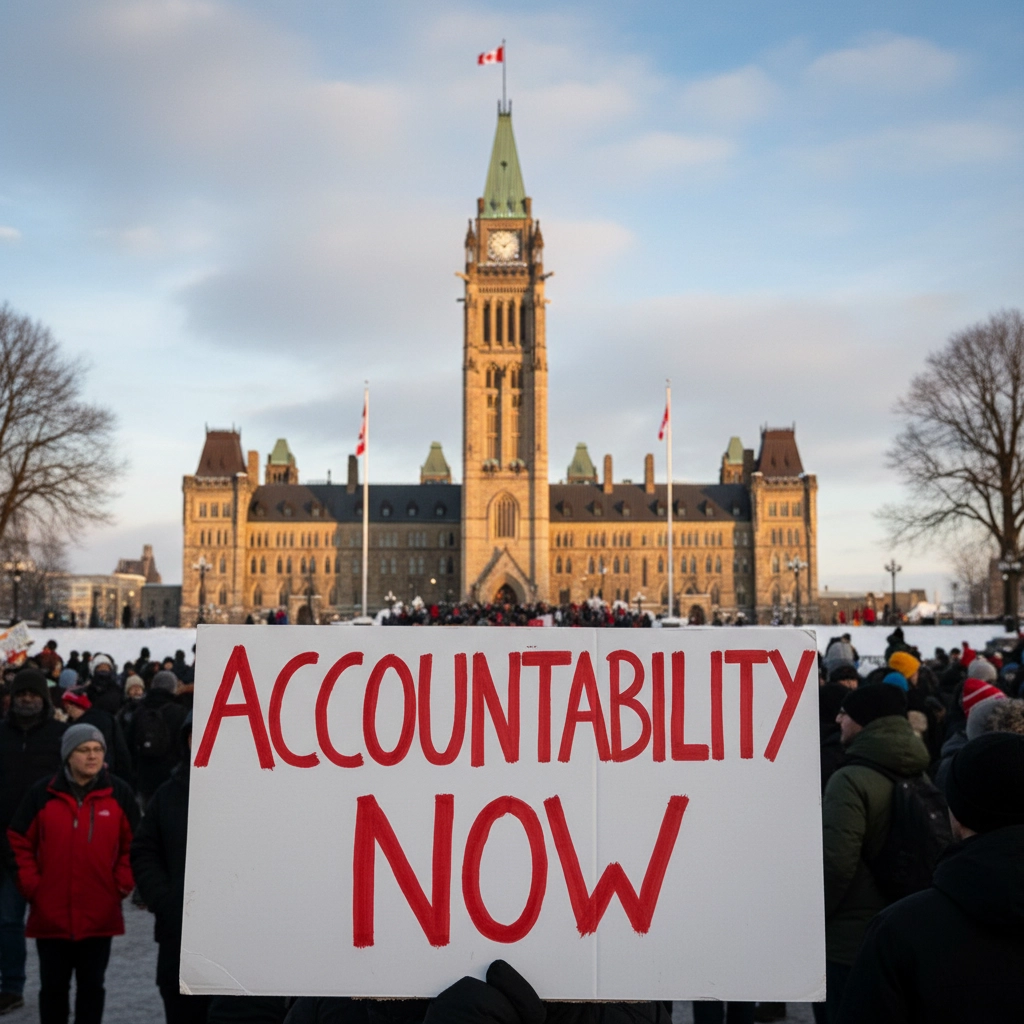
In a class action lawsuit against the government, the plaintiffs must demonstrate that the government’s actions caused them harm and that they are entitled to compensation. The burden of proof rests on the plaintiffs, and they must present evidence to support their claims. The government, on the other hand, will argue that its actions were lawful and justified. The court will then weigh the evidence and arguments presented by both sides and make a decision. If the court rules in favor of the plaintiffs, it may order the government to pay damages, change its policies, or take other remedial measures. Understanding your rights and the legal process is crucial when considering suing the government.
Notable Class Action Lawsuits: Recent Examples in Canada
Several notable class action lawsuits have been filed against the Canadian government in recent years, addressing a range of issues from privacy breaches to discriminatory policies. These cases highlight the importance of holding the government accountable and seeking redress for harms caused by its actions. Examining these examples provides valuable insights into the types of claims that can be brought against the government and the potential outcomes of such lawsuits.


One significant case involved a class action lawsuit against the government for the collection and use of personal data without consent. The plaintiffs alleged that the government had violated their privacy rights by collecting sensitive information without adequately informing them or obtaining their consent. This case raised important questions about the government’s surveillance powers and the protection of personal data in the digital age. Another prominent example is a class action lawsuit filed on behalf of Indigenous people who were subjected to discriminatory practices by the government. The plaintiffs alleged that the government had failed to provide adequate funding for education, healthcare, and other essential services in Indigenous communities. This case highlighted the systemic inequalities faced by Indigenous people in Canada and the government’s responsibility to address these disparities.
Furthermore, class action lawsuits have been filed against the government in relation to environmental issues. For instance, a class action was launched on behalf of individuals and businesses affected by government negligence in managing environmental hazards. This case sought compensation for damages caused by the government’s failure to prevent or mitigate environmental disasters. These recent class action lawsuits demonstrate the diverse range of issues that can be addressed through this legal mechanism. They also underscore the importance of holding the government accountable for its actions and ensuring that the rights of all Canadians are protected.
Strategies for Success: Holding Government Accountable
Successfully holding the government accountable through class action lawsuits requires a well-planned and executed strategy. Several key factors can contribute to the success of such lawsuits, including thorough investigation, strong legal representation, and effective communication. By employing these strategies, plaintiffs can increase their chances of achieving a favorable outcome and ensuring that the government is held responsible for its actions.
One of the most important steps in preparing for a class action lawsuit against the government is to conduct a thorough investigation of the facts. This involves gathering evidence to support the claims being made, such as documents, emails, and witness testimonies. A strong factual basis is essential for building a compelling case and convincing the court that the government’s actions were unlawful or harmful. Another crucial element is securing experienced and qualified legal representation. Class action lawsuits against the government can be complex and require specialized knowledge of constitutional law, administrative law, and civil procedure. An attorney who has a proven track record of success in similar cases can provide invaluable guidance and advocacy throughout the litigation process.
Effective communication is also essential for holding the government accountable. This includes communicating with potential class members to inform them of their rights and the opportunity to join the lawsuit. It also involves communicating with the media to raise awareness of the issues at stake and put pressure on the government to take action. Additionally, clear and persuasive communication with the court is crucial for presenting the case effectively and convincing the judge to rule in favor of the plaintiffs. By employing these strategies, plaintiffs can increase their chances of success in class action lawsuits against the government and ensure that their voices are heard.
Class Action or Individual Claim: Choosing the Right Path
When facing government overreach, individuals must decide whether to pursue an individual claim or participate in a class action lawsuit. The choice depends on various factors, including the nature and extent of the harm suffered, the number of people affected, and the resources available. Understanding the pros and cons of each approach is crucial for making an informed decision that best serves your interests.
Individual claims offer the advantage of personalized attention and control over the litigation process. You can tailor your claim to your specific circumstances and pursue a remedy that is tailored to your needs. However, individual claims can be expensive and time-consuming, particularly when challenging government actions. You will be responsible for all the costs of litigation, including attorney’s fees, expert witness fees, and court costs. Additionally, you may face an uphill battle against the government’s vast resources and legal expertise. Class action lawsuits, on the other hand, offer the benefit of pooling resources and sharing the costs of litigation among a large group of people. This can make it more feasible to challenge government actions, particularly when the harm suffered by each individual is relatively small. Class actions also allow for the efficient resolution of similar claims, avoiding the need for multiple individual lawsuits.
However, class action lawsuits also have some drawbacks. You may have less control over the litigation process, as the lead plaintiffs and their attorneys will make decisions on behalf of the entire class. Additionally, any settlement or judgment reached in the class action will be binding on all class members, even if they disagree with the outcome. When deciding whether to pursue an individual claim or participate in a class action, it is important to carefully consider your individual circumstances and weigh the pros and cons of each approach. Consulting with an attorney can help you assess your options and make the best decision for your particular situation.
Accountability Through Collective Action: A Conclusion
Class action lawsuits serve as a vital mechanism for holding the government accountable for overreach and protecting the rights of Canadians. By understanding the signs of government overreach, recognizing your rights, and employing effective strategies, individuals and groups can successfully challenge government actions that infringe upon their freedoms and cause them harm. The decision to pursue a class action or an individual claim requires careful consideration, but the collective power of a class action can be a powerful tool for achieving justice and ensuring that the government remains accountable to the people it serves.