
Class action lawsuits in Canada offer a mechanism for individuals with similar grievances to collectively seek justice against a common defendant. However, the costs associated with litigating these complex cases can be substantial, potentially deterring individuals from pursuing their claims. Contingency fee arrangements play a crucial role in ensuring access to justice by allowing class action lawyers to be compensated based on the success of the case. This system aligns the interests of the lawyers and the class members, incentivizing lawyers to pursue meritorious claims while mitigating the financial risks for plaintiffs. Understanding how these fees work is essential for anyone considering participating in a class action in Canada.


Contingency Fees Defined
A contingency fee is an agreement between a lawyer and a client where the lawyer’s fees are payable only if there is a successful outcome in the case. In the context of class actions, this means the lawyers only get paid if they win the case or achieve a settlement that benefits the class members. The fee is typically calculated as a percentage of the total recovery obtained for the class. This arrangement differs significantly from traditional fee structures, such as hourly billing, where clients are charged for the lawyer’s time regardless of the outcome of the case. Contingency fees shift the financial risk of litigation from the clients to the lawyers, making legal representation accessible to those who might not otherwise be able to afford it. This is particularly important in class actions, where individual claims may be relatively small, but the aggregate harm suffered by the class is significant.
Approval and Oversight
While contingency fee agreements are central to funding class actions, they are not entirely unregulated. In Canada, the courts play a crucial role in overseeing and approving these agreements to ensure fairness and reasonableness. Before a contingency fee agreement can be implemented in a class action, it typically needs to be approved by a judge. This approval process involves a careful review of the terms of the agreement, including the percentage of the recovery that the lawyers will receive. The court considers various factors when assessing the reasonableness of the fee, such as the complexity of the case, the risk assumed by the lawyers, the time and effort expended, and the results achieved. Furthermore, even if a contingency fee agreement has been pre-approved, the court retains the power to review and adjust the fee at the conclusion of the case, particularly if the recovery is exceptionally large or the circumstances have changed significantly since the initial approval. This judicial oversight provides an important safeguard against excessive fees and ensures that class members receive a fair share of the settlement or judgment. It’s important to understand when to seek group legal help and how these cases operate.

Factors Influencing Fee Percentages
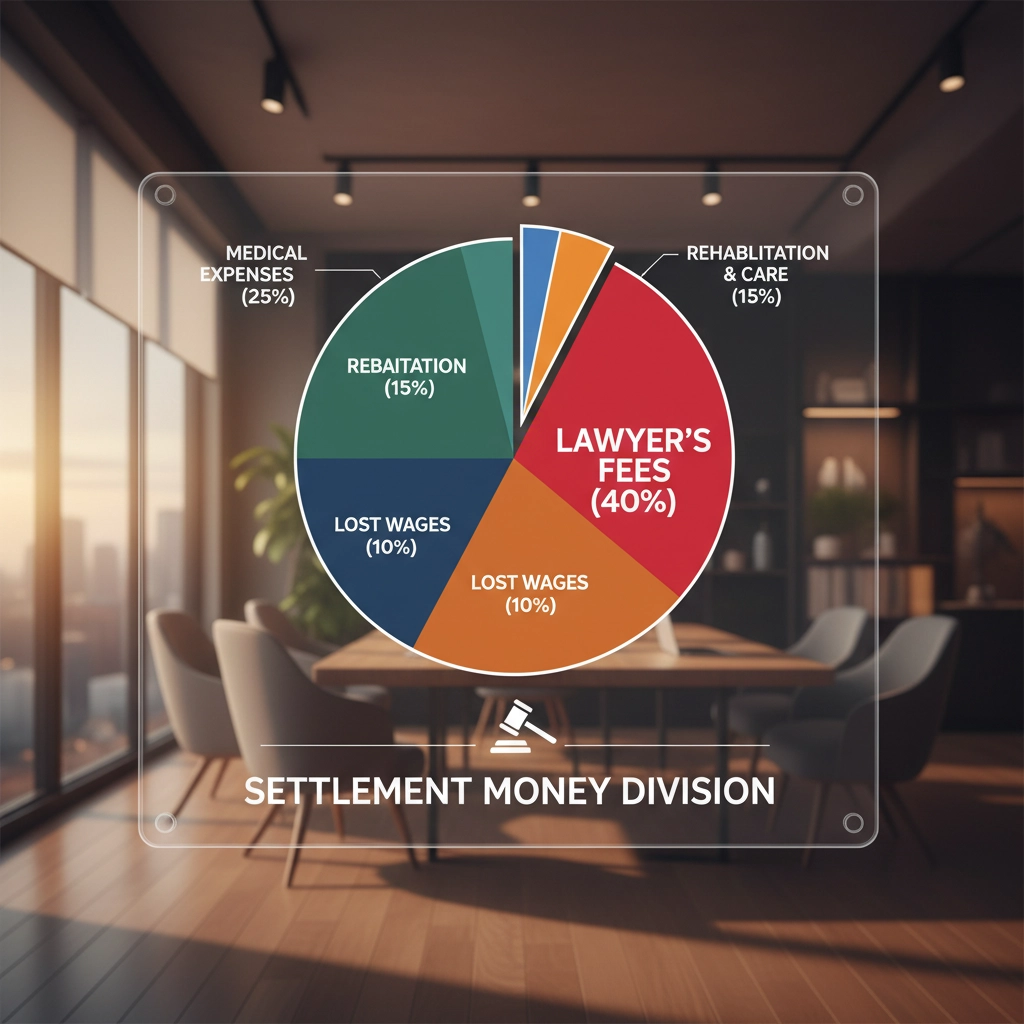
The percentage that lawyers receive under a contingency fee agreement in a class action can vary considerably depending on several factors. One of the most significant factors is the risk involved in the case. If the case is complex, novel, or involves challenging legal issues, the lawyers are taking on a greater risk of not being successful, which may justify a higher percentage. The amount of work required to prosecute the case is also a key consideration. Cases that require extensive investigation, discovery, expert testimony, and motion practice will typically warrant a higher fee. The results achieved are also paramount. A successful outcome that provides significant benefits to the class members will generally support a higher fee award. Courts often consider the principle of proportionality, ensuring that the fee is fair and reasonable in relation to the overall recovery. Market rates for similar services in the relevant jurisdiction can also influence the determination of an appropriate fee percentage. Ultimately, the court’s goal is to strike a balance that fairly compensates the lawyers for their efforts and the risks they assumed, while also protecting the interests of the class members.
The Role of Court-Appointed Counsel
In some class actions, particularly those involving complex issues or a large number of class members, the court may appoint class counsel to represent the interests of the entire class. Class counsel has a fiduciary duty to act in the best interests of all class members, even those who may not have directly retained them. This appointment ensures that all class members have adequate representation and that the litigation is conducted fairly and efficiently. When class counsel is appointed, the court also plays a role in determining the appropriate fee arrangement. This may involve approving a contingency fee agreement that has been negotiated between class counsel and the representative plaintiffs, or it may involve setting the fee based on a lodestar method, which calculates the fee based on the hours worked by the lawyers multiplied by a reasonable hourly rate, with the possibility of a multiplier to account for the risk and the results achieved. Regardless of the method used, the court’s primary concern is to ensure that the fee is fair and reasonable to both class counsel and the class members.


Benefits and Drawbacks of Contingency Fees
Contingency fee arrangements offer several benefits in the context of class actions. As previously mentioned, they increase access to justice by allowing individuals with limited financial resources to pursue meritorious claims. They also align the interests of the lawyers and the class members, incentivizing lawyers to work diligently to achieve the best possible outcome. Furthermore, contingency fees shift the financial risk of litigation from the clients to the lawyers, providing class members with peace of mind knowing that they will not be responsible for legal fees if the case is unsuccessful. However, there are also potential drawbacks to contingency fee arrangements. One concern is that lawyers may be tempted to settle cases prematurely or for less than their full value in order to secure a quick fee. Another concern is that the percentage fee can sometimes result in a windfall for the lawyers, particularly in cases where the recovery is very large. These concerns are addressed through judicial oversight and the requirement that all contingency fee agreements be approved by the court. For more information on this, research class action lawyers in Canada.
Conclusion
Contingency fee arrangements are an integral part of the class action landscape in Canada, facilitating access to justice and ensuring that individuals can collectively seek redress for their grievances. While these arrangements offer numerous benefits, they are subject to judicial oversight to protect the interests of class members and prevent excessive fees. Understanding the intricacies of contingency fees, including the factors that influence fee percentages and the role of the courts, is crucial for anyone considering participating in a class action. By carefully considering these factors and seeking legal advice, individuals can make informed decisions about their involvement in class action litigation and ensure that their rights are protected.