



Understanding Class Action Lawsuits in Canada
Class action lawsuits in Canada offer a mechanism for individuals who have suffered similar harm as a result of the same wrongful conduct to band together and seek redress collectively. These lawsuits are particularly effective when individual damages are small, making individual litigation impractical. The process involves a representative plaintiff initiating the action on behalf of a larger group, known as the “class.” For a class action to proceed, it must be certified by the court, meaning it meets specific criteria related to commonality, identifiable class members, and a viable cause of action. If certified and ultimately successful, a class action can provide compensation and other remedies to all eligible class members.


Identifying the Class and Its Definition
One of the first steps in determining if you might be eligible for a class action is understanding the precise definition of the class. This definition is typically outlined in the court documents related to the lawsuit, particularly in the certification order. The class definition will specify the criteria that individuals must meet to be considered members of the class. This can include factors such as the time period during which the harm occurred, the type of product or service involved, the geographic location of the affected individuals, and the nature of the harm suffered. Carefully reviewing the class definition is crucial to ascertain whether you fall within its scope. If the definition is unclear or ambiguous, seeking legal advice may be necessary to clarify your status.
Gathering and Preserving Relevant Documentation
The key to proving eligibility lies in providing sufficient documentation to demonstrate that you meet the criteria outlined in the class definition. The specific documents required will vary depending on the nature of the class action, but common examples include purchase receipts, contracts, medical records, financial statements, correspondence, and any other records that establish a connection between you and the alleged wrongdoing. For example, in a product liability case, proof of purchase and documentation of any resulting injuries or damages would be essential. In a securities class action, records of stock transactions and any losses incurred would be necessary. It is important to gather as much relevant documentation as possible and to preserve it carefully. Lost or destroyed documents can significantly weaken your claim. If you are unsure what documents are relevant, consulting with a lawyer can provide valuable guidance.

Establishing Causation and Damages
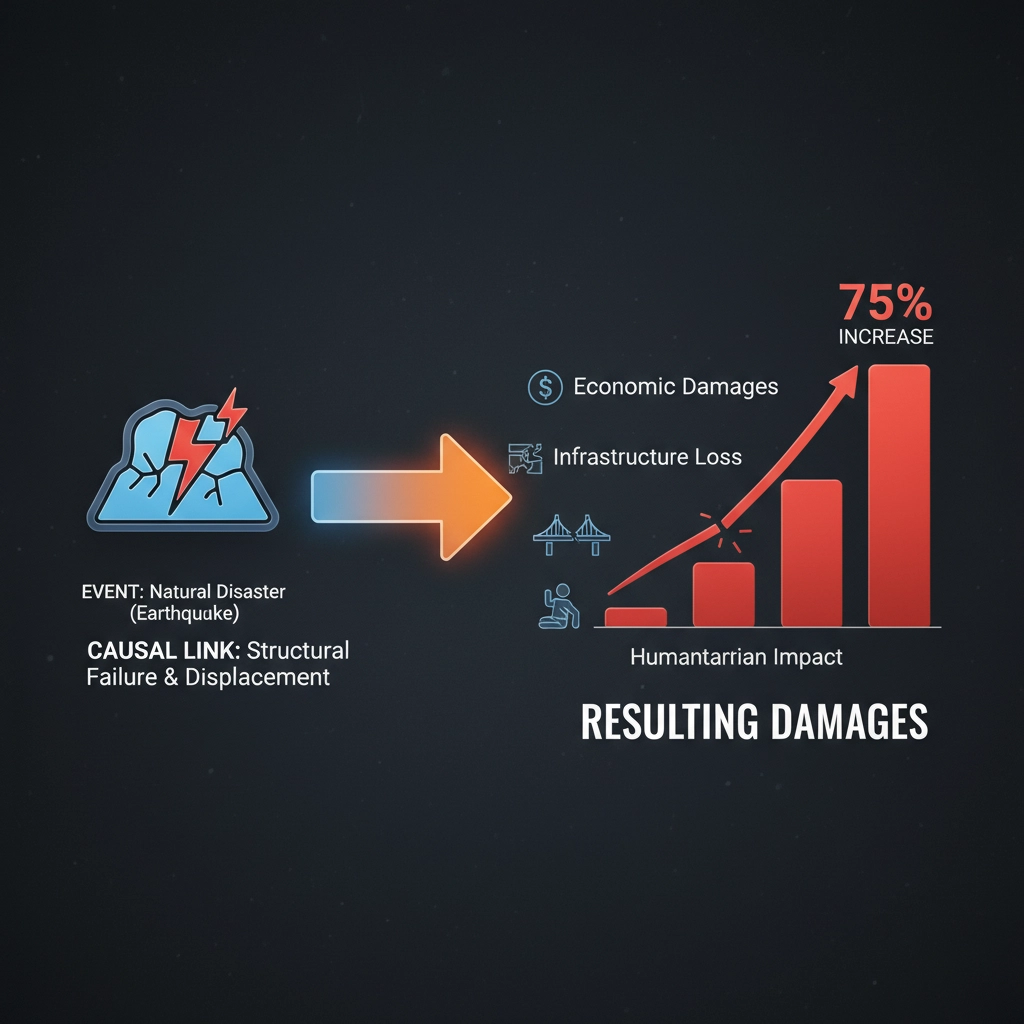
Beyond simply demonstrating that you are a member of the class, you must also establish a causal link between the defendant’s conduct and the harm you suffered, as well as quantify your damages. This means showing that the defendant’s actions directly led to your losses and providing evidence of the extent of those losses. Causation can be a complex issue, particularly in cases involving multiple contributing factors. Expert evidence may be required to establish the necessary link. Quantifying damages involves calculating the monetary value of your losses. This can include direct financial losses, such as out-of-pocket expenses and lost income, as well as non-pecuniary damages, such as pain and suffering. The more detailed and well-supported your evidence of causation and damages, the stronger your claim will be.
Navigating the Claims Process and Deadlines
Once a class action settlement is reached or a judgment is obtained, a claims process will be established to distribute the compensation to eligible class members. This process typically involves submitting a claim form along with supporting documentation. The claim form will require you to provide information about your eligibility, the nature and extent of your damages, and your contact information. It is crucial to complete the claim form accurately and thoroughly and to submit all required documentation. There will also be a deadline for submitting claims, and it is essential to adhere to this deadline. Failure to submit a timely claim will result in the forfeiture of your right to receive compensation. The claims process can sometimes be complex and confusing, so seeking assistance from the class counsel or a claims administrator may be helpful.


Seeking Legal Advice and Representation
While it is possible to participate in a class action without legal representation, seeking legal advice can significantly increase your chances of successfully proving your eligibility and maximizing your recovery. A lawyer experienced in class action litigation can review the class definition, assess the strength of your claim, advise you on the necessary documentation, assist you in completing the claim form, and represent your interests throughout the claims process. Class action lawsuits often have specific geographic and temporal boundaries that define who is eligible to participate. Class counsel, the lawyers who initiated the class action, typically represent the interests of all class members. However, you may also choose to retain your own lawyer to provide independent advice and representation. In some cases, the fees of your lawyer may be paid out of the settlement fund, while in other cases, you may be responsible for paying your lawyer’s fees directly. Engaging legal counsel can provide you with the knowledge, experience, and advocacy necessary to navigate the complexities of a class action and protect your rights.
Conclusion: Maximizing Your Success in Class Actions
Successfully proving your eligibility for a class action lawsuit in a Canadian class action requires a thorough understanding of the class definition, meticulous gathering and preservation of relevant documentation, and a clear demonstration of causation and damages. By carefully navigating the claims process, adhering to deadlines, and seeking legal advice when necessary, you can maximize your chances of receiving fair compensation for the harm you have suffered. Class actions serve as an important tool for holding wrongdoers accountable and providing redress to those who have been affected by their misconduct.