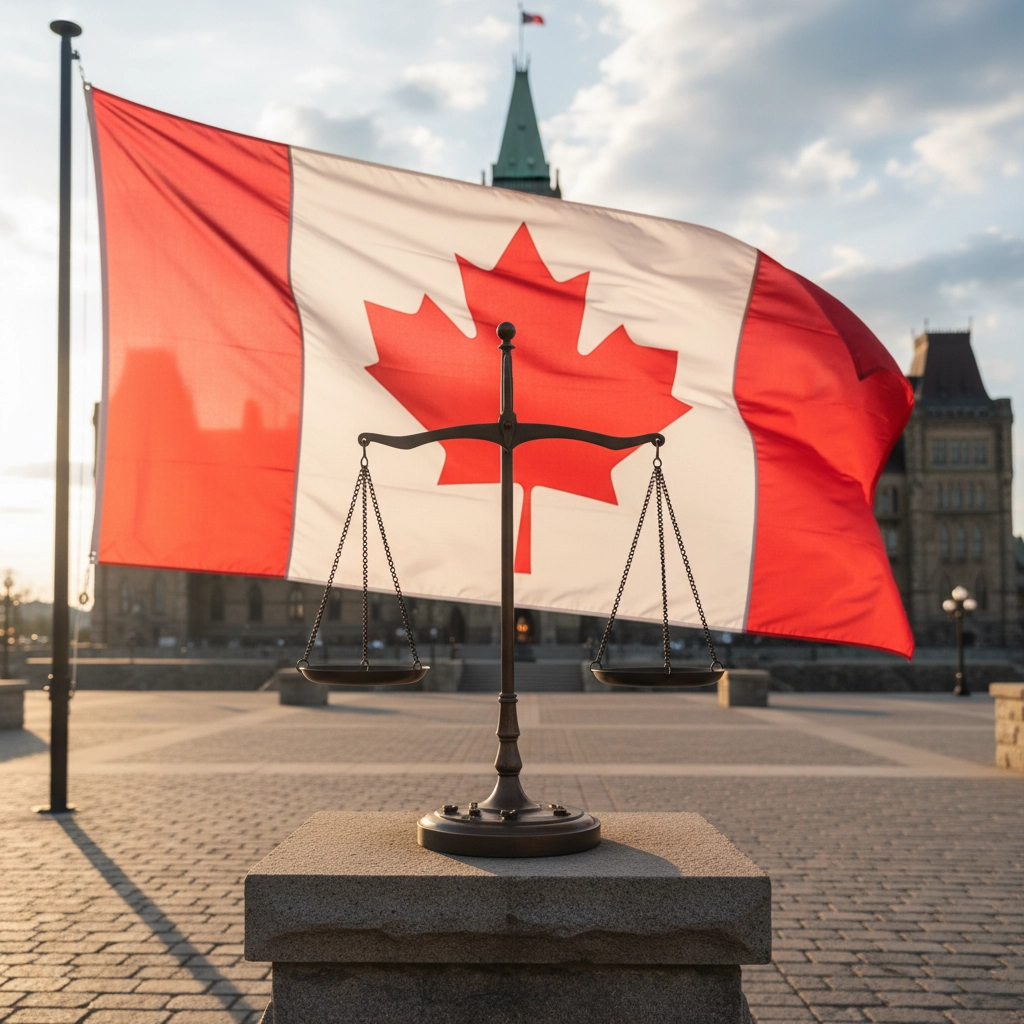



Introduction: The Evolving Landscape of Class Actions
Class action lawsuits in Canada are a powerful tool for consumers and other groups to seek redress for widespread harm caused by corporate misconduct, defective products, or negligence. These lawsuits consolidate individual claims into a single action, making it more efficient and cost-effective to pursue justice. As laws evolve, technology advances, and societal awareness increases, the landscape of potential class action lawsuits is constantly shifting. Certain industries are inherently more susceptible to these types of legal challenges due to the nature of their operations, the products or services they offer, and the level of regulation they face. Predicting the next wave of class action lawsuits requires careful consideration of emerging risks and trends across various sectors.


Data Breaches and Privacy Violations
With the increasing reliance on digital technologies, data breaches and privacy violations have become a significant concern. Companies that collect and store personal information are vulnerable to cyberattacks and data leaks, which can expose sensitive data to unauthorized access. In Canada, the Personal Information Protection and Electronic Documents Act (PIPEDA) and similar provincial legislation impose strict obligations on organizations to protect personal information. Failure to comply with these laws can result in significant penalties, including class action lawsuits. The healthcare, financial services, and retail sectors, which handle large volumes of personal data, are particularly at risk. The increasing sophistication of cyber threats and the growing awareness of privacy rights among consumers are likely to fuel further class action litigation in this area. Companies must invest in robust cybersecurity measures, implement comprehensive data protection policies, and promptly notify affected individuals in the event of a data breach to mitigate the risk of litigation.
Defective Products and Consumer Protection
Defective products that cause injury or property damage are a common trigger for class action lawsuits. The automotive, pharmaceutical, and consumer goods industries are particularly vulnerable in this regard. Auto manufacturers can face class actions for defects that affect the safety or performance of vehicles, such as faulty airbags, defective brakes, or engine problems. Pharmaceutical companies can be sued for adverse drug reactions or misleading marketing practices. Consumer goods manufacturers can be held liable for defects in their products that cause harm to consumers. Canadian consumer protection laws provide a framework for holding companies accountable for defective products. Class action lawsuits can be an effective mechanism for compensating consumers who have been injured by defective products and for deterring companies from placing unsafe products on the market. Companies must implement rigorous quality control procedures, conduct thorough testing of their products, and provide clear and accurate warnings to consumers to minimize the risk of product liability claims.
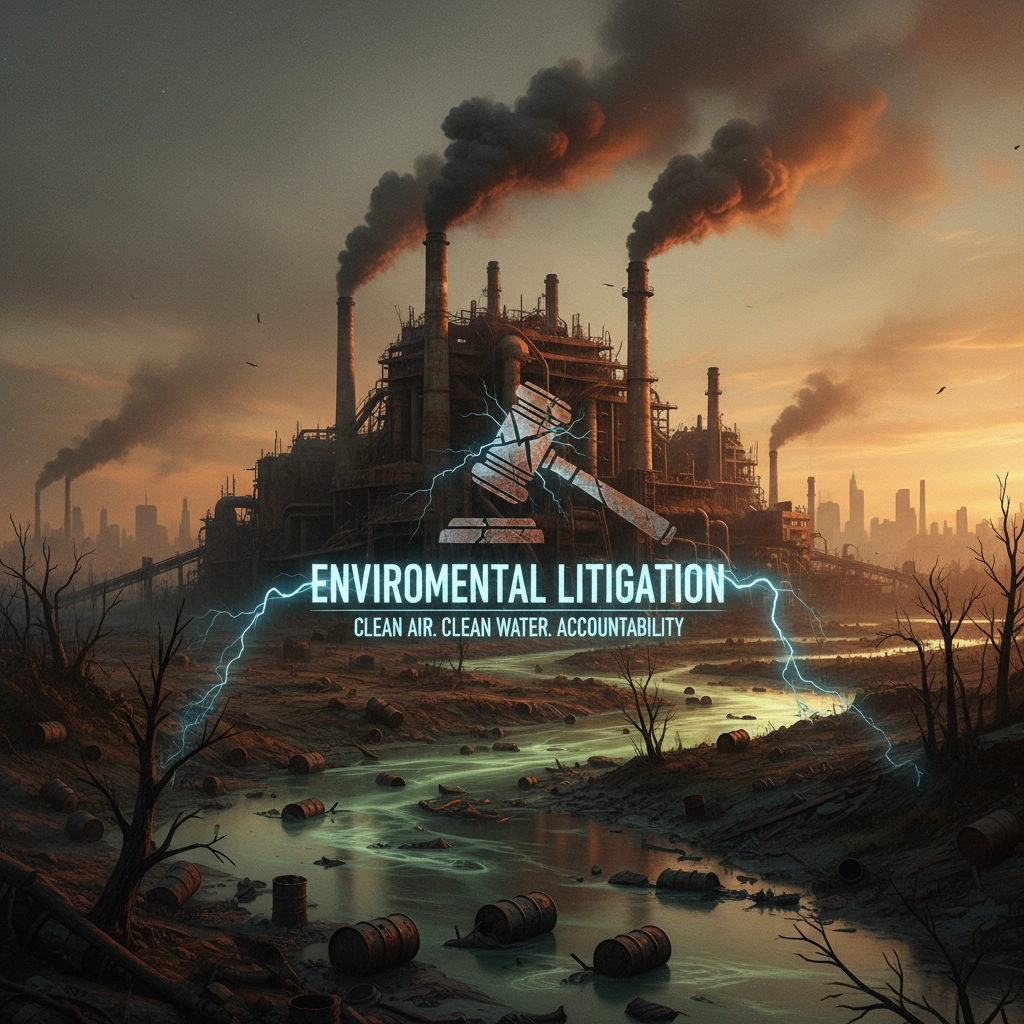

Environmental Contamination and Climate Change Litigation
Environmental contamination and climate change-related harms are emerging areas of class action litigation. Companies that pollute the environment or contribute to climate change can be held liable for the resulting damages. Mining companies, oil and gas companies, and industrial manufacturers are among the industries most exposed to environmental liability. Class action lawsuits can be brought on behalf of communities affected by pollution, such as contaminated water supplies or air pollution. Climate change litigation is a relatively new but rapidly growing area of law. Lawsuits can be brought against companies for contributing to climate change and for failing to adequately prepare for the impacts of climate change. Canadian courts are increasingly recognizing the importance of environmental protection and climate action, which is likely to lead to more class action lawsuits in these areas. Companies must take steps to reduce their environmental impact, comply with environmental regulations, and mitigate the risks associated with climate change to avoid potential litigation.
Financial Misconduct and Securities Fraud
Financial misconduct and securities fraud can result in significant losses for investors and consumers. Companies that engage in fraudulent accounting practices, misrepresent their financial performance, or sell unsuitable investment products can be sued in class action lawsuits. Banks, investment firms, and insurance companies are among the industries most vulnerable to financial misconduct claims. Class action lawsuits can be brought on behalf of investors who have lost money due to fraudulent or misleading conduct. Securities regulators in Canada play an important role in investigating and prosecuting financial misconduct. However, class action lawsuits can provide an additional avenue for investors to recover their losses and hold companies accountable for their actions. Companies must maintain accurate financial records, disclose all material information to investors, and ensure that their employees comply with securities laws to avoid potential liability.


Labor and Employment Practices
Unfair labor and employment practices can also give rise to class action lawsuits. Employers that violate labor laws, discriminate against employees, or fail to provide a safe working environment can be sued in class action lawsuits. Common types of labor and employment class actions include wage and hour claims, discrimination claims, and wrongful termination claims. Wage and hour claims typically involve allegations that employers have failed to pay employees the correct wages, overtime pay, or vacation pay. Discrimination claims allege that employers have discriminated against employees based on their race, gender, religion, or other protected characteristics. Wrongful termination claims allege that employees have been terminated without just cause or in violation of their employment contracts. Canadian labor laws provide strong protections for employees, and class action lawsuits can be an effective mechanism for enforcing these protections. Employers must comply with all applicable labor laws, implement fair and equitable employment practices, and provide a safe and respectful working environment to minimize the risk of litigation.
Conclusion: Staying Ahead of the Curve
The risk of class action lawsuits is a constant concern for businesses operating in Canada. By understanding the emerging trends and potential areas of liability, companies can take proactive steps to mitigate their risk and protect their interests. Investing in robust compliance programs, implementing effective risk management strategies, and staying informed about legal developments are essential for avoiding costly litigation. As the legal landscape continues to evolve, companies must remain vigilant and adapt their practices to meet the changing demands of the law. The industries highlighted above are particularly vulnerable, but all businesses should be aware of the potential for class action lawsuits and take steps to minimize their exposure. Ultimately, a commitment to ethical conduct, regulatory compliance, and social responsibility is the best defense against class action litigation.