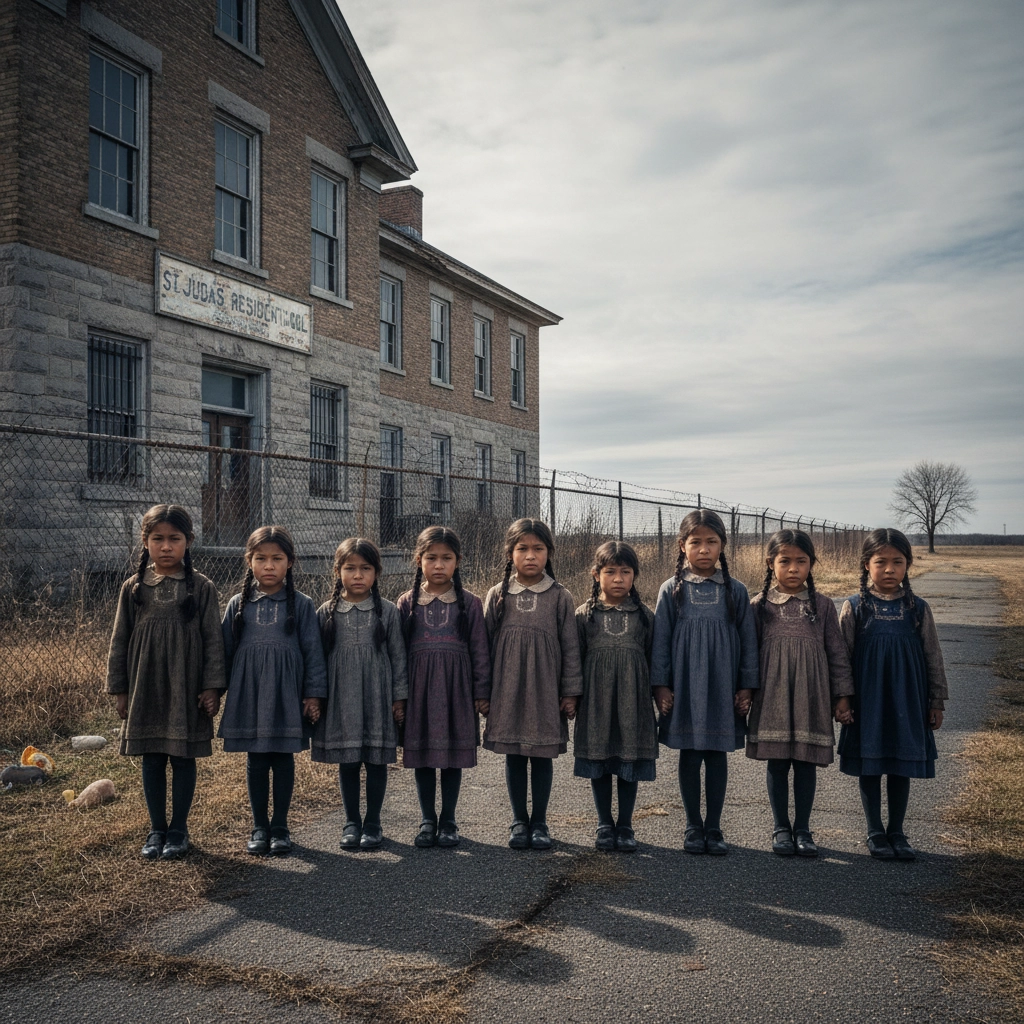
Understanding the historical context of residential schools in Canada is crucial for comprehending the significance of the class action settlements. For over a century, Indigenous children were forcibly removed from their families and communities to attend these institutions, with the explicit goal of assimilation. This system inflicted immense trauma, abuse, and cultural destruction, the repercussions of which continue to affect Indigenous communities today. The class action lawsuits and subsequent settlements represent a vital, albeit imperfect, step towards acknowledging this history, providing compensation to survivors, and fostering reconciliation. They aim to address the profound harms caused by the residential school system and pave the way for a more just and equitable future for Indigenous peoples in Canada.


The Genesis of Class Action Lawsuits
The emergence of class action lawsuits against the Canadian government and various religious organizations responsible for operating the residential schools was a direct response to the growing awareness and acknowledgement of the widespread abuse and trauma endured by Indigenous children. Survivors began to share their stories, demanding accountability and redress for the harms they suffered. These legal actions sought to hold those responsible accountable for the physical, sexual, emotional, and cultural abuse that occurred within these institutions. The lawsuits alleged negligence, breach of fiduciary duty, and other legal violations, seeking compensation for the damages suffered by survivors. As more survivors came forward, individual claims were consolidated into class action lawsuits, allowing for a more efficient and comprehensive resolution of the issues. Class action lawsuits have emerged as a significant legal avenue These lawsuits served as a powerful tool for seeking justice and forcing the government and churches to confront their roles in the residential school system. The pursuit of these legal actions underscored the resilience and determination of survivors in their fight for recognition, healing, and reconciliation.
The Indian Residential Schools Settlement Agreement
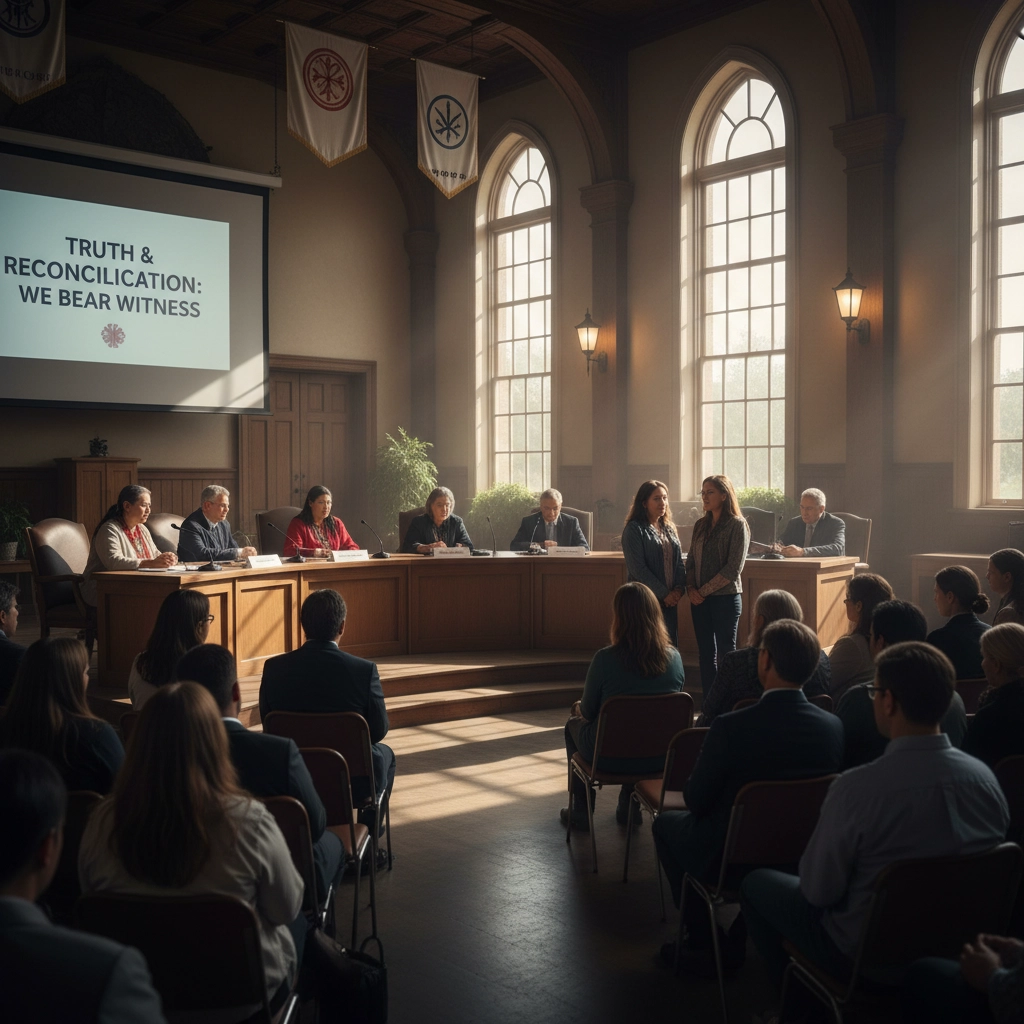
The culmination of these legal efforts was the landmark Indian Residential Schools Settlement Agreement (IRSSA), the largest class action settlement in Canadian history. Approved in 2006, the IRSSA provided a framework for addressing the harms caused by the residential school system. This comprehensive agreement included several key components: Common Experience Payments (CEPs) for all eligible former students, Independent Assessment Process (IAP) for those who suffered sexual or serious physical abuse, Truth and Reconciliation Commission (TRC) to document the history and legacy of residential schools, commemoration activities, and funding for healing programs. The CEP provided a base level of compensation to all former students, recognizing the shared experience of attending residential school. The IAP offered additional compensation to those who experienced more severe forms of abuse, acknowledging the varying degrees of harm suffered. The TRC played a critical role in gathering survivor testimonies, conducting research, and educating the public about the history and lasting impact of residential schools. The IRSSA represented a significant step towards acknowledging the wrongs of the past and providing a measure of justice to survivors. It also laid the foundation for ongoing reconciliation efforts between Indigenous and non-Indigenous peoples in Canada.
Understanding the Common Experience Payment (CEP)
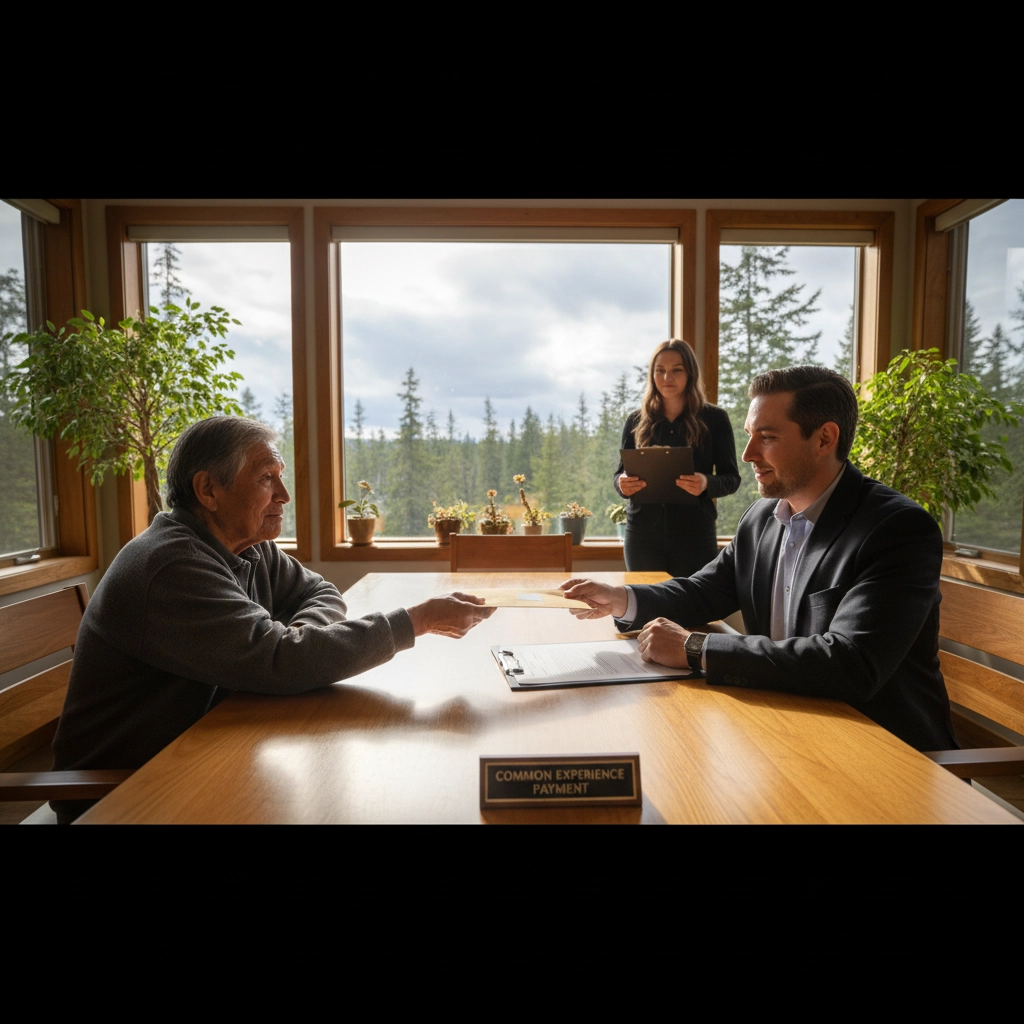
The Common Experience Payment (CEP) was a central component of the Indian Residential Schools Settlement Agreement, providing a base level of compensation to all former students who resided at a recognized residential school. The CEP was designed to acknowledge the shared experience of attending residential school, regardless of the specific type of abuse or harm suffered. All eligible former students received $10,000 for the first year of attendance, plus $3,000 for each additional year. To be eligible for the CEP, individuals had to have attended a residential school that was included in the list of recognized institutions under the IRSSA. The application process involved submitting documentation to verify attendance at the school. The CEP provided a measure of financial redress for the trauma and disruption caused by the residential school system. While the amount of compensation was not intended to fully compensate for the harms suffered, it provided a symbolic acknowledgement of the wrongs of the past and offered some financial support to survivors. The CEP served as a starting point for reconciliation, recognizing the collective experience of residential school attendance and providing a foundation for further healing and reconciliation efforts.
The Independent Assessment Process (IAP): Addressing Abuse
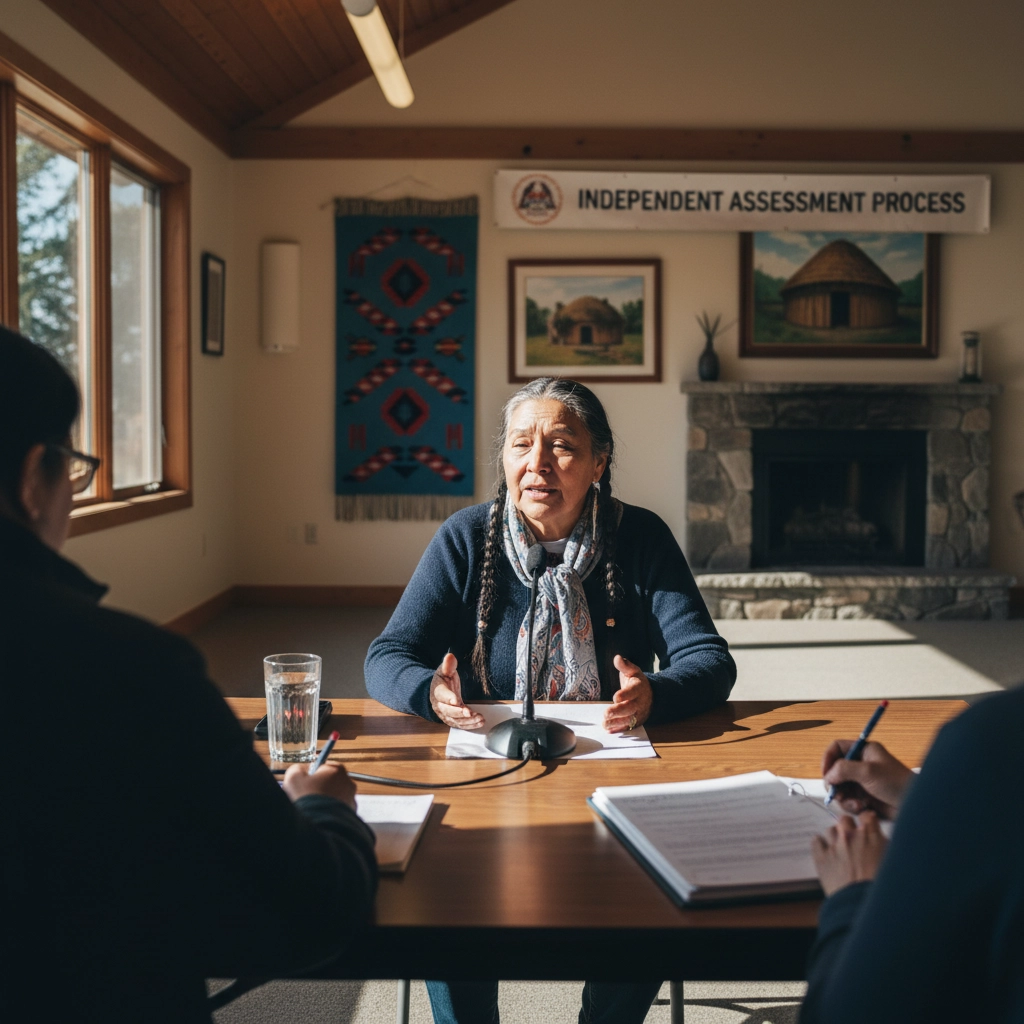
The Independent Assessment Process (IAP) was established as part of the Indian Residential Schools Settlement Agreement to provide compensation to former students who experienced sexual or serious physical abuse while attending residential school. This process offered a confidential and individualized assessment of claims, allowing survivors to share their experiences and receive compensation based on the severity of the abuse suffered. The IAP was designed to be a more sensitive and trauma-informed process than traditional legal proceedings, recognizing the unique needs of survivors. Claimants were required to submit an application outlining the details of the abuse they experienced, along with any supporting documentation. An independent adjudicator reviewed the application and conducted a private hearing with the claimant. The adjudicator determined the level of compensation based on the nature and severity of the abuse, following established legal principles. The IAP provided a means for survivors to receive compensation for the specific harms they endured, acknowledging the profound impact of abuse on their lives. The confidentiality and individualized nature of the IAP allowed survivors to share their stories in a safe and supportive environment, promoting healing and closure. These legal actions provide a mechanism for addressing widespread harm.
Challenges and Criticisms of the Settlement Process
Despite the significance of the Indian Residential Schools Settlement Agreement, it has faced several challenges and criticisms. One major concern has been the complexity and length of the claims process, particularly for the Independent Assessment Process. Some survivors found the process to be re-traumatizing, requiring them to relive painful experiences in order to receive compensation. The adversarial nature of the process also created barriers for some survivors, particularly those who lacked legal representation or faced language barriers. Another criticism has been the adequacy of the compensation provided, with some arguing that the amounts were insufficient to address the long-term impacts of residential school abuse. Concerns have also been raised about the exclusion of certain groups of survivors from the settlement, such as those who attended schools that were not included in the list of recognized institutions. The implementation of the settlement agreement has also faced challenges, with delays in processing claims and distributing funds. Despite these criticisms, the IRSSA remains a landmark achievement in acknowledging the wrongs of the past and providing a measure of justice to survivors. Ongoing efforts are needed to address the shortcomings of the settlement process and ensure that all survivors receive the support and compensation they deserve.
Beyond Compensation: Truth, Reconciliation, and Healing
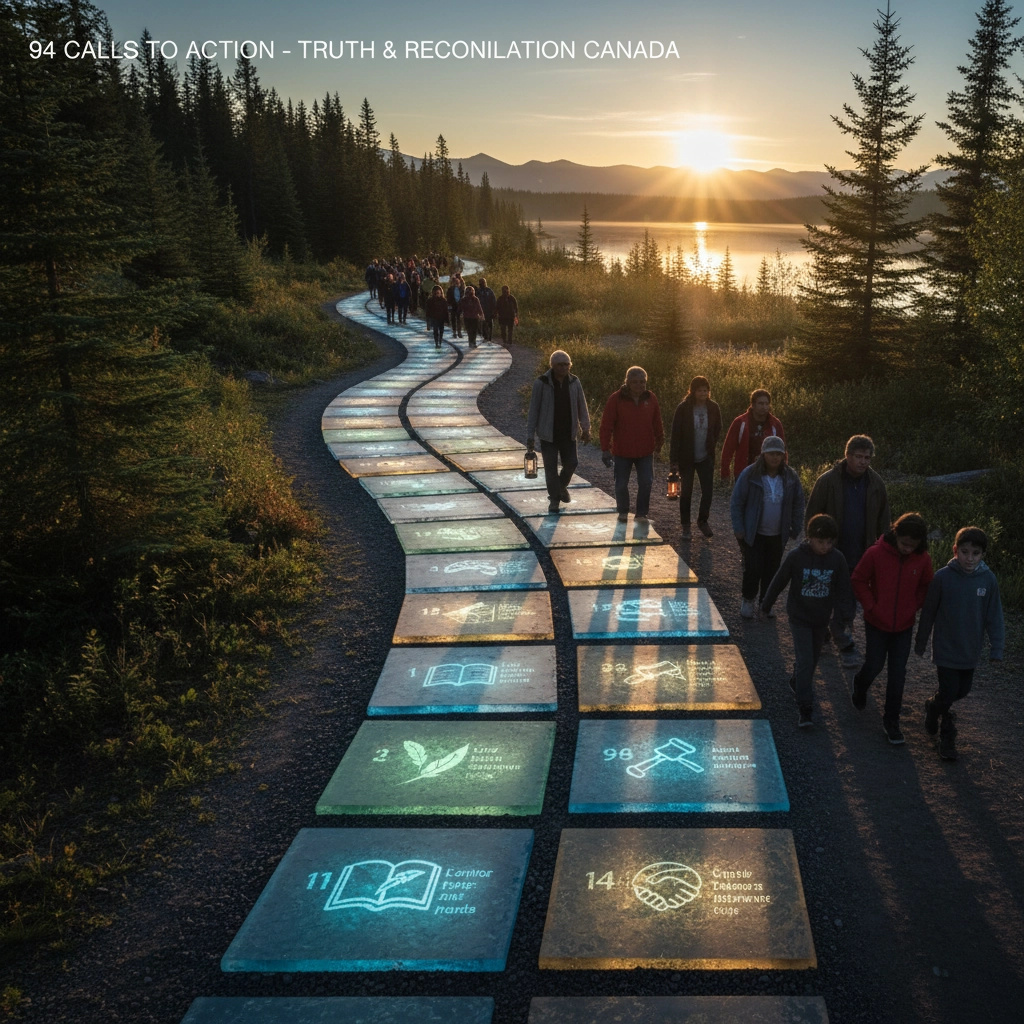
While financial compensation is an important aspect of the residential school settlements, it is just one component of a broader process of truth, reconciliation, and healing. The Truth and Reconciliation Commission (TRC) played a crucial role in documenting the history and legacy of residential schools, providing a platform for survivors to share their stories and educating the public about the devastating impact of the system. The TRC’s final report, released in 2015, included 94 Calls to Action, outlining concrete steps that governments, churches, and individuals can take to address the ongoing harms of colonialism and advance reconciliation. These Calls to Action cover a wide range of areas, including child welfare, education, language and culture, health, and justice. Implementing the TRC’s Calls to Action requires a sustained commitment from all sectors of society. It involves addressing systemic inequalities, promoting Indigenous self-determination, and fostering respectful relationships between Indigenous and non-Indigenous peoples. Healing is a lifelong process for survivors and their families, requiring access to culturally appropriate mental health services, healing programs, and community support. Reconciliation is not just about apologizing for the past; it is about building a more just and equitable future for all Canadians. These legal actions provide a mechanism for addressing widespread harm.

Conclusion: The Ongoing Journey Towards Justice
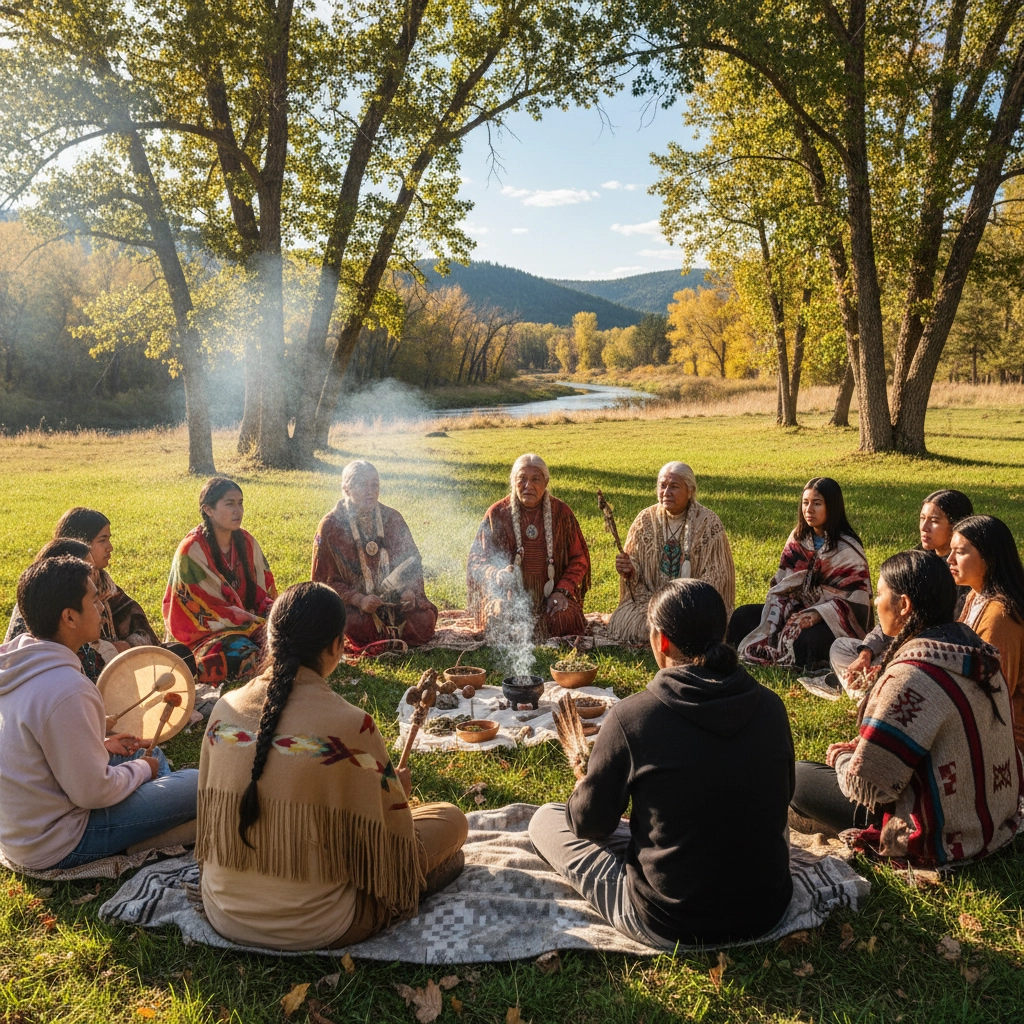
The residential school class action settlements represent a pivotal moment in Canadian history, acknowledging the profound harms inflicted upon Indigenous children and communities. While the settlements have provided compensation and a platform for truth-telling, they are not a panacea. The journey towards justice, reconciliation, and healing is ongoing, requiring sustained commitment from governments, institutions, and individuals. Addressing the systemic inequalities that perpetuate the legacy of residential schools is essential for creating a truly just and equitable society. This includes implementing the TRC’s Calls to Action, supporting Indigenous self-determination, and fostering respectful relationships between Indigenous and non-Indigenous peoples. By working together, we can create a future where the wrongs of the past are never repeated, and where all Canadians can live in dignity and respect. The settlements serve as a reminder of the importance of acknowledging historical injustices and striving for a more inclusive and compassionate society.