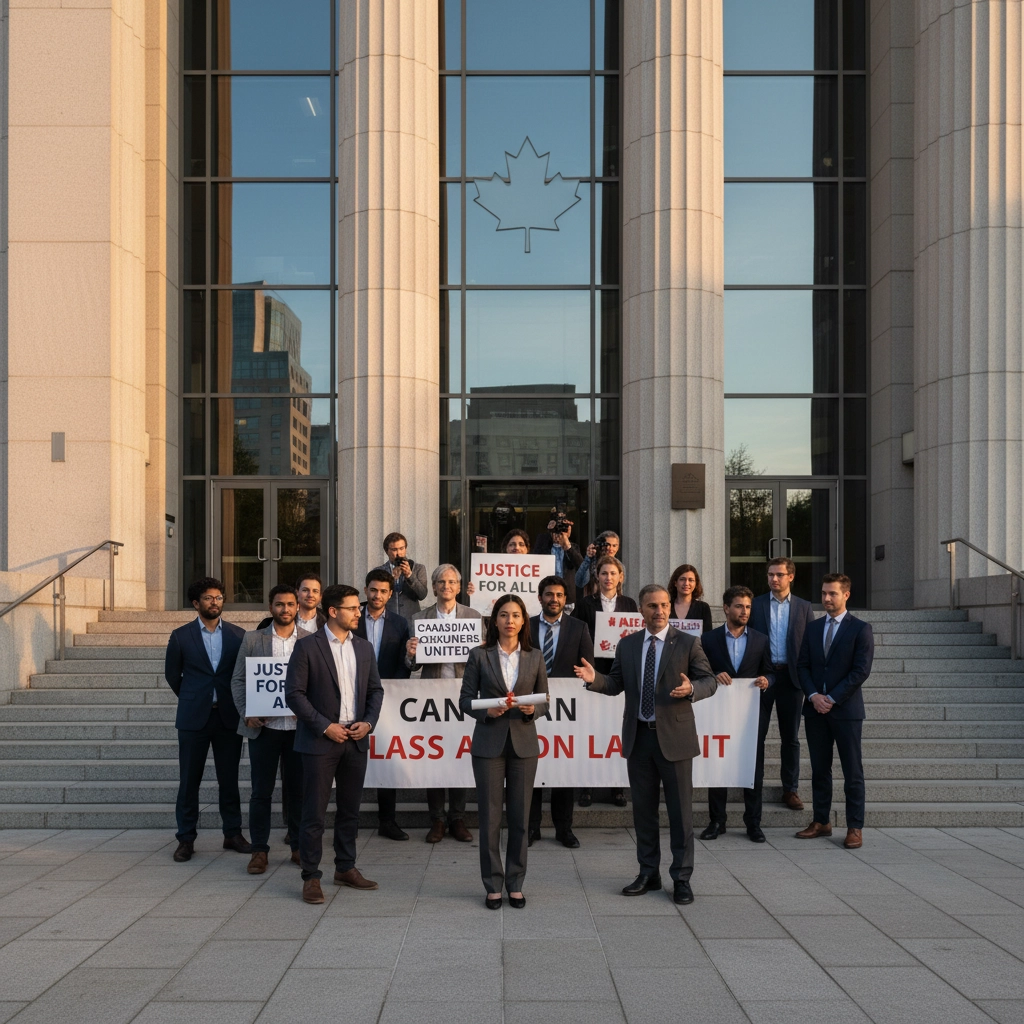
Class action lawsuits are increasingly common in Canada, posing significant financial risks to companies across various industries. Understanding the role of insurance in mitigating these risks is crucial for businesses seeking to protect their assets and ensure long-term stability. This discussion explores the types of insurance policies that may provide coverage for class action claims, the common exclusions that can limit coverage, and the importance of carefully reviewing policy terms to assess the scope of protection. Navigating the complexities of insurance coverage for class actions requires a proactive approach and a thorough understanding of the legal and insurance landscapes.


Understanding Class Action Lawsuits in Canada
Class action lawsuits are a procedural mechanism that allows a large group of people with similar claims to sue a defendant as a single unit. These lawsuits can arise from various situations, including product liability, consumer protection, securities violations, privacy breaches, and environmental damage. In Canada, class actions are governed by provincial legislation, which sets out the requirements for certification and the procedures for managing the litigation. Certification is a critical stage in a class action, as it determines whether the lawsuit can proceed as a class action. To be certified, the plaintiffs must demonstrate that there is an identifiable class of people, that there are common issues among the class members, that a class action is the preferable procedure for resolving the claims, and that there is a representative plaintiff who can adequately represent the interests of the class. The potential financial exposure for companies facing class action lawsuits can be substantial, encompassing legal fees, settlement costs, and judgments. The reputational damage associated with such lawsuits can also have a significant impact on a company’s business.
Types of Insurance Policies that May Cover Class Actions
Several types of insurance policies may provide coverage for class action lawsuits, depending on the nature of the claims and the specific policy terms. Commercial General Liability (CGL) policies typically cover bodily injury and property damage caused by an occurrence. While CGL policies are not designed to cover all types of class action claims, they may provide coverage in cases involving physical harm or damage resulting from a company’s products or operations. Directors and Officers (D&O) liability insurance protects the personal assets of directors and officers of a company from lawsuits alleging wrongful acts, such as breach of fiduciary duty, negligence, or misrepresentation. D&O policies are often triggered in class action lawsuits brought by shareholders or investors alleging securities violations or corporate mismanagement. Errors and Omissions (E&O) insurance, also known as professional liability insurance, covers claims arising from errors, omissions, or negligence in the provision of professional services. E&O policies are particularly relevant for companies that provide advice, design services, or other professional services. Cyber liability insurance provides coverage for losses resulting from cyberattacks and data breaches, including class action lawsuits alleging privacy violations. Employment Practices Liability Insurance (EPLI) covers claims arising from employment-related disputes, such as discrimination, harassment, or wrongful termination. EPLI policies may provide coverage for class action lawsuits brought by employees alleging systemic discrimination or other employment-related violations. These lawsuits often center around complex issues.


Common Exclusions in Insurance Policies
Insurance policies typically contain various exclusions that limit the scope of coverage. Understanding these exclusions is crucial for assessing the extent to which a policy will protect a company from class action claims. One common exclusion is for intentional acts or fraud. Insurance policies generally do not cover losses resulting from intentional wrongdoing or fraudulent conduct by the insured. Another common exclusion is for pollution liability. CGL policies often exclude coverage for pollution-related claims, as these are typically covered under separate environmental liability policies. Many policies also contain exclusions for contractual liability, which limit coverage for liabilities assumed by the insured under a contract. Some policies may exclude coverage for specific types of claims, such as securities litigation or intellectual property infringement. It is important to carefully review the policy wording to identify any exclusions that may apply to potential class action claims. Furthermore, policies often contain exclusions related to prior knowledge or notice of a potential claim. If a company was aware of circumstances that could give rise to a claim before the policy period began, coverage may be excluded. Similarly, failure to provide timely notice of a claim to the insurer can also result in a denial of coverage.
The Importance of Policy Wording and Interpretation
The interpretation of policy wording is critical in determining whether coverage exists for a particular class action claim. Insurance policies are contracts, and their terms are interpreted according to the principles of contract law. Courts will typically give the policy wording its plain and ordinary meaning, unless the policy defines the terms differently. Ambiguities in the policy wording are generally construed against the insurer, meaning that the interpretation most favorable to the insured will be adopted. However, the insured bears the burden of proving that a claim falls within the scope of coverage. This requires a careful analysis of the policy wording and the facts of the claim. Insurers often rely on exclusions to deny coverage for class action claims. The insured may argue that the exclusion does not apply to the facts of the case or that an exception to the exclusion exists. Litigation over insurance coverage is common in the context of class action lawsuits, as the stakes are often high. Expert legal advice is essential for navigating the complexities of policy interpretation and maximizing the chances of obtaining coverage. Furthermore, the specific laws of the relevant jurisdiction will govern the interpretation of the insurance policy. Canadian courts have developed a body of case law on insurance coverage, which provides guidance on how to interpret common policy provisions.
Best Practices for Managing Class Action Risk and Insurance
Proactive risk management is essential for minimizing the likelihood of class action lawsuits and ensuring adequate insurance coverage. Companies should implement robust compliance programs to prevent violations of laws and regulations that could give rise to class action claims. This includes developing and enforcing policies on product safety, consumer protection, privacy, and employment practices. Regular training for employees on compliance matters can also help to reduce the risk of violations. Companies should also conduct regular risk assessments to identify potential areas of vulnerability to class action lawsuits. This involves analyzing the company’s operations, products, and services to identify potential sources of liability. Based on the risk assessment, companies can develop strategies to mitigate these risks, such as improving product design, enhancing data security, or revising employment policies. When purchasing insurance, it is important to work with an experienced insurance broker who understands the company’s business and the risks it faces. The broker can help to identify the appropriate types of coverage and negotiate favorable policy terms. It is also crucial to carefully review the policy wording to ensure that it provides adequate coverage for potential class action claims. Companies should also consider purchasing excess liability insurance to provide additional coverage above the limits of the primary policies. This can be particularly important for companies that face a high risk of class action lawsuits. Finally, it is essential to maintain accurate records of all insurance policies and claims. This will facilitate the claims process in the event of a class action lawsuit.
Recent Trends and Developments in Class Action Insurance
The landscape of class action litigation and insurance coverage is constantly evolving. Several recent trends and developments are shaping the way companies manage class action risk and insurance. One trend is the increasing frequency of cyberattacks and data breaches, which have led to a surge in class action lawsuits alleging privacy violations. Insurers are responding by offering specialized cyber liability insurance policies that provide coverage for data breach-related losses, including class action claims. Another trend is the growing number of class action lawsuits alleging environmental damage. These lawsuits can be complex and costly to defend, and insurers are increasingly scrutinizing environmental liability coverage. The rise of social media has also created new opportunities for class action lawsuits. Companies can be sued for making false or misleading statements on social media, or for failing to adequately protect users’ privacy. Insurers are adapting their policies to address these emerging risks. Finally, there is increasing scrutiny of corporate governance practices, which has led to a rise in shareholder class action lawsuits. Insurers are carefully assessing the risk of these lawsuits when underwriting D&O liability insurance. Companies need to stay informed about these trends and developments to ensure that they have adequate insurance coverage for potential class action claims. This requires ongoing communication with insurance brokers and legal counsel. Implementing effective corporate compliance programs is also essential for mitigating the risk of class action lawsuits.
In conclusion, insurance plays a vital role in protecting Canadian companies from the financial risks associated with class action lawsuits. Understanding the different types of insurance policies that may provide coverage, the common exclusions that can limit coverage, and the importance of policy wording and interpretation is essential for effective risk management. By implementing proactive risk management strategies and working with experienced insurance professionals, companies can mitigate the likelihood of class action lawsuits and ensure that they have adequate insurance coverage in the event of a claim. Staying informed about recent trends and developments in class action litigation and insurance coverage is also crucial for adapting to the evolving legal and business landscape.