
Class action lawsuits offer a powerful mechanism for Canadians to collectively seek justice when harmed by the same wrongful conduct. Understanding the basics of these legal actions is crucial for protecting your rights and potentially receiving compensation for losses suffered. This guide will walk you through the essential aspects of Canadian class action lawsuits, from determining eligibility to navigating the legal process.

Class Action Lawsuits Explained
A class action lawsuit is a legal proceeding in which a group of individuals, who have suffered similar harm as a result of the same wrongful act, bring a single claim to court. Instead of each individual pursuing their own lawsuit, a representative plaintiff, or a small group of plaintiffs, represents the entire “class” of affected individuals. This approach is more efficient and cost-effective than individual lawsuits, especially when the damages suffered by each person are relatively small, but the aggregate harm is substantial. The key advantage of a class action is its ability to provide access to justice for individuals who might not otherwise have the resources or incentive to pursue a legal claim on their own. It also promotes judicial efficiency by resolving numerous similar claims in a single proceeding. Furthermore, class actions can deter future misconduct by holding wrongdoers accountable for their actions on a larger scale. The subject matter of class actions can vary widely, including product liability, consumer protection, securities litigation, environmental damage, and privacy breaches. The rules governing class actions are primarily determined by provincial legislation, although there are some federal laws that can also be relevant.
The Class Action Process
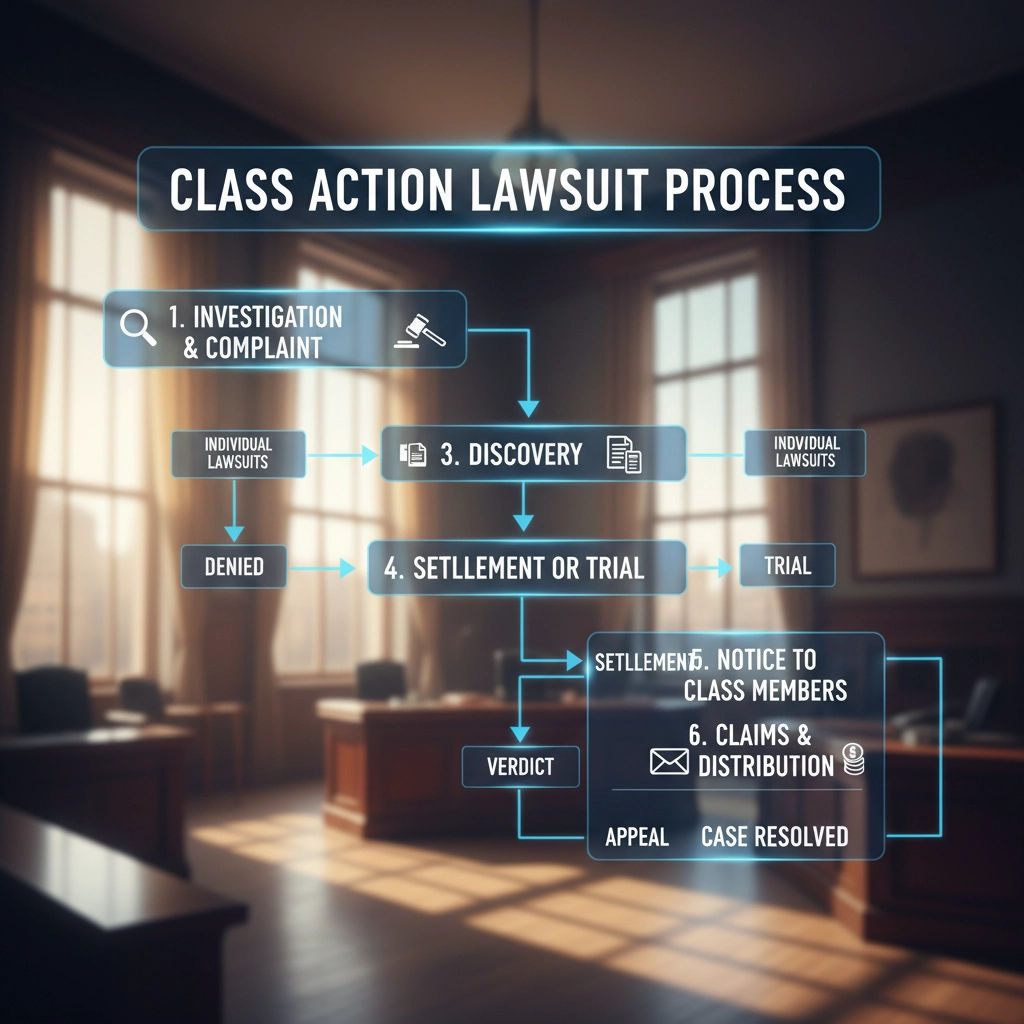
The Canadian class action process generally follows a defined sequence of steps. First, a potential representative plaintiff, along with their legal counsel, investigates the possibility of a class action. This involves gathering evidence and assessing the merits of the claim. If the investigation supports a class action, the plaintiff files a “motion for certification” with the court. This motion asks the court to formally certify the case as a class action. The certification process is critical because it determines whether the case is suitable to proceed as a class action. The court will consider several factors, including whether there is an identifiable class of people, whether there are common issues of fact or law among the class members, whether a class action is the preferable procedure for resolving the claims, and whether the representative plaintiff can adequately represent the interests of the class. If the court certifies the class action, notice is then provided to potential class members, informing them about the lawsuit and their rights. Class members typically have the option to “opt out” of the class action if they prefer to pursue their own individual legal claims. If class members do not opt out, they are bound by the outcome of the class action. After the certification and notice stages, the lawsuit proceeds towards a trial or settlement. If the case goes to trial, the court will determine liability and damages. If the case is settled, the settlement agreement must be approved by the court to ensure that it is fair, reasonable, and in the best interests of the class. Once a settlement is approved or a judgment is obtained, the funds are distributed to class members according to a plan of distribution approved by the court.


Class Action or Individual Lawsuit?
Deciding whether to participate in a class action or pursue an individual lawsuit requires careful consideration of several factors. Class actions are generally more suitable when a large number of people have suffered similar harm, and the individual damages are relatively small. The advantages of a class action include the reduced cost and effort for each individual, as the legal fees and expenses are shared among the class members. Class actions also allow individuals to benefit from the expertise and resources of experienced class action lawyers. However, class actions may not be appropriate for everyone. If your individual damages are substantial, or if your case involves unique or complex issues, you may be better off pursuing an individual lawsuit. An individual lawsuit allows you to have more control over the litigation process and to potentially recover a larger amount of damages. You also have the ability to tailor your legal strategy to your specific circumstances. However, individual lawsuits can be expensive and time-consuming, and there is no guarantee of success. Another important consideration is the availability of evidence. In some cases, it may be difficult or impossible for an individual to gather the evidence necessary to prove their claim. A class action can provide access to information and documents that might not otherwise be available. Ultimately, the decision of whether to participate in a class action or pursue an individual lawsuit depends on your individual circumstances and goals. It is advisable to consult with a lawyer to discuss your options and to determine the best course of action.
Eligibility for Class Actions
To be eligible to participate in a Canadian class action, you must generally meet the definition of the “class” as defined by the court in the certification order. The class definition typically specifies the criteria that individuals must meet to be considered a member of the class. These criteria may include factors such as the type of product or service purchased, the time period during which the harm occurred, and the nature of the damages suffered. If you meet the criteria set out in the class definition, you are automatically considered a member of the class, unless you choose to opt out. The notice that is sent to potential class members will typically explain the class definition and how to determine whether you are a member of the class. If you are unsure whether you qualify, you should consult with a lawyer or contact the class action administrator. It is important to note that eligibility requirements can vary depending on the specific class action and the laws of the province in which the class action is brought. Some class actions may have residency requirements, while others may not. It is also important to be aware of any deadlines for submitting a claim or opting out of the class action. Failure to meet these deadlines could result in you losing your right to participate in the class action or to pursue your own individual legal claim.


Key Class Action Rules
Canadian class action lawsuits are governed by a complex set of rules and regulations, primarily established through provincial class proceedings legislation. These laws vary slightly from province to province, but they share common objectives: to provide access to justice, promote judicial efficiency, and deter wrongdoing. The Ontario Class Proceedings Act, for example, is a key piece of legislation in that province, outlining the requirements for certification, notice, and settlement approval. Certification is a critical stage, requiring the court to assess whether the proposed class action meets specific criteria, including the existence of a common issue, an identifiable class, and a preferable procedure for resolving the claims. Notice to class members is also a fundamental requirement, ensuring that individuals are informed about the lawsuit and their rights. The notice must be clear, concise, and reasonably accessible to potential class members. Settlement approval is another important aspect of class action law. The court must review and approve any proposed settlement to ensure that it is fair, reasonable, and in the best interests of the class. This involves considering factors such as the strength of the plaintiffs’ case, the amount of the settlement, and the views of class members. In addition to provincial legislation, the Rules of Civil Procedure also apply to class actions, governing matters such as pleadings, discovery, and motion practice. Understanding these rules is essential for both plaintiffs and defendants involved in class action litigation.
Conclusion: Empowering Canadians Through Class Actions
Class action lawsuits serve as a vital tool for Canadians seeking redress for widespread harm. By understanding the fundamental principles, navigating the process effectively, and knowing your rights, you can empower yourself to participate in these legal actions and potentially receive compensation for your losses. Whether it’s a product defect, a data breach, or any other form of collective wrongdoing, class actions offer a pathway to justice for those who might otherwise be unable to pursue their claims individually. Consulting with a qualified lawyer is always recommended to assess your specific situation and determine the best course of action.