
Introduction to Consumer Class Actions in Canada
Consumer class action lawsuits in Canada offer a powerful legal avenue for individuals who have been harmed by the same or similar misconduct of a company or organization. These lawsuits allow a large group of people with similar claims to collectively seek justice and compensation, rather than each person having to pursue a separate legal action. This not only streamlines the legal process but also makes it more accessible for individuals who may not have the resources to fight a large corporation on their own. Consumer class actions can address a wide range of issues, including defective products, false advertising, data breaches, and unfair business practices. They play a vital role in holding companies accountable for their actions and protecting the rights of consumers across the country.


Understanding the Basics of Class Action Lawsuits
A class action lawsuit is a type of legal proceeding where one or more individuals, known as the “representative plaintiffs,” sue on behalf of a larger group of people who have suffered similar harm. The group is referred to as the “class.” In Canada, class actions are governed by provincial legislation, which varies slightly from province to province, but the fundamental principles remain the same. To initiate a class action, the representative plaintiff must first obtain certification from the court. This involves demonstrating that the proposed class meets certain criteria, including that there is a common issue among the class members, that a class action is the preferable method for resolving the claims, and that the representative plaintiff can adequately represent the interests of the class. Once a class action is certified, all members of the class are bound by the outcome of the lawsuit, unless they choose to opt out. This means that if the class action is successful, all class members will be entitled to a share of the settlement or judgment.
The Benefits of Participating in a Class Action
Participating in a consumer class action lawsuit can offer several benefits to individuals who have been harmed by a company’s misconduct. First and foremost, it provides an opportunity to seek compensation for losses or damages that they have suffered. This compensation can help to cover medical expenses, lost wages, property damage, and other costs associated with the harm. Secondly, class actions can help to hold companies accountable for their actions and deter them from engaging in similar misconduct in the future. By bringing a collective legal action, consumers can send a strong message to companies that they will not tolerate unfair or illegal practices. Thirdly, participating in a class action can be a more efficient and cost-effective way to pursue legal claims than filing an individual lawsuit. Class actions allow individuals to share the costs of litigation and benefit from the expertise of experienced lawyers who specialize in class action lawsuits. Finally, class actions can provide a sense of community and support for individuals who have been affected by the same wrongdoing.

Navigating the Class Action Process
The process of participating in a consumer class action lawsuit can seem daunting, but it is generally straightforward. First, it is important to stay informed about ongoing class actions that may be relevant to your situation. This can be done by searching online for class action notices, consulting with a lawyer, or contacting consumer protection agencies. If you believe that you are a member of a class action, you will typically receive a notice in the mail or by email informing you of the lawsuit and your rights. The notice will provide information about the nature of the lawsuit, the class definition, and the steps you need to take to participate. In most cases, you will need to complete a claim form and submit it to the claims administrator. The claim form will ask for information about your losses or damages and supporting documentation. It is important to carefully review the notice and claim form to ensure that you understand your rights and obligations. If you have any questions, you should consult with a lawyer who specializes in class action lawsuits.
Specific Types of Consumer Class Actions
Consumer class actions in Canada cover a broad spectrum of issues, reflecting the diverse ways in which businesses can potentially harm consumers. Data breach class actions arise when companies fail to adequately protect personal information, leading to unauthorized access and potential identity theft. False advertising class actions target misleading or deceptive marketing practices that induce consumers to purchase products or services under false pretenses. Defective product class actions seek compensation for injuries or damages caused by products that are unsafe or malfunction. Telecom class actions address issues such as overbilling, hidden fees, and unfair contract terms imposed by telecommunications companies. Automotive class actions focus on recalls, defects, and other issues related to vehicles that may pose safety risks to consumers. Each of these types of class actions requires a specific understanding of the relevant laws and regulations, as well as the technical or scientific issues involved.


Conclusion: Empowering Consumers Through Collective Action
Consumer class action lawsuits are an essential tool for protecting the rights of consumers in Canada. They provide a mechanism for individuals to collectively seek justice and compensation when they have been harmed by the misconduct of companies or organizations. By participating in a class action, consumers can hold companies accountable for their actions, deter future wrongdoing, and obtain redress for their losses. While the process of participating in a class action may seem complex, it is generally straightforward and can be a more efficient and cost-effective way to pursue legal claims than filing an individual lawsuit. It is important for consumers to stay informed about ongoing class actions and to consult with a lawyer if they have any questions about their rights and obligations. Ultimately, consumer class actions empower consumers to stand up for their rights and ensure that companies are held responsible for their actions.
Data Breach Class Action Lawsuits in Canada
Introduction to Data Breach Class Actions
In today’s digital age, data breaches have become increasingly common, posing a significant threat to individuals’ privacy and financial security. When companies fail to adequately protect personal information, leading to unauthorized access or disclosure, individuals can suffer a range of harms, including identity theft, financial losses, and emotional distress. In Canada, data breach class action lawsuits provide a legal avenue for individuals who have been affected by a data breach to collectively seek compensation and hold the responsible companies accountable. These lawsuits can address a variety of data breach scenarios, from hacking incidents to employee negligence, and can seek to recover damages for a range of harms, including financial losses, credit monitoring costs, and emotional distress.
Understanding Data Breach Liability in Canada
In Canada, organizations have a legal and ethical obligation to protect the personal information they collect and store. This obligation is governed by various privacy laws, including the Personal Information Protection and Electronic Documents Act (PIPEDA) at the federal level, as well as provincial privacy laws in certain provinces. These laws require organizations to implement reasonable security safeguards to protect personal information from unauthorized access, use, or disclosure. When a data breach occurs, organizations may be held liable if they failed to meet these obligations. To establish liability in a data breach class action, plaintiffs must demonstrate that the organization breached its duty of care by failing to implement adequate security measures, and that this breach caused them harm. This can be a complex legal and technical undertaking, requiring expertise in privacy law, cybersecurity, and forensic analysis.
What to Do If Your Information is Compromised
If you receive a notification that your personal information has been compromised in a data breach, it is important to take immediate steps to protect yourself. First, change your passwords for all online accounts, especially those that use the same username and password as the compromised account. Second, monitor your credit reports and financial statements for any signs of unauthorized activity. Third, consider placing a fraud alert or security freeze on your credit reports to prevent identity thieves from opening new accounts in your name. Fourth, report the data breach to the relevant authorities, such as the Privacy Commissioner of Canada or your provincial privacy regulator. Finally, consult with a lawyer who specializes in data breach class action lawsuits to understand your legal rights and options. A lawyer can help you assess whether you have a claim and can guide you through the process of participating in a class action.
Key Elements of a Data Breach Class Action Lawsuit
A data breach class action lawsuit typically involves several key elements. First, the representative plaintiff must demonstrate that the proposed class meets the requirements for certification, including that there is a common issue among the class members, that a class action is the preferable method for resolving the claims, and that the representative plaintiff can adequately represent the interests of the class. Second, the plaintiffs must prove that the organization breached its duty of care by failing to implement adequate security measures to protect personal information. This may involve expert testimony from cybersecurity experts who can assess the organization’s security practices and identify vulnerabilities. Third, the plaintiffs must demonstrate that they suffered harm as a result of the data breach. This may involve providing evidence of financial losses, credit monitoring costs, or emotional distress.
Recent Data Breach Class Action Cases in Canada
Canada has seen a growing number of data breach class action lawsuits in recent years, reflecting the increasing frequency and severity of data breaches. Some notable cases include lawsuits against companies that have experienced large-scale data breaches affecting millions of customers. These lawsuits have sought to recover damages for a range of harms, including financial losses, credit monitoring costs, and emotional distress. In some cases, settlements have been reached that provide compensation to class members and require the company to improve its security practices. These cases serve as a reminder to organizations of the importance of protecting personal information and the potential legal consequences of failing to do so. They also highlight the role of data breach class action lawsuits in holding companies accountable and protecting the rights of consumers.
Conclusion: Protecting Your Privacy in the Digital Age
Data breach class action lawsuits play a crucial role in protecting individuals’ privacy and financial security in the digital age. They provide a mechanism for individuals who have been affected by a data breach to collectively seek compensation and hold the responsible companies accountable. By participating in a class action, consumers can send a strong message to organizations that they will not tolerate inadequate security practices and that they expect their personal information to be protected. It is important for individuals to stay informed about data breaches and to take steps to protect themselves if their information is compromised. Consulting with a lawyer who specializes in data breach class action lawsuits can help individuals understand their legal rights and options and navigate the complex legal landscape.
False Advertising Class Action Lawsuits in Canada
Introduction to False Advertising Class Actions
False advertising is a deceptive practice that can mislead consumers into purchasing products or services based on false or exaggerated claims. In Canada, false advertising is prohibited under the Competition Act and other consumer protection laws. When companies engage in false advertising, consumers can suffer financial losses and make purchasing decisions based on inaccurate information. False advertising class action lawsuits provide a legal avenue for consumers who have been harmed by deceptive marketing practices to collectively seek compensation and hold the responsible companies accountable. These lawsuits can address a wide range of false advertising claims, including misleading product descriptions, exaggerated performance claims, and deceptive pricing practices.
Understanding False Advertising Laws in Canada
The Competition Act is the primary legislation governing false advertising in Canada. It prohibits a variety of deceptive marketing practices, including making false or misleading representations about the price, quality, performance, or characteristics of a product or service. The Act also prohibits deceptive testimonials, bait-and-switch advertising, and pyramid schemes. In addition to the Competition Act, provincial consumer protection laws also address false advertising and provide consumers with additional rights and remedies. To establish a claim for false advertising, plaintiffs must demonstrate that the advertisement was false or misleading, that it was likely to deceive consumers, and that they suffered harm as a result of the deception. This can be a challenging legal undertaking, requiring expertise in advertising law, consumer behavior, and statistical analysis.
How to Identify Deceptive Marketing Practices
Identifying deceptive marketing practices can be difficult, as companies often use sophisticated techniques to mislead consumers. However, there are several common red flags that consumers should be aware of. These include exaggerated claims about a product’s performance or benefits, unsubstantiated claims that are not supported by scientific evidence, deceptive pricing practices such as hidden fees or inflated discounts, and misleading testimonials that are not representative of typical consumer experiences. Consumers should also be wary of advertisements that use vague or ambiguous language, or that make claims that are too good to be true. It is important to carefully read the fine print and to do your own research before making a purchasing decision based on an advertisement. If you suspect that you have been the victim of false advertising, you should report it to the Competition Bureau or your provincial consumer protection agency.
Key Elements of a False Advertising Class Action Lawsuit
A false advertising class action lawsuit typically involves several key elements. First, the representative plaintiff must demonstrate that the proposed class meets the requirements for certification, including that there is a common issue among the class members, that a class action is the preferable method for resolving the claims, and that the representative plaintiff can adequately represent the interests of the class. Second, the plaintiffs must prove that the advertisement was false or misleading and that it was likely to deceive consumers. This may involve expert testimony from marketing experts who can analyze the advertisement and assess its potential impact on consumers. Third, the plaintiffs must demonstrate that they suffered harm as a result of the false advertising. This may involve providing evidence of financial losses or other damages.
Examples of Successful False Advertising Class Actions
Canada has seen a number of successful false advertising class action lawsuits in recent years. These lawsuits have targeted a variety of deceptive marketing practices, including misleading product descriptions, exaggerated performance claims, and deceptive pricing practices. In some cases, settlements have been reached that provide compensation to class members and require the company to change its advertising practices. These cases serve as a reminder to companies of the importance of truthful and accurate advertising and the potential legal consequences of engaging in deceptive marketing practices. They also highlight the role of false advertising class action lawsuits in protecting the rights of consumers and ensuring that companies are held accountable for their actions.
Conclusion: Fighting for Truthful Advertising
False advertising class action lawsuits are an important tool for protecting consumers from deceptive marketing practices. They provide a mechanism for individuals who have been harmed by false advertising to collectively seek compensation and hold the responsible companies accountable. By participating in a class action, consumers can send a strong message to companies that they will not tolerate deceptive marketing practices and that they expect truthful and accurate advertising. It is important for consumers to be aware of the red flags of false advertising and to report suspected violations to the relevant authorities. Consulting with a lawyer who specializes in false advertising class action lawsuits can help individuals understand their legal rights and options and navigate the complex legal landscape.
Defective Product Class Action Lawsuits in Canada
Introduction to Defective Product Class Actions
Defective products can cause serious injuries, property damage, and financial losses to consumers. In Canada, manufacturers, distributors, and retailers have a legal duty to ensure that the products they sell are safe for their intended use. When a product is defective and causes harm, individuals can pursue legal action to seek compensation for their damages. Defective product class action lawsuits provide a legal avenue for consumers who have been injured by the same or similar defective product to collectively seek justice and hold the responsible companies accountable. These lawsuits can address a wide range of product defects, including design defects, manufacturing defects, and marketing defects.
Understanding Product Liability Laws in Canada
Product liability laws in Canada hold manufacturers, distributors, and retailers responsible for injuries and damages caused by defective products. These laws are based on the principles of negligence, breach of warranty, and strict liability. To establish a claim for product liability, plaintiffs must demonstrate that the product was defective, that the defect caused their injuries or damages, and that the manufacturer, distributor, or retailer was negligent in the design, manufacture, or marketing of the product. This can be a complex legal and technical undertaking, requiring expertise in product safety, engineering, and forensic analysis.
Types of Product Defects and Their Consequences
There are several types of product defects that can lead to injuries and damages. Design defects occur when a product is inherently unsafe due to its design. Manufacturing defects occur when a product is not manufactured according to its design specifications. Marketing defects occur when a product is not properly labeled with warnings or instructions about its safe use. The consequences of defective products can be severe, ranging from minor injuries to death. Defective products can also cause property damage and financial losses. It is important for consumers to be aware of the potential risks associated with defective products and to take steps to protect themselves.
Seeking Compensation for Injuries Caused by Defective Products
If you have been injured by a defective product, you may be entitled to compensation for your damages. This compensation can include medical expenses, lost wages, pain and suffering, and property damage. To pursue a claim for product liability, you will need to gather evidence to support your claim, including medical records, photographs of your injuries, and documentation of your financial losses. You should also preserve the defective product and any packaging or instructions that came with it. It is important to consult with a lawyer who specializes in product liability law to understand your legal rights and options. A lawyer can help you assess the strength of your claim and guide you through the process of pursuing legal action.
Recent Defective Product Class Action Cases in Canada
Canada has seen a number of defective product class action lawsuits in recent years. These lawsuits have targeted a variety of defective products, including automobiles, medical devices, and consumer products. In some cases, settlements have been reached that provide compensation to class members and require the company to recall the defective product or improve its safety features. These cases serve as a reminder to manufacturers of the importance of product safety and the potential legal consequences of selling defective products. They also highlight the role of defective product class action lawsuits in protecting the rights of consumers and ensuring that companies are held accountable for their actions.
Conclusion: Ensuring Product Safety and Consumer Protection
Defective product class action lawsuits play a vital role in ensuring product safety and protecting consumers from harm. They provide a mechanism for individuals who have been injured by defective products to collectively seek compensation and hold the responsible companies accountable. By participating in a class action, consumers can send a strong message to manufacturers that they will not tolerate unsafe products and that they expect products to be safe for their intended use. It is important for consumers to be aware of the potential risks associated with defective products and to report any suspected defects to the relevant authorities. Consulting with a lawyer who specializes in product liability law can help individuals understand their legal rights and options and navigate the complex legal landscape.
Telecom Class Action Lawsuits in Canada
Introduction to Telecom Class Actions
Telecommunications companies provide essential services to millions of Canadians, but they are also frequently the subject of consumer complaints regarding overbilling, hidden fees, and unfair contract terms. Telecom class action lawsuits offer a way for consumers to collectively challenge these practices and seek compensation for their losses. These lawsuits can address a wide range of issues, including misleading advertising, unauthorized charges, and early termination fees. They provide a powerful tool for holding telecom companies accountable and ensuring that they treat their customers fairly.
Common Issues in Telecom Billing and Contracts
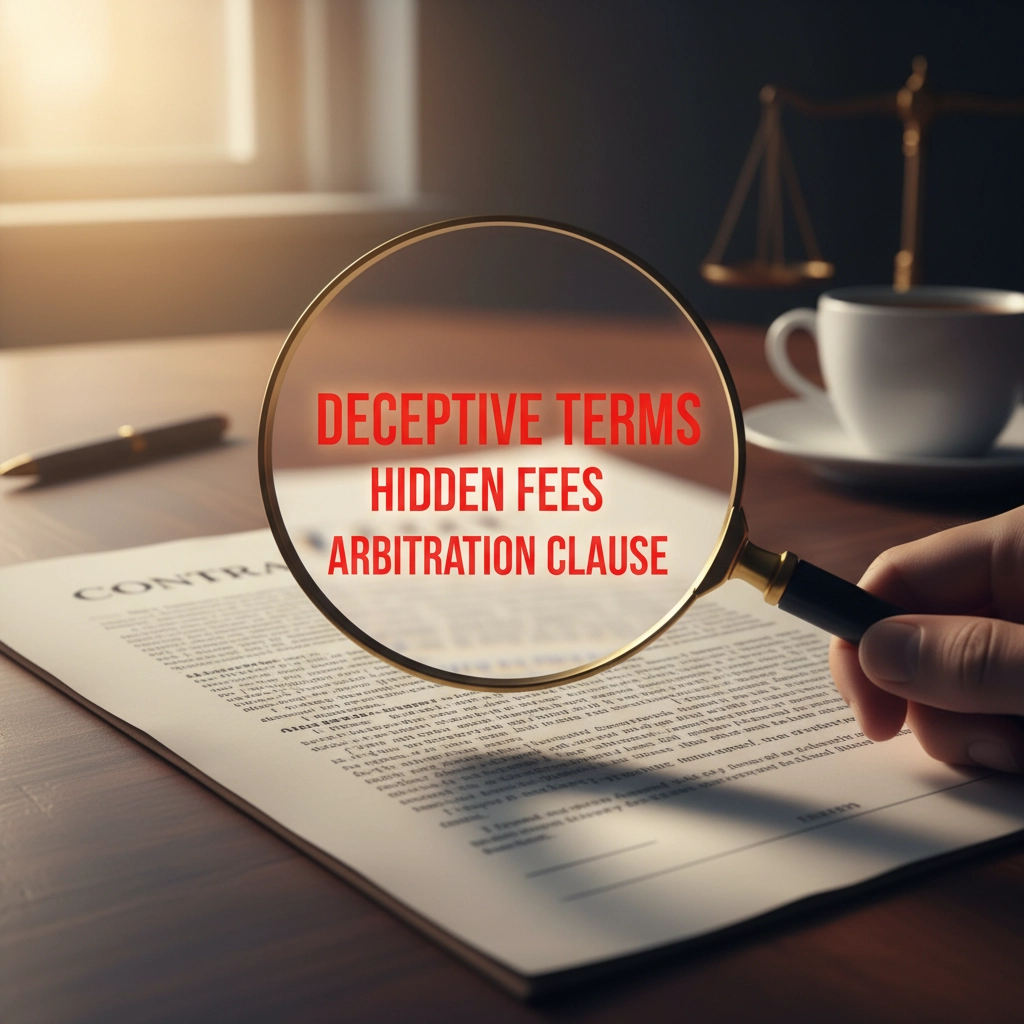
Telecom billing and contracts are often complex and difficult for consumers to understand. This can lead to a variety of problems, including overbilling, hidden fees, and unauthorized charges. Overbilling occurs when a telecom company charges a customer for services that they did not use or that were not agreed upon. Hidden fees are charges that are not clearly disclosed in the contract or advertising materials. Unauthorized charges are charges that are added to a customer’s bill without their consent. In addition to billing issues, telecom contracts often contain unfair terms, such as lengthy contract durations, automatic renewal clauses, and high early termination fees. These terms can make it difficult for consumers to switch providers or cancel their service, even if they are dissatisfied with the service.
Fighting Overbilling and Hidden Fees
If you believe that you have been overbilled or charged hidden fees by your telecom provider, there are several steps you can take to fight back. First, carefully review your bill and compare it to your contract and advertising materials. If you find any discrepancies, contact your telecom provider and explain the issue. Be sure to keep a record of all communications with the provider. If you are not satisfied with the provider’s response, you can file a complaint with the Commission for Complaints for Telecom-television Services (CCTS). The CCTS is an independent organization that investigates and resolves complaints about telecom and television services. You can also consult with a lawyer who specializes in telecom law to understand your legal rights and options.
Key Elements of a Telecom Class Action Lawsuit
A telecom class action lawsuit typically involves several key elements. First, the representative plaintiff must demonstrate that the proposed class meets the requirements for certification, including that there is a common issue among the class members, that a class action is the preferable method for resolving the claims, and that the representative plaintiff can adequately represent the interests of the class. Second, the plaintiffs must prove that the telecom company engaged in unfair or deceptive business practices, such as overbilling, hidden fees, or misleading advertising. This may involve expert testimony from economists or industry analysts who can analyze the company’s billing practices and advertising materials. Third, the plaintiffs must demonstrate that they suffered harm as a result of the company’s actions. This may involve providing evidence of financial losses or other damages.
Recent Telecom Class Action Cases in Canada
Canada has seen a number of telecom class action lawsuits in recent years. These lawsuits have targeted a variety of unfair and deceptive business practices, including overbilling, hidden fees, and misleading advertising. In some cases, settlements have been reached that provide compensation to class members and require the telecom company to change its business practices. These cases serve as a reminder to telecom companies of the importance of fair and transparent billing practices and the potential legal consequences of engaging in unfair or deceptive business practices. They also highlight the role of telecom class action lawsuits in protecting the rights of consumers and ensuring that telecom companies are held accountable for their actions.
Conclusion: Ensuring Fairness and Transparency in Telecom Services
Telecom class action lawsuits play a crucial role in ensuring fairness and transparency in the telecom industry. They provide a mechanism for consumers to collectively challenge unfair and deceptive business practices and seek compensation for their losses. By participating in a class action, consumers can send a strong message to telecom companies that they will not tolerate overbilling, hidden fees, or misleading advertising. It is important for consumers to be aware of their rights and to take steps to protect themselves from unfair business practices. Consulting with a lawyer who specializes in telecom law can help individuals understand their legal rights and options and navigate the complex legal landscape.
Automotive Class Action Lawsuits in Canada
Introduction to Automotive Class Actions
Automotive class action lawsuits in Canada address defects, recalls, and other issues that affect a large number of vehicle owners. These lawsuits can arise from a variety of problems, including safety defects, performance issues, and false advertising. They provide a legal avenue for vehicle owners to collectively seek compensation for their losses and hold automakers accountable for their actions. Automotive class actions play a crucial role in protecting consumers and ensuring that automakers prioritize safety and quality.
Understanding Automotive Recalls and Defects
Automotive recalls are issued when a vehicle or component is found to have a safety defect that could pose a risk to drivers, passengers, or other road users. Automakers are required to notify Transport Canada of any safety defects and to issue a recall to repair the problem. Defects can range from minor issues, such as faulty windshield wipers, to major problems, such as defective airbags or brakes. In addition to safety defects, vehicles can also have performance issues that affect their reliability or fuel efficiency. These issues may not be safety-related, but they can still cause significant inconvenience and financial losses for vehicle owners.
Your Legal Options in Case of a Recall or Defect
If your vehicle is subject to a recall, you should take it to an authorized dealership as soon as possible to have the defect repaired free of charge. If you have experienced problems with your vehicle that are not subject to a recall, you may still have legal options. You can file a complaint with Transport Canada or your provincial consumer protection agency. You can also consult with a lawyer who specializes in automotive law to understand your legal rights and options. A lawyer can help you assess whether you have a claim for breach of warranty, negligence, or other legal theories. If a large number of vehicle owners have experienced similar problems with the same vehicle, a class action lawsuit may be an appropriate option.
Key Elements of an Automotive Class Action Lawsuit
An automotive class action lawsuit typically involves several key elements. First, the representative plaintiff must demonstrate that the proposed class meets the requirements for certification, including that there is a common issue among the class members, that a class action is the preferable method for resolving the claims, and that the representative plaintiff can adequately represent the interests of the class. Second, the plaintiffs must prove that the vehicle defect existed and that it caused them harm. This may involve expert testimony from engineers or automotive experts who can analyze the vehicle’s design and performance. Third, the plaintiffs must demonstrate that they suffered damages as a result of the defect. This may involve providing evidence of repair costs, diminished vehicle value, or personal injuries.
Recent Automotive Class Action Cases in Canada
Canada has seen a number of automotive class action lawsuits in recent years. These lawsuits have targeted a variety of defects and issues, including defective airbags, faulty transmissions, and misleading fuel economy claims. In some cases, settlements have been reached that provide compensation to class members and require the automaker to repair the defective vehicles or offer other remedies. These cases serve as a reminder to automakers of the importance of vehicle safety and quality and the potential legal consequences of selling defective vehicles. They also highlight the role of automotive class action lawsuits in protecting the rights of consumers and ensuring that automakers are held accountable for their actions.
Conclusion: Advocating for Vehicle Safety and Consumer Rights
Automotive class action lawsuits are an important tool for advocating for vehicle safety and protecting consumer rights. They provide a mechanism for vehicle owners to collectively seek compensation for their losses and hold automakers accountable for their actions. By participating in a class action, consumers can send a strong message to automakers that they will not tolerate unsafe vehicles or misleading marketing practices. It is important for vehicle owners to be aware of their rights and to take steps to protect themselves if they experience problems with their vehicles. Consulting with a lawyer who specializes in automotive law can help individuals understand their legal rights and options and navigate the complex legal landscape.