
Class actions in Canada serve as a powerful tool for individuals who have suffered similar harm as a result of the same wrongful conduct. While some class actions are broad in scope, others are highly specialized, focusing on specific areas of law and types of harm. These specialized class actions address unique challenges and often involve vulnerable or marginalized groups. They play a crucial role in holding institutions and corporations accountable and securing meaningful remedies for those affected. This exploration delves into several key types of specialized class actions in Canada, including those concerning Indigenous rights, disability rights, pension disputes, human rights violations, and construction defects, highlighting their significance in the Canadian legal landscape.


Indigenous Rights Class Actions
Indigenous rights class actions in Canada address historical and ongoing injustices suffered by First Nations, Inuit, and Métis peoples. These actions often involve claims related to breaches of treaty obligations, residential school abuse, discrimination in the provision of essential services, and the mismanagement of Indigenous lands and resources. A central challenge in these cases is demonstrating systemic harm and establishing a causal link between government policies or corporate actions and the resulting damages. Successful Indigenous rights class actions can lead to significant compensation for affected communities, as well as systemic changes aimed at preventing future harm and promoting reconciliation. For example, class actions have been brought against the federal government and various religious organizations for the abuse suffered by Indigenous children at residential schools. These actions have not only provided financial compensation but have also brought to light the devastating impact of these institutions on Indigenous families and communities. Another example includes class actions related to the “Sixties Scoop,” where Indigenous children were taken from their families and placed in non-Indigenous foster homes, resulting in the loss of their cultural identity and connection to their communities. These cases highlight the importance of class actions in addressing historical injustices and promoting healing and reconciliation. Moreover, Indigenous rights class actions have been used to challenge discriminatory practices in the provision of services, such as healthcare and education, and to ensure that Indigenous communities have access to the same opportunities as other Canadians.
Disability Rights Class Actions
Disability rights class actions aim to protect the rights and promote the inclusion of Canadians with disabilities. These actions often involve claims of discrimination in employment, housing, transportation, and access to services. They can also address systemic barriers that prevent individuals with disabilities from fully participating in society. A key challenge in these cases is demonstrating that the discrimination or barriers are systemic and affect a significant number of people with disabilities. Successful disability rights class actions can lead to changes in policies and practices, as well as the provision of accommodations and support services that enable individuals with disabilities to live independently and participate fully in community life. For example, class actions have been brought against employers for failing to provide reasonable accommodations to employees with disabilities, such as modified work schedules or assistive technology. These actions have helped to ensure that individuals with disabilities have equal opportunities in the workplace and are not discriminated against based on their disability. Another example includes class actions related to accessibility barriers in public spaces, such as buildings, transportation systems, and websites. These actions have led to improvements in accessibility standards and the removal of barriers that prevent individuals with disabilities from accessing essential services and participating in community life. Furthermore, disability rights class actions have been used to challenge discriminatory practices in the provision of healthcare and social services, and to ensure that individuals with disabilities receive the support they need to live with dignity and independence.

Pension Class Actions
Pension class actions are typically initiated by plan members who allege that their pension benefits have been unfairly reduced, mismanaged, or otherwise compromised. These actions often involve complex legal and financial issues, requiring specialized expertise in pension law and actuarial science. A key challenge in these cases is demonstrating that the plan administrators or employers breached their fiduciary duties to the plan members. Successful pension class actions can lead to the restoration of lost benefits, as well as changes in the management of pension plans to prevent future harm. For example, class actions have been brought against employers who have allegedly mismanaged their pension plans, resulting in significant losses for plan members. These actions have helped to hold employers accountable for their actions and to ensure that plan members receive the retirement benefits they are entitled to. Another example includes class actions related to the improper calculation of pension benefits, where plan members have been underpaid due to errors in the calculation formulas or the interpretation of plan documents. These actions have led to the correction of errors and the payment of additional benefits to affected plan members. Moreover, pension class actions have been used to challenge changes to pension plans that unfairly reduce benefits for existing members, and to ensure that plan sponsors comply with their legal obligations to protect the interests of plan members.
Human Rights Class Actions
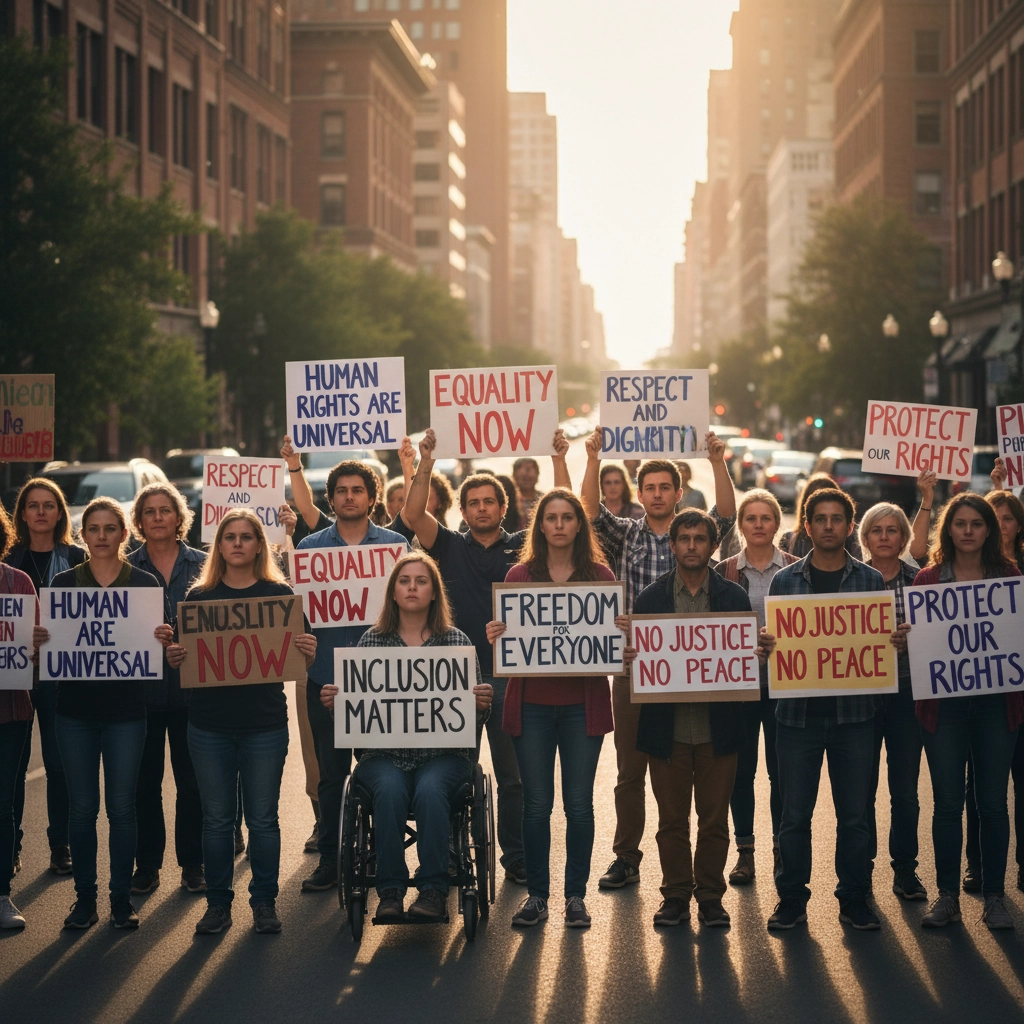
Human rights class actions address systemic discrimination and human rights violations affecting large groups of people. These actions can involve claims based on race, gender, religion, sexual orientation, age, or other protected grounds under human rights legislation. A key challenge in these cases is demonstrating that the discrimination or violations are systemic and affect a significant number of people. Successful human rights class actions can lead to changes in policies and practices, as well as the provision of remedies to those who have been harmed. For example, class actions have been brought against employers for systemic discrimination in hiring, promotion, or compensation practices. These actions have helped to identify and eliminate discriminatory barriers in the workplace and to promote equal opportunities for all employees. Another example includes class actions related to discrimination in the provision of services, such as housing, healthcare, or education. These actions have led to improvements in access to services and the elimination of discriminatory practices. Furthermore, human rights class actions have been used to challenge discriminatory laws and policies, and to ensure that the rights of vulnerable groups are protected under the law. These cases often involve complex legal and social issues, and require a deep understanding of human rights principles and the impact of discrimination on individuals and communities.

Construction Defect Class Actions
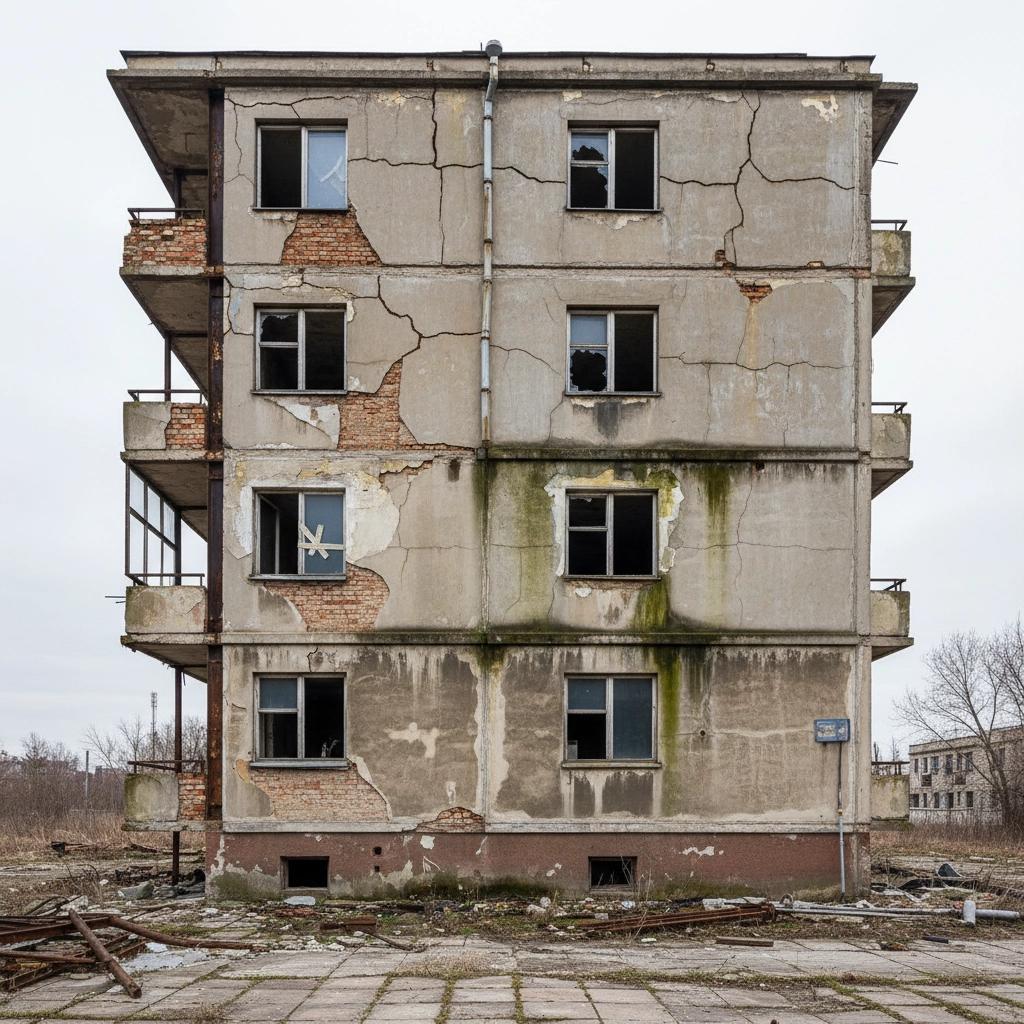
Construction defect class actions are typically brought by homeowners or condominium owners who allege that their properties have been damaged as a result of defective construction. These actions often involve claims against developers, builders, contractors, and suppliers of building materials. A key challenge in these cases is demonstrating that the defects are widespread and affect a significant number of properties. Successful construction defect class actions can lead to the repair of the defects, as well as compensation for the resulting damages. For example, class actions have been brought against developers for defects in the construction of condominiums, such as leaky roofs, faulty electrical systems, or structural problems. These actions have helped to ensure that developers are held accountable for the quality of their work and that homeowners are compensated for the costs of repairing the defects. Another example includes class actions related to the use of defective building materials, such as drywall or siding, which have caused damage to properties and health problems for residents. These actions have led to the removal of the defective materials and the restoration of the affected properties. Moreover, construction defect class actions have been used to challenge substandard building practices and to ensure that builders comply with building codes and regulations. These cases often involve complex technical and legal issues, and require the expertise of engineers, architects, and construction lawyers.
Specialized class actions play a vital role in addressing unique and complex legal challenges in Canada. They provide a means for individuals who have suffered similar harm to come together and seek justice against powerful institutions and corporations. Whether it’s advocating for Indigenous rights, protecting the rights of people with disabilities, safeguarding retirement funds, combating systemic discrimination, or holding developers accountable for construction defects, these specialized class actions are essential for promoting fairness, equality, and accountability in Canadian society. As the legal landscape continues to evolve, these actions will likely remain an important tool for ensuring that the rights of all Canadians are protected and that those who have been wronged have access to justice.