


Historical Injustices and Legal Avenues
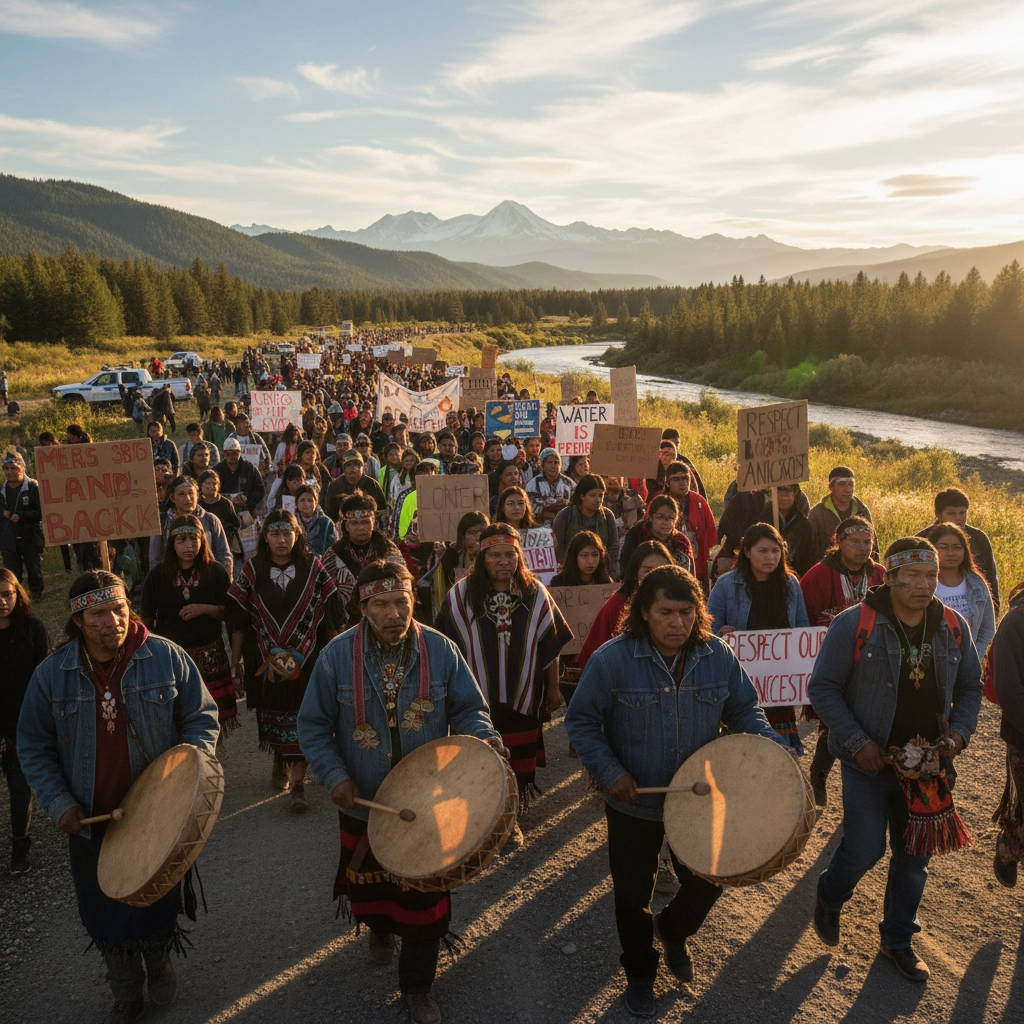
Class action lawsuits have emerged as a significant legal avenue for Indigenous communities in Canada seeking redress for historical and ongoing injustices. These legal actions often stem from a complex web of grievances related to land rights, resource exploitation, cultural destruction, and systemic discrimination. The history of colonization, treaties, and government policies has created a legacy of harm that continues to affect Indigenous peoples across the country. Class actions provide a mechanism for addressing these widespread issues on a collective basis, allowing numerous individuals with similar claims to join together and pursue justice more effectively than if they were to litigate individually. This approach is particularly important in cases where the harm suffered is diffuse or where individual claimants may lack the resources to pursue litigation on their own. The use of class actions in Indigenous rights cases reflects a broader trend toward recognizing and addressing historical injustices through legal means, and it underscores the importance of the legal system in holding governments and corporations accountable for their actions.

Land Claims and Resource Exploitation
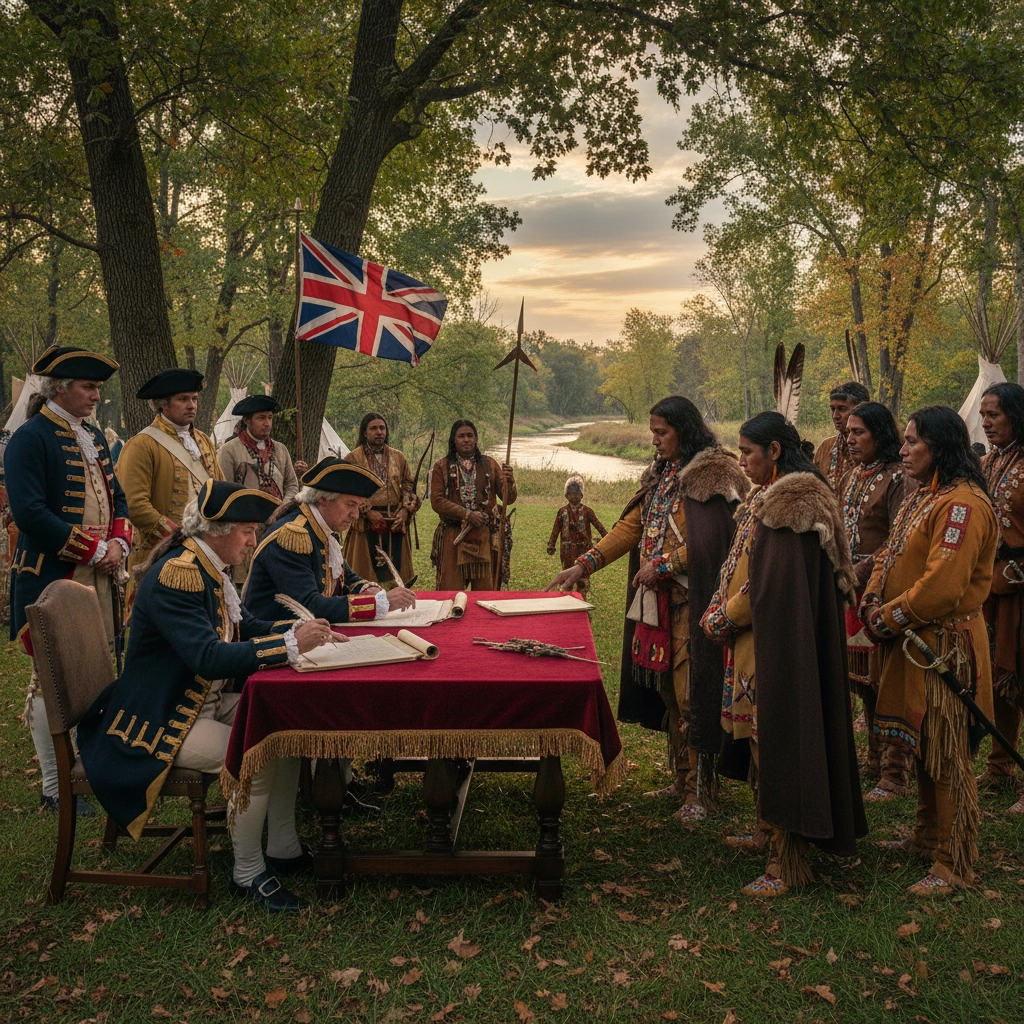
Land rights and resource disputes are central to many Indigenous class action claims in Canada. Historically, treaties signed between the Crown and Indigenous nations often involved promises of land protection, resource sharing, and self-governance. However, these promises have frequently been broken, leading to disputes over land ownership, resource extraction, and environmental degradation. Class action lawsuits have been filed to challenge government policies and corporate practices that infringe upon Indigenous land rights, such as logging, mining, and pipeline construction. These claims often allege that governments have failed to adequately consult with Indigenous communities before approving resource development projects, or that corporations have violated environmental regulations and caused harm to Indigenous lands and resources. The legal arguments in these cases often rely on treaty rights, Aboriginal title, and the fiduciary duty of the Crown to protect Indigenous interests. Successful land rights class actions can result in significant financial compensation, land transfers, and changes to government policies related to resource management. Furthermore, these lawsuits can empower Indigenous communities to assert greater control over their traditional territories and to participate more meaningfully in decisions affecting their lands and resources.
Residential School Litigation and Compensation
One of the most prominent examples of Indigenous class action lawsuits in Canada is the litigation related to residential schools. For over a century, Indigenous children were forcibly removed from their families and communities and placed in residential schools operated by the government and various churches. These schools were designed to assimilate Indigenous children into Euro-Canadian society, and they often subjected students to physical, sexual, and emotional abuse. The residential school system had a devastating impact on Indigenous communities, contributing to the loss of language, culture, and family structures. In the late 1990s and early 2000s, a number of class action lawsuits were filed on behalf of residential school survivors, seeking compensation for the harms they suffered. These lawsuits culminated in the Indian Residential Schools Settlement Agreement, which was the largest class action settlement in Canadian history. The settlement provided for individual compensation payments to survivors, as well as funding for healing programs, commemoration activities, and the Truth and Reconciliation Commission of Canada. While the settlement was a significant step toward acknowledging the injustices of the residential school system, it also faced criticism for its limitations and its impact on survivors. The settlement process was complex and emotionally challenging for many survivors, and some argued that the compensation provided was inadequate to address the long-term effects of the abuse they suffered. Despite these challenges, the residential school class actions and the resulting settlement agreement have played a crucial role in raising awareness of the history of residential schools and promoting reconciliation between Indigenous and non-Indigenous Canadians.


Legal Challenges and Procedural Hurdles
Navigating the legal complexities of Indigenous class action litigation in Canada presents numerous challenges. One significant hurdle is the requirement for certification, which involves demonstrating that the proposed class meets certain criteria, such as commonality of issues and the existence of a representative plaintiff. In Indigenous rights cases, establishing commonality can be difficult due to the diversity of Indigenous communities and the varied experiences of individual claimants. Another challenge is the application of limitation periods, which set deadlines for filing lawsuits. Historical injustices may have occurred many years ago, making it difficult to bring claims within the prescribed timeframes. The Crown often raises defenses based on limitation periods, arguing that claims are time-barred. Proving causation can also be complex, particularly in cases involving environmental damage or cultural loss. Establishing a direct link between specific actions and the harm suffered by Indigenous communities may require extensive expert evidence and historical research. Furthermore, the costs of litigation can be a significant barrier to Indigenous communities seeking to pursue class action claims. Legal fees, expert witness fees, and other expenses can be substantial, and Indigenous communities may lack the resources to fund lengthy and complex legal battles. Access to justice funding and pro bono legal services are often essential for enabling Indigenous communities to pursue their claims effectively. Overcoming these legal challenges requires a combination of legal expertise, cultural sensitivity, and a commitment to advocating for Indigenous rights.
Indigenous Law and Legal Traditions
The role of Indigenous law in class action claims is increasingly recognized as an important aspect of Canadian jurisprudence. Indigenous legal traditions, including customary laws, oral histories, and traditional knowledge, can provide valuable evidence and context in these cases. Courts are increasingly willing to consider Indigenous perspectives and to incorporate Indigenous legal principles into their decision-making. For example, in land rights cases, Indigenous oral histories can be used to establish Aboriginal title and to demonstrate the historical connection of Indigenous communities to their traditional territories. In environmental cases, traditional ecological knowledge can provide insights into the impact of pollution and resource extraction on Indigenous lands and resources. The recognition of Indigenous law in class action claims reflects a broader trend toward reconciliation and the accommodation of Indigenous legal systems within the Canadian legal framework. However, challenges remain in integrating Indigenous law into the legal process. Courts may struggle to understand and apply Indigenous legal principles, particularly when they conflict with common law or statutory law. Ensuring that Indigenous communities have the resources and expertise to present their legal traditions effectively is crucial for promoting a more just and equitable legal system. The ongoing dialogue between Indigenous law and Canadian law is essential for addressing historical injustices and advancing Indigenous rights in Canada.

Conclusion: Pursuing Justice Through Collective Action
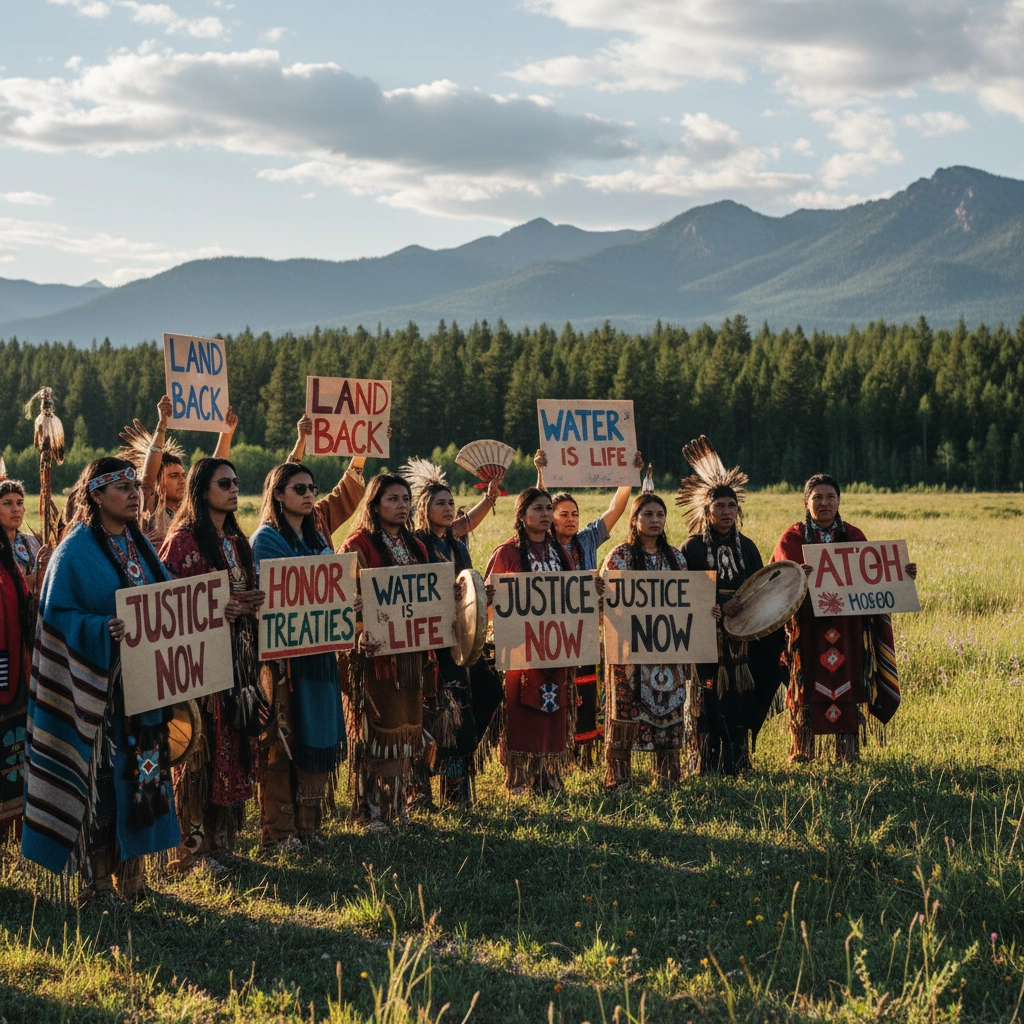
Class action lawsuits represent a powerful tool for Indigenous communities in Canada seeking redress for historical and ongoing injustices. These legal actions provide a mechanism for addressing widespread harm, asserting Indigenous rights, and holding governments and corporations accountable. While navigating the legal complexities of Indigenous class action litigation can be challenging, the potential for achieving meaningful change and promoting reconciliation makes this approach an important avenue for pursuing justice. The ongoing recognition of Indigenous law and the commitment to addressing historical grievances are essential for creating a more equitable and just society for all Canadians. The future of Indigenous rights litigation will likely involve continued efforts to refine legal strategies, strengthen partnerships between Indigenous communities and legal professionals, and promote greater understanding and respect for Indigenous legal traditions. Ultimately, class action lawsuits can serve as a catalyst for positive change, empowering Indigenous communities to shape their own destinies and to protect their lands, cultures, and rights.