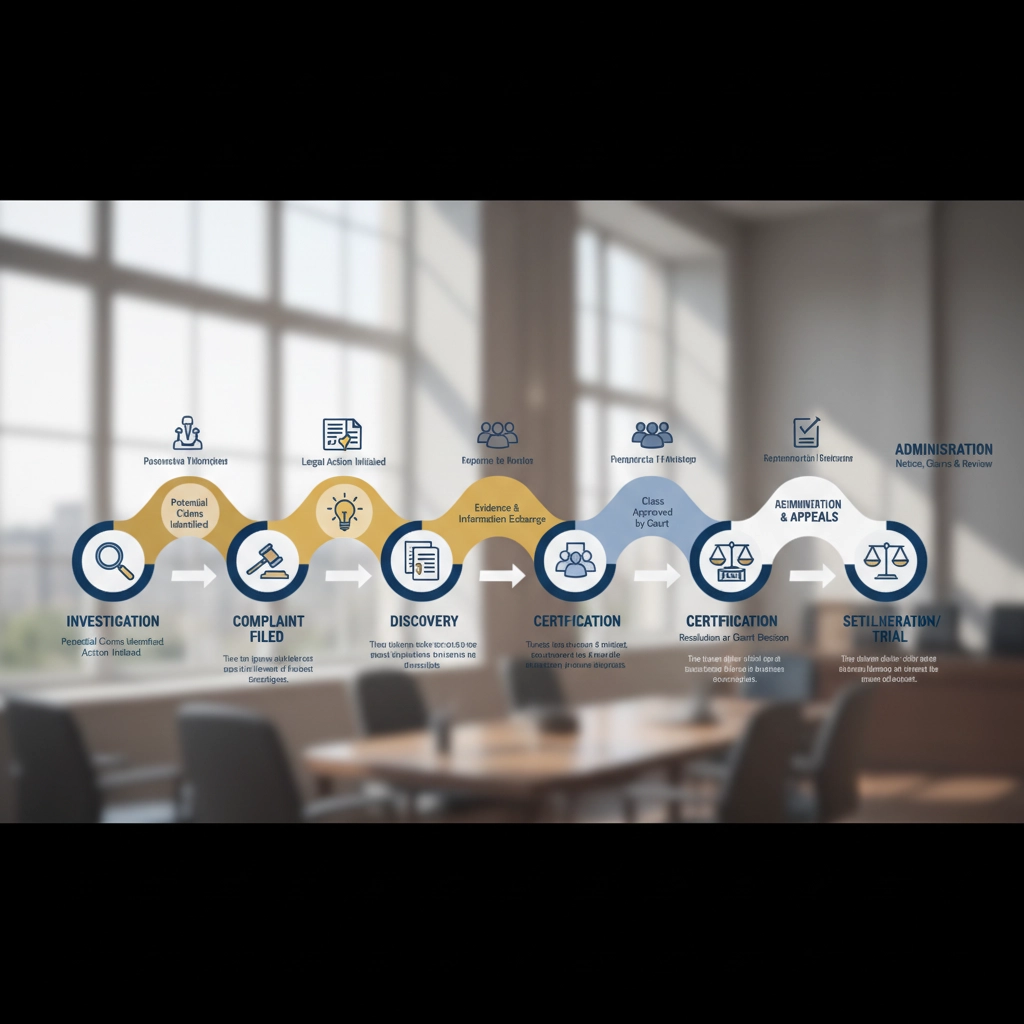
Understanding the timeline of a class action lawsuit in Canada is crucial for anyone considering joining one or initiating such legal action. Class action lawsuits are complex and can span several years, involving multiple stages from initial filing to final settlement distribution. This overview will break down the typical phases, factors influencing the duration, and key milestones to anticipate.


How Long Class Actions Actually Take
Class action lawsuits in Canada do not have a fixed timeline. Generally, they can take anywhere from a few years to over a decade to resolve. The duration depends on the complexity of the case, the number of plaintiffs involved, the responsiveness of the defendants, and the court’s schedule. Some cases are relatively straightforward and can be settled within three to five years, while others involving intricate legal issues or numerous parties may drag on for much longer. It’s important to remember that each case is unique, and the timeline can vary significantly. Initial assessment, investigation, and preparation can take several months to a year before a case is even filed. Following the filing, the certification process, which determines whether the case can proceed as a class action, can add another year or two. Discovery, motions, and negotiations can further extend the timeline.
Key Stages and Their Timelines
The life cycle of a class action can be broken down into several key stages, each with its own estimated timeframe. First, there is the investigation and preparation phase, where lawyers assess the merits of the potential case and gather evidence. This can take several months to a year. Next is the commencement and certification phase, where the lawsuit is formally filed, and the court decides whether it meets the criteria to proceed as a class action. This phase often lasts one to two years. The discovery phase follows, where both sides exchange information and documents, which can take another one to two years, or longer depending on the complexity. Settlement negotiations can occur at any point, but often intensify after discovery. If a settlement is reached, the court must approve it, and the notice must be given to class members. This process can take several months. If no settlement is reached, the case proceeds to trial, which can add several more years to the timeline, including potential appeals. Finally, there is the claims administration and distribution phase, where eligible class members file claims, and the settlement funds are distributed. This phase typically takes several months to a year after settlement approval.

Factors Influencing the Speed
Several factors can either expedite or delay the class action process. A significant factor is the complexity of the case. Cases involving complex legal issues, scientific evidence, or numerous plaintiffs often take longer. The responsiveness and cooperation of the defendant(s) also play a crucial role. If the defendant is willing to engage in settlement negotiations early on and provide information promptly, the case can proceed more quickly. However, if the defendant resists discovery or raises numerous legal challenges, the timeline can be significantly extended. Court schedules and backlogs also impact the timeline. Overcrowded court dockets can lead to delays in hearings and trials. The experience and resources of the legal teams involved are also important. Experienced lawyers with adequate resources can often navigate the process more efficiently. Finally, the presence of parallel proceedings, such as related lawsuits or regulatory investigations, can also affect the timeline.
Common Causes for Delays
Numerous factors can cause delays in class action lawsuits. One of the most common is extensive discovery, especially when dealing with large volumes of documents or complex data. Disputes over the scope of discovery or the admissibility of evidence can also lead to delays. Another frequent cause of delay is challenges to class certification. Defendants often argue that the case does not meet the criteria for class certification, leading to lengthy legal battles. Motion practice, where parties file various motions with the court, can also add to the timeline. These motions can address a wide range of issues, from procedural matters to substantive legal arguments. Appeals are another potential source of delay. If either party is unhappy with a court ruling, they may appeal it, which can add months or even years to the process. Settlement negotiations can also stall, especially if the parties have significantly different views on the value of the case. Finally, administrative issues, such as court scheduling conflicts or delays in issuing court orders, can also contribute to the timeline.


Expediting Your Claim: Is It Possible?
While you cannot directly expedite the overall class action lawsuit, there are steps you can take to ensure your individual claim is processed efficiently once a settlement is reached. First, stay informed about the case and any deadlines. You can do this by monitoring the class action website, subscribing to updates from the class counsel, or contacting the claims administrator. Gather and organize all relevant documents and information that support your claim. This may include receipts, contracts, medical records, or other evidence. Be prepared to file your claim promptly once the claims process opens. Missing deadlines can result in your claim being rejected. Follow the instructions provided by the claims administrator carefully and provide all required information accurately. If you have any questions or concerns, contact the claims administrator for assistance. While you cannot control the pace of the overall lawsuit, being proactive and responsive can help ensure your claim is processed smoothly and efficiently. Remember that class counsel represents the class as a whole and cannot provide individual legal advice.
Understanding these factors and stages is vital for managing expectations and navigating the complexities of class action litigation. While the process can be lengthy and sometimes unpredictable, being informed can empower you to make the best decisions for your situation. By staying updated on the case’s progress, understanding the potential delays, and preparing your claim diligently, you can navigate the class action process with greater confidence. Ultimately, a realistic understanding of the timeline and potential challenges is essential for anyone involved in a class action lawsuit in Canada.
Class Action Lawsuit Milestones in Canada
Navigating a class action lawsuit in Canada involves understanding key milestones and deadlines. These markers signal progress and require specific actions from both plaintiffs and defendants. Being aware of these milestones is essential for anyone participating in or considering joining a class action, as they often have significant implications for the outcome and timeline of the case.
Filing the Claim and Initial Assessment
The first milestone in a class action lawsuit is the filing of the claim. This involves the representative plaintiff, through their lawyers, formally submitting a statement of claim to the court. The statement of claim outlines the allegations against the defendant, the legal basis for the claim, and the relief sought. Once the claim is filed, the court and the defendant are notified. The initial assessment phase begins, where the plaintiff’s lawyers evaluate the strength of the case and gather preliminary evidence. This may involve consulting with experts, interviewing potential witnesses, and reviewing relevant documents. The defendant will also conduct its own assessment of the claim and consider its legal options. This initial phase sets the stage for the subsequent stages of the class action. The timing for this phase can vary widely, lasting from a few months to over a year, depending on the complexity and availability of evidence.
Certification Hearing: The Green Light
The certification hearing is a crucial milestone in any class action lawsuit. At this hearing, the court decides whether the case meets the criteria to proceed as a class action. The plaintiff must demonstrate that there is an identifiable class of persons, that there are common issues among the class members, that a class action is the preferable procedure for resolving the claims, and that the representative plaintiff can adequately represent the interests of the class. The defendant will typically oppose certification, arguing that one or more of these criteria are not met. The certification hearing can be a lengthy and complex process, involving extensive legal arguments and evidence. If the court grants certification, the case can proceed as a class action. If the court denies certification, the case may be dismissed, or the plaintiff may have the option to appeal the decision. The certification hearing typically takes place within one to two years after the claim is filed.
Notice to Class Members
Once a class action is certified, the next milestone is providing notice to class members. This involves informing potential class members about the lawsuit and their rights. The notice must include information about the nature of the claim, the definition of the class, the options available to class members (such as opting out of the class action), and any deadlines for taking action. The notice must be reasonably accessible to class members, which may involve publishing it in newspapers, posting it online, or sending it directly to individuals. The court must approve the content and method of the notice. Providing notice to class members is essential to ensure that they have an opportunity to participate in the lawsuit and make informed decisions about their legal rights. The notice period typically lasts for several weeks or months.
Discovery and Evidence Gathering
The discovery phase is a significant milestone in a class action lawsuit. This involves both sides exchanging information and documents relevant to the case. The plaintiff and defendant may also conduct examinations for discovery, where they ask questions of each other under oath. The purpose of discovery is to gather evidence to support their respective positions. Discovery can be a lengthy and complex process, especially in cases involving large volumes of documents or complex data. Disputes often arise over the scope of discovery or the admissibility of evidence, which can lead to court intervention. The discovery phase can significantly impact the timeline and cost of the class action. This phase can take one to two years, or even longer, depending on the complexity of the case and the level of cooperation between the parties.
Settlement Negotiations and Approval
Settlement negotiations can occur at any point during a class action lawsuit, but often intensify after the discovery phase. The parties may engage in formal mediation or informal discussions to try to reach a settlement. If a settlement is reached, it must be approved by the court. The court will consider whether the settlement is fair, reasonable, and in the best interests of the class members. The court will also consider the views of class members who object to the settlement. If the court approves the settlement, it becomes binding on all class members who have not opted out of the class action. The settlement approval process typically takes several months.
Claims Administration and Distribution
The final milestone in a class action lawsuit is the claims administration and distribution phase. This involves processing the claims filed by class members and distributing the settlement funds. A claims administrator is typically appointed to manage this process. The claims administrator will review the claims, verify eligibility, and calculate the amount each class member is entitled to receive. The settlement funds are then distributed to the eligible class members. The claims administration and distribution phase can take several months to a year after the settlement is approved. This is the final stage where class members receive compensation for their damages.
Understanding these milestones provides a roadmap for navigating a class action lawsuit in Canada. Each milestone presents unique challenges and opportunities, and being prepared can help ensure a smoother and more successful outcome. By staying informed and actively participating in the process, class members can protect their rights and maximize their chances of receiving fair compensation.
Speeding Up Class Actions in Canada: Strategic Approaches
While class action lawsuits in Canada are often lengthy, there are strategies that can potentially expedite the process. These approaches involve proactive steps by both plaintiffs and defendants, as well as efficient case management by the court. Understanding these strategies can help streamline the litigation and lead to a more timely resolution.
Early Case Assessment and Preparation
One of the most effective ways to potentially speed up a class action is to conduct a thorough early case assessment and preparation. This involves the plaintiff’s lawyers carefully evaluating the merits of the case, gathering key evidence, and identifying potential legal challenges. By doing this upfront, the plaintiff can present a strong case for certification and minimize delays later on. The defendant should also conduct its own early assessment to understand the potential exposure and develop a strategic response. This may involve identifying potential defenses, assessing the strength of the plaintiff’s evidence, and considering early settlement options. A well-prepared case from the outset can help avoid unnecessary delays and streamline the litigation process. This phase should ideally be completed within the first few months of the claim being filed.
Cooperation and Information Sharing
Cooperation and information sharing between the parties can significantly expedite a class action lawsuit. This involves the parties agreeing to share relevant information and documents in a timely manner, without the need for extensive and costly discovery battles. The parties may also agree to use technology-assisted review (TAR) to efficiently process large volumes of documents. Cooperation can also extend to scheduling hearings and other court appearances. By working together, the parties can minimize delays and focus on the key issues in the case. However, it’s important to note that cooperation should not come at the expense of protecting one’s legal rights. Parties should carefully consider the implications of any agreement to share information.
Strategic Use of Motions
The strategic use of motions can also help expedite a class action lawsuit. Motions can be used to narrow the issues in the case, resolve procedural disputes, or challenge the admissibility of evidence. By filing well-focused and timely motions, the parties can streamline the litigation and avoid unnecessary delays. However, it’s important to use motions judiciously. Filing too many motions, or filing frivolous motions, can actually slow down the process and increase costs. The court also has the power to manage the motion practice and limit the number and scope of motions.
Effective Case Management by the Court
Effective case management by the court is crucial for expediting class action lawsuits. This involves the court actively managing the litigation process, setting deadlines, and resolving disputes promptly. The court may also encourage the parties to engage in mediation or other forms of alternative dispute resolution (ADR). The court can also streamline the litigation by bifurcating the trial, meaning separating the trial into different phases, such as liability and damages. By actively managing the case, the court can help ensure that it proceeds efficiently and without unnecessary delays. Judges with experience in class action litigation are particularly well-suited to manage these complex cases.
Early Settlement Discussions
Early settlement discussions can often lead to a quicker resolution of a class action lawsuit. If the parties are able to reach a settlement agreement early on, they can avoid the time and expense of protracted litigation. Settlement discussions may involve formal mediation or informal negotiations. The parties should carefully consider the potential benefits of settlement, including the avoidance of legal fees, the certainty of outcome, and the preservation of relationships. However, it’s important to ensure that any settlement agreement is fair, reasonable, and in the best interests of the class members. Early settlement is not always possible or desirable, but it should always be considered as a potential option.
Focusing on Key Issues
One of the best ways to expedite a class action lawsuit is to focus on the key issues in the case. This involves identifying the most important legal and factual issues and concentrating resources on those issues. By avoiding unnecessary distractions and focusing on the core issues, the parties can streamline the litigation and reach a resolution more quickly. The court can also play a role in focusing the issues by setting limits on discovery and motion practice. Focusing on key issues requires careful planning and strategic decision-making.
By implementing these strategies, it is possible to potentially expedite class action lawsuits in Canada. While there is no guarantee of a quick resolution, these approaches can help streamline the litigation process and lead to a more timely and efficient outcome. Ultimately, a collaborative and proactive approach by all parties involved is essential for achieving a faster resolution.
Navigating delays is part of understanding the timeline; strategic planning and cooperation can contribute to a more efficient process, but complexities inherent in class action litigation mean patience is still paramount. A proactive and informed approach remains the best way to manage expectations and work toward a favorable resolution.