



The interplay between government regulations and class action lawsuits in Canada is a complex and vital aspect of the legal landscape. Regulations set the standards and boundaries for various industries and activities, while class actions provide a mechanism for individuals who have suffered similar harm to seek redress collectively. Understanding how these two elements interact is crucial for businesses, consumers, and legal professionals alike. This content will explore the ways in which government regulations influence class action lawsuits in Canada, examining the roles of federal and provincial bodies, the impact of regulatory changes, the potential for actions against government entities, and strategies for regulatory compliance to avoid litigation.

Federal and Provincial Regulatory Frameworks
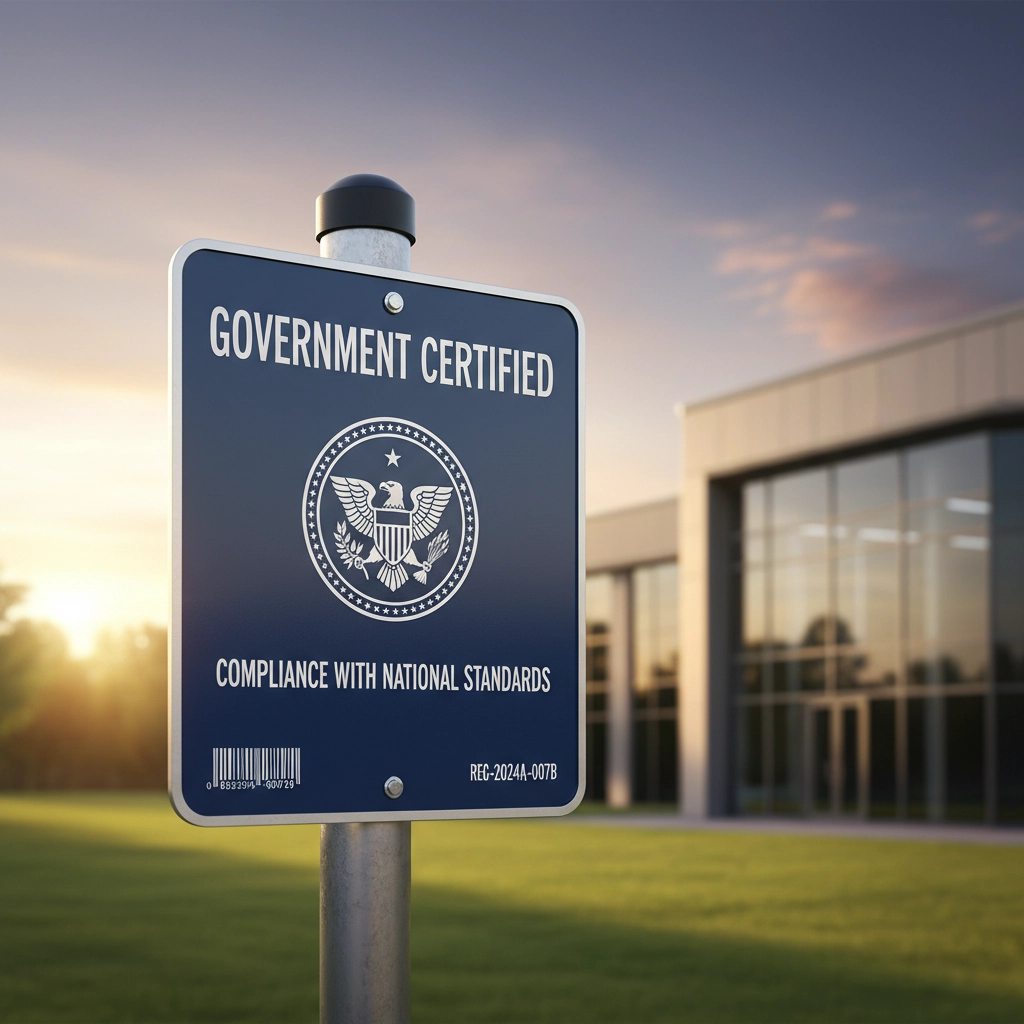
Canada’s regulatory environment is characterized by a division of powers between the federal and provincial governments. The federal government has jurisdiction over matters of national concern, such as interprovincial trade and commerce, criminal law, and certain aspects of environmental protection. Provincial governments, on the other hand, have authority over areas like property rights, healthcare, education, and intraprovincial trade. This division of powers extends to the realm of regulations, with both levels of government enacting laws and policies that can give rise to class action lawsuits. For instance, federal regulations governing product safety or consumer protection can be the basis for a national class action if a company violates those regulations and causes widespread harm. Similarly, provincial regulations concerning environmental standards or workplace safety can lead to class actions if breaches result in damages to individuals or property.
The Impact of Regulatory Violations
When a company violates government regulations, it can create a significant risk of class action litigation. Regulatory breaches often affect a large number of people, making a class action an efficient and effective way to seek compensation. For example, if a pharmaceutical company fails to comply with Health Canada’s drug safety regulations and a defective drug causes harm to many patients, those patients may band together to file a class action lawsuit. Similarly, if a manufacturer violates environmental regulations by releasing pollutants into the air or water, nearby residents may bring a class action to recover damages for health problems or property devaluation. The existence of clear regulatory standards makes it easier for plaintiffs to establish that a defendant has breached a duty of care, which is a key element in many negligence-based class actions. Furthermore, regulatory findings or enforcement actions can be used as evidence in class action proceedings to demonstrate a defendant’s culpability.


Consumer Protection and Regulatory Influence
Consumer protection regulations play a crucial role in shaping class action litigation in Canada. Both federal and provincial governments have enacted legislation aimed at protecting consumers from unfair business practices, deceptive advertising, and unsafe products. These regulations often provide consumers with specific rights and remedies, which can be enforced through class action lawsuits. For instance, the Competition Act prohibits anti-competitive behavior such as price-fixing and misleading advertising. If a company violates the Competition Act and consumers are overcharged as a result, they may bring a class action to recover damages. Similarly, provincial consumer protection laws often provide remedies for defective products or unfair contracts. If a company sells a defective product that causes widespread harm, consumers may file a class action to seek compensation for their losses. The existence of these consumer protection regulations not only empowers consumers but also creates a framework for holding companies accountable for their actions through class action litigation.
Environmental Regulations and Class Actions
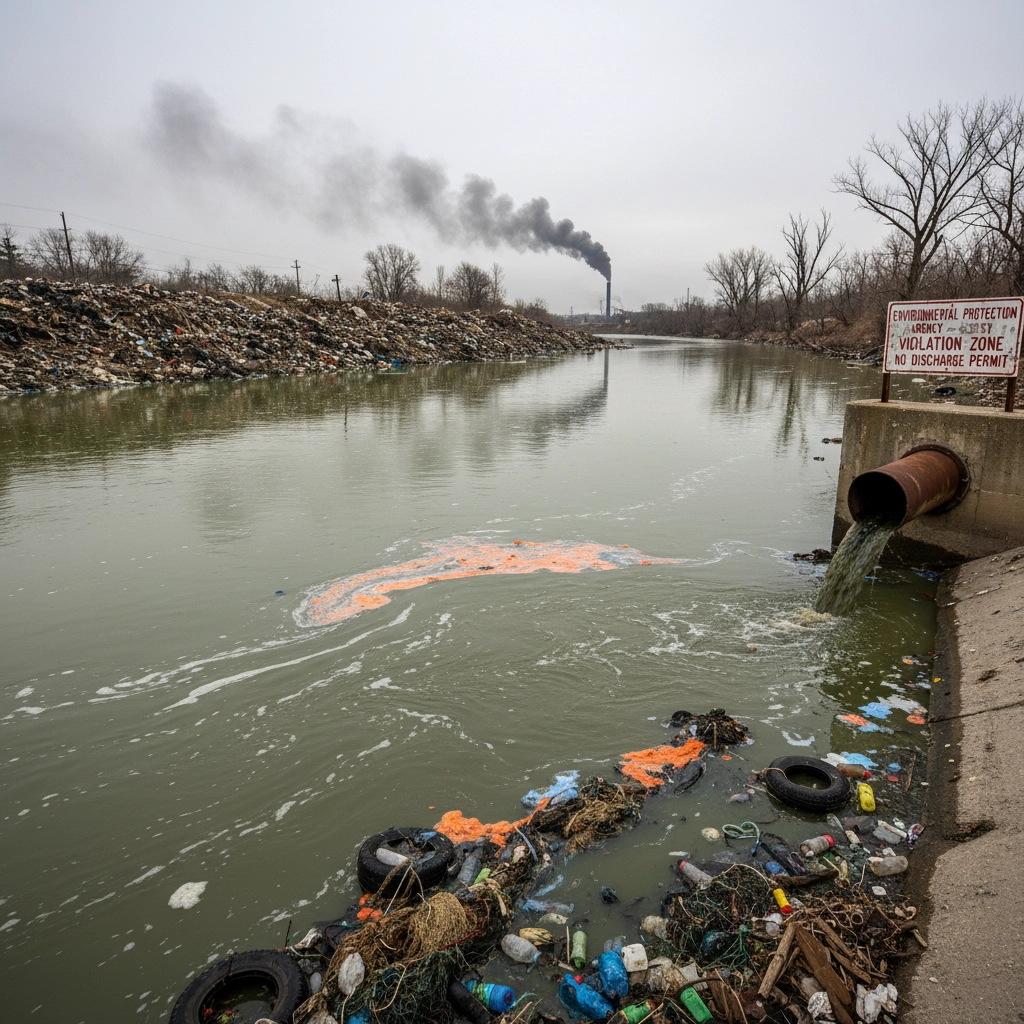
Environmental regulations are another area where government policies intersect with class action lawsuits in Canada. Both federal and provincial governments have enacted laws and regulations aimed at protecting the environment and preventing pollution. These regulations often set standards for air and water quality, waste management, and the handling of hazardous materials. When companies violate environmental regulations and cause environmental damage, they may face class action lawsuits from individuals or communities who have been affected. For example, if a mining company releases toxic chemicals into a river, downstream residents may bring a class action to recover damages for health problems, property damage, or loss of recreational opportunities. Similarly, if an oil company spills crude oil into the ocean, coastal communities may file a class action to seek compensation for economic losses and environmental remediation costs. Environmental class actions can be complex and challenging, often involving scientific evidence and expert testimony to establish causation and damages. However, they provide an important mechanism for holding companies accountable for environmental harm and ensuring that they comply with environmental regulations.

Holding Government Accountable
While class action lawsuits are typically brought against private companies, they can also be used to hold government entities accountable for their actions or omissions. Government regulations and policies can sometimes have unintended consequences that harm a large number of people. In such cases, class action lawsuits may be an appropriate way to seek redress. For example, if a government agency fails to adequately protect vulnerable individuals in its care, such as children in foster care or patients in mental health facilities, a class action may be brought on behalf of those individuals. Similarly, if a government enacts a policy that discriminates against a particular group of people, a class action may be filed to challenge the policy and seek compensation for the harm caused. Class actions against government entities can be particularly challenging, as they often involve complex legal and political issues. However, they play an important role in ensuring that governments are held accountable for their actions and that the rights of individuals are protected.
Regulatory Compliance: Avoiding Litigation
The best way for companies to avoid class action lawsuits is to ensure that they are in full compliance with all applicable government regulations. This requires a proactive approach to regulatory compliance, including staying informed about changes in the regulatory landscape, implementing robust compliance programs, and conducting regular audits to identify and address potential violations. Companies should also invest in training their employees on regulatory requirements and establishing clear lines of communication so that potential compliance issues can be reported and addressed promptly. In addition, companies should be transparent and cooperative with regulatory agencies, responding promptly and fully to any inquiries or investigations. By taking these steps, companies can minimize their risk of regulatory violations and reduce the likelihood of facing costly and time-consuming class action litigation.
The Canadian legal system provides a robust framework for addressing grievances through class action lawsuits, particularly when these grievances stem from violations of government regulations. The interaction between regulations and class actions serves as a crucial mechanism for accountability, ensuring that both private entities and government bodies adhere to established standards and protect the rights of individuals and communities. By understanding this interplay, businesses can proactively mitigate risks, consumers can effectively seek redress, and the legal system can continue to evolve in its pursuit of justice and fairness.