


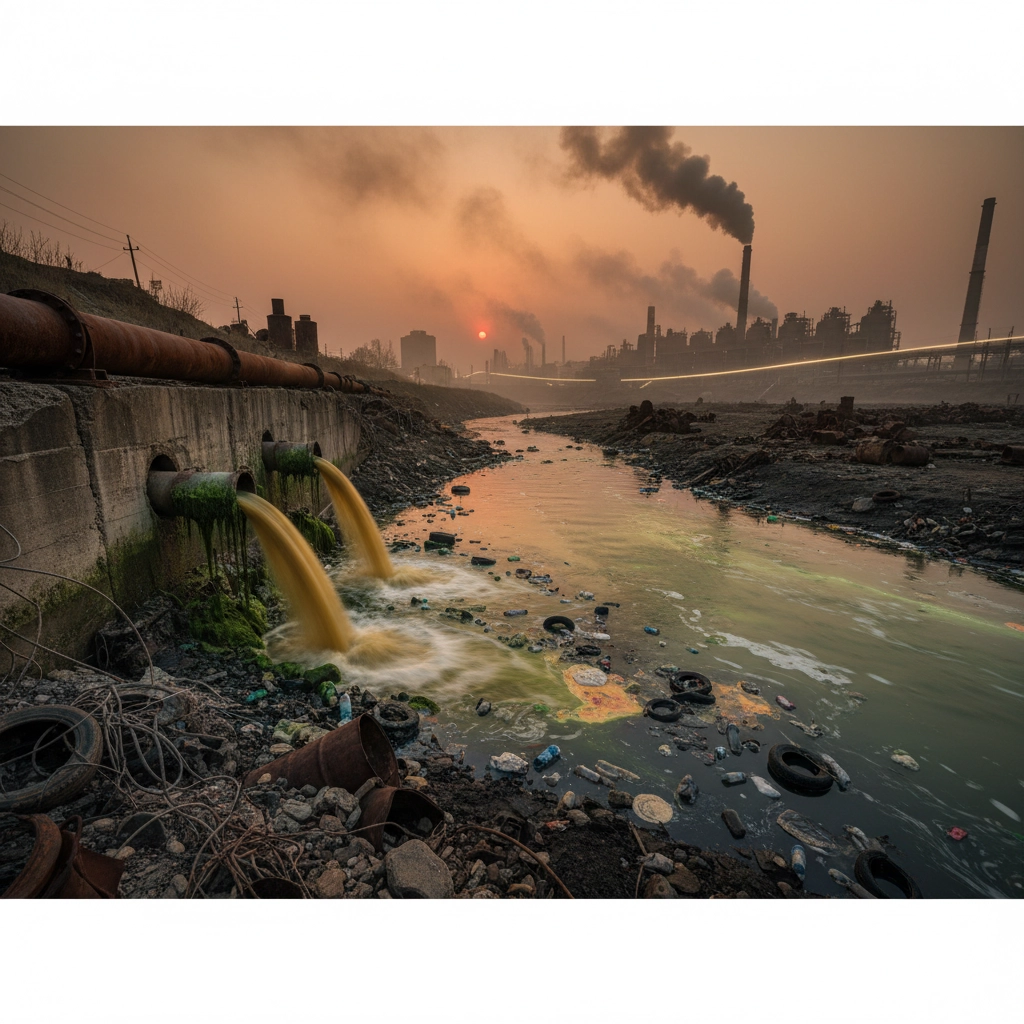
The Canadian landscape, with its vast natural resources and diverse ecosystems, faces significant environmental challenges. From industrial pollution to the impacts of climate change, these challenges often affect numerous individuals and communities simultaneously. In such situations, environmental class action lawsuits have emerged as a powerful legal tool, enabling affected parties to collectively seek justice and hold polluters accountable for their actions. This approach not only provides a means of redress for those harmed but also serves as a deterrent against future environmental damage, promoting corporate responsibility and environmental stewardship. This article explores the role of class actions in driving environmental justice in Canada, highlighting their significance in protecting our planet and safeguarding the rights of its inhabitants.

The Power of Collective Action
Environmental class action lawsuits consolidate individual claims into a single, more manageable case, addressing common issues and streamlining the legal process. This is particularly important in environmental cases, where the harm may be widespread and affect numerous individuals, each with relatively small damages. Without the mechanism of a class action, many of these individuals might not have the resources or incentive to pursue legal action on their own, allowing environmental wrongdoers to escape accountability. By pooling resources and sharing the costs of litigation, class actions empower plaintiffs to take on large corporations and government entities, leveling the playing field and ensuring that environmental harms are properly addressed. Furthermore, the collective nature of these lawsuits can raise public awareness of environmental issues, fostering a greater understanding of the impacts of pollution and other environmental hazards.
Proving Causation and Damages
One of the significant hurdles in environmental litigation is establishing a direct causal link between the defendant’s actions and the harm suffered by the plaintiffs. This can be particularly challenging in cases involving complex environmental processes, where the effects of pollution may be delayed or diffuse. Scientific evidence and expert testimony play a crucial role in establishing causation, and class action lawsuits allow plaintiffs to pool resources to obtain the necessary expertise and conduct thorough investigations. Similarly, proving damages in environmental cases can be complex, as the harm may involve both economic losses, such as decreased property values or lost income, and non-economic damages, such as pain and suffering or loss of enjoyment of life. Class actions provide a mechanism for assessing and quantifying these damages across a large group of individuals, ensuring that all affected parties receive fair compensation. Moreover, the deterrent effect of large damage awards in class action lawsuits can incentivize companies to invest in pollution prevention measures and adopt more sustainable practices.
Notable Environmental Class Actions in Canada
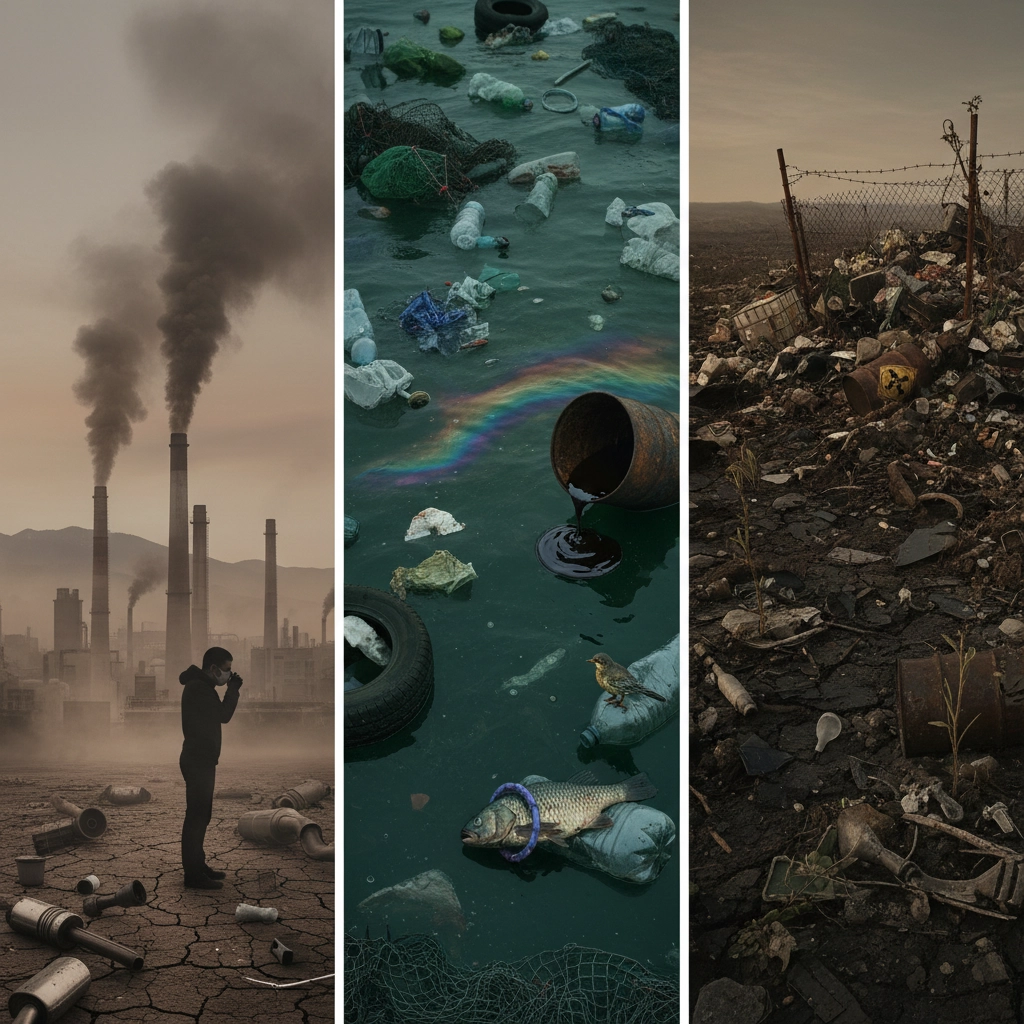
Several high-profile environmental class action lawsuits in Canada have demonstrated the effectiveness of this legal tool in achieving environmental justice. For example, cases involving industrial pollution from mining operations, oil spills, and chemical releases have resulted in significant settlements and remediation efforts. These lawsuits have not only provided compensation to affected communities but have also led to improvements in environmental regulations and corporate practices. In one notable case, a class action lawsuit was filed against a mining company for polluting a local waterway, leading to health problems and economic losses for nearby residents. The lawsuit resulted in a multi-million dollar settlement, which was used to fund medical monitoring programs, environmental cleanup efforts, and compensation for affected individuals. These cases highlight the important role of class action lawsuits in holding polluters accountable and ensuring that environmental harms are properly addressed.
Challenges and Limitations
Despite their potential, environmental class action lawsuits also face several challenges and limitations. One significant challenge is the complexity of environmental law and the scientific evidence required to prove causation and damages. These cases often involve lengthy and costly litigation, requiring specialized legal expertise and extensive scientific analysis. Another challenge is the difficulty of identifying and notifying all members of the affected class, particularly in cases involving widespread environmental contamination. In some cases, class action lawsuits may also be subject to legal challenges from defendants seeking to limit their liability or dismiss the claims altogether. Furthermore, the availability of funding for these lawsuits can be a barrier, as they often require significant financial resources to pursue. Despite these challenges, environmental class action lawsuits remain a valuable tool for achieving environmental justice in Canada.

The Future of Environmental Class Actions
As environmental awareness grows and the impacts of pollution and climate change become more evident, environmental class action lawsuits are likely to play an increasingly important role in Canada’s legal landscape. Emerging areas of focus include cases involving climate change-related damages, exposure to toxic substances, and the protection of endangered species and ecosystems. The development of new legal theories and the increasing availability of scientific data are also likely to strengthen the effectiveness of these lawsuits. Furthermore, advancements in technology, such as data analytics and environmental monitoring, can help to identify and quantify environmental harms, making it easier to establish causation and damages. As environmental law continues to evolve, class action lawsuits will remain a critical tool for holding polluters accountable and ensuring that environmental justice is served.
In conclusion, environmental class action lawsuits are a vital mechanism for protecting our planet and ensuring that those responsible for environmental damage are held accountable. By consolidating individual claims and pooling resources, these lawsuits empower plaintiffs to take on powerful corporations and government entities, leveling the playing field and promoting environmental justice. While challenges and limitations exist, the potential of environmental class action lawsuits to achieve meaningful change is undeniable. As environmental awareness grows and the impacts of pollution and climate change become more pronounced, these lawsuits will continue to play an increasingly important role in shaping Canada’s environmental future.
Toxic Exposure Class Actions: Understanding Your Rights and Seeking Compensation
Exposure to toxic substances can have devastating consequences for individuals and communities, leading to a range of health problems, economic losses, and emotional distress. In Canada, toxic exposure class action lawsuits provide a legal avenue for those harmed by such exposures to seek compensation and hold responsible parties accountable. These lawsuits address a wide range of situations, including industrial accidents, contaminated drinking water, and exposure to hazardous materials in the workplace or residential areas. Understanding your rights and the process for pursuing a toxic exposure class action is crucial for anyone who has been affected by toxic contamination.
Identifying Toxic Exposure and Its Health Effects
The first step in understanding your rights is to identify whether you have been exposed to a toxic substance and whether that exposure has caused you harm. Toxic substances can include a wide range of chemicals, heavy metals, and other hazardous materials, and exposure can occur through inhalation, ingestion, or skin contact. Common sources of toxic exposure include industrial facilities, contaminated sites, and consumer products. The health effects of toxic exposure can vary depending on the substance, the level and duration of exposure, and individual susceptibility. Some common health effects include respiratory problems, skin irritation, neurological disorders, and cancer. If you suspect that you have been exposed to a toxic substance and are experiencing health problems, it is important to seek medical attention and document your symptoms and medical history. Additionally, you should consult with an environmental lawyer to discuss your legal options.
Establishing Liability and Causation
In a toxic exposure class action lawsuit, the plaintiffs must establish that the defendant is liable for the toxic exposure and that the exposure caused their injuries. This requires proving that the defendant had a duty of care to prevent the exposure, that they breached that duty, and that the breach caused the plaintiffs’ harm. Establishing causation can be particularly challenging in toxic exposure cases, as the health effects may be delayed or difficult to link directly to the exposure. Scientific evidence and expert testimony play a crucial role in establishing causation, and plaintiffs may need to rely on epidemiological studies, toxicological data, and medical records to support their claims. Additionally, plaintiffs must demonstrate that they were exposed to the toxic substance and that the exposure was sufficient to cause their injuries. This may involve gathering evidence of the defendant’s activities, such as environmental monitoring data, facility records, and witness testimony.
The Class Action Process
The process for pursuing a toxic exposure class action lawsuit typically involves several stages. First, a representative plaintiff files a lawsuit on behalf of a class of individuals who have been similarly affected by the toxic exposure. The court must then certify the class, determining that the requirements for a class action are met. These requirements typically include numerosity (a sufficiently large number of class members), commonality (common issues of law or fact), typicality (the representative plaintiff’s claims are typical of the class), and adequacy (the representative plaintiff and class counsel can adequately represent the interests of the class). Once the class is certified, the lawsuit proceeds to discovery, where the parties exchange information and gather evidence. This may involve document production, depositions, and expert witness testimony. The case may then proceed to trial, where the plaintiffs must prove their claims to a judge or jury. Alternatively, the parties may reach a settlement agreement, which must be approved by the court.
Seeking Compensation and Remedies
If a toxic exposure class action lawsuit is successful, the plaintiffs may be entitled to compensation for their damages. These damages can include medical expenses, lost wages, pain and suffering, and property damage. In some cases, plaintiffs may also be entitled to punitive damages, which are intended to punish the defendant for egregious conduct and deter future wrongdoing. In addition to monetary compensation, toxic exposure class action lawsuits can also result in other remedies, such as environmental cleanup efforts, medical monitoring programs, and changes to the defendant’s practices to prevent future exposures. The specific remedies available will depend on the facts of the case and the applicable laws. It is important to consult with an environmental lawyer to understand the potential remedies available in your situation.
Notable Toxic Exposure Class Actions in Canada
Canada has seen several significant toxic exposure class action lawsuits that have resulted in substantial compensation and remediation efforts. These cases have involved a range of toxic substances, including asbestos, heavy metals, and industrial chemicals. For example, class action lawsuits have been filed against asbestos manufacturers for exposing workers and residents to asbestos, leading to mesothelioma and other asbestos-related diseases. Other cases have involved contaminated drinking water in First Nations communities, resulting in health problems and economic losses. These lawsuits have highlighted the importance of holding responsible parties accountable for toxic exposures and ensuring that affected communities receive the compensation and resources they need to recover.
Navigating Legal Challenges and Seeking Justice
Toxic exposure class action lawsuits can be complex and challenging, requiring specialized legal expertise and significant resources. Plaintiffs may face numerous legal obstacles, such as establishing causation, overcoming defenses raised by the defendant, and navigating complex procedural rules. It is essential to work with an experienced environmental lawyer who can guide you through the process and advocate for your rights. Additionally, it is important to document your exposure and health effects, gather relevant evidence, and stay informed about the progress of the lawsuit. By working together and pursuing justice collectively, individuals and communities affected by toxic exposures can hold responsible parties accountable and secure the compensation and remedies they deserve.
In conclusion, toxic exposure class action lawsuits are a critical legal tool for protecting the rights of individuals and communities harmed by toxic substances. Understanding your rights, establishing liability and causation, and navigating the class action process are essential steps in seeking compensation and holding responsible parties accountable. While these lawsuits can be complex and challenging, they offer a powerful means of achieving justice and promoting environmental health and safety. As environmental awareness grows and the impacts of toxic exposures become more evident, toxic exposure class action lawsuits will continue to play an important role in Canada’s legal landscape.
Climate Change Litigation: Exploring the Potential of Class Actions in Canada
Climate change presents one of the most pressing environmental challenges of our time, with far-reaching consequences for individuals, communities, and ecosystems. As the impacts of climate change become more pronounced, legal strategies are emerging to hold governments and corporations accountable for their contributions to the problem. Climate change litigation, including class action lawsuits, is gaining traction as a means of seeking compensation for climate-related damages and driving action to mitigate future climate risks. This article explores the potential of class actions in addressing climate change in Canada, examining the legal theories, challenges, and opportunities that lie ahead.
The Science of Climate Change and Legal Accountability
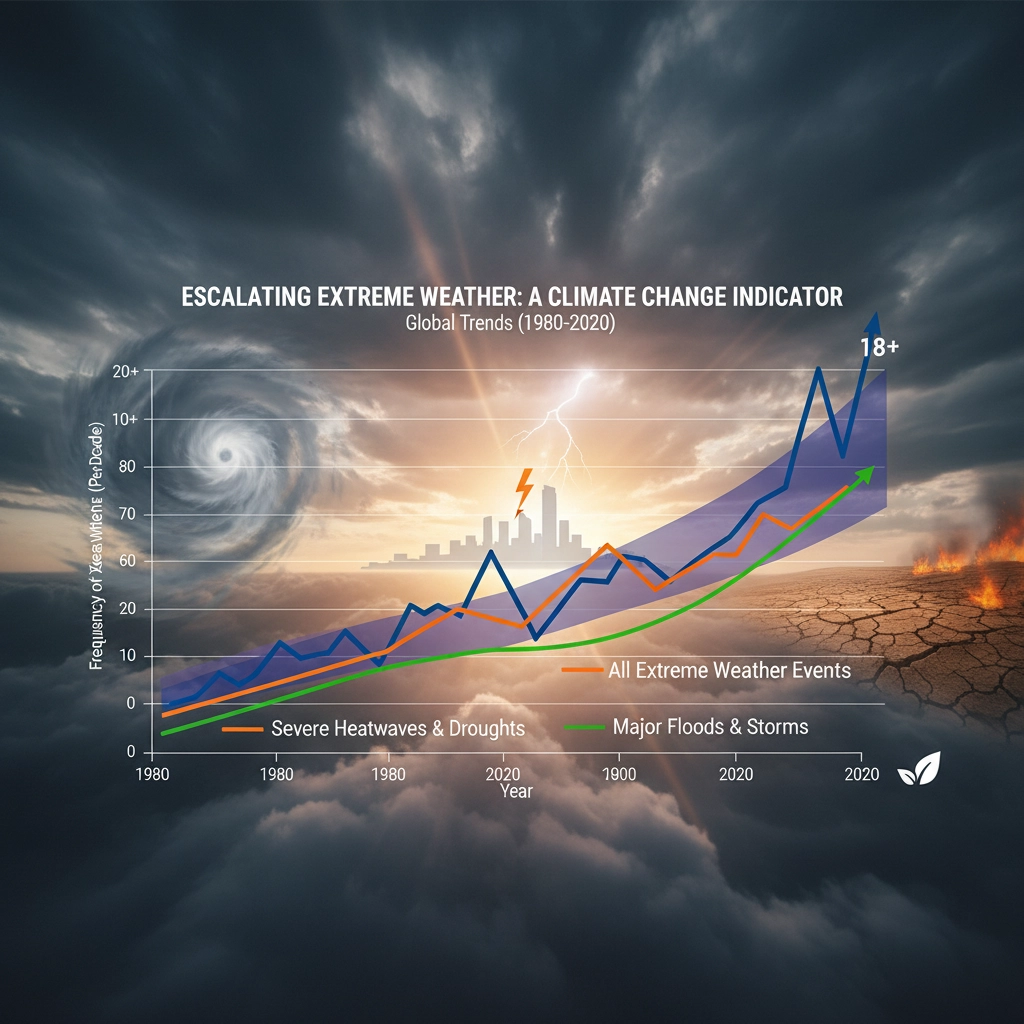
The scientific consensus on climate change is unequivocal: human activities, primarily the burning of fossil fuels, are causing the planet to warm at an unprecedented rate. This warming is leading to a range of impacts, including rising sea levels, more frequent and intense extreme weather events, and disruptions to ecosystems and agricultural systems. These impacts can result in significant economic losses, property damage, and threats to human health and well-being. Legal accountability for climate change is based on the principle that those who contribute to the problem should be held responsible for the resulting harms. This can include governments that fail to adequately regulate greenhouse gas emissions, corporations that produce or use fossil fuels, and other entities that contribute to climate change.
Legal Theories for Climate Change Class Actions
Several legal theories can be used to support climate change class action lawsuits. One common theory is negligence, which alleges that the defendant had a duty of care to prevent climate change-related harms, that they breached that duty, and that the breach caused the plaintiffs’ injuries. Another theory is public nuisance, which alleges that the defendant’s activities unreasonably interfere with a right common to the general public, such as the right to a stable climate. Other potential legal theories include trespass, which alleges that the defendant’s actions have caused physical intrusion onto the plaintiffs’ property, and unjust enrichment, which alleges that the defendant has benefited unfairly from activities that contribute to climate change. The specific legal theory used in a climate change class action lawsuit will depend on the facts of the case and the applicable laws.
Challenges in Climate Change Litigation
Climate change litigation faces several significant challenges. One of the most significant challenges is establishing causation, proving that the defendant’s actions directly caused the plaintiffs’ climate change-related injuries. Climate change is a complex global phenomenon, and it can be difficult to isolate the specific contribution of any one defendant. Another challenge is proving damages, quantifying the economic and non-economic losses suffered by the plaintiffs as a result of climate change. This can be particularly difficult in cases involving future climate impacts, which are subject to uncertainty and modeling assumptions. Additionally, climate change litigation may face political and legal opposition from defendants who argue that the issue is best addressed through policy and regulation, rather than through the courts.
Potential Climate Change Class Action Scenarios in Canada
Despite the challenges, there are several potential scenarios where climate change class action lawsuits could be viable in Canada. One scenario involves communities that have been affected by extreme weather events, such as floods, wildfires, or droughts, which can be linked to climate change. These communities could sue governments or corporations for failing to adequately prepare for and mitigate the risks of climate change. Another scenario involves investors who have suffered losses as a result of climate change-related risks, such as stranded assets or disruptions to supply chains. These investors could sue companies for failing to disclose climate risks or for engaging in activities that contribute to climate change. Additionally, class action lawsuits could be filed on behalf of future generations, alleging that current policies and practices are jeopardizing their right to a stable climate.
The Role of Government and Corporate Responsibility
Climate change litigation can play an important role in promoting government and corporate responsibility for climate change. By holding governments and corporations accountable for their contributions to the problem, these lawsuits can incentivize them to take action to reduce greenhouse gas emissions and adapt to the impacts of climate change. Climate change litigation can also raise public awareness of the issue and foster a greater understanding of the risks and opportunities associated with climate change. Furthermore, successful climate change lawsuits can set legal precedents that can be used to support future climate action. However, it is important to recognize that climate change litigation is just one tool in a broader strategy for addressing climate change, which must also include policy and regulation, technological innovation, and individual action.
The Future of Climate Change Litigation in Canada
As the impacts of climate change become more severe and the legal landscape evolves, climate change litigation is likely to play an increasingly important role in Canada. Emerging legal theories, such as the recognition of a human right to a stable climate, could strengthen the legal basis for climate change lawsuits. Additionally, advancements in climate science and attribution modeling could make it easier to establish causation and damages. Furthermore, the growing awareness of climate change risks among investors and the public could increase the pressure on governments and corporations to take action. As climate change litigation continues to develop, it will be important to monitor the legal precedents being set and to assess the effectiveness of different legal strategies.
In conclusion, climate change litigation, including class action lawsuits, has the potential to play a significant role in addressing climate change in Canada. While challenges exist, the legal theories, potential scenarios, and the role of government and corporate responsibility all point to the growing importance of this field. As the impacts of climate change become more pronounced, climate change litigation will likely continue to evolve and shape the legal landscape, driving action to mitigate climate risks and hold those responsible accountable.
Navigating Environmental Regulations: A Guide to Class Action Lawsuits in Canada
Canada has a comprehensive framework of environmental regulations designed to protect human health and the environment. These regulations cover a wide range of activities, including pollution control, waste management, and the protection of natural resources. However, despite these regulations, environmental violations can and do occur, leading to harm to individuals, communities, and ecosystems. In such cases, class action lawsuits can provide a powerful legal tool for enforcing environmental regulations and seeking redress for those who have been harmed. This article provides a guide to navigating environmental regulations in Canada and understanding how class action lawsuits can be used to enforce them.
Understanding Canadian Environmental Regulations
Canadian environmental regulations are primarily established at the federal and provincial levels. The federal government has jurisdiction over matters of national concern, such as interprovincial and international pollution, while provincial governments have jurisdiction over matters within their borders, such as resource management and local pollution control. Key federal environmental laws include the Canadian Environmental Protection Act, 1999 (CEPA), which regulates toxic substances and pollution prevention, and the Fisheries Act, which protects fish and fish habitat. Provincial environmental laws vary from province to province but typically address issues such as air and water quality, waste management, and environmental impact assessment. These laws establish standards and requirements for businesses and individuals to follow in order to minimize their environmental impact.
Identifying Environmental Violations
Environmental violations can take many forms, including exceeding pollution limits, improperly disposing of hazardous waste, and damaging protected species or ecosystems. Common sources of environmental violations include industrial facilities, mining operations, and agricultural activities. Identifying environmental violations often requires careful monitoring and investigation. Government agencies, such as Environment and Climate Change Canada and provincial environment ministries, are responsible for enforcing environmental regulations and conducting inspections to ensure compliance. However, citizens can also play a role in identifying environmental violations by reporting suspected breaches to the appropriate authorities. Environmental groups and non-governmental organizations (NGOs) often conduct their own monitoring and investigations to identify and document environmental violations.
The Role of Class Action Lawsuits in Enforcement
Class action lawsuits can be a valuable tool for enforcing environmental regulations when government enforcement is lacking or inadequate. Class actions allow individuals and communities who have been harmed by environmental violations to collectively seek redress and hold responsible parties accountable. These lawsuits can be based on a variety of legal theories, including negligence, nuisance, and breach of statutory duty. To succeed in an environmental class action lawsuit, the plaintiffs must demonstrate that the defendant violated an environmental regulation, that the violation caused them harm, and that they are entitled to compensation for their damages. Class action lawsuits can also result in injunctive relief, which orders the defendant to take specific actions to remedy the environmental violation and prevent future harm.
Preparing a Class Action Lawsuit
Preparing an environmental class action lawsuit requires careful planning and execution. The first step is to identify a representative plaintiff who has been harmed by the environmental violation and is willing to lead the lawsuit on behalf of the class. The plaintiff must then retain experienced environmental lawyers who can investigate the case, gather evidence, and prepare the necessary legal documents. The lawsuit must be filed in the appropriate court and must meet the requirements for class certification. These requirements typically include numerosity, commonality, typicality, and adequacy. Once the class is certified, the lawsuit proceeds to discovery, where the parties exchange information and gather evidence. The case may then proceed to trial or settlement.
Navigating Legal Challenges
Environmental class action lawsuits often face significant legal challenges. One challenge is establishing causation, proving that the defendant’s environmental violation directly caused the plaintiffs’ harm. This can be particularly difficult in cases involving complex environmental processes or multiple potential sources of pollution. Another challenge is proving damages, quantifying the economic and non-economic losses suffered by the plaintiffs as a result of the environmental violation. Defendants may also raise legal defenses, such as arguing that they complied with all applicable regulations or that the plaintiffs’ claims are barred by the statute of limitations. Overcoming these challenges requires skilled legal advocacy and a thorough understanding of environmental law and science.
Notable Environmental Class Actions in Canada
Canada has seen several notable environmental class action lawsuits that have resulted in significant settlements and remediation efforts. These cases have involved a range of environmental violations, including industrial pollution, contaminated drinking water, and exposure to hazardous substances. For example, class action lawsuits have been filed against mining companies for polluting local waterways, against chemical companies for releasing toxic substances into the air, and against municipalities for failing to provide safe drinking water. These lawsuits have not only provided compensation to affected communities but have also led to improvements in environmental regulations and corporate practices.
In conclusion, navigating environmental regulations and using class action lawsuits to enforce them is a complex but essential process for protecting human health and the environment in Canada. Understanding Canadian environmental regulations, identifying environmental violations, and preparing a class action lawsuit are critical steps in seeking redress for environmental harm. While legal challenges exist, environmental class action lawsuits can be a powerful tool for holding responsible parties accountable and promoting environmental compliance. As environmental awareness grows and the legal landscape evolves, environmental class action lawsuits will continue to play an important role in ensuring that environmental regulations are effectively enforced.
Future Trends in Environmental Class Actions: What’s on the Horizon in Canada?
Environmental law is a constantly evolving field, shaped by new scientific discoveries, emerging environmental challenges, and changing societal values. In Canada, environmental class action lawsuits are adapting to these changes, addressing new types of environmental harm and employing innovative legal strategies. This article explores future trends in environmental class actions in Canada, examining the emerging areas of focus, the role of technology, and the potential for international cooperation.
Emerging Areas of Focus
Several emerging areas of focus are likely to drive the future of environmental class actions in Canada. One key area is climate change litigation, as discussed previously. As the impacts of climate change become more pronounced, lawsuits seeking compensation for climate-related damages and holding governments and corporations accountable for their contributions to climate change are expected to increase. Another emerging area is the protection of biodiversity and ecosystems. Lawsuits may be filed to challenge development projects that threaten endangered species or protected areas, or to seek compensation for damage to ecosystems caused by pollution or other environmental hazards. Additionally, increasing attention is being paid to environmental justice issues, addressing the disproportionate burden of environmental harm borne by Indigenous communities and other marginalized groups.
The Role of Technology
Technology is playing an increasingly important role in environmental law and is likely to have a significant impact on the future of environmental class actions. Advanced monitoring technologies, such as remote sensing and drone surveillance, can be used to detect and document environmental violations more effectively. Data analytics and artificial intelligence can be used to analyze large datasets and identify patterns of environmental harm. Additionally, online platforms and social media can be used to organize and mobilize class members, facilitating communication and coordination among plaintiffs. Technology can also be used to improve the efficiency and transparency of the class action process, making it easier for individuals to participate and for courts to manage complex cases.
International Cooperation
Environmental problems often transcend national boundaries, requiring international cooperation to address effectively. Cross-border pollution, climate change, and the protection of shared natural resources are all examples of environmental issues that require international solutions. Environmental class action lawsuits can play a role in promoting international cooperation by holding multinational corporations accountable for their environmental impacts in multiple jurisdictions. Additionally, international legal frameworks, such as treaties and conventions, can provide a basis for environmental class actions that address transboundary environmental harm. As globalization continues to increase, international cooperation will become increasingly important for addressing environmental challenges and ensuring environmental justice.
Addressing Emerging Pollutants
In addition to traditional pollutants, such as heavy metals and industrial chemicals, new and emerging pollutants are posing increasing environmental risks. Microplastics, pharmaceuticals, and per- and polyfluoroalkyl substances (PFAS) are examples of emerging pollutants that are being detected in the environment and are raising concerns about their potential health effects. Environmental class action lawsuits may be filed to address the contamination caused by these emerging pollutants, seeking compensation for affected communities and requiring polluters to clean up the contamination. Developing legal strategies to address emerging pollutants will require a thorough understanding of the science and toxicology of these substances, as well as innovative approaches to establishing causation and damages.
Enhancing Access to Justice
Ensuring access to justice for individuals and communities affected by environmental harm is a critical goal for the future of environmental class actions. This requires addressing barriers to participation, such as the cost of litigation, the complexity of environmental law, and the lack of awareness of legal rights. Legal aid organizations and pro bono lawyers can play a role in providing legal assistance to low-income individuals and communities. Additionally, innovative funding mechanisms, such as crowdfunding and litigation funding, can help to reduce the financial burden of environmental class action lawsuits. Furthermore, simplifying legal procedures and providing clear and accessible information about environmental rights can help to empower individuals to seek justice.
Promoting Corporate Social Responsibility
Environmental class action lawsuits can be a powerful tool for promoting corporate social responsibility (CSR) and encouraging businesses to adopt more sustainable practices. By holding corporations accountable for their environmental impacts, these lawsuits can incentivize them to invest in pollution prevention measures, reduce greenhouse gas emissions, and protect biodiversity. Additionally, environmental class action lawsuits can raise public awareness of corporate environmental performance, influencing consumer behavior and investor decisions. As CSR becomes increasingly important to businesses, environmental class action lawsuits will continue to play a role in shaping corporate behavior and promoting environmental sustainability.
In conclusion, the future of environmental class actions in Canada is likely to be shaped by emerging areas of focus, the role of technology, international cooperation, addressing emerging pollutants, enhancing access to justice, and promoting corporate social responsibility. As environmental challenges continue to evolve, environmental class action lawsuits will adapt and innovate to address these challenges and ensure that those responsible for environmental harm are held accountable. By embracing these trends, environmental class actions can continue to play a vital role in protecting human health and the environment in Canada.