
Data breaches are an increasingly common threat in our digital age, exposing sensitive personal information and leaving Canadians vulnerable to identity theft. When a company or organization fails to adequately protect your data, and a breach occurs, you may have legal recourse through a class action lawsuit. Understanding your rights and the steps you can take to protect yourself is crucial in navigating the aftermath of a data breach. This guide explores your rights in a Canadian class action related to identity theft following a data breach.


Data Breach Defined
A data breach occurs when personal information is accessed, disclosed, or used without authorization. This can happen due to hacking, malware, employee negligence, or other security failures. The types of personal information exposed in a data breach can include names, addresses, social insurance numbers (SINs), credit card numbers, medical records, and other sensitive data. The more comprehensive the data compromised, the greater the risk of identity theft. Once this information falls into the wrong hands, it can be used to open fraudulent accounts, obtain credit in your name, file false tax returns, or even commit crimes using your identity.
Your Rights as a Victim
In Canada, several laws protect your personal information, including the Personal Information Protection and Electronic Documents Act (PIPEDA) at the federal level and similar provincial laws. These laws require organizations to implement reasonable security measures to protect personal information and to notify individuals and the Privacy Commissioner of Canada if a breach occurs that poses a real risk of significant harm. If you are affected by a data breach, you have the right to be informed about the breach, the type of information compromised, and the steps the organization is taking to address the issue. You also have the right to take legal action against the organization if their negligence led to the breach and you suffered damages as a result.
Class Action Lawsuits Explained
A class action lawsuit is a legal proceeding in which a group of people with similar claims sue a defendant as a collective. In the context of a data breach, a class action allows numerous victims to pool their resources and pursue legal action against the organization responsible for the breach. This can be a more efficient and cost-effective way to seek compensation than pursuing individual lawsuits. To participate in a class action, you typically need to demonstrate that you were affected by the data breach and that you suffered some form of harm as a result, such as financial losses, emotional distress, or the increased risk of identity theft.
Steps to Take After a Breach
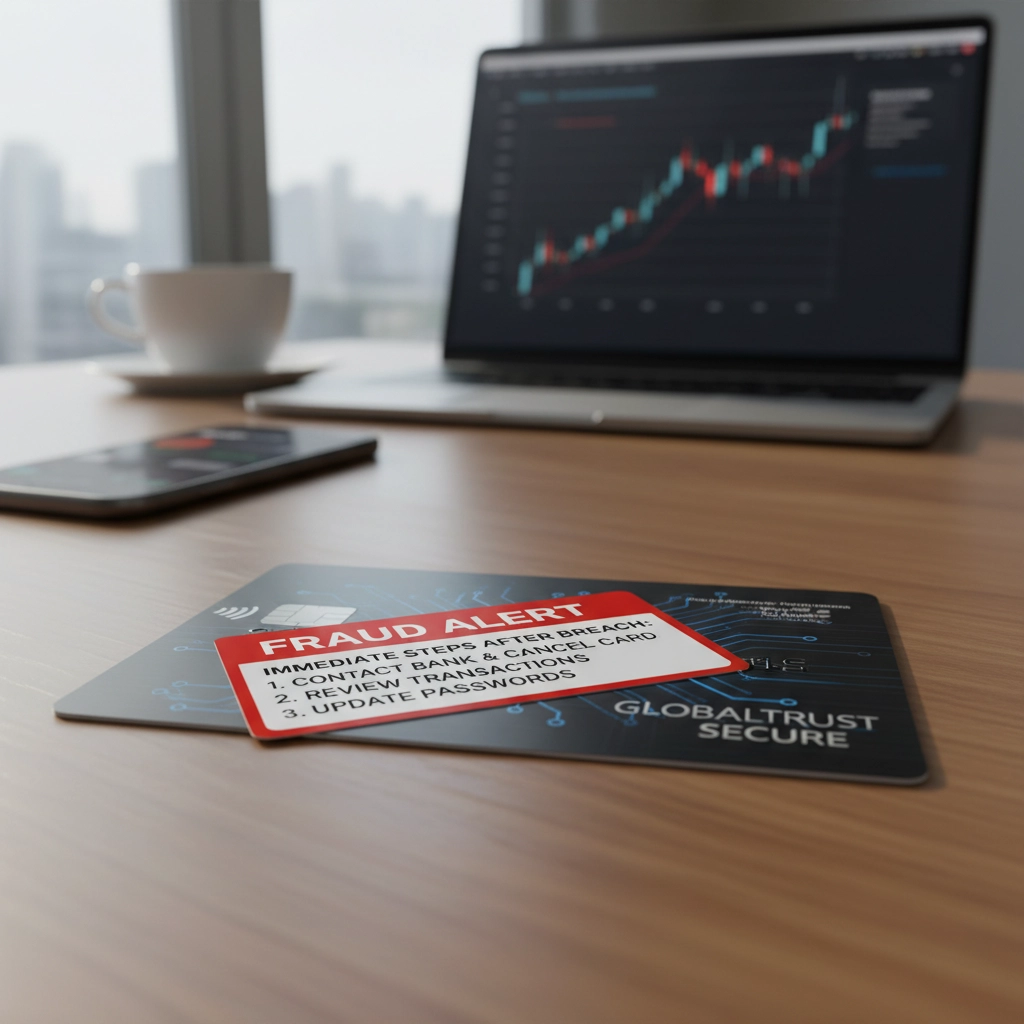
If you suspect you have been affected by a data breach, there are several steps you should take immediately to protect yourself: 1. Monitor Your Accounts: Closely monitor your bank accounts, credit card statements, and credit reports for any signs of fraudulent activity. 2. Place a Fraud Alert: Contact Equifax and TransUnion, Canada’s major credit bureaus, to place a fraud alert on your credit file. This will require creditors to verify your identity before opening new accounts in your name. 3. Change Passwords: Change the passwords for all your online accounts, especially those that contain sensitive information. Use strong, unique passwords and consider using a password manager. 4. Report Identity Theft: If you believe your identity has been stolen, report it to the Canadian Anti-Fraud Centre and your local police. 5. Review Privacy Settings: Review and update the privacy settings on your social media accounts and other online services. 6. Consider Credit Monitoring: Enroll in a credit monitoring service that will alert you to any changes in your credit report, such as new accounts being opened or credit inquiries being made.


Joining a Class Action
If a class action lawsuit has been filed in connection with the data breach, you may be eligible to join the class. The process for joining a class action typically involves registering with the law firm representing the class or filing a claim form with the court. You may be required to provide documentation to support your claim, such as proof that you were affected by the data breach and evidence of any damages you suffered. It is important to note that joining a class action may limit your ability to pursue individual legal action against the organization responsible for the breach.
Compensation and Outcomes
If the class action lawsuit is successful, either through a settlement or a court judgment, you may be entitled to compensation for your losses. The amount of compensation you receive will depend on the nature and extent of your damages, as well as the terms of the settlement or judgment. Compensation may cover financial losses, such as the cost of credit monitoring, identity theft restoration services, and losses due to fraudulent transactions. It may also include compensation for emotional distress and the increased risk of identity theft.
In conclusion, data breaches pose a significant risk to Canadians, and understanding your rights and options is essential in protecting yourself from identity theft. Class action lawsuits provide a mechanism for victims to collectively seek compensation for damages resulting from data breaches. By staying informed, taking proactive steps to protect your information, and understanding your legal rights, you can navigate the aftermath of a data breach and seek justice for any harm you have suffered.
Credit Monitoring Services: Can a Class Action Get You Free Protection?
In the wake of a data breach, one of the most common recommendations is to enroll in a credit monitoring service. These services track your credit report and alert you to any suspicious activity, such as new accounts being opened or changes to your credit score. While credit monitoring can provide valuable protection against identity theft, it often comes at a cost. A class action lawsuit related to a data breach may be able to secure free credit monitoring services for affected individuals as part of a settlement or court order.
The Value of Credit Monitoring
Credit monitoring services work by continuously monitoring your credit report and alerting you to any changes or suspicious activity. This can include new accounts being opened in your name, changes to your credit score, inquiries into your credit report, or new public records being filed. By receiving these alerts, you can quickly take action to investigate and address any potential fraud, such as closing fraudulent accounts or reporting identity theft to the authorities. Credit monitoring can also help you detect errors in your credit report that could be negatively impacting your credit score.
Why Credit Monitoring is Needed After a Breach
When a data breach occurs, your personal information may be exposed to criminals who can use it to commit identity theft. This can include opening fraudulent accounts, applying for loans or credit cards in your name, filing false tax returns, or even using your identity to commit crimes. Credit monitoring can help you detect these activities early on, giving you a chance to mitigate the damage and prevent further losses. The longer identity theft goes undetected, the more difficult it can be to resolve and the more damage it can cause to your credit and reputation.
Class Actions and Credit Monitoring
In many data breach class action lawsuits, one of the remedies sought by the plaintiffs is free credit monitoring services for affected individuals. The rationale behind this is that the data breach has increased the risk of identity theft for those whose personal information was compromised, and credit monitoring can help mitigate that risk. Courts and settlement negotiators often recognize the value of credit monitoring in protecting consumers and may order the defendant company to provide free credit monitoring services for a specified period of time, such as one to five years.
How to Obtain Free Credit Monitoring Through a Class Action
If a class action lawsuit is filed in connection with a data breach that affected you, you may be eligible to receive free credit monitoring services as part of a settlement or court order. The process for obtaining these services typically involves registering with the class action administrator and providing documentation to verify that you were affected by the data breach. Once the settlement or court order is approved, you will receive instructions on how to enroll in the credit monitoring service. In some cases, the defendant company may directly provide the credit monitoring services, while in other cases, they may contract with a third-party provider.
Limitations and Considerations
While free credit monitoring can be a valuable benefit in a data breach class action, it is important to understand the limitations and considerations involved. The length of the credit monitoring period may be limited, and the services offered may not be as comprehensive as those you could purchase on your own. Additionally, credit monitoring is not a foolproof solution to identity theft. It can help you detect fraudulent activity early on, but it cannot prevent it from happening in the first place. You should still take other steps to protect your personal information, such as regularly reviewing your credit reports, changing your passwords, and being cautious about sharing your personal information online.
Alternatives to Class Action Credit Monitoring
If you are not eligible for free credit monitoring through a class action, or if you want more comprehensive protection, there are other options available. You can purchase credit monitoring services directly from credit bureaus or third-party providers. You can also take steps to monitor your credit yourself by regularly reviewing your credit reports and looking for any signs of suspicious activity. Under Canadian law, you are entitled to a free copy of your credit report from each of the major credit bureaus once per year.
In conclusion, credit monitoring services can be a valuable tool in protecting yourself from identity theft, particularly in the wake of a data breach. Class action lawsuits may be able to secure free credit monitoring services for affected individuals as part of a settlement or court order. By understanding the value of credit monitoring, the role of class actions, and the steps you can take to protect your personal information, you can navigate the aftermath of a data breach and mitigate the risk of identity theft.
Social Security Number Misuse: A Class Action Guide for Canadians
While Social Insurance Numbers (SINs) are not meant to be primary identification, their misuse can lead to serious consequences, including identity theft and financial fraud. Canadians who have had their SIN misused may be eligible to participate in a class action lawsuit seeking compensation for damages resulting from the misuse. This guide provides an overview of SIN misuse and how class action lawsuits can provide recourse for affected individuals.
Understanding SIN Misuse
Your Social Insurance Number (SIN) is a nine-digit number that is primarily used for income reporting purposes. While it is not intended to be used as a primary form of identification, it can be misused by criminals to commit identity theft and fraud. SIN misuse can occur in a variety of ways, such as when someone uses your SIN to apply for credit, open bank accounts, file false tax returns, or obtain government benefits. SIN misuse can also occur if an organization improperly requests or stores your SIN, increasing the risk of it being exposed in a data breach.
The Risks of SIN Misuse
The misuse of your SIN can have serious consequences. It can lead to financial losses, damage to your credit rating, and even legal problems. If someone uses your SIN to open fraudulent accounts or apply for credit in your name, you may be held responsible for the debts incurred. This can negatively impact your credit score and make it difficult to obtain loans, mortgages, or other forms of credit in the future. Additionally, if someone uses your SIN to file false tax returns, you may be subject to tax audits and penalties. In some cases, SIN misuse can even lead to criminal charges if someone uses your identity to commit crimes.
Legal Protections for Your SIN
In Canada, there are laws in place to protect your SIN and limit its use. The Privacy Act and the Personal Information Protection and Electronic Documents Act (PIPEDA) restrict the collection, use, and disclosure of personal information, including your SIN. Generally, organizations are only allowed to collect your SIN if it is required by law or if you voluntarily provide it for a legitimate purpose. They are also required to protect your SIN from unauthorized access, use, or disclosure. If an organization violates these laws and misuses your SIN, you may have legal recourse.
Class Actions for SIN Misuse
A class action lawsuit is a legal proceeding in which a group of people with similar claims sue a defendant as a collective. In the context of SIN misuse, a class action allows numerous individuals who have had their SIN misused to pool their resources and pursue legal action against the organization or individual responsible. This can be a more efficient and cost-effective way to seek compensation than pursuing individual lawsuits. To participate in a class action, you typically need to demonstrate that your SIN was misused and that you suffered damages as a result, such as financial losses, emotional distress, or the increased risk of identity theft.
How to Join a SIN Misuse Class Action
If a class action lawsuit has been filed in connection with SIN misuse that affected you, you may be eligible to join the class. The process for joining a class action typically involves registering with the law firm representing the class or filing a claim form with the court. You may be required to provide documentation to support your claim, such as proof that your SIN was misused and evidence of any damages you suffered. It is important to note that joining a class action may limit your ability to pursue individual legal action against the organization or individual responsible for the SIN misuse.
Compensation and Outcomes
If the class action lawsuit is successful, either through a settlement or a court judgment, you may be entitled to compensation for your losses. The amount of compensation you receive will depend on the nature and extent of your damages, as well as the terms of the settlement or judgment. Compensation may cover financial losses, such as the cost of credit monitoring, identity theft restoration services, and losses due to fraudulent transactions. It may also include compensation for emotional distress and the increased risk of identity theft.
Protecting Yourself from SIN Misuse
While participating in a class action lawsuit can provide recourse for SIN misuse, it is also important to take steps to protect yourself from becoming a victim in the first place. Here are some tips to help you protect your SIN: 1. Do not give out your SIN unless required by law: Be wary of requests for your SIN, especially from unfamiliar sources. Only provide it when required by law, such as when filing your taxes or applying for government benefits. 2. Protect your SIN card: Keep your SIN card in a safe place and do not carry it with you unless necessary. 3. Shred documents containing your SIN: Before discarding documents that contain your SIN, such as tax forms or pay stubs, shred them to prevent them from falling into the wrong hands. 4. Monitor your credit report: Regularly review your credit report for any signs of fraudulent activity, such as new accounts being opened in your name.
In conclusion, SIN misuse can have serious consequences for Canadians, including identity theft and financial fraud. Class action lawsuits provide a mechanism for victims to collectively seek compensation for damages resulting from SIN misuse. By understanding the risks of SIN misuse, the legal protections in place, and the steps you can take to protect yourself, you can mitigate the risk of becoming a victim and seek justice if your SIN is misused.
Phishing Scam Victims: Joining a Canadian Class Action for Reimbursement
Phishing scams are a pervasive threat in the digital age, targeting individuals through deceptive emails, websites, and text messages designed to steal personal information. Canadians who have fallen victim to phishing scams may be able to join a class action lawsuit to seek reimbursement for their losses. This guide explains how phishing scams work and how class action lawsuits can provide recourse for victims in Canada.
Understanding Phishing Scams
Phishing is a type of online fraud in which criminals attempt to trick individuals into providing sensitive information, such as usernames, passwords, credit card numbers, and Social Insurance Numbers (SINs). Phishing scams often involve sending fraudulent emails or text messages that appear to be from legitimate organizations, such as banks, government agencies, or online retailers. These messages typically contain links to fake websites that look identical to the real thing. When victims enter their personal information on these fake websites, the criminals can use it to commit identity theft, financial fraud, and other crimes.
The Impact of Phishing Scams
Phishing scams can have a devastating impact on victims. They can lead to financial losses, damage to credit ratings, and emotional distress. Victims may lose money through fraudulent transactions, have their bank accounts emptied, or be saddled with debt from unauthorized credit card charges. Additionally, phishing scams can expose victims to identity theft, which can take months or even years to resolve. The emotional toll of being a victim of a phishing scam can also be significant, leading to feelings of anger, shame, and vulnerability.
The Role of Class Action Lawsuits
A class action lawsuit is a legal proceeding in which a group of people with similar claims sue a defendant as a collective. In the context of phishing scams, a class action allows numerous victims who have been defrauded to pool their resources and pursue legal action against the organization or individual responsible for the scam. This can be a more efficient and cost-effective way to seek reimbursement than pursuing individual lawsuits. Class actions can also hold organizations accountable for failing to protect their customers from phishing scams.
Who Can Be Sued in a Phishing Class Action?
In a phishing class action lawsuit, the potential defendants can vary depending on the circumstances of the scam. Possible defendants include: 1. The Perpetrators of the Scam: Identifying and suing the individuals or organizations directly responsible for the phishing scam can be challenging, as they are often located overseas and operate anonymously. However, if they can be identified, they can be held liable for the damages caused by the scam. 2. Organizations Whose Names Were Used: If the phishing scam involved impersonating a legitimate organization, such as a bank or government agency, the organization may be held liable if they failed to take adequate measures to protect their customers from phishing scams. This could include failing to implement strong security measures, failing to warn customers about the scam, or failing to take down fake websites. 3. Payment Processors: If the victims of the phishing scam used a payment processor, such as PayPal or a credit card company, to send money to the scammers, the payment processor may be held liable if they failed to detect and prevent the fraudulent transactions.
Joining a Phishing Scam Class Action
If you have been a victim of a phishing scam, you may be eligible to join a class action lawsuit seeking reimbursement for your losses. The process for joining a class action typically involves registering with the law firm representing the class or filing a claim form with the court. You may be required to provide documentation to support your claim, such as proof that you were targeted by the phishing scam, evidence of any financial losses you suffered, and documentation of any efforts you took to mitigate the damage.
Compensation and Outcomes
If the class action lawsuit is successful, either through a settlement or a court judgment, you may be entitled to compensation for your losses. The amount of compensation you receive will depend on the nature and extent of your damages, as well as the terms of the settlement or judgment. Compensation may cover financial losses, such as the amount of money you lost to the phishing scam, the cost of credit monitoring, and expenses related to identity theft restoration. It may also include compensation for emotional distress and punitive damages.
Protecting Yourself from Phishing Scams
While participating in a class action lawsuit can provide recourse for phishing scam victims, it is also important to take steps to protect yourself from becoming a victim in the first place. Here are some tips to help you avoid phishing scams: 1. Be wary of unsolicited emails and text messages: Be suspicious of any unexpected emails or text messages, especially those that ask you to provide personal information or click on a link. 2. Verify the sender’s identity: Before clicking on any links or providing any personal information, verify the sender’s identity by contacting them directly through a known phone number or website. 3. Look for red flags: Phishing emails and websites often contain red flags, such as poor grammar, spelling errors, and unprofessional design. 4. Use strong passwords: Use strong, unique passwords for all your online accounts and consider using a password manager to help you keep track of them. 5. Keep your software up to date: Keep your operating system, web browser, and antivirus software up to date to protect yourself from malware and other online threats.
In conclusion, phishing scams pose a significant threat to Canadians, and victims may be able to seek reimbursement for their losses through class action lawsuits. By understanding how phishing scams work, the role of class actions, and the steps you can take to protect yourself, you can mitigate the risk of becoming a victim and seek justice if you are targeted by a phishing scam.
Medical Data Breach Class Action: Protecting Your Privacy in Canada
Medical data breaches are a serious concern in Canada, as they can expose sensitive personal health information to unauthorized individuals. A class action lawsuit can provide a means for affected individuals to seek compensation and hold negligent organizations accountable for failing to protect their patient data. This guide explains the importance of medical data privacy and how class action lawsuits can help protect your rights in Canada.
The Sensitivity of Medical Data
Medical data is among the most sensitive types of personal information. It includes your medical history, diagnoses, treatments, medications, and other health-related information. This information is highly confidential and is protected by privacy laws in Canada, such as the Personal Information Protection and Electronic Documents Act (PIPEDA) at the federal level and similar provincial laws like Ontario’s Personal Health Information Protection Act (PHIPA). A breach of medical data can have serious consequences for individuals, including identity theft, discrimination, and emotional distress.
Risks of Medical Data Breaches
Medical data breaches can occur in a variety of ways, such as through hacking, malware, employee negligence, or the loss or theft of physical records. When medical data is exposed in a breach, it can be used by criminals to commit identity theft, prescription fraud, or insurance fraud. It can also be used to discriminate against individuals in employment, housing, or other areas. Additionally, the emotional distress caused by a medical data breach can be significant, as individuals may feel violated, vulnerable, and concerned about the privacy of their personal health information.
Legal Obligations of Healthcare Providers
Healthcare providers in Canada have a legal obligation to protect the privacy and security of their patients’ medical data. They are required to implement reasonable security measures to prevent unauthorized access, use, or disclosure of medical information. These measures may include physical security measures, such as restricting access to medical records, as well as technical security measures, such as encrypting data and using firewalls. Healthcare providers are also required to train their employees on privacy and security policies and procedures. If a healthcare provider fails to meet these obligations and a medical data breach occurs, they may be held liable for damages.
Class Actions for Medical Data Breaches
A class action lawsuit is a legal proceeding in which a group of people with similar claims sue a defendant as a collective. In the context of medical data breaches, a class action allows numerous individuals who have had their medical data compromised to pool their resources and pursue legal action against the healthcare provider or organization responsible for the breach. This can be a more efficient and cost-effective way to seek compensation than pursuing individual lawsuits. To participate in a class action, you typically need to demonstrate that your medical data was compromised in the breach and that you suffered damages as a result, such as financial losses, emotional distress, or the increased risk of identity theft.
Joining a Medical Data Breach Class Action
If a class action lawsuit has been filed in connection with a medical data breach that affected you, you may be eligible to join the class. The process for joining a class action typically involves registering with the law firm representing the class or filing a claim form with the court. You may be required to provide documentation to support your claim, such as proof that your medical data was compromised in the breach and evidence of any damages you suffered. It is important to note that joining a class action may limit your ability to pursue individual legal action against the healthcare provider or organization responsible for the breach.
Compensation and Outcomes
If the class action lawsuit is successful, either through a settlement or a court judgment, you may be entitled to compensation for your losses. The amount of compensation you receive will depend on the nature and extent of your damages, as well as the terms of the settlement or judgment. Compensation may cover financial losses, such as the cost of credit monitoring, identity theft restoration services, and losses due to fraudulent transactions. It may also include compensation for emotional distress and the increased risk of identity theft.
Protecting Your Medical Data
While participating in a class action lawsuit can provide recourse for medical data breach victims, it is also important to take steps to protect your medical data and privacy. Here are some tips: 1. Be aware of your rights: Familiarize yourself with your rights under Canadian privacy laws, such as PIPEDA and PHIPA. 2. Review privacy policies: Review the privacy policies of your healthcare providers and understand how they collect, use, and disclose your medical information. 3. Ask questions: Ask your healthcare providers questions about their privacy and security practices. 4. Be cautious about sharing information: Be cautious about sharing your medical information online or over the phone, especially if you are unsure about the identity of the person requesting the information. 5. Monitor your credit report: Regularly review your credit report for any signs of fraudulent activity, such as new accounts being opened in your name.
In conclusion, medical data breaches pose a significant risk to Canadians, and understanding your rights and options is essential in protecting your privacy. Class action lawsuits provide a mechanism for victims to collectively seek compensation for damages resulting from medical data breaches. By staying informed, taking proactive steps to protect your information, and understanding your legal rights, you can navigate the aftermath of a medical data breach and seek justice for any harm you have suffered.