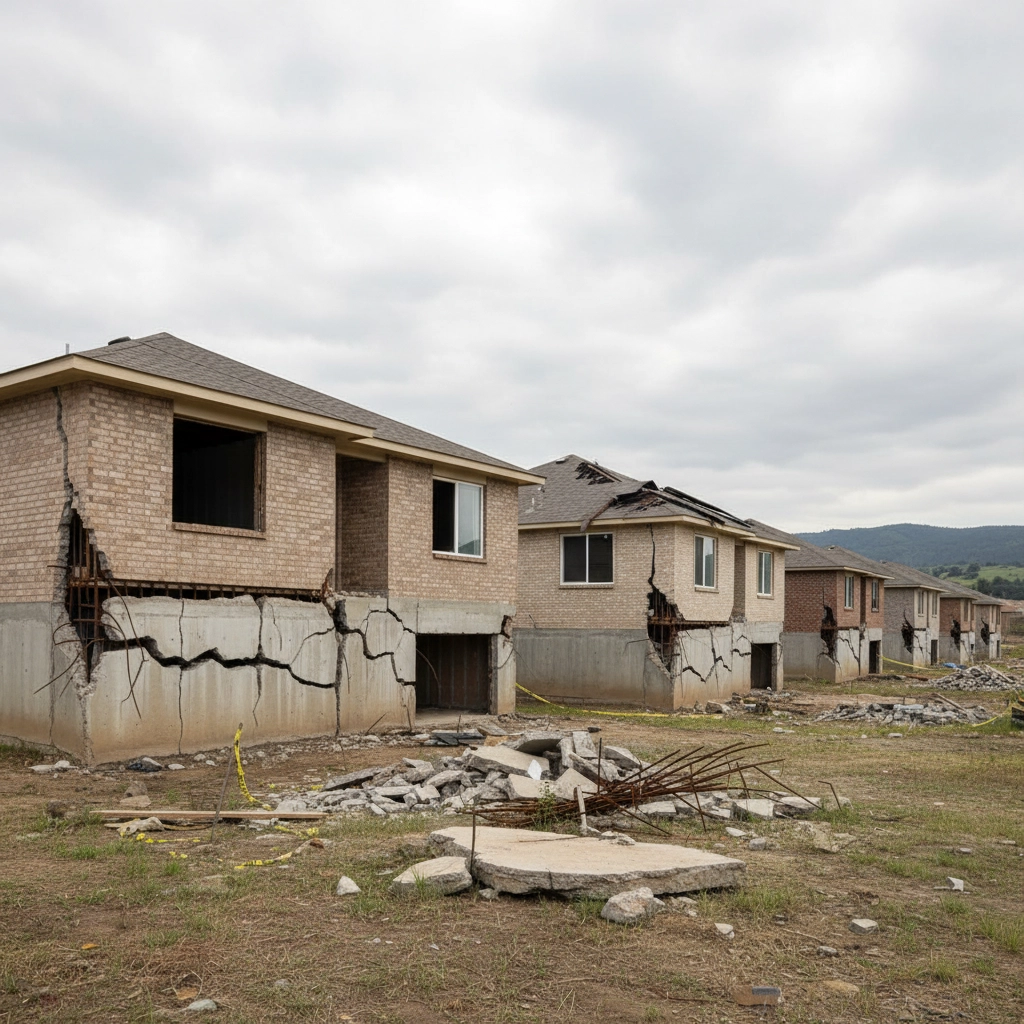
Construction Defect Class Actions: Rights and Recourse for Owners
Construction defect class actions in Canada provide a legal avenue for homeowners and property owners to seek compensation for widespread issues stemming from faulty construction practices. These actions often arise when multiple properties within a development share similar defects, such as leaky roofs, structural deficiencies, or substandard materials. Pursuing individual lawsuits for each affected property can be prohibitively expensive and time-consuming, making class actions a more efficient and equitable means of addressing systemic construction problems. Understanding your rights as a homeowner and the process for participating in a construction defect class action is crucial for protecting your investment and ensuring that builders and developers are held accountable for their work.


The Basis of Construction Defect Claims
Construction defect claims typically arise from breaches of contract, negligence, or violations of statutory warranties. A breach of contract occurs when the builder fails to meet the specifications outlined in the purchase agreement or construction contract. Negligence claims allege that the builder failed to exercise reasonable care in the design or construction of the property, resulting in damages. Statutory warranties, often mandated by provincial legislation, provide a guarantee of workmanship and materials for a specified period, offering additional protection to homeowners. Common types of construction defects include water damage due to improper sealing, structural issues caused by inadequate foundation work, and problems related to substandard or non-compliant building materials. To succeed in a construction defect class action, plaintiffs must demonstrate that the defects are widespread, that they resulted from the builder’s negligence or breach of contract, and that they caused financial loss to the property owners.
Initiating and Participating in a Class Action
The process of initiating a construction defect class action begins with a representative plaintiff, typically a homeowner who has experienced the defects, filing a lawsuit on behalf of all similarly affected property owners. The lawsuit must be certified by the court as a class action, meaning that it meets certain criteria, including a clearly defined class of plaintiffs, common issues of fact or law, and a representative plaintiff who can adequately represent the interests of the class. Once the class action is certified, notice is given to all potential class members, informing them of the lawsuit and their right to participate or opt out. Class members who choose to participate are bound by the outcome of the lawsuit, whether it results in a settlement or a trial. Homeowners considering participating in a construction defect class action should carefully review the terms of the lawsuit, assess the potential benefits and risks, and consult with legal counsel to determine the best course of action for their individual circumstances.


Proving the Defects and Damages
A key element of a construction defect class action is proving the existence and extent of the defects, as well as the resulting damages. This often requires expert testimony from engineers, architects, and other construction professionals who can assess the properties, identify the defects, and provide opinions on their cause and cost of repair. Evidence such as building plans, inspection reports, photographs, and videos can also be used to support the claims. Quantifying the damages can be complex, as it may involve not only the cost of repairing the defects but also consequential damages such as lost rental income, diminished property value, and increased insurance premiums. The plaintiffs must demonstrate that the damages were directly caused by the construction defects and that they are reasonably quantifiable. The burden of proof rests on the plaintiffs to establish these elements by a preponderance of the evidence.
Settlements and Remedies in Construction Defect Cases
If a construction defect class action is successful, either through a settlement or a trial, the court will approve a plan for distributing the recovery to the class members. Settlements typically involve a monetary payment to compensate the class members for their damages, while judgments may also include orders for the builder to repair the defects or take other remedial action. The amount of compensation that each class member receives will depend on the severity of their damages and the terms of the settlement or judgment. In some cases, the recovery may also include reimbursement for legal fees and expenses incurred in pursuing the class action. It is important for class members to carefully review the distribution plan and understand how their individual recovery will be calculated.


Construction defect class actions offer a vital mechanism for holding builders and developers accountable for substandard construction practices. By pooling resources and sharing legal costs, homeowners can effectively pursue claims that would be impractical or impossible to bring individually. Understanding your rights, the legal process, and the potential remedies available is essential for navigating the complexities of construction defect litigation and ensuring that you receive fair compensation for the damages you have suffered.
Class Actions for Farmers: Fighting for Agricultural Fairness in Canada
Canadian farmers, the backbone of the nation’s agricultural industry, often face unique challenges that can lead to collective legal action. Class action lawsuits provide a powerful tool for farmers to address systemic issues, such as unfair pricing practices, anti-competitive behavior, defective agricultural products, and environmental contamination. These actions allow farmers to pool their resources and pursue claims against large corporations and other entities that may have harmed their livelihoods and the agricultural sector as a whole. Understanding the types of class actions available to farmers and the legal processes involved is crucial for protecting their interests and promoting fairness in the agricultural industry.
Common Types of Agricultural Class Actions
Several types of class actions are commonly pursued by farmers in Canada. Price-fixing and anti-competitive behavior cases arise when agricultural input suppliers or processors conspire to artificially inflate prices or restrict competition, thereby harming farmers’ profitability. Defective agricultural product cases involve claims against manufacturers of seeds, pesticides, fertilizers, and other inputs that fail to perform as advertised or cause damage to crops or livestock. Environmental contamination cases occur when agricultural operations or industrial activities pollute farmland or water sources, resulting in economic losses and environmental damage to farmers. Contract disputes can also lead to class actions when processors or buyers breach contracts with farmers, leaving them with unsold crops or unpaid debts. These diverse types of class actions reflect the broad range of legal challenges that farmers face in their operations.
The Legal Basis for Farmers’ Class Actions
The legal basis for farmers’ class actions in Canada typically rests on principles of contract law, tort law, and competition law. Contract law governs disputes arising from agreements between farmers and other parties, such as processors, suppliers, and distributors. Tort law provides remedies for harm caused by negligence, product liability, or environmental contamination. Competition law prohibits anti-competitive behavior, such as price-fixing, bid-rigging, and abuse of dominant market position. To succeed in a class action, farmers must demonstrate that the defendant’s conduct violated these legal principles and caused them economic damages. This often requires expert testimony from economists, agronomists, and other professionals who can assess the impact of the defendant’s actions on the farmers’ businesses.
Initiating and Participating in a Farmers’ Class Action
The process of initiating a farmers’ class action begins with a representative plaintiff, typically a farmer who has suffered damages, filing a lawsuit on behalf of all similarly affected farmers. The lawsuit must be certified by the court as a class action, meaning that it meets certain criteria, including a clearly defined class of plaintiffs, common issues of fact or law, and a representative plaintiff who can adequately represent the interests of the class. Once the class action is certified, notice is given to all potential class members, informing them of the lawsuit and their right to participate or opt out. Farmers who choose to participate are bound by the outcome of the lawsuit, whether it results in a settlement or a trial. Farmers considering participating in a class action should carefully review the terms of the lawsuit, assess the potential benefits and risks, and consult with legal counsel to determine the best course of action for their individual circumstances.
Challenges and Considerations in Agricultural Class Actions
Agricultural class actions often present unique challenges due to the complexities of agricultural markets, the variability of crop yields, and the difficulty of proving causation between the defendant’s conduct and the farmers’ damages. Establishing a causal link between a defective product and crop damage, for example, may require extensive scientific evidence and expert testimony to rule out other potential causes, such as weather conditions, soil quality, or farming practices. Similarly, proving that a price-fixing conspiracy resulted in economic harm to farmers may require sophisticated economic analysis to isolate the impact of the illegal conduct from other market factors. Farmers considering participating in a class action should be aware of these challenges and work closely with their legal counsel to develop a strong and persuasive case.
Outcomes and Impact of Farmers’ Class Actions
Successful farmers’ class actions can provide significant benefits to the agricultural community, including financial compensation for damages, changes in industry practices, and increased accountability for corporations. Settlements and judgments in these cases can help farmers recover lost income, pay for crop damage, and invest in improved farming practices. In addition, class actions can deter future misconduct by sending a message that unfair or illegal practices will not be tolerated. By working together and pursuing collective legal action, farmers can level the playing field and ensure that they receive fair treatment in the agricultural marketplace.
Farmers’ class actions serve as an important mechanism for protecting the rights and interests of Canadian farmers. By addressing systemic issues and holding powerful entities accountable, these actions contribute to a more fair, sustainable, and prosperous agricultural sector. Farmers who have been harmed by unfair practices or defective products should consider exploring the possibility of participating in a class action to seek redress for their damages and help create a more equitable agricultural landscape.
Mining Industry Class Actions: Environmental Accountability and Compensation
The mining industry, while vital to Canada’s economy, can also have significant environmental and social impacts. Mining activities can lead to water and soil contamination, habitat destruction, and health problems for nearby communities. Class action lawsuits provide a means for individuals and communities affected by mining operations to seek compensation for damages and hold mining companies accountable for their environmental and social responsibilities. These actions can address a range of issues, from environmental contamination to human rights violations, and can provide a powerful tool for promoting corporate responsibility in the mining sector.
Environmental Contamination and Health Impacts
One of the most common types of mining industry class actions involves claims of environmental contamination. Mining operations can release toxic substances, such as heavy metals, cyanide, and arsenic, into the environment, contaminating water sources, soil, and air. This contamination can have serious health impacts on nearby communities, leading to increased rates of cancer, respiratory illnesses, and other health problems. Class actions can be used to seek compensation for medical expenses, lost income, and other damages caused by environmental contamination. In addition, these actions can compel mining companies to clean up the contamination and implement measures to prevent future releases.
Failure to Remediate and Restore
Mining companies have a responsibility to remediate and restore the environment after mining operations cease. However, some companies fail to adequately address the environmental damage caused by their activities, leaving behind contaminated sites that pose ongoing risks to human health and the environment. Class actions can be used to force mining companies to fulfill their remediation obligations and to compensate communities for the harm caused by their failure to do so. These actions can involve complex legal and technical issues, requiring expert testimony from environmental scientists, engineers, and other professionals.
Community Displacement and Human Rights
Mining operations can also lead to the displacement of communities and the violation of human rights. Indigenous communities are particularly vulnerable to these impacts, as mining projects often encroach on their traditional territories and disrupt their way of life. Class actions can be used to seek compensation for the loss of land, resources, and cultural heritage, as well as to challenge mining projects that violate human rights standards. These actions often involve international human rights law and require a deep understanding of the social and cultural context of the affected communities.
Securities Fraud and Disclosure Issues
In some cases, mining companies may face class actions related to securities fraud and disclosure issues. These actions typically arise when companies make misleading statements or fail to disclose material information about their mining projects, causing investors to suffer financial losses. For example, a company may overstate the reserves of a mine or fail to disclose environmental risks that could impact the project’s viability. Class actions can be used to hold companies and their officers accountable for these misrepresentations and to compensate investors for their losses.
Initiating and Participating in a Mining Industry Class Action
The process of initiating a mining industry class action begins with a representative plaintiff, typically an individual or community affected by the mining operations, filing a lawsuit on behalf of all similarly situated individuals. The lawsuit must be certified by the court as a class action, meaning that it meets certain criteria, including a clearly defined class of plaintiffs, common issues of fact or law, and a representative plaintiff who can adequately represent the interests of the class. Once the class action is certified, notice is given to all potential class members, informing them of the lawsuit and their right to participate or opt out. Individuals considering participating in a class action should carefully review the terms of the lawsuit, assess the potential benefits and risks, and consult with legal counsel to determine the best course of action for their individual circumstances.
Mining industry class actions play a crucial role in holding mining companies accountable for their environmental and social impacts. By providing a mechanism for affected individuals and communities to seek compensation and redress, these actions promote corporate responsibility and help ensure that mining operations are conducted in a sustainable and ethical manner. These lawsuits can lead to significant changes in industry practices and contribute to a more just and equitable distribution of the benefits and burdens of mining.
Education Sector Class Actions: Protecting Student Rights and Fairness
Class action lawsuits in the education sector are becoming increasingly common in Canada, providing a means for students and their families to address systemic issues within educational institutions. These actions can cover a wide range of concerns, from tuition fee disputes and program cancellations to allegations of discrimination and inadequate special education services. Understanding the types of class actions that can arise in the education sector and the legal processes involved is essential for protecting student rights and ensuring fairness in the educational system.
Tuition Fee Disputes and Program Cancellations
One of the most frequent types of education sector class actions involves disputes over tuition fees and program cancellations. These actions often arise when colleges or universities increase tuition fees unexpectedly or cancel programs without adequate notice or justification. Students may argue that the tuition fee increases are unreasonable or that the program cancellations breach a contract with the institution. Class actions can be used to seek refunds of tuition fees, compensation for lost educational opportunities, and other damages.
Discrimination and Harassment
Discrimination and harassment are serious issues that can have a profound impact on students’ well-being and academic success. Class actions can be used to address systemic discrimination based on race, ethnicity, gender, sexual orientation, disability, or other protected grounds. These actions can seek remedies such as policy changes, training programs, and compensation for students who have been harmed by discrimination or harassment. In addition, class actions can help to create a more inclusive and equitable learning environment for all students.
Inadequate Special Education Services
Students with disabilities have a right to receive appropriate special education services to meet their individual needs. When schools fail to provide these services, students may fall behind academically and experience emotional distress. Class actions can be used to compel schools to provide adequate special education services, such as individualized education programs (IEPs), assistive technology, and qualified staff. These actions can also seek compensation for students who have been harmed by the lack of appropriate services.
Data Breaches and Privacy Violations
Educational institutions collect and store vast amounts of student data, including personal information, academic records, and health information. Data breaches and privacy violations can compromise this information, exposing students to the risk of identity theft, financial fraud, and other harms. Class actions can be used to hold educational institutions accountable for failing to protect student data and to seek compensation for students who have been affected by data breaches or privacy violations.
Initiating and Participating in an Education Sector Class Action
The process of initiating an education sector class action begins with a representative plaintiff, typically a student or parent, filing a lawsuit on behalf of all similarly situated students. The lawsuit must be certified by the court as a class action, meaning that it meets certain criteria, including a clearly defined class of plaintiffs, common issues of fact or law, and a representative plaintiff who can adequately represent the interests of the class. Once the class action is certified, notice is given to all potential class members, informing them of the lawsuit and their right to participate or opt out. Students considering participating in a class action should carefully review the terms of the lawsuit, assess the potential benefits and risks, and consult with legal counsel to determine the best course of action for their individual circumstances.
Education sector class actions are an important tool for protecting student rights and ensuring fairness in the educational system. By addressing systemic issues and holding educational institutions accountable, these actions can help to create a more equitable and supportive learning environment for all students. Students who have been harmed by unfair practices or inadequate services should consider exploring the possibility of participating in a class action to seek redress for their damages and help improve the educational system for future generations.
Real Estate Class Actions: Protecting Homebuyers and Investors in Canada
Real estate transactions in Canada, often involving significant financial investments, are subject to various legal and regulatory frameworks designed to protect homebuyers and investors. However, instances of fraud, misrepresentation, and unfair practices can occur, leading to financial losses and legal disputes. Class action lawsuits provide a mechanism for individuals who have suffered similar harm in real estate transactions to collectively seek redress and hold accountable those responsible for the misconduct. These actions can address a wide range of issues, from defective construction and misleading marketing to fraudulent investment schemes.
Defective Construction and Warranty Issues
One of the most common types of real estate class actions involves claims of defective construction. These actions typically arise when multiple properties within a development share similar defects, such as leaky roofs, structural deficiencies, or substandard materials. Homebuyers may allege that the builder or developer breached a warranty, failed to disclose the defects, or was negligent in the construction of the properties. Class actions can be used to seek compensation for the cost of repairing the defects, as well as for any consequential damages, such as lost rental income or diminished property value.
Misleading Marketing and Sales Practices
Real estate developers and agents are required to provide accurate and truthful information to potential homebuyers. However, some may engage in misleading marketing and sales practices, such as exaggerating the features or benefits of a property, failing to disclose material information, or making false promises about future developments. Class actions can be used to address these deceptive practices and to seek compensation for homebuyers who have been harmed by the misrepresentations.
Fraudulent Investment Schemes
Real estate investment schemes can be lucrative, but they can also be vulnerable to fraud. Investors may be lured into schemes that promise high returns but ultimately turn out to be Ponzi schemes or other fraudulent ventures. Class actions can be used to recover losses suffered by investors who have been defrauded in real estate investment schemes and to hold accountable those responsible for the fraud. These actions often involve complex financial and legal issues, requiring expert testimony from accountants, financial analysts, and securities lawyers.
Condominium Governance and Management Disputes
Condominium corporations are responsible for managing and maintaining common areas, enforcing rules and regulations, and collecting fees from unit owners. Disputes can arise between condominium corporations and unit owners over issues such as special assessments, maintenance responsibilities, and governance practices. Class actions can be used to resolve these disputes and to ensure that condominium corporations are acting in the best interests of all unit owners.
Initiating and Participating in a Real Estate Class Action
The process of initiating a real estate class action begins with a representative plaintiff, typically a homebuyer or investor who has suffered damages, filing a lawsuit on behalf of all similarly situated individuals. The lawsuit must be certified by the court as a class action, meaning that it meets certain criteria, including a clearly defined class of plaintiffs, common issues of fact or law, and a representative plaintiff who can adequately represent the interests of the class. Once the class action is certified, notice is given to all potential class members, informing them of the lawsuit and their right to participate or opt out. Individuals considering participating in a class action should carefully review the terms of the lawsuit, assess the potential benefits and risks, and consult with legal counsel to determine the best course of action for their individual circumstances.
Real estate class actions provide an important mechanism for protecting the rights and interests of homebuyers and investors in Canada. By addressing fraudulent practices, defective construction, and other unfair conduct, these actions can help to ensure that real estate transactions are conducted in a fair and transparent manner. Individuals who have suffered financial losses in real estate transactions should consider exploring the possibility of participating in a class action to seek redress for their damages and help create a more equitable real estate market.