



Introduction to Class Actions in Canada
Class action lawsuits are a crucial part of the Canadian legal system, designed to provide a way for many individuals who have suffered similar harm to seek justice collectively. These lawsuits consolidate individual claims into a single case, making it more efficient and cost-effective to address widespread grievances. Whether it involves defective products, securities fraud, or consumer rights violations, class actions empower those who might not have the resources to pursue legal action on their own. Understanding how these actions work and how to stay informed is essential for any Canadian who might be affected. This guide will provide you with the knowledge and tools to navigate the complexities of Canadian class action notices and communications, ensuring you are well-prepared and informed every step of the way.


Decoding Legal Jargon
Class action notices are often filled with legal terms that can be confusing and intimidating. Understanding these terms is the first step in making informed decisions about your involvement. Some common terms include “class member,” which refers to anyone who is potentially affected by the lawsuit and falls within the defined class; “class counsel,” the lawyers representing the entire class; “settlement agreement,” the proposed resolution between the parties involved, detailing compensation and other terms; and “opt-out,” the process by which a class member chooses not to participate in the class action and retains the right to sue independently. Other essential terms include “certification,” the stage at which the court approves the class action to proceed; “notice of certification,” the official notification to class members that the class action has been certified; and “claims process,” the procedure for class members to submit claims for compensation if a settlement is reached. Familiarizing yourself with these terms will help you understand the notices you receive and make informed choices about your participation.
Recognizing Legitimate Notices
With the rise of scams and phishing attempts, it is crucial to verify the legitimacy of any class action notice you receive. Genuine notices typically come from a reputable law firm, court-appointed administrator, or a recognized notification service. Always check the sender’s email address and website to ensure they are legitimate. Look for contact information for the class counsel or the administrator, and verify this information through independent research. Be wary of notices that ask for upfront fees or sensitive personal information such as your Social Insurance Number or bank account details. Legitimate notices will provide clear instructions on how to verify the information and participate in the class action, without requiring you to disclose unnecessary personal details. If you are unsure about the legitimacy of a notice, contact the class counsel directly or consult with a legal professional to confirm its validity. Protecting yourself from scams is an essential part of being an informed class member.

Key Resources for Staying Updated
Staying informed about the progress of a class action requires utilizing reliable resources and websites. Several websites specialize in providing updates on Canadian class actions, including the Canadian Bar Association, which offers resources and information on legal developments. Class action administrator websites, such as those managed by Epiq Class Action Services Canada or RicePoint Administration Inc., are excellent sources for case-specific details, deadlines, and claim forms. Court websites, like the Ontario Superior Court of Justice or the British Columbia Supreme Court, often publish decisions and updates on class action cases. Additionally, legal news websites and publications frequently report on significant class action developments. By regularly checking these resources, you can stay abreast of important deadlines, court decisions, and settlement updates, ensuring you do not miss critical opportunities to participate or make informed decisions about your involvement.
Understanding Your Options
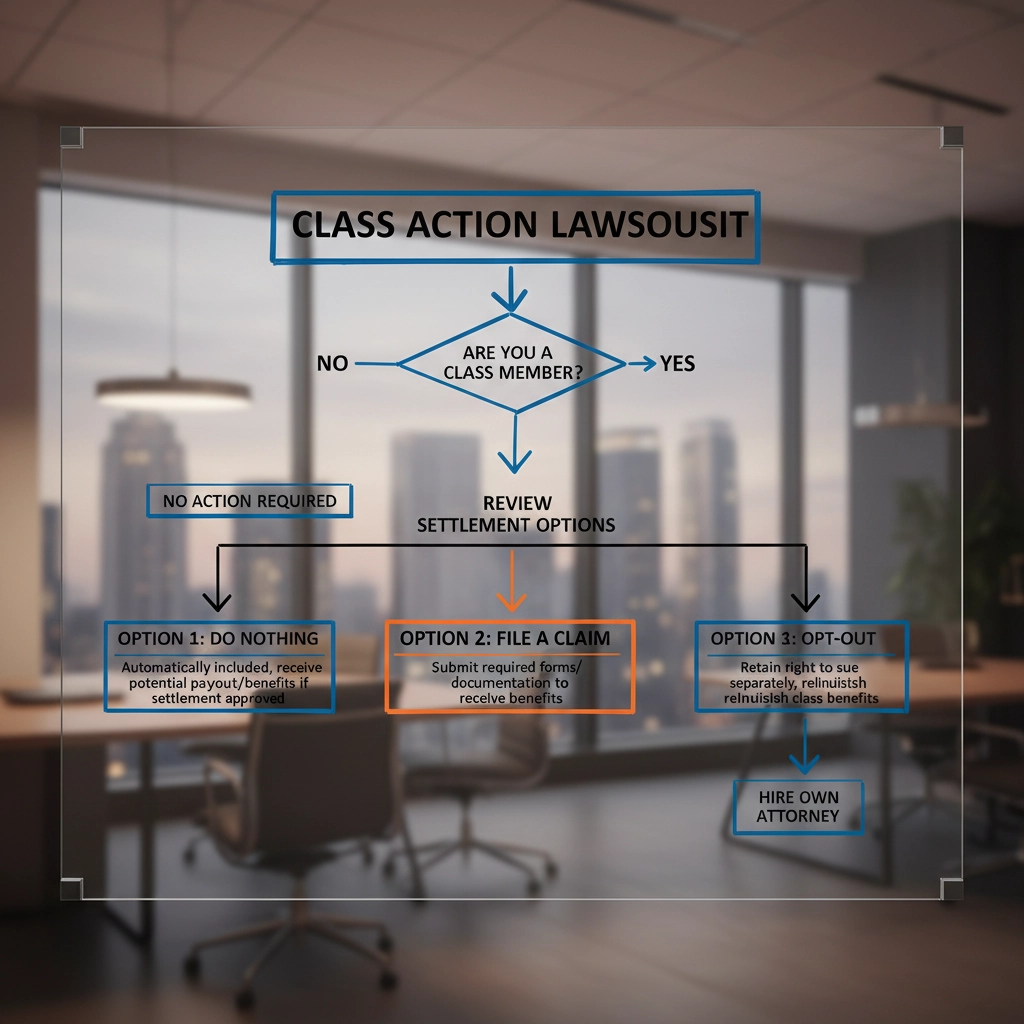
Upon receiving a class action notice, you have several options to consider. The most common options include participating in the class action, opting out of the class action, or objecting to the settlement agreement. Participating in the class action means you will be bound by the outcome of the case, whether it is a settlement or a judgment. If a settlement is reached, you may be eligible to receive compensation, but you will also waive your right to sue the defendant individually. Opting out of the class action allows you to pursue your own lawsuit against the defendant, but you will not be entitled to any compensation from the class action settlement. Objecting to the settlement agreement involves formally expressing your concerns to the court, arguing that the settlement is unfair or inadequate. The court will consider these objections when deciding whether to approve the settlement. Each option has its own implications, so it is essential to carefully consider your individual circumstances and consult with legal counsel if needed to determine the best course of action.

Communicating with Class Counsel
Effective communication with class counsel is crucial for class members to understand their rights and obligations. Class counsel represents the entire class, but they also have a responsibility to address individual concerns and questions. When communicating with class counsel, be clear and concise in your inquiries, providing all relevant information about your situation. Keep records of your communications, including dates, names, and summaries of conversations. If you have specific questions about the case, the settlement, or the claims process, do not hesitate to ask. Class counsel can provide clarification on legal terms, explain the potential outcomes of the case, and guide you through the necessary steps to participate effectively. Remember that class counsel cannot provide individual legal advice, but they can offer general information and assistance to help you make informed decisions. Maintaining open and respectful communication with class counsel will empower you to navigate the class action process with confidence.
Navigating Canadian Class Actions with Confidence
Class action lawsuits can be complex and overwhelming, but with a clear understanding of the process, key terms, and available resources, Canadians can navigate these legal proceedings with confidence. From decoding legal jargon to recognizing legitimate notices and staying updated on case progress, this guide provides the essential information needed to make informed decisions. Whether you choose to participate, opt-out, or object, knowing your rights and options is paramount. By utilizing the resources and tips outlined in this guide, you can effectively communicate with class counsel, protect yourself from scams, and ensure that your voice is heard in the pursuit of justice. Being an informed class member is the first step towards achieving a fair and equitable outcome in class action litigation.