



Introduction to Specialized Class Actions
Class actions in Canada provide a mechanism for individuals who have suffered similar harm to band together and pursue legal recourse collectively. While some class actions are broad in scope, others are highly specialized, addressing unique legal challenges and specific areas of law. These specialized class actions are particularly important in Canada due to the country’s unique legal landscape, encompassing areas such as Indigenous rights, competition law, environmental protection, privacy, and securities regulations. This exploration delves into these distinct types of class actions, highlighting the legal complexities, challenges, and protections they offer to individuals and businesses across Canada.


Indigenous Rights Class Actions
Indigenous rights class actions in Canada address historical and ongoing injustices suffered by Indigenous peoples, including First Nations, Inuit, and Métis. These actions often involve claims related to breaches of fiduciary duty, treaty rights, land claims, cultural losses, and human rights violations. The legal landscape surrounding Indigenous rights is complex, involving a combination of constitutional law, statutory law, common law, and Indigenous legal traditions. Successful navigation of these cases requires deep understanding of Indigenous history, culture, and legal perspectives. Moreover, proving causation and damages in these cases can be challenging due to the long-term and systemic nature of the harms suffered. Despite these challenges, Indigenous rights class actions have played a pivotal role in advancing reconciliation, promoting Indigenous self-determination, and securing compensation for past wrongs. These actions often seek not only financial redress but also systemic changes to government policies and practices. Landmark cases have addressed issues such as residential schools, the Sixties Scoop, and discrimination in child welfare services, leading to significant settlements and commitments to reform. The ongoing pursuit of justice through these class actions underscores the importance of recognizing and addressing the unique legal challenges faced by Indigenous peoples in Canada.
Competition Law Class Actions
Competition law class actions in Canada provide a means for consumers and businesses to seek redress for anti-competitive conduct, such as price-fixing, bid-rigging, and abuse of dominant position. These actions are governed by the Competition Act, which prohibits various forms of anti-competitive behavior. Competition law class actions can be brought by individuals or businesses who have suffered damages as a result of these violations. Proving liability in competition law cases often requires complex economic analysis and expert testimony to demonstrate that the alleged conduct had an anti-competitive effect and caused harm to the class members. Challenges in these cases include establishing causation, quantifying damages, and navigating the complexities of market dynamics. However, successful competition law class actions can deter anti-competitive behavior, promote fair competition, and provide compensation to those who have been harmed. Recent examples include cases involving price-fixing in industries such as gasoline, bread, and electronic components, resulting in substantial settlements for consumers and businesses. These actions highlight the importance of vigilance in monitoring market behavior and enforcing competition laws to protect the interests of consumers and businesses in Canada.
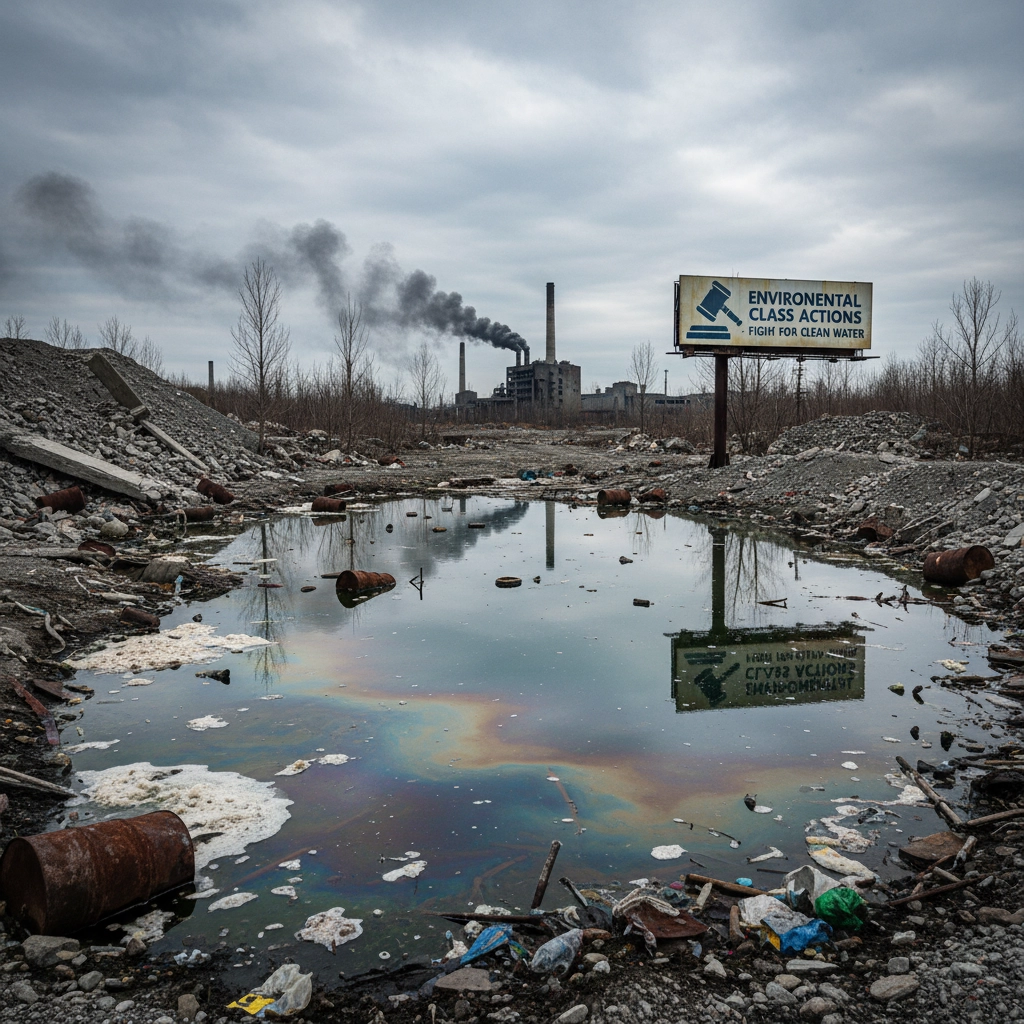

Environmental Class Actions
Environmental class actions in Canada address harms caused by pollution, contamination, and other forms of environmental damage. These actions can be brought by individuals or communities who have suffered damages as a result of environmental misconduct. The legal basis for environmental class actions includes common law torts such as negligence, nuisance, and trespass, as well as statutory provisions under environmental protection legislation. Proving causation and damages in environmental cases can be particularly challenging due to the complex nature of environmental processes and the difficulty in isolating the specific causes of harm. Expert evidence is often required to establish the link between the alleged misconduct and the resulting environmental damage. Despite these challenges, environmental class actions play a crucial role in holding polluters accountable, remediating contaminated sites, and protecting Canada’s natural resources. Notable cases have addressed issues such as oil spills, industrial emissions, and contamination of drinking water sources, leading to significant remediation efforts and compensation for affected communities. The pursuit of environmental justice through these class actions underscores the importance of corporate responsibility and environmental stewardship in Canada.
Privacy Breach Class Actions
Privacy breach class actions in Canada address harms caused by unauthorized access, use, or disclosure of personal information. These actions are increasingly common due to the growing reliance on digital technologies and the increasing frequency of data breaches. The legal framework governing privacy in Canada includes the Personal Information Protection and Electronic Documents Act (PIPEDA) at the federal level, as well as provincial privacy laws. Privacy breach class actions can be brought by individuals whose personal information has been compromised as a result of a data breach. Proving damages in privacy breach cases can be challenging, as the harm suffered may include emotional distress, identity theft, and financial loss. Courts have recognized that nominal damages may be awarded even in the absence of concrete financial loss, recognizing the inherent value of privacy. Recent cases have involved data breaches at large corporations, government agencies, and healthcare institutions, leading to significant settlements for affected individuals. These actions highlight the importance of robust data security practices and prompt notification of data breaches to protect individuals’ privacy rights in Canada.


Securities Class Actions
Securities class actions in Canada protect investors from financial misconduct, such as misrepresentations, omissions, and insider trading, in the context of securities offerings and trading. These actions are governed by securities legislation at the provincial level, which imposes obligations on issuers, directors, and officers to provide accurate and complete information to investors. Securities class actions can be brought by investors who have suffered losses as a result of the alleged misconduct. Proving liability in securities cases often requires demonstrating that the misrepresentations or omissions were material, that the defendants acted with scienter (intent to deceive), and that the investors relied on the false information. Challenges in these cases include navigating complex financial transactions, analyzing market data, and establishing causation between the misconduct and the resulting losses. However, successful securities class actions can deter financial misconduct, promote transparency in the capital markets, and provide compensation to investors who have been harmed. Notable cases have involved allegations of accounting fraud, misleading disclosures, and insider trading, leading to significant settlements for investors. The pursuit of justice through these class actions underscores the importance of regulatory oversight and investor protection in the Canadian securities market.
Conclusion to Specialized Class Actions
Specialized class actions in Canada play a vital role in addressing unique legal challenges and protecting the rights of individuals and businesses across various sectors. From Indigenous rights to competition law, environmental protection, privacy, and securities regulation, these actions provide a mechanism for collective redress and systemic change. While navigating the legal complexities and evidentiary challenges in these cases can be demanding, the potential benefits in terms of compensation, deterrence, and social justice are significant. As Canada’s legal landscape continues to evolve, specialized class actions will remain an important tool for ensuring accountability, promoting fairness, and safeguarding the interests of all Canadians. The ongoing development of jurisprudence and legislation in these areas will further refine the scope and effectiveness of these actions, contributing to a more just and equitable society.