



Understanding Data Breach Class Actions
In today’s digital age, data breaches are an unfortunate reality, impacting countless Canadians. These breaches, which involve unauthorized access to personal information, can lead to identity theft, financial loss, and significant emotional distress. When a company entrusted with your data fails to protect it adequately, resulting in a breach, you may have grounds to participate in a class action lawsuit. These lawsuits provide a mechanism for affected individuals to collectively seek compensation for the damages they have suffered. Understanding your rights and the steps you can take following a data breach is crucial for protecting yourself and potentially joining a class action. This involves knowing how to identify if your data was exposed, understanding the legal avenues available, and taking proactive steps to mitigate the risks associated with identity theft and financial fraud.

Data Exposure: Identifying the Risk
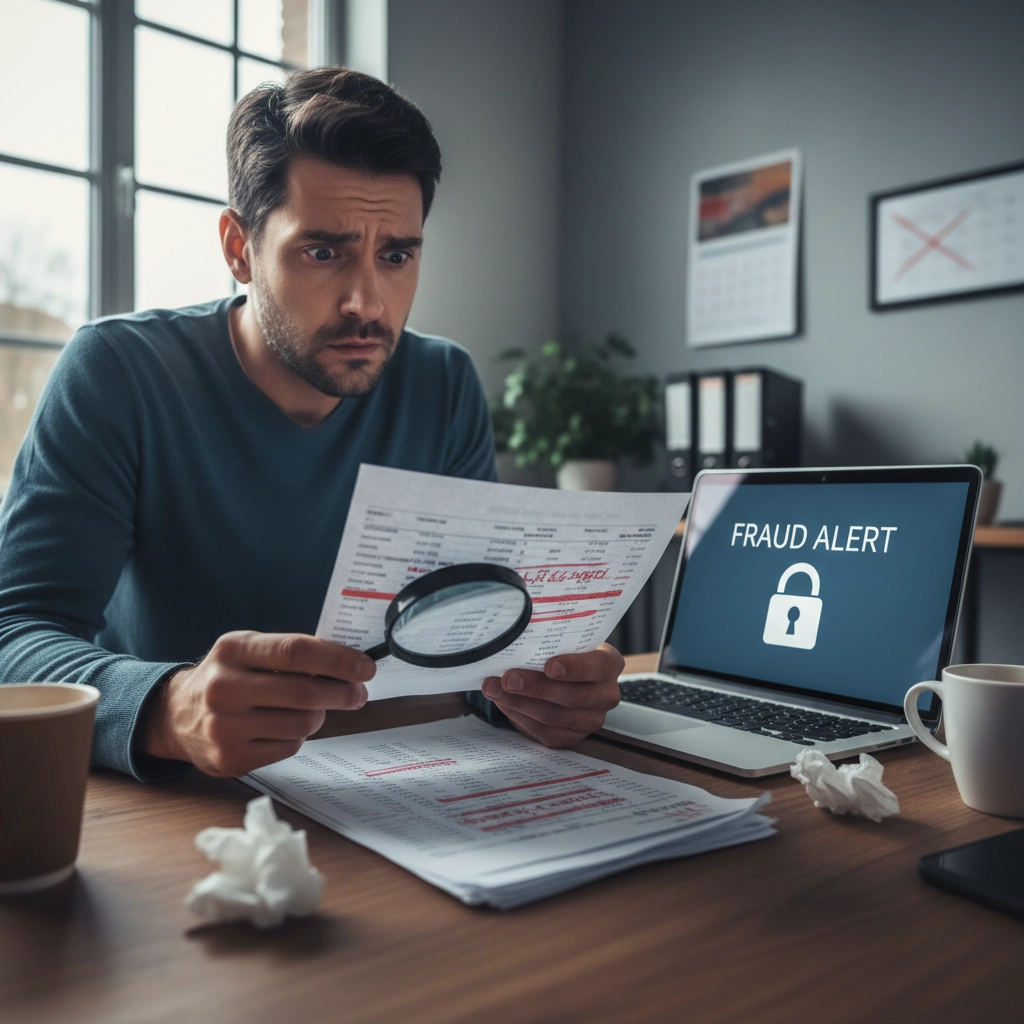
The first step in addressing a potential data breach is determining whether your personal information was compromised. Companies that experience a breach are legally obligated to notify affected individuals, typically via email or mail. However, not all breaches are immediately reported, and sometimes, you might only learn about a breach through news reports or other sources. Keep an eye out for any communications from companies you’ve interacted with, especially those that hold sensitive data like financial institutions, healthcare providers, or online retailers. Red flags include notices about unusual account activity, unauthorized credit inquiries, or phishing attempts targeting you specifically. If you suspect your data has been exposed, it’s essential to take immediate action, such as changing your passwords, monitoring your credit report, and placing fraud alerts on your accounts. These proactive measures can help minimize the potential damage and provide evidence if you later decide to join a class action lawsuit.
Legal Avenues: Joining a Class Action
A class action lawsuit is a legal proceeding where a group of individuals with similar claims collectively sue a defendant, typically a corporation or organization, for alleged wrongdoing. In the context of a data breach, a class action allows numerous victims of the breach to pool their resources and pursue legal action together, which can be more efficient and cost-effective than individual lawsuits. To join a class action, you typically need to demonstrate that your personal information was exposed in the breach and that you suffered some form of damage as a result, such as financial loss, emotional distress, or increased risk of identity theft. Law firms specializing in data breach litigation often initiate these class actions, and they will typically publicize the lawsuit and invite affected individuals to join. It’s important to carefully review the details of the lawsuit, understand your rights and obligations as a class member, and consult with a lawyer if you have any questions or concerns.


Compensation and Damages
The goal of a data breach class action is to obtain compensation for the damages suffered by the affected individuals. This compensation can take various forms, including monetary damages to cover financial losses, reimbursement for expenses incurred as a result of the breach (such as credit monitoring services), and compensation for emotional distress and inconvenience. The amount of compensation awarded in a class action depends on several factors, including the severity of the breach, the number of individuals affected, and the extent of the damages suffered. In some cases, class action settlements may also include provisions for the defendant to improve their data security practices to prevent future breaches. It’s important to note that participating in a class action may preclude you from pursuing individual legal action against the defendant for the same data breach. Therefore, it’s crucial to carefully consider the pros and cons before deciding whether to join a class action or pursue an individual lawsuit.
Credit Monitoring Rights in Data Breach Lawsuits
One common remedy sought in data breach class action lawsuits is the provision of credit monitoring services to affected individuals. Credit monitoring services help detect and alert you to any suspicious activity on your credit report, such as unauthorized credit inquiries, new accounts opened in your name, or changes to your personal information. These services can be invaluable in mitigating the risk of identity theft and financial fraud following a data breach. In a class action settlement, the defendant may agree to provide credit monitoring services to class members for a specified period, typically one to two years. This can be a significant benefit, as it provides ongoing protection and peace of mind. If you are offered credit monitoring as part of a class action settlement, it’s essential to take advantage of it and actively monitor your credit report for any signs of fraudulent activity. Additionally, be aware of the terms and conditions of the credit monitoring service, including the coverage period and the steps to take if you detect any issues.


Preventative Measures: Protecting Your Data
While participating in a class action can help you recover damages after a data breach, it’s equally important to take proactive steps to protect your personal information and prevent future breaches from affecting you. This includes practicing good cybersecurity hygiene, such as using strong, unique passwords for all your online accounts, being cautious about clicking on suspicious links or opening attachments from unknown senders, and keeping your software and devices up to date with the latest security patches. You should also regularly monitor your credit report and financial accounts for any signs of unauthorized activity. Consider enabling two-factor authentication whenever possible, as this adds an extra layer of security to your accounts. Be mindful of the information you share online and on social media, and avoid providing sensitive personal information unless absolutely necessary. By taking these preventative measures, you can significantly reduce your risk of becoming a victim of identity theft and data breaches.
Data Security Lawyer: Championing Privacy Rights
Navigating the complexities of data breach class actions can be challenging, and it’s often beneficial to seek the guidance of a lawyer specializing in data security and privacy law. A data security lawyer can help you understand your rights, assess the merits of your claim, and guide you through the process of joining a class action lawsuit. They can also provide legal advice on how to protect your personal information and mitigate the risks associated with data breaches. When choosing a data security lawyer, look for someone with experience in handling data breach class actions and a proven track record of success. They should be knowledgeable about the relevant laws and regulations, such as the Personal Information Protection and Electronic Documents Act (PIPEDA) in Canada, and be able to effectively advocate for your rights. A skilled data security lawyer can be a valuable asset in protecting your privacy and seeking compensation for damages resulting from a data breach.
In conclusion, data breaches pose a significant threat to Canadians in the digital age, but understanding your rights and taking proactive steps can help you mitigate the risks. If you believe your personal information has been compromised in a data breach, consider joining a class action lawsuit to seek compensation for your damages. Remember to monitor your credit report, practice good cybersecurity hygiene, and consult with a data security lawyer to protect your privacy rights and navigate the legal complexities of data breach litigation. Staying informed and vigilant is crucial in safeguarding your personal information and holding organizations accountable for their data security practices.
Identity Theft After Breach: Legal Recourse
Understanding Identity Theft Post-Breach
Identity theft is a serious crime that can have devastating consequences for victims, leading to financial loss, damaged credit, and emotional distress. When a data breach occurs, the risk of identity theft significantly increases as criminals gain access to sensitive personal information, such as social insurance numbers, credit card details, and addresses. If you’ve been a victim of identity theft following a data breach, it’s essential to understand your legal rights and options for seeking compensation. Joining a class action lawsuit can be an effective way to collectively hold the responsible organization accountable and recover damages for the harm you’ve suffered. This involves gathering evidence of the identity theft, understanding the legal grounds for a claim, and working with experienced attorneys to navigate the complexities of the legal process.
Establishing Identity Theft Connection
One of the key challenges in identity theft cases following a data breach is establishing a direct link between the breach and the fraudulent activity. While it may be difficult to prove conclusively that the identity theft originated from a specific breach, there are several factors that can strengthen your case. These include demonstrating that your personal information was exposed in the breach, that the timing of the identity theft coincides with the breach, and that you haven’t experienced similar incidents before. Additionally, evidence of other individuals affected by the same breach also becoming victims of identity theft can support your claim. Gathering documentation such as credit reports, bank statements, and police reports related to the identity theft is crucial for building a strong case. Consulting with a data breach lawyer can help you assess the strength of your claim and gather the necessary evidence to support it.
Legal Grounds for Compensation
In a class action lawsuit for identity theft following a data breach, there are several legal grounds on which you can seek compensation. These include negligence on the part of the organization responsible for the breach, breach of contract if there was an agreement to protect your data, and violation of privacy laws such as PIPEDA. To prove negligence, you must demonstrate that the organization had a duty to protect your personal information, that they failed to meet that duty, and that this failure directly caused your identity theft. Breach of contract claims can arise if the organization’s privacy policy or terms of service promised a certain level of data security that was not maintained. PIPEDA requires organizations to implement reasonable security measures to protect personal information, and a failure to do so can give rise to a claim for damages. A skilled data breach lawyer can help you determine the strongest legal grounds for your claim and build a compelling case for compensation.
Damages and Financial Recovery
The types of damages you can recover in an identity theft case following a data breach can include financial losses, emotional distress, and expenses incurred in resolving the identity theft. Financial losses can include fraudulent charges on your credit cards, unauthorized withdrawals from your bank accounts, and losses due to denial of credit or loans. Emotional distress can result from the anxiety, stress, and inconvenience caused by the identity theft. You can also seek reimbursement for expenses such as credit monitoring services, legal fees, and costs associated with restoring your credit and reputation. In some cases, you may also be able to recover punitive damages if the organization’s conduct was particularly egregious or reckless. The amount of compensation you can recover will depend on the specific facts of your case and the extent of the damages you’ve suffered.
Steps to Join Class Action Lawsuit
To join a class action lawsuit for identity theft following a data breach, you typically need to identify a law firm that is pursuing the class action and contact them to discuss your case. The law firm will evaluate your claim to determine if you meet the criteria for joining the class. If you are eligible, you will be asked to provide information and documentation related to your identity theft and the data breach. The law firm will then file a claim on your behalf and represent you in the lawsuit. It’s important to carefully review the terms of the class action agreement and understand your rights and obligations as a class member. You should also stay informed about the progress of the lawsuit and attend any court hearings or meetings as required. Working with an experienced data breach lawyer can help you navigate the process and ensure that your interests are protected.
Protecting Yourself and Preventing Future Theft
While participating in a class action lawsuit can help you recover damages for past identity theft, it’s equally important to take steps to protect yourself and prevent future incidents. This includes monitoring your credit report regularly, placing fraud alerts on your accounts, and being cautious about sharing your personal information online. You should also review your bank and credit card statements for any unauthorized transactions and report them immediately. Consider using a credit monitoring service to receive alerts about any suspicious activity on your credit report. Additionally, be aware of phishing scams and other fraudulent attempts to obtain your personal information. By taking these proactive measures, you can reduce your risk of becoming a victim of identity theft and protect your financial well-being.
In conclusion, identity theft following a data breach can have serious consequences, but victims have legal recourse through class action lawsuits. By establishing a connection between the breach and the identity theft, understanding the legal grounds for a claim, and working with experienced attorneys, you can seek compensation for your damages and hold the responsible organization accountable. Remember to also take steps to protect yourself and prevent future incidents of identity theft. Staying informed and vigilant is crucial in safeguarding your personal information and financial security.
Credit Monitoring: Class Action Rights
The Importance of Credit Monitoring
Credit monitoring is a vital tool for protecting yourself from identity theft and financial fraud, especially in the aftermath of a data breach. These services track your credit report and alert you to any suspicious activity, such as new accounts opened in your name, unauthorized credit inquiries, or changes to your personal information. In the context of a data breach class action lawsuit, credit monitoring is often a key remedy sought by plaintiffs to help mitigate the risks associated with the exposure of their personal information. Understanding your rights to credit monitoring in a class action settlement and how to effectively use these services is essential for safeguarding your financial well-being. This involves knowing what to look for in a credit monitoring service, understanding the terms of the class action settlement, and taking proactive steps to protect your credit.
Credit Monitoring as a Class Action Remedy
In many data breach class action settlements, the defendant organization agrees to provide credit monitoring services to affected individuals as part of the compensation package. This is because credit monitoring is seen as a practical and effective way to help victims detect and prevent identity theft. The duration of the credit monitoring service typically ranges from one to two years, and it is often provided by a reputable credit bureau. The class action settlement will usually specify the terms and conditions of the credit monitoring service, including the scope of coverage, the frequency of alerts, and the steps to take if you detect any suspicious activity. It’s important to carefully review the settlement agreement to understand your rights and obligations regarding the credit monitoring service.
Types of Credit Monitoring Services
There are various types of credit monitoring services available, ranging from basic monitoring to more comprehensive protection plans. Basic credit monitoring typically involves tracking your credit report from one or more of the major credit bureaus and alerting you to any significant changes. More comprehensive services may also include identity theft insurance, fraud resolution assistance, and access to your credit score. When evaluating credit monitoring services offered as part of a class action settlement, consider the scope of coverage and the features that are most important to you. Look for services that provide timely alerts, comprehensive credit report monitoring, and robust fraud resolution support.
Enrolling in Credit Monitoring
If you are offered credit monitoring as part of a data breach class action settlement, it’s essential to enroll in the service as soon as possible. The settlement agreement will typically specify the enrollment deadline and the steps you need to take to sign up. This may involve providing your personal information to the credit monitoring service provider and verifying your identity. Be sure to follow the instructions carefully and keep a record of your enrollment confirmation. Once you are enrolled, take the time to familiarize yourself with the credit monitoring service’s features and how to access your credit report and alerts.
Using Credit Monitoring Effectively
To effectively use credit monitoring services, it’s important to regularly review your credit report and alerts for any suspicious activity. Pay close attention to new accounts opened in your name, unauthorized credit inquiries, changes to your address or contact information, and any other unusual activity. If you detect any signs of fraud or identity theft, take immediate action to report it to the credit bureaus, the relevant financial institutions, and law enforcement. The credit monitoring service provider may also offer assistance with fraud resolution and identity theft recovery. Be sure to keep a record of all your communications and actions taken to address the issue.
Limitations of Credit Monitoring
While credit monitoring is a valuable tool, it’s important to understand its limitations. Credit monitoring can only alert you to activity that is reported to the credit bureaus, so it may not detect all instances of identity theft or fraud. For example, if someone uses your stolen credit card to make purchases without reporting it to the credit bureau, you may not receive an alert. Additionally, credit monitoring cannot prevent identity theft from occurring in the first place. It’s therefore essential to take other proactive steps to protect your personal information, such as using strong passwords, being cautious about sharing your information online, and monitoring your financial accounts regularly.
In conclusion, credit monitoring is an important remedy in data breach class action lawsuits, providing affected individuals with a means to detect and prevent identity theft. By understanding your rights to credit monitoring, enrolling in the service promptly, using it effectively, and being aware of its limitations, you can better protect your financial well-being in the aftermath of a data breach. Remember to also take other proactive steps to safeguard your personal information and reduce your risk of becoming a victim of fraud.
Data Protection Steps After a Breach
Immediate Actions After Data Breach
A data breach can leave you feeling vulnerable and uncertain about the security of your personal information. Taking immediate and proactive steps is crucial to mitigate the potential damage and protect yourself from identity theft and financial fraud. This involves assessing the extent of the breach, identifying the types of information exposed, and taking steps to secure your accounts and monitor your credit. By acting quickly and decisively, you can minimize the risk of harm and take control of your personal information security.
Change Passwords and Security Questions
One of the first and most important steps to take after a data breach is to change your passwords and security questions for all your online accounts, especially those that may have been affected by the breach. Choose strong, unique passwords that are difficult to guess and avoid using the same password for multiple accounts. Consider using a password manager to help you generate and store your passwords securely. Additionally, update your security questions and answers, and choose answers that are not easily discoverable or guessable. By changing your passwords and security questions, you can prevent unauthorized access to your accounts and protect your personal information from being compromised.
Monitor Credit Reports and Financial Accounts
Regularly monitoring your credit reports and financial accounts is essential for detecting any signs of identity theft or financial fraud. Obtain free copies of your credit reports from the major credit bureaus (Equifax, TransUnion, and Experian) and review them carefully for any unauthorized accounts, inquiries, or changes to your personal information. Also, monitor your bank and credit card statements for any suspicious transactions or unauthorized activity. If you detect any signs of fraud, report it immediately to the credit bureaus, the relevant financial institutions, and law enforcement. Consider placing a fraud alert or security freeze on your credit reports to further protect yourself from identity theft.
Place Fraud Alerts or Security Freezes
Placing a fraud alert or security freeze on your credit reports can provide an additional layer of protection against identity theft. A fraud alert requires creditors to take extra steps to verify your identity before approving any new credit applications in your name. A security freeze, also known as a credit freeze, restricts access to your credit report, making it more difficult for identity thieves to open new accounts in your name. You can place a fraud alert or security freeze on your credit reports by contacting each of the major credit bureaus individually. Be aware that placing a security freeze may temporarily prevent you from opening new accounts or applying for credit, so you will need to lift the freeze before doing so.
Be Cautious of Phishing and Scams
After a data breach, you may be targeted by phishing emails, text messages, or phone calls from scammers attempting to obtain your personal information. Be cautious of any unsolicited communications asking for your personal or financial information, and avoid clicking on suspicious links or opening attachments from unknown senders. Verify the legitimacy of any requests for information by contacting the organization directly through a trusted phone number or website. Never provide your personal information to unverified sources, and be wary of any offers that seem too good to be true.
Review Privacy Settings and Limit Information Sharing
Take the time to review the privacy settings on your online accounts and limit the amount of personal information you share online. Adjust your privacy settings on social media platforms to restrict who can see your posts and personal information. Be mindful of the information you share on websites and online forums, and avoid providing sensitive personal information unless absolutely necessary. Consider using a virtual private network (VPN) to encrypt your internet traffic and protect your online privacy. By reviewing your privacy settings and limiting information sharing, you can reduce your risk of becoming a victim of identity theft or data breaches.
In conclusion, taking proactive steps after a data breach is essential for protecting your personal information and mitigating the potential damage. By changing your passwords, monitoring your credit reports, placing fraud alerts or security freezes, being cautious of phishing scams, and reviewing your privacy settings, you can reduce your risk of identity theft and financial fraud. Staying informed and vigilant is crucial in safeguarding your personal information and maintaining your financial security.
Data Security Lawyer: Privacy Protection
The Role of a Data Security Lawyer
In an era where data breaches are increasingly common, the role of a data security lawyer has become paramount. These legal professionals specialize in navigating the complex landscape of privacy laws, data protection regulations, and cybersecurity best practices. They provide invaluable assistance to both individuals and organizations in understanding their rights and obligations related to data security and privacy. Whether you’ve been a victim of a data breach or are seeking to protect your business from cyber threats, a data security lawyer can offer expert guidance and representation. This includes understanding data breach notification laws, assessing legal liabilities, and implementing data security policies.
Protecting Your Privacy Rights
A primary focus of a data security lawyer is to protect your privacy rights in the digital age. This involves ensuring that organizations comply with privacy laws such as PIPEDA and other relevant legislation. When a data breach occurs, a data security lawyer can help you understand your rights to compensation and remedies, and represent you in negotiations or litigation against the responsible party. They can also advise you on how to mitigate the risks of identity theft and financial fraud following a data breach, and help you navigate the complexities of credit monitoring and identity theft protection services.
Data Breach Litigation and Class Actions
Data security lawyers play a critical role in data breach litigation, particularly in class action lawsuits. They represent individuals who have been affected by data breaches, helping them to collectively seek compensation for their damages. This includes investigating the circumstances of the breach, assessing the organization’s security practices, and building a strong case for negligence or breach of contract. A data security lawyer can guide you through the process of joining a class action lawsuit, explain your rights and obligations as a class member, and advocate for your interests in settlement negotiations or court proceedings.
Assisting Businesses with Data Security
In addition to representing individuals, data security lawyers also assist businesses in complying with data protection laws and implementing effective cybersecurity measures. They can advise businesses on how to assess their data security risks, develop and implement data security policies and procedures, and train employees on best practices for protecting personal information. A data security lawyer can also help businesses respond to data breaches, including conducting investigations, notifying affected individuals, and working with law enforcement. By proactively addressing data security concerns, businesses can reduce their risk of data breaches and avoid costly legal liabilities.
Expertise in Relevant Laws and Regulations
A data security lawyer possesses in-depth knowledge of the relevant laws and regulations governing data protection and privacy, including PIPEDA, provincial privacy laws, and international data protection laws. They stay up-to-date on the latest legal developments and emerging cyber threats, and can provide expert guidance on how to comply with these laws and regulations. This includes advising on data breach notification requirements, data retention policies, and cross-border data transfers. A skilled data security lawyer can help you navigate the complexities of the legal landscape and ensure that you are in compliance with all applicable laws and regulations.
Choosing a Data Security Lawyer
When choosing a data security lawyer, it’s important to select someone with experience in handling data breach cases and a proven track record of success. Look for a lawyer who is knowledgeable about the relevant laws and regulations, and who has a strong understanding of cybersecurity best practices. They should be able to effectively communicate with you, explain complex legal concepts in plain language, and advocate for your interests vigorously. Ask for references and read reviews to get a sense of their reputation and expertise. A qualified data security lawyer can be a valuable asset in protecting your privacy rights and navigating the complexities of data breach litigation.
In conclusion, a data security lawyer plays a crucial role in protecting individuals and businesses in the face of increasing data breaches and cyber threats. By understanding your rights and obligations, seeking expert legal guidance, and taking proactive steps to protect your data, you can mitigate the risks of data breaches and safeguard your privacy. Whether you’re a victim of a data breach or a business seeking to enhance your data security, a data security lawyer can provide invaluable assistance in navigating the complex legal landscape and protecting your interests.